
Discovering that a front porcelain crown has broken off at the gumline can be a distressing experience, particularly given how visible the front teeth are in everyday life. It is entirely natural to feel unsettled and to search online for reassurance and guidance before you can access professional dental care. If you have found yourself in this situation, you are certainly not alone — it is one of the more common concerns raised by dental patients in London.
Understanding what has happened, why it may have occurred, and what safe temporary measures you can take in the short term can help you feel more in control while you arrange an urgent appointment with a dental professional. A broken porcelain crown at the gumline requires clinical assessment as soon as reasonably possible, as the underlying tooth structure and surrounding gum tissue may be affected. This article explains the background of this dental situation, outlines sensible first steps, and clarifies when professional evaluation is particularly important.
Featured Snippet Answer
What temporary steps can you take if a front porcelain crown breaks off at the gumline?
Experiencing these symptoms?
Delaying treatment can lead to tooth loss. We have slots available today.
If a front porcelain crown breaks off at the gumline, you should avoid touching the area with your fingers or tongue, rinse gently with warm salt water, and keep any broken fragments safe in a clean container. Over-the-counter dental wax may offer short-term comfort. Arrange an urgent dental appointment promptly, as the exposed tooth structure requires clinical assessment.
Why Do Porcelain Crowns Break Off at the Gumline?
A porcelain crown is a tooth-shaped restoration designed to cover and protect a damaged, weakened, or root-treated tooth. When a crown fractures or detaches at the gumline — the point where the crown meets the soft tissue — it is usually due to a combination of factors rather than a single cause.
Over time, the tooth structure beneath a crown can weaken. This may result from secondary tooth decay developing under the crown margin, gradual deterioration of the dental cement that holds the crown in place, or physical trauma such as a knock or bite injury. In some cases, clenching or grinding the teeth (known as bruxism) places considerable force on crowns, particularly on front teeth, which are not designed to bear heavy lateral pressure.
Meet Dr. Yasha Shirazi
Principal Dentist at Emergency Dentist London
"We treat hundreds of dental emergencies every month. The sooner you come in, the easier the fix usually is."
Book an appointment with our team →Older porcelain crowns may also become brittle with age, making them more susceptible to fracture. Additionally, if the underlying tooth root has been previously root-treated, the tooth may have lost some of its natural resilience, making fracture at the gumline more likely under stress. Each situation is unique, and a dental professional would need to examine the tooth, the surrounding gum tissue, and the remaining tooth structure to identify the precise cause and recommend the most appropriate course of action.
Immediate Temporary Steps You Can Take at Home
When a front porcelain crown breaks off at the gumline, there are several calm and practical steps you can take while awaiting professional dental care.
1. Do not attempt to reattach the crown yourself. Shop-bought adhesives are not designed for dental use and may complicate subsequent professional treatment. Keep the detached crown or any broken fragments in a small, clean, sealable container and bring them to your dental appointment.
2. Rinse gently with warm salt water. Dissolve half a teaspoon of table salt in a glass of warm water and rinse carefully around the area. This may help to reduce mild discomfort and keep the site clean without disturbing the gum tissue.
3. Use over-the-counter dental wax or temporary filling material. Pharmacies stock temporary dental products that can offer short-term protection for the exposed area and reduce sensitivity. These are strictly a short-term measure and are not a substitute for professional treatment.
4. Avoid hard, crunchy, or extremely hot and cold foods. The exposed tooth structure and surrounding gum tissue may be sensitive. Sticking to soft foods and avoiding extreme temperatures can help manage discomfort until you are seen by a dentist.
5. Contact a dental professional promptly. A broken crown at the gumline is considered an urgent dental situation. Emergency dental care in London is available to patients who require prompt assessment outside of standard appointment hours.
Understanding the Dental Anatomy Involved
To appreciate why this situation warrants prompt professional attention, it helps to understand a little about the anatomy involved. Each tooth has a crown (the visible portion above the gum) and a root (the portion anchored within the jawbone). The gumline — clinically referred to as the gingival margin — is the point at which the visible tooth meets the gum tissue.
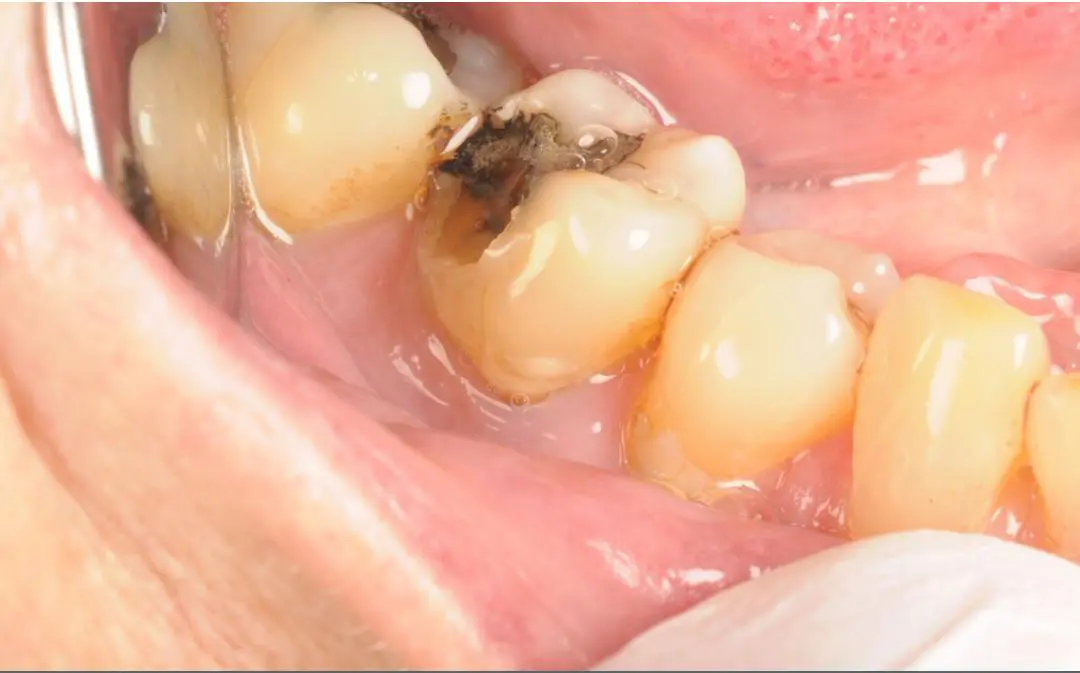
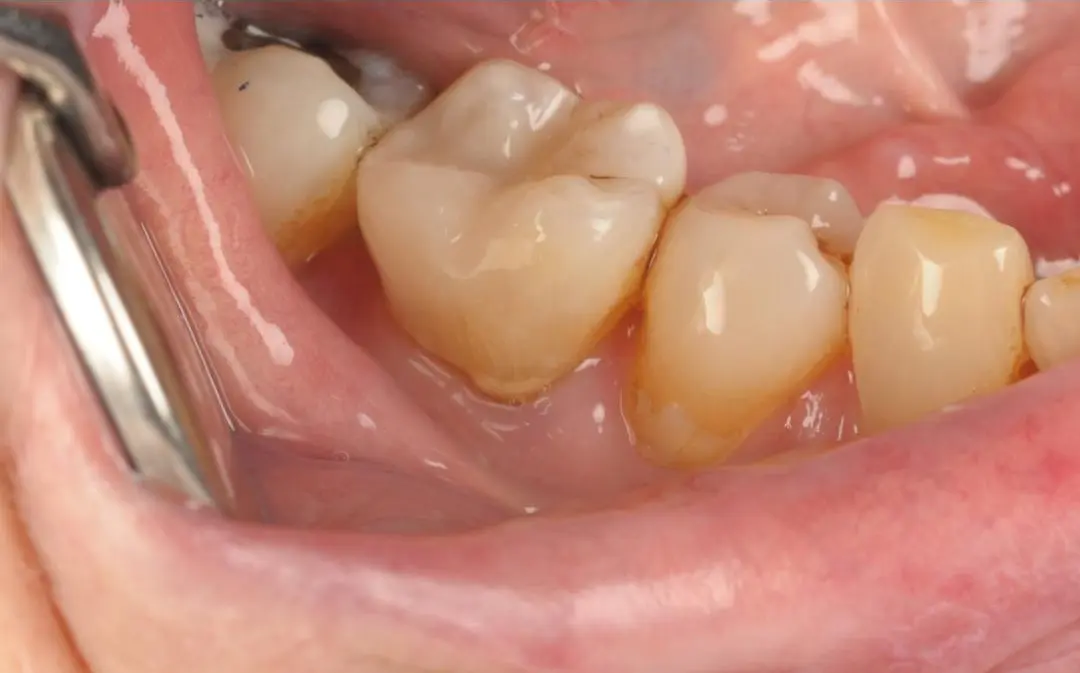
Real Patient Result: Emergency White Filling
Treatment by Dr Kamran
When a porcelain crown fractures at precisely this point, the remaining tooth structure or root may be exposed to the oral environment, including bacteria, temperature changes, and physical pressure. If the tooth has previously undergone root canal treatment, the root may be more fragile. Equally, if decay has progressed beneath the original crown and compromised the underlying tooth structure, the extent of remaining healthy tooth tissue becomes an important clinical factor in determining what restorative options may be appropriate. Only a thorough clinical and, where necessary, radiographic examination can establish this.
When Professional Dental Assessment Is Particularly Important
Whilst temporary measures can help manage immediate discomfort, there are certain signs that indicate you should seek professional dental evaluation without delay.
- Persistent or increasing pain around the site or the surrounding teeth
- Swelling of the gum or cheek in the area of the broken crown
- Sensitivity to temperature or pressure that does not settle
- Visible redness or bleeding at the gumline around the affected tooth
- Any signs of infection, such as a bad taste, discharge, or facial swelling
These are not intended to alarm you, but it is sensible to be aware of changes that may indicate the tooth or surrounding tissue requires more urgent attention. A dental professional can assess the situation calmly and advise on the options most appropriate for your individual circumstances. You may wish to explore information about dental crown treatment to better understand what restorative pathways may be available.
Prevention and Oral Health Advice
Whilst a broken crown cannot always be prevented, there are steps that may help protect existing dental restorations and support long-term oral health.
Attend regular dental check-ups. Routine examinations allow a dentist to monitor the condition of existing crowns, check crown margins for signs of early decay, and identify any concerns before they develop into more significant problems.
Discuss a nightguard if you clench or grind. If you are aware of, or have been told about, bruxism, a custom-made occlusal splint may help reduce the forces placed on crowns and natural teeth during sleep.
Maintain good oral hygiene around crown margins. Using a soft-bristled toothbrush and carefully cleaning the gumline, alongside regular flossing or interdental brushing, helps to minimise the risk of decay developing at crown margins.
Avoid using your front teeth as tools. Habits such as opening packaging or biting nails can exert undue stress on front teeth and restorations. Information on preventative dental care may help you understand how to maintain your dental health over time.
Key Points to Remember
- A front porcelain crown breaking off at the gumline is an urgent dental situation that requires prompt professional assessment.
- Safe temporary steps include rinsing with warm salt water, using over-the-counter dental wax, and keeping the broken pieces safe.
- Do not attempt to reattach the crown yourself using non-dental adhesives.
- Signs such as swelling, persistent pain, or discharge warrant more urgent dental attention.
- The condition of the underlying tooth structure can only be assessed during a clinical and radiographic examination.
- Regular dental check-ups and appropriate protective measures such as nightguards may help reduce the risk of crown fracture.
Frequently Asked Questions
Can a broken front porcelain crown be repaired rather than replaced?
Whether a broken front porcelain crown can be repaired or needs to be replaced entirely depends on the extent of the fracture, the condition of the underlying tooth, and the amount of healthy tooth structure remaining. Minor chips to porcelain may sometimes be smoothed or repaired using composite resin in certain circumstances, but a crown that has fractured at the gumline typically requires a more comprehensive clinical assessment to determine the most appropriate restorative option. A dentist would need to examine the tooth and likely take a radiograph before recommending a course of treatment.
Is a broken crown at the gumline a dental emergency?
A crown that fractures or detaches at the gumline is generally considered an urgent dental concern, as the underlying tooth and root may be exposed and vulnerable. Whilst it may not always constitute a life-threatening emergency, it should not be left unaddressed for an extended period. Prompt dental assessment helps to prevent further damage, reduce the risk of infection, and identify the most suitable restorative approach for your individual situation.
Will the tooth need to be extracted if the crown breaks off at the gumline?
Not necessarily. The suitability of saving the tooth depends on clinical factors including the amount of remaining healthy tooth structure, the condition of the root, and whether the tooth has a prior root canal treatment. In some cases, procedures such as crown lengthening or post-and-core build-up may enable a new crown to be placed. However, extraction may be clinically appropriate in certain circumstances. This can only be determined through professional examination.
How painful is a broken crown at the gumline?
The level of discomfort experienced can vary considerably from person to person. Some patients report significant sensitivity to temperature and pressure, whilst others notice little immediate pain, particularly if the tooth has been root-treated and the nerve is no longer present. Any pain that is persistent, worsening, or accompanied by swelling should be brought to a dental professional's attention promptly.
What happens if I leave a broken crown at the gumline untreated?
Leaving a broken crown at the gumline untreated for a prolonged period may increase the risk of bacterial contamination of the exposed tooth structure, potential infection, and further deterioration of the remaining tooth tissue. The surrounding gum tissue may also become irritated. Early professional assessment generally provides more restorative options and a better overall outcome.
Conclusion
A front porcelain crown breaking off at the gumline is an understandably worrying experience, but taking calm, informed steps in the short term can help you manage the situation whilst you arrange professional care. Rinsing gently with warm salt water, using temporary dental wax for comfort, keeping any broken fragments safe, and avoiding foods that may aggravate the area are all sensible interim measures. However, these steps are not a substitute for timely professional dental evaluation.
The primary keyword to keep in mind is this: a broken porcelain crown at the gumline requires clinical assessment to determine what restorative options may be suitable for your particular circumstances. Treatment suitability depends on individual clinical factors, including the condition of the underlying tooth and root, and can only be established through a thorough dental examination.
If you are experiencing this or a related dental concern, it is advisable to contact a dental professional as soon as possible. Dental symptoms and treatment options should always be assessed individually during a clinical examination.
Disclaimer: This article is intended for general educational purposes only and does not constitute personalised dental advice. Individual diagnosis and treatment recommendations require a clinical examination by a qualified dental professional.
Next Review Due: 23 October 2027