
If you have not visited a dentist in several years — perhaps even a decade or more — you are far from alone. Many adults across London find themselves in exactly this position, often driven by a combination of anxiety, cost concerns, previous negative experiences, or simply the busyness of daily life. When dental discomfort eventually becomes difficult to ignore, the thought of walking into a practice after such a long absence can feel overwhelming.
Supportive urgent dental care for long-term dental avoiders is specifically designed to help people in this situation receive the help they need without judgement or unnecessary pressure. This article explains what to expect when returning to dental care after an extended gap, the types of conditions that may need attention, how clinicians approach assessment sensitively, and why early professional advice — even when delayed — is generally considered beneficial. Understanding these things can make taking that first step significantly easier.
Featured Snippet: What Is Supportive Urgent Dental Care for Long-Term Dental Avoiders?
Yes. Supportive urgent dental care for long-term dental avoiders provides immediate assessment and treatment for pain, infection, or damage — regardless of how long it has been since your last visit. Clinicians take a non-judgemental approach, focusing on your current needs and helping you understand your oral health before discussing any longer-term care.
Experiencing these symptoms?
Delaying treatment can lead to tooth loss. We have slots available today.
Why Do So Many People Avoid the Dentist for Years?
Dental avoidance is remarkably common and can arise from a wide variety of personal circumstances. Research consistently highlights dental anxiety and dental phobia as among the most significant barriers to seeking care. For some people, a difficult experience in childhood or adolescence can create lasting apprehension that follows them into adult life.
Financial concerns also play a meaningful role. Without a regular NHS dentist or the perceived cost of private care, many individuals delay attending until a problem becomes unavoidable. Others experience practical barriers: caring responsibilities, demanding work schedules, or frequent relocations can all disrupt regular dental attendance.
It is important to understand that dental professionals are not in the business of making patients feel guilty about time away from the chair. The focus of a good clinical assessment is always on where you are now, not on the years that have passed. If you are experiencing pain, sensitivity, swelling, or visible changes in your teeth or gums, these are clear signals that a professional assessment may be beneficial — and the sooner this happens, the more options are likely to be available to you.
Meet Dr. Yasha Shirazi
Principal Dentist at Emergency Dentist London
"We treat hundreds of dental emergencies every month. The sooner you come in, the easier the fix usually is."
Book an appointment with our team →What Conditions May Develop After Extended Time Without Dental Care?
When routine dental check-ups are missed over a prolonged period, certain conditions may develop gradually without causing obvious symptoms in the early stages. This is one reason why dentists often recommend regular assessment, even when nothing appears to be wrong.
Tooth Decay: Dental caries (tooth decay) progress slowly at first, often confined to the enamel before advancing into the dentine and potentially reaching the inner pulp of the tooth. Early-stage decay may be painless. As it progresses, sensitivity to temperature or sweetness can develop, and in more advanced cases, persistent aching or throbbing pain may occur.
Gum Disease: Gum disease (periodontal disease) is another condition that develops quietly. Early-stage gum disease (gingivitis) often presents with bleeding gums, mild swelling, or sensitivity. Without intervention, it can progress to more involved periodontal disease, which may affect the supporting structures around teeth. If you have noticed your gums bleeding when brushing, this warrants professional assessment.
Dental Infections: Untreated decay or gum disease can in some cases lead to dental infections. Symptoms may include persistent pain, facial swelling, difficulty swallowing, or a bad taste in the mouth. These situations benefit from prompt clinical evaluation.
Understanding that these conditions are treatable — and that treatment approaches will depend entirely on your individual clinical picture — can help reduce the anxiety often associated with returning to care.
The Clinical Science Behind Dental Decay and Infection
To understand why teeth sometimes become painful after years of missed dental visits, it helps to know a little about tooth anatomy. Each tooth has three main layers: the outer enamel (a hard, protective surface), the dentine beneath it (a slightly softer layer containing tiny tubules connected to the nerve), and the pulp at the centre (a living tissue containing nerves and blood vessels).
Bacteria naturally present in the mouth produce acids when they interact with sugars and carbohydrates in food. Over time, these acids can erode the enamel, creating cavities. Once decay reaches the dentine, the tubules allow temperature and pressure to stimulate the nerve, which is when sensitivity or pain often begins.
If decay is left untreated and reaches the pulp, inflammation and infection can develop within the tooth. The body's immune response to this infection — sending blood and immune cells to the area — can create pressure within the confined space of the tooth, contributing to that distinctive throbbing pain that may also radiate toward the jaw, ear, or temple.
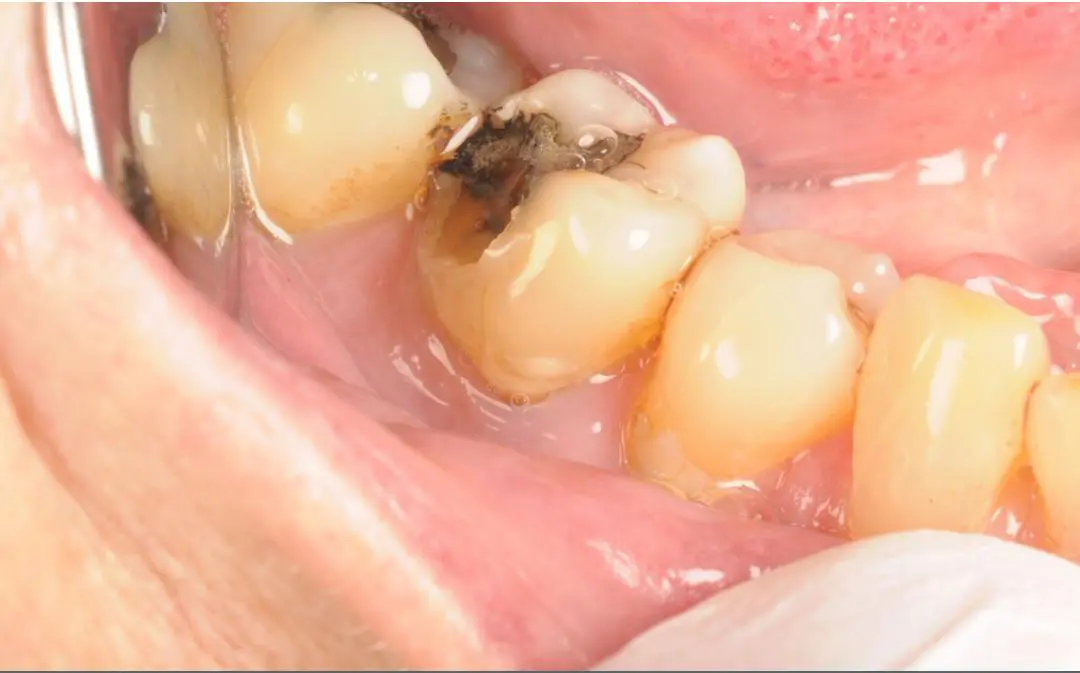
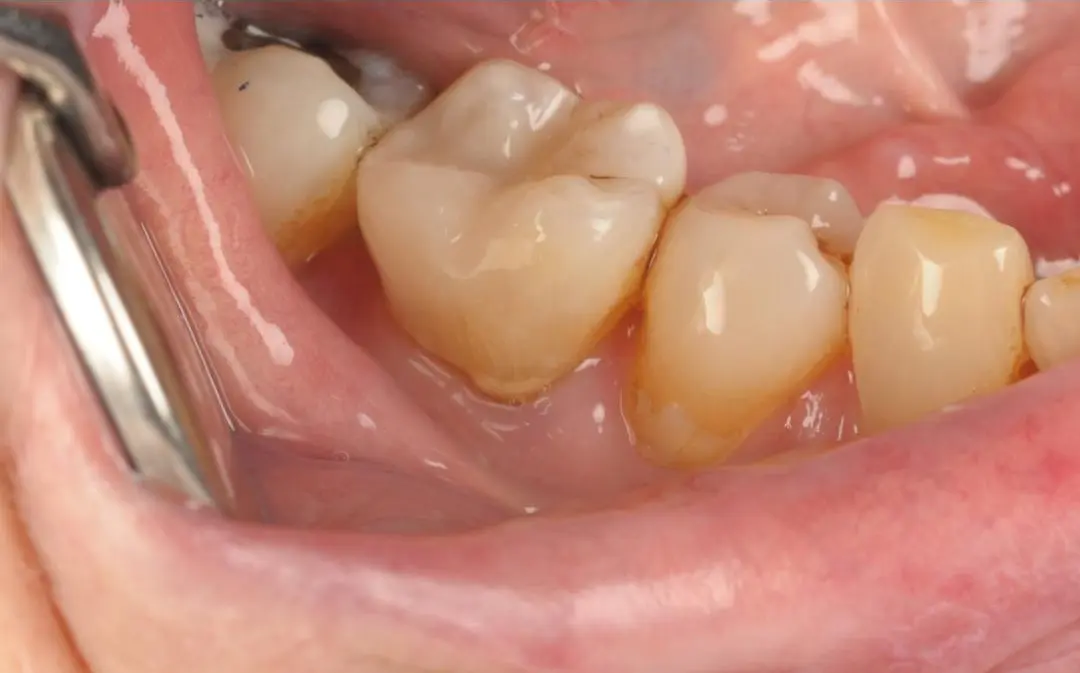
Real Patient Result: Emergency White Filling
Treatment by Dr Kamran
For patients seeking emergency dental treatment in London, understanding this process can help explain why prompt assessment is valuable, even if dental care has been delayed for some time.
When Professional Dental Assessment May Be Appropriate
There are several situations in which seeking a dental assessment sooner rather than later may be beneficial — particularly for those who have not attended in a number of years.
- Persistent or throbbing tooth pain that lasts more than a day or two
- Swelling of the face, jaw, or gums that is tender to touch
- Increased sensitivity to hot, cold, or sweet foods and drinks
- A tooth that has chipped, cracked, or broken
- A bad taste or persistent bad breath that does not resolve with brushing
- Visible dark spots or holes on the surface of teeth
- Bleeding gums that occur regularly during brushing or eating
None of these symptoms should cause alarm in themselves, but each one suggests that a clinical examination would help clarify what is happening and what options may be available. For those experiencing acute discomfort, same-day emergency dental appointments can provide assessment and relief when it is needed most.
What to Expect When You Return After a Long Absence
Returning to dental care after a long gap can feel daunting, but understanding the process helps. At an initial assessment appointment, the dentist will typically:
- Take a brief medical and dental history
- Carry out a gentle clinical examination of your teeth, gums, and surrounding tissues
- Take diagnostic X-rays where clinically appropriate to assess areas not visible to the naked eye
- Discuss findings with you in plain language
- Outline any treatment options, along with the clinical reasons for them
A good dental professional will always explain what they have found and work collaboratively with you on any treatment plan. Treatment timelines and priorities will be discussed, and nothing should be carried out without your informed consent. You are always entitled to ask questions, take time to consider your options, and seek further information before making any decisions.
Patients who experience dental anxiety are encouraged to mention this. Many practices, including those offering dental anxiety support, can accommodate anxious patients with additional time, calm environments, and gentle communication throughout.
Prevention and Oral Health Maintenance Going Forward
Once immediate concerns have been addressed, re-establishing good oral health habits can help reduce the likelihood of further difficulties. The following practical steps are generally recommended by dental professionals:
- Brush twice daily using a fluoride toothpaste, spending approximately two minutes each time
- Clean between teeth daily using floss, interdental brushes, or a water flosser, as brushing alone does not clean the contact points between teeth
- Limit sugary and acidic foods and drinks, particularly between meals
- Stay hydrated — saliva plays an important protective role in oral health
- Avoid smoking or using tobacco products, which are associated with increased risk of gum disease and oral cancer
- Attend regular check-ups at intervals recommended by your dentist, which will vary based on your individual oral health needs
Key Points to Remember
- Supportive urgent dental care is available regardless of how long it has been since your last visit
- Dental professionals focus on your current clinical needs, not on the years that have passed
- Many oral health conditions, including tooth decay and gum disease, develop gradually and may be amenable to treatment when assessed by a qualified dental professional
- Symptoms such as persistent pain, swelling, or sensitivity warrant professional evaluation
- Dental anxiety is common and can be discussed openly with the dental team
- Re-establishing regular dental care, even after a long gap, helps protect long-term oral health
Frequently Asked Questions
Will the dentist judge me for not attending for so many years?
Dental professionals are trained to focus on your current oral health, not to make you feel guilty about time that has passed. Many patients return after lengthy gaps, and clinical teams understand the variety of reasons why this happens. The priority of any first appointment will be to assess your teeth and gums, explain what has been found, and discuss options with you in a supportive and straightforward manner.
Is it safe to have dental treatment if I have not had a check-up in over ten years?
Yes, dental treatment can be provided safely after a long absence. The dentist will carry out an assessment first to understand your current dental health and medical history. This helps ensure that any treatment recommended is appropriate and that any relevant health considerations are taken into account. Treatment suitability will depend on individual clinical findings.
What if I am in a lot of pain but too anxious to visit a dentist?
If you are in significant dental pain, it is important to seek assessment even if anxiety has previously been a barrier. Many dental practices in London are experienced in supporting nervous patients, with a range of approaches to help make appointments more comfortable. Speaking to the practice about your concerns before you attend can be a helpful first step.
Can a dental infection be dangerous if left untreated?
Dental infections vary in severity. Some remain localised and cause discomfort but progress slowly, while others can spread more rapidly. Persistent facial swelling, difficulty swallowing, or high fever alongside dental pain are symptoms that benefit from prompt clinical evaluation. If you experience these, seeking care without delay is advisable.
How long will it take to get my dental health back on track?
This depends entirely on individual circumstances. Some patients require only a scale and polish alongside home care advice, while others may benefit from more extensive treatment carried out over several appointments. The dentist will outline a realistic and prioritised treatment plan based on clinical findings, and no treatment should be presented as urgent without clear clinical reasoning.
Will I need X-rays if I return after a long absence?
Dental X-rays are a valuable diagnostic tool that allow clinicians to assess areas of the teeth and jaw not visible during a visual examination. After a long gap in dental attendance, X-rays are commonly recommended to gain a full picture of your oral health. All X-rays are taken in accordance with clinical guidelines, using the lowest dose necessary to obtain the required diagnostic information.
Conclusion
Returning to dental care after years away is a significant step, and it is one that many adults across London are taking every day. Supportive urgent dental care for long-term dental avoiders exists precisely to help people in this situation receive the professional assessment and treatment they need in a calm, non-judgemental environment. Whether you are experiencing pain, have noticed changes in your teeth or gums, or simply feel it is time to find out where your oral health stands, a clinical appointment is always the right starting point.
Early professional assessment, even when delayed, may provide more options and support a clearer path forward. Dental conditions that may have been building quietly over time may be amenable to management when identified and assessed by a qualified dental professional, with outcomes dependent on individual clinical findings.
Dental symptoms and treatment options should always be assessed individually during a clinical examination.
Disclaimer: This article is intended for general educational purposes only and does not constitute personalised dental advice. Individual diagnosis and treatment recommendations require a clinical examination by a qualified dental professional.
Next Review Due: 20 November 2027