
Discovering that your child has chipped a tooth can be an unsettling experience for any parent. Whether it happened during a tumble in the playground, a fall at home, or simply biting down on something hard, chipped primary teeth are one of the most common childhood dental concerns seen by dental professionals across London and the UK.
Many parents instinctively turn to online resources to understand what has happened, whether the injury is serious, and what steps to take next. It is completely natural to feel uncertain in these moments. The good news is that most chipped primary teeth can be managed well when parents have the right information and seek professional guidance promptly.
This article explains why chipped primary teeth occur, what the dental science behind the injury involves, the care options that may be appropriate, and when a professional dental assessment is recommended. Understanding these points can help parents feel more confident and calm when navigating their child's dental health.
Experiencing these symptoms?
Delaying treatment can lead to tooth loss. We have slots available today.
Featured Snippet: What Should Parents Do If a Child Chips a Primary Tooth?
If your child chips a primary (baby) tooth, stay calm and assess the situation. Rinse the mouth gently with water, apply a cold compress if there is swelling, and contact a dental professional. Treatment for chipped primary teeth depends on the severity of the chip, the child's age, and the health of the surrounding tissues, determined through a clinical examination.
Why Do Children Chip Primary Teeth?
Children are naturally active, curious, and still developing the coordination and spatial awareness that helps adults avoid bumps and falls. This developmental stage makes dental injuries relatively common during early childhood.
The most frequent causes of chipped primary teeth include:
Meet Dr. Yasha Shirazi
Principal Dentist at Emergency Dentist London
"We treat hundreds of dental emergencies every month. The sooner you come in, the easier the fix usually is."
Book an appointment with our team →- Falls and tumbles during walking, running, or playing
- Collisions with furniture, toys, or other children
- Biting hard foods such as crusts, raw vegetables, or hard sweets
- Sports activities without appropriate protective equipment
- Grinding habits (bruxism), which can gradually wear and weaken tooth surfaces
Primary teeth — often called baby teeth or milk teeth — are the first set of teeth children develop, typically erupting between six months and three years of age. Because these teeth serve important functions in speech development, nutrition, and guiding permanent teeth into position, any trauma to them warrants careful attention, even though they are temporary.
Understanding the Structure of Primary Teeth
To appreciate why a chipped primary tooth may need professional assessment, it helps to understand a little about tooth anatomy.
Each primary tooth has three main layers:
- Enamel — the hard, outer protective shell of the tooth
- Dentine — the softer, sensitive layer beneath the enamel
- Pulp — the innermost part of the tooth, containing nerves and blood vessels
When a tooth is chipped, the extent of the injury depends on how deeply the damage extends through these layers. A minor chip confined to the enamel may cause minimal discomfort and present little immediate concern. However, if the chip reaches the dentine or exposes the pulp, the child may experience sensitivity or discomfort, and professional dental evaluation becomes important.
Additionally, the impact that caused the chip may have affected the tooth's root or surrounding bone, even when the visible damage appears small. This is one of the reasons why professional assessment after any dental trauma in children is clinically recommended.
Signs and Symptoms to Be Aware Of
After a chipped primary tooth, parents should monitor their child for the following:
- Visible damage to the tooth surface, such as a rough edge or missing portion
- Sensitivity to hot, cold, or sweet foods and drinks
- Pain or discomfort when chewing or biting
- Swelling around the gum or face near the affected tooth
- Discolouration of the tooth, particularly a darkening colour, which may develop over days or weeks
- Changes in behaviour, such as reluctance to eat or increased irritability in younger children who cannot yet describe pain verbally
It is worth noting that some signs of injury may not appear immediately. Discolouration of a primary tooth following trauma, for example, may indicate internal changes within the tooth that develop over time and warrant professional review.
Care Options That a Dental Professional May Consider
The management of a chipped primary tooth is not a one-size-fits-all approach. A dental professional will assess the specific circumstances of the injury, the depth of the chip, the child's age and cooperation, and the overall health of the tooth and surrounding structures before recommending any course of action.
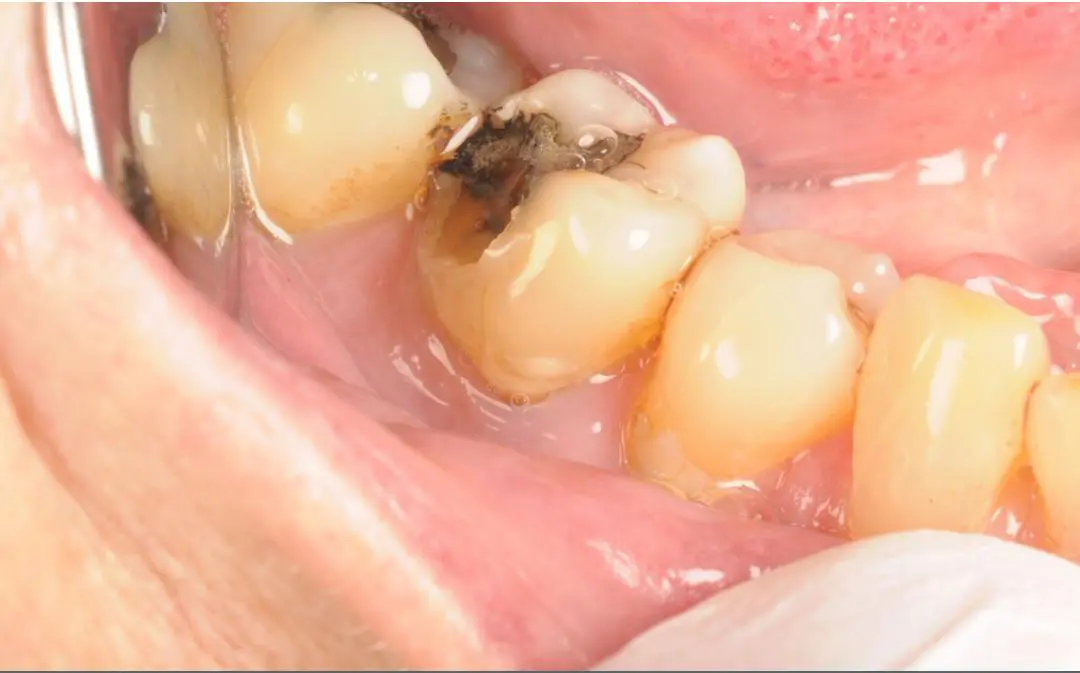
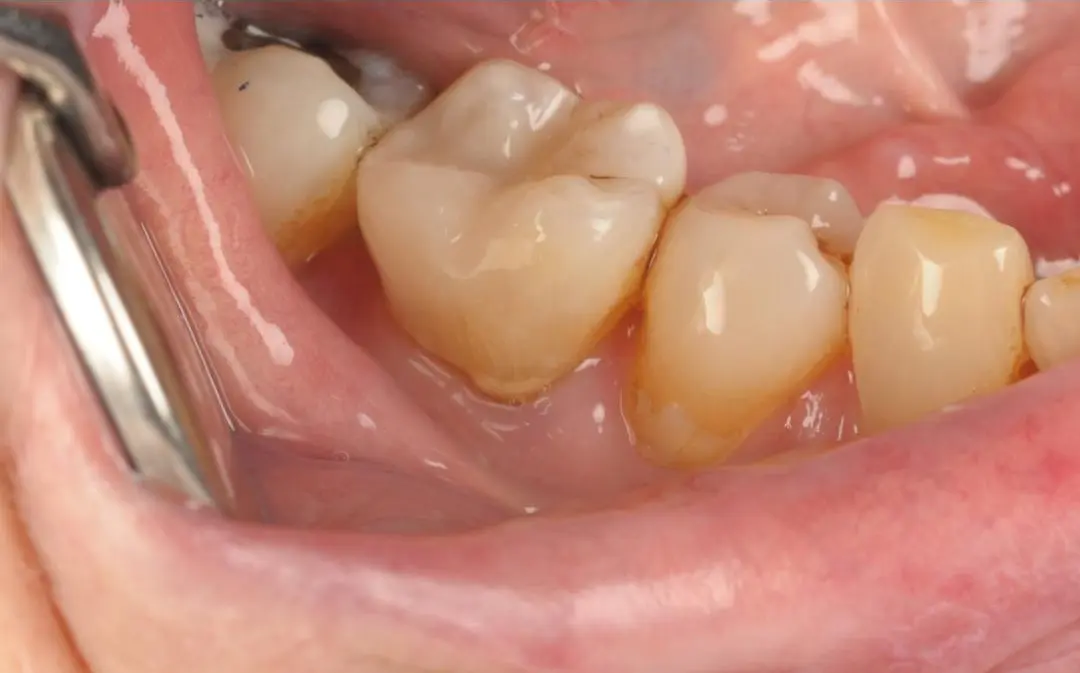
Real Patient Result: Emergency White Filling
Treatment by Dr Kamran
Depending on the clinical findings, possible approaches may include:
- Monitoring and observation for minor enamel chips where the tooth remains healthy and symptoms are absent
- Smoothing or polishing a sharp edge to prevent irritation to the lips, tongue, or cheeks
- Dental bonding or composite resin restoration to restore the appearance and function of the tooth where clinically appropriate
- Pulp treatment in cases where the inner pulp has been affected, to manage discomfort and preserve the tooth where possible
- Extraction, considered only when a tooth is severely damaged or poses a risk to the child's oral health or developing permanent teeth
Treatment suitability is always determined on an individual basis during a clinical examination. Parents are encouraged to seek professional guidance rather than attempting home remedies, which may not address underlying injury.
If you are concerned about your child following a dental injury, understanding emergency dental care options for children can help you act quickly and confidently.
When to Seek Professional Dental Assessment
There are situations where contacting a dental professional promptly is advisable following dental trauma in children:
- The chip appears deep, exposing a yellowish or pinkish layer beneath the enamel
- Your child is in noticeable pain or discomfort
- There is swelling of the gum, lip, or face
- The tooth appears loose or has shifted in position
- The tooth develops a grey, brown, or dark discolouration in the days or weeks following the injury
- Your child has difficulty eating, drinking, or speaking as a result of the trauma
Even in the absence of obvious symptoms, a professional examination after dental trauma in a young child is widely considered good clinical practice. Dental professionals can take appropriate X-rays where needed to assess the root and surrounding bone, providing a fuller picture of any injury.
If your child experiences a dental injury, contacting an emergency dentist in London promptly can ensure they receive a thorough assessment without unnecessary delay.
Prevention and Protecting Your Child's Teeth
While it is not always possible to prevent childhood dental injuries, there are practical steps parents can take to reduce the risk:
- Childproofing the home by padding sharp corners on furniture and ensuring safe play environments, particularly for toddlers
- Encouraging use of a mouthguard for children who participate in contact sports or activities with collision risk — a professionally fitted mouthguard offers better protection than over-the-counter alternatives
- Supervising mealtimes and offering age-appropriate foods to reduce the risk of biting injuries
- Attending regular dental check-ups so that any early signs of tooth wear, grinding, or developmental concerns can be identified early
Establishing a positive relationship with dental care from an early age is one of the most valuable investments parents can make in their child's long-term oral health. Learning about children's dental care and routine visits can help build that foundation from the start.
Key Points to Remember
- Chipped primary teeth are common in young children due to falls, collisions, and biting hard foods
- Primary teeth serve important developmental functions despite being temporary, so injuries should not be dismissed
- The severity of a chip depends on which layers of the tooth are affected — enamel, dentine, or pulp
- Signs such as discolouration, sensitivity, swelling, or pain following a chip warrant professional dental review
- Treatment options vary based on the depth of the injury, the child's age, and clinical assessment findings
- Preventative measures, including mouthguards for sports and regular dental check-ups, can help protect children's teeth
Frequently Asked Questions
Do chipped primary teeth always need treatment?
Not always. Minor chips confined to the enamel with no symptoms may simply require monitoring, though a professional assessment is still advisable to rule out deeper damage. Even when no treatment is immediately needed, follow-up reviews allow any delayed signs of injury — such as tooth discolouration or sensitivity — to be identified early. Treatment recommendations depend entirely on the clinical findings during examination.
Can a chipped baby tooth affect the permanent tooth beneath it?
In some cases, significant trauma to a primary tooth can affect the developing permanent tooth positioned beneath it. This is one of the reasons why dental professionals take primary tooth injuries seriously. The extent of any potential impact on the permanent tooth can often be assessed through clinical examination and, where appropriate, dental X-rays. Early professional assessment helps ensure any such concerns are identified and managed appropriately.
What should I do immediately after my child chips a tooth?
Remain calm to avoid distressing your child. Rinse the mouth gently with clean water and apply a cold compress to the outside of the face if there is swelling. If you can find the chipped piece, keep it in a small container. Contact a dental professional as soon as possible to arrange an assessment. Avoid giving your child hard foods in the interim and monitor for any signs of discomfort, swelling, or changes in the tooth's colour.
Is it normal for a primary tooth to go dark after a knock?
Tooth discolouration following dental trauma is not uncommon and can occur in the days or weeks after an injury. A grey or dark colour may indicate changes occurring within the tooth's pulp. This does not automatically mean the tooth requires extraction, but it does warrant professional dental evaluation to determine the most appropriate course of management for your child's specific situation.
Will a chipped primary tooth cause problems with speech or eating?
In many cases, a chipped primary tooth does not significantly impact speech or eating, particularly if the chip is minor. However, a sharp edge may cause irritation to the tongue, lips, or cheeks, and discomfort may affect your child's willingness to eat. If you notice any changes in how your child speaks or eats following a dental injury, mentioning this to a dental professional during assessment is helpful.
At what age do primary teeth fall out naturally?
Primary teeth typically begin to loosen and fall out from around five to six years of age, with the process continuing until approximately twelve years of age. The timing varies between children. Because primary teeth guide permanent teeth into the correct position, maintaining their health for as long as clinically appropriate is generally beneficial. If a primary tooth is lost prematurely due to trauma, a dental professional may discuss options to support normal dental development.
Conclusion
A chipped primary tooth can understandably cause concern, but with the right information and timely professional guidance, most children recover well from dental trauma. Understanding the structure of primary teeth, recognising the signs that warrant attention, and knowing when to seek professional advice are all important steps in supporting your child's dental health.
Preventative measures — from safe play environments to regular dental visits — remain an effective long-term approach to protecting young smiles. However, when injuries do occur, acting calmly and seeking appropriate professional assessment makes a significant difference in outcomes.
Dental symptoms and treatment options should always be assessed individually during a clinical examination.
If your child has experienced a dental injury or you are concerned about a chipped tooth, we encourage you to contact a qualified dental professional at the earliest opportunity.
Disclaimer: This article is intended for general educational purposes only and does not constitute personalised dental advice. Individual diagnosis and treatment recommendations require a clinical examination by a qualified dental professional.
Next Review Due: 23 November 2027