
Experiencing a sharp or persistent ache in your tooth without any visible swelling can be both confusing and unsettling. Many people expect dental pain to come with obvious signs such as a swollen cheek or inflamed gums, so when the discomfort appears suddenly with no outward explanation, it is natural to feel concerned and turn to the internet for answers.
Sudden tooth pain with no swelling is one of the most commonly searched dental symptoms online, and for good reason. The absence of swelling does not necessarily mean the issue is minor. Several dental conditions can produce significant discomfort without any external signs, ranging from early-stage decay and microscopic cracks to nerve irritation and changes in tooth sensitivity.
Understanding the possible causes behind this type of pain can help you make informed decisions about your oral health and recognise when it may be appropriate to seek professional dental advice. In this article, we explore the most common reasons why sudden tooth pain without swelling occurs, what may be happening beneath the surface of your tooth, and the steps you can take to look after your dental wellbeing. A calm, proactive approach is often the most helpful starting point.
Experiencing these symptoms?
Delaying treatment can lead to tooth loss. We have slots available today.
What Does Sudden Tooth Pain With No Swelling Mean?
Sudden tooth pain with no swelling can indicate a range of dental conditions, including early tooth decay, enamel erosion, a cracked tooth, exposed dentine, or nerve irritation within the tooth. Because many of these issues develop beneath the tooth surface, visible swelling may not be present. A professional dental assessment is recommended to identify the underlying cause and determine appropriate care.
Common Causes of Sudden Tooth Pain Without Swelling
There are several reasons why you might experience unexpected dental discomfort without any accompanying swelling. Understanding these potential causes can help you feel more informed when discussing your symptoms with a dental professional.
Tooth Decay in Its Early Stages
Dental decay does not always produce visible symptoms straight away. In its early stages, a cavity may affect the outer enamel or begin to reach the softer dentine layer beneath. This can trigger sharp, intermittent pain — particularly when eating sweet, hot, or cold foods — without any swelling or obvious damage visible to the naked eye. Left unaddressed, early decay can progress deeper into the tooth structure over time.
Meet Dr. Yasha Shirazi
Principal Dentist at Emergency Dentist London
"We treat hundreds of dental emergencies every month. The sooner you come in, the easier the fix usually is."
Book an appointment with our team →Enamel Erosion and Dentine Exposure
The enamel that covers your teeth is the hardest substance in the body, but it can wear down gradually through acidic foods and drinks, vigorous brushing, or conditions such as acid reflux. When enamel thins, the underlying dentine becomes exposed. Dentine contains microscopic tubules that lead to the nerve of the tooth, which is why sensitivity and sudden pain can develop without any swelling or infection being present.
A Cracked or Fractured Tooth
Hairline cracks in teeth are surprisingly common and can be difficult to detect — even on dental X-rays in some cases. A cracked tooth may cause sharp pain when biting or chewing, particularly when releasing the bite. The discomfort may come and go unpredictably, and because the crack may not extend to the gum tissue or surrounding bone, swelling is often absent. If you are experiencing unexplained dental pain, a clinical examination can help identify whether a crack is present.
Gum Recession
When the gum tissue gradually recedes from around a tooth, the root surface becomes exposed. Unlike the crown of the tooth, the root is not covered by enamel and is more sensitive to temperature changes and touch. This can produce sudden discomfort that feels as though it is coming from inside the tooth itself, even though the issue originates at the gum line.
Understanding the Dental Science Behind Tooth Pain
To understand why sudden tooth pain can occur without swelling, it helps to know a little about the structure of a tooth.
Each tooth is made up of several layers. The outermost layer — enamel — serves as a protective shield and contains no nerve endings, which is why damage to enamel alone does not usually cause pain. Beneath the enamel sits dentine, a porous layer containing thousands of tiny tubules that connect to the tooth's inner chamber. At the centre of the tooth lies the dental pulp, a soft tissue containing blood vessels and nerves.
When the protective enamel is compromised — whether through decay, erosion, a crack, or wear — stimuli such as temperature, pressure, or sugar can travel through the dentine tubules and reach the nerve within the pulp. This is what produces the sensation of pain.
Importantly, inflammation or infection of the pulp (known as pulpitis) can occur in two forms. Reversible pulpitis involves temporary irritation of the nerve, where the tooth may recover with appropriate treatment. Irreversible pulpitis indicates more significant nerve damage, which may require more involved clinical intervention. In both cases, visible swelling may not be present, particularly in the earlier stages.
This is why dental pain should not be assessed solely on whether swelling is visible. The internal condition of the tooth often tells a different story.
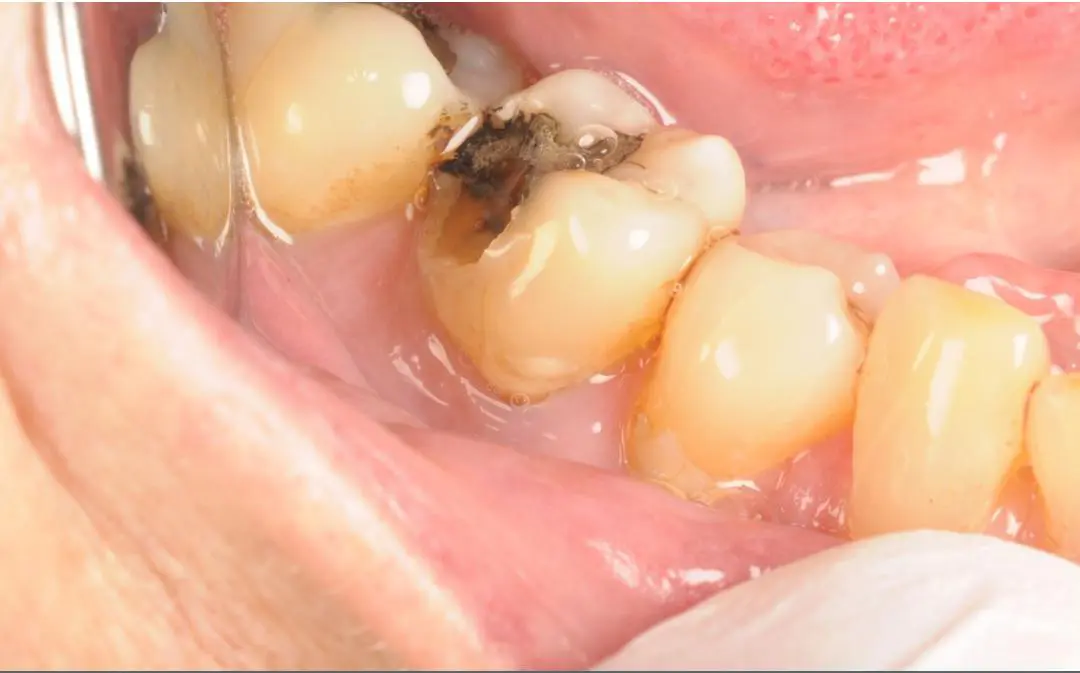
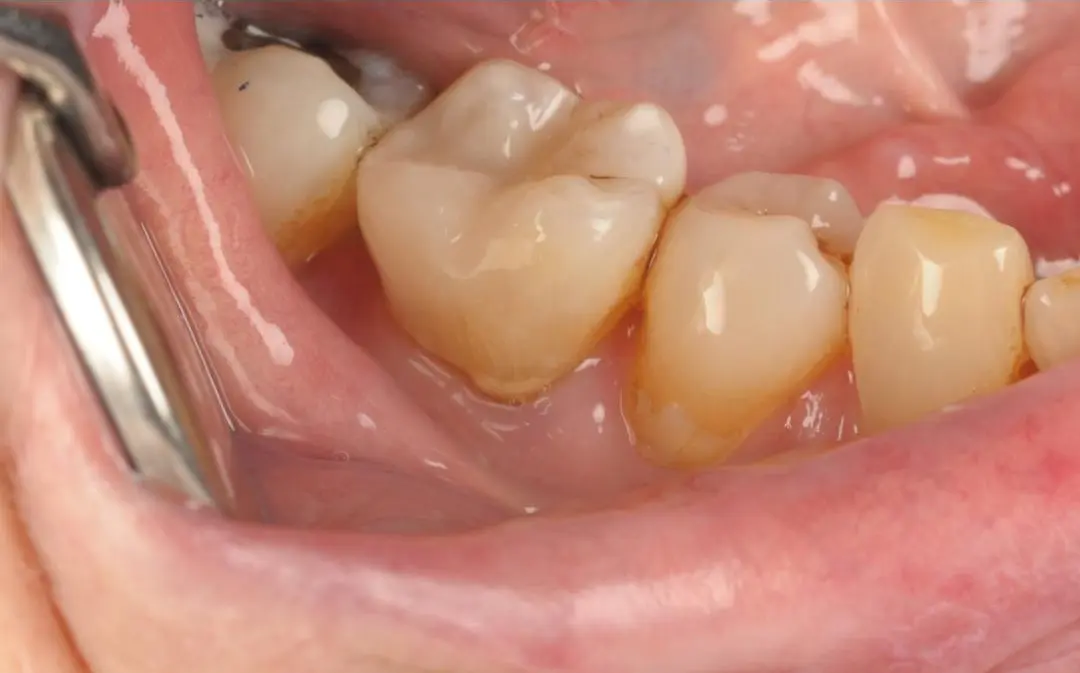
Real Patient Result: Emergency White Filling
Treatment by Dr Kamran
Could It Be Bruxism or Tooth Grinding?
One commonly overlooked cause of sudden tooth pain without swelling is bruxism — the habit of clenching or grinding your teeth, often during sleep. Many people are unaware they grind their teeth until symptoms develop.
Bruxism places excessive force on the teeth and jaw, which can lead to:
- Aching or sharp pain in individual teeth
- Sensitivity to pressure or temperature
- Generalised jaw discomfort, particularly in the morning
- Wear patterns on the biting surfaces of teeth
Because bruxism does not involve infection or inflammation of the gum tissue, swelling is typically absent. However, over time, the repeated mechanical stress can contribute to cracks, enamel wear, and nerve irritation.
If you notice that your tooth pain tends to be worse upon waking or during periods of stress, bruxism may be a contributing factor. A dental professional can look for clinical signs of grinding and discuss management options, which may include a custom-made bite guard to help protect your teeth during sleep.
Sinus-Related Tooth Pain
It may surprise you to learn that not all tooth pain originates from a dental problem. The roots of the upper back teeth sit very close to the maxillary sinuses — the air-filled spaces behind your cheekbones. When these sinuses become inflamed or congested, often due to a cold, allergies, or sinusitis, the pressure can radiate downwards and mimic dental pain.
Sinus-related tooth discomfort typically:
- Affects multiple upper teeth rather than a single tooth
- Worsens when bending forward or lying down
- Accompanies nasal congestion, a feeling of facial pressure, or a recent upper respiratory infection
This type of referred pain can feel very convincing, leading people to believe they have a dental problem when the source is actually sinus-related. A dental examination can help differentiate between sinus pain and a genuine dental issue, ensuring you receive the most appropriate advice.
When Professional Dental Assessment May Be Needed
While occasional, brief tooth sensitivity is relatively common and may not always indicate a serious problem, there are certain situations where seeking a professional dental opinion is advisable.
You may wish to consider booking a dental assessment if you experience:
- Persistent or worsening pain that lasts more than a day or two
- Sharp pain when biting or chewing that occurs repeatedly
- Increased sensitivity to hot, cold, or sweet foods that does not settle
- Pain that disrupts sleep or daily activities
- A history of dental treatment on the affected tooth
- Discomfort following an injury or trauma to the mouth
These symptoms do not necessarily indicate a serious condition, but they can sometimes be early signs that benefit from timely professional evaluation. A dental examination — often including X-rays — allows a clinician to assess what is happening beneath the visible surface of the tooth and recommend an appropriate course of action.
Early assessment can often mean that simpler, less invasive approaches may be suitable. If you are unsure whether your symptoms warrant a visit, contacting a dental practice for guidance is always a reasonable step.
Prevention and Oral Health Advice
While not all causes of sudden tooth pain can be prevented, maintaining good oral health habits can significantly reduce your risk of developing many common dental problems.
Daily Oral Hygiene
Brushing twice daily with a fluoride toothpaste and cleaning between your teeth with interdental brushes or floss helps to remove plaque — the bacterial film that contributes to decay and gum disease. An electric toothbrush with a pressure sensor can also help prevent overly aggressive brushing, which may contribute to enamel wear and gum recession over time.
Dietary Considerations
Frequent consumption of acidic foods and drinks — including citrus fruits, fruit juices, fizzy drinks, and wine — can gradually erode enamel. Limiting the frequency of acidic intake and avoiding brushing immediately after consuming acidic substances (waiting at least 30 minutes is generally advised) can help protect enamel integrity.
Regular Dental Assessments
Attending routine dental check-ups allows your dentist to monitor your oral health, detect early signs of decay or structural damage, and provide preventative advice tailored to your individual needs. Many dental conditions are far easier to manage when identified early.
Addressing Grinding Habits
If you suspect you may be grinding or clenching your teeth, mentioning this during your next dental appointment can be beneficial. Protective appliances and lifestyle adjustments can help manage bruxism before it leads to more significant dental concerns.
Key Points to Remember
- Sudden tooth pain without swelling can have several possible causes, including early decay, enamel erosion, cracks, nerve irritation, gum recession, bruxism, or sinus-related discomfort.
- The absence of visible swelling does not mean the problem is insignificant — many dental conditions develop beneath the tooth surface.
- Understanding basic tooth anatomy can help explain why pain occurs even when nothing appears wrong externally.
- Good oral hygiene, a balanced diet, and regular dental visits are important steps in maintaining oral health and reducing the risk of unexpected dental problems.
- If pain persists, worsens, or interferes with daily life, seeking a professional dental assessment is a sensible approach.
- Individual symptoms should always be evaluated clinically, as the most appropriate advice depends on a thorough examination.
Frequently Asked Questions
Why does my tooth hurt suddenly if there is no swelling?
Sudden tooth pain without swelling can result from a range of conditions that affect the internal structures of the tooth rather than the surrounding soft tissue. Early-stage decay, enamel erosion, microscopic cracks, or irritation of the dental nerve can all produce significant discomfort without causing visible inflammation. Sinus congestion or bruxism may also contribute. Because many of these issues are not visible externally, a clinical dental examination is typically needed to determine the underlying cause and recommend appropriate management.
Can a cracked tooth cause pain without swelling?
Yes, a cracked tooth is one of the more common causes of dental pain in the absence of swelling. Hairline fractures may be too small to see with the naked eye and can sometimes be difficult to detect even on standard X-rays. Pain from a cracked tooth often occurs when biting down or releasing the bite and may come and go unpredictably. If you suspect a cracked tooth, a dental professional can use specialised techniques to assess the extent of the damage and discuss suitable treatment options.
Is sudden tooth pain always a sign of a serious problem?
Not necessarily. Brief, mild sensitivity — for example, a momentary twinge when drinking something cold — is relatively common and may not indicate a serious dental issue. However, pain that is sharp, persistent, recurrent, or worsening over time may warrant professional evaluation. It is not possible to determine the severity of a dental condition based on symptoms alone, which is why a clinical examination provides the most reliable information about what may be happening.
Should I wait to see if the pain goes away on its own?
Occasional, mild sensitivity that resolves quickly may not require immediate attention. However, if the pain persists for more than a couple of days, intensifies, or begins to affect your ability to eat, sleep, or carry out normal activities, it is generally advisable to seek a dental opinion. Some conditions, such as early decay or reversible nerve irritation, may respond well to timely intervention, whereas delaying assessment could allow the problem to progress.
Can stress cause tooth pain?
Stress itself does not directly damage teeth, but it is a well-recognised contributing factor to bruxism — the involuntary clenching or grinding of teeth. This habit, which often occurs during sleep, can place excessive force on the teeth and jaw, leading to pain, sensitivity, and structural wear over time. Managing stress through relaxation techniques, regular exercise, and good sleep habits may help reduce bruxism, and a dental professional can advise on protective measures such as a custom night guard.
How can I tell the difference between sinus pain and a toothache?
Sinus-related pain typically affects several upper back teeth simultaneously and may be accompanied by nasal congestion, facial pressure, or recent cold symptoms. It often worsens when bending forward. A toothache, by contrast, is more likely to be localised to a single tooth and may respond to specific triggers such as biting, temperature, or sweet foods. However, the overlap between the two can make self-diagnosis unreliable, so a dental examination is the most effective way to determine the true source of your discomfort.
Conclusion
Sudden tooth pain without swelling is a common dental concern that can have a variety of underlying causes. From early-stage decay and enamel erosion to cracked teeth, nerve irritation, bruxism, and even sinus-related discomfort, the absence of visible swelling does not diminish the importance of understanding what may be happening within or around your tooth.
Maintaining good daily oral hygiene, attending regular dental assessments, and being mindful of dietary and lifestyle factors can all contribute to better long-term oral health and may help reduce the likelihood of unexpected dental symptoms.
If you are experiencing sudden tooth pain with no swelling that persists or causes concern, seeking professional dental advice is a sensible and proactive step. A thorough clinical examination allows your dentist to assess your individual situation accurately and discuss the most appropriate options for your care.
Dental symptoms and treatment options should always be assessed individually during a clinical examination.
Disclaimer
This article is for general educational purposes only and does not constitute professional dental advice, diagnosis, or treatment. Every patient's circumstances are unique; dental symptoms and treatment options should always be assessed during a clinical examination by a qualified dental professional. No specific outcomes are guaranteed. This content has been prepared in line with GDC, CQC, ASA CAP Code, and GMC communication standards. If you have concerns about your oral health, please contact a registered dentist.