
Experiencing dental discomfort at the weekend can feel particularly overwhelming. With many routine dental practices closed on Saturdays and Sundays, patients often find themselves searching online for guidance on how to manage toothache or mouth pain until they can access professional dental care.
Managing dental discomfort over the weekend is a concern that affects a significant number of adults in the UK. Whether it is a dull ache that has gradually worsened, sudden sharp sensitivity, or discomfort following a recent dental procedure, understanding your options can make a meaningful difference to how you feel whilst waiting for professional help.
This article aims to provide clear, balanced, and educational information about the common causes of weekend dental discomfort, practical approaches to temporary symptom management, and guidance on when it may be appropriate to seek emergency dental assessment. It is not intended to replace a clinical examination, and professional dental evaluation is always recommended where symptoms are persistent or worsening.
Experiencing these symptoms?
Delaying treatment can lead to tooth loss. We have slots available today.
What Is Managing Dental Discomfort Over the Weekend?
Managing dental discomfort over the weekend involves using safe, evidence-informed temporary measures — such as appropriate over-the-counter pain relief, gentle oral hygiene, and avoiding known triggers — to reduce symptoms until professional dental care can be accessed. These strategies do not treat the underlying cause, and a clinical dental assessment remains essential.
Common Causes of Dental Discomfort
Understanding why dental discomfort arises can help you make more informed decisions about how to respond to it. There are several common reasons why you may experience toothache or oral pain:
Dental Decay (Tooth Caries)
When bacteria in the mouth break down sugars, they produce acids that gradually erode tooth enamel. Over time, this decay can reach the inner layers of the tooth — the dentine and eventually the pulp — where nerve endings are located. When the nerve becomes involved, discomfort can range from mild sensitivity to more persistent, throbbing pain.
Meet Dr. Yasha Shirazi
Principal Dentist at Emergency Dentist London
"We treat hundreds of dental emergencies every month. The sooner you come in, the easier the fix usually is."
Book an appointment with our team →Cracked or Fractured Teeth
A tooth can crack as a result of biting hard foods, teeth grinding (bruxism), or general wear. Cracked teeth often produce sharp discomfort when biting or chewing and can be aggravated by temperature changes. The pain may come and go, making it difficult to identify the exact source without a clinical examination.
Gum-Related Discomfort
Gum disease, or periodontal problems, can cause the gum tissue to become inflamed, tender, or swollen. An acute gum condition known as a periodontal abscess can also develop, producing more noticeable discomfort and swelling.
Post-Treatment Sensitivity
It is not uncommon to experience some degree of sensitivity or discomfort following dental treatment such as a filling, crown preparation, or tooth extraction. In many cases, this settles within a few days, though it is advisable to follow your dentist's post-treatment guidance.
Dental Abscess
A dental abscess is an accumulation of bacterial infection that can cause considerable discomfort, swelling, and in some instances, fever. If you suspect an abscess, it is important to seek professional dental assessment promptly. This explainer on dental abscess symptoms, causes, and treatment can help you recognise the pattern.
Practical Strategies for Temporary Dental Discomfort Management
Whilst it is important to seek professional dental care as the priority, the following temporary measures may help to reduce discomfort over the weekend. These approaches are educational in nature and do not constitute treatment advice. Suitability will depend on your individual circumstances.
Over-the-Counter Pain Relief
Suitable over-the-counter analgesics such as paracetamol or ibuprofen — taken according to the manufacturer's instructions and appropriate for your personal health circumstances — are commonly used to help manage dental discomfort temporarily. Always check contraindications, particularly if you have pre-existing health conditions or take other medications. A pharmacist can provide guidance on the most appropriate option for you.
Please note: Placing aspirin directly onto the gum or tooth is not recommended, as this can irritate the soft tissue.
Clove Oil
Clove oil contains eugenol, a naturally occurring compound with mild analgesic and antiseptic properties. A small amount, applied carefully to the affected area using a cotton ball, is sometimes used as a short-term home measure. It should be used sparingly and kept away from the gums where possible, as concentrated application can cause irritation.
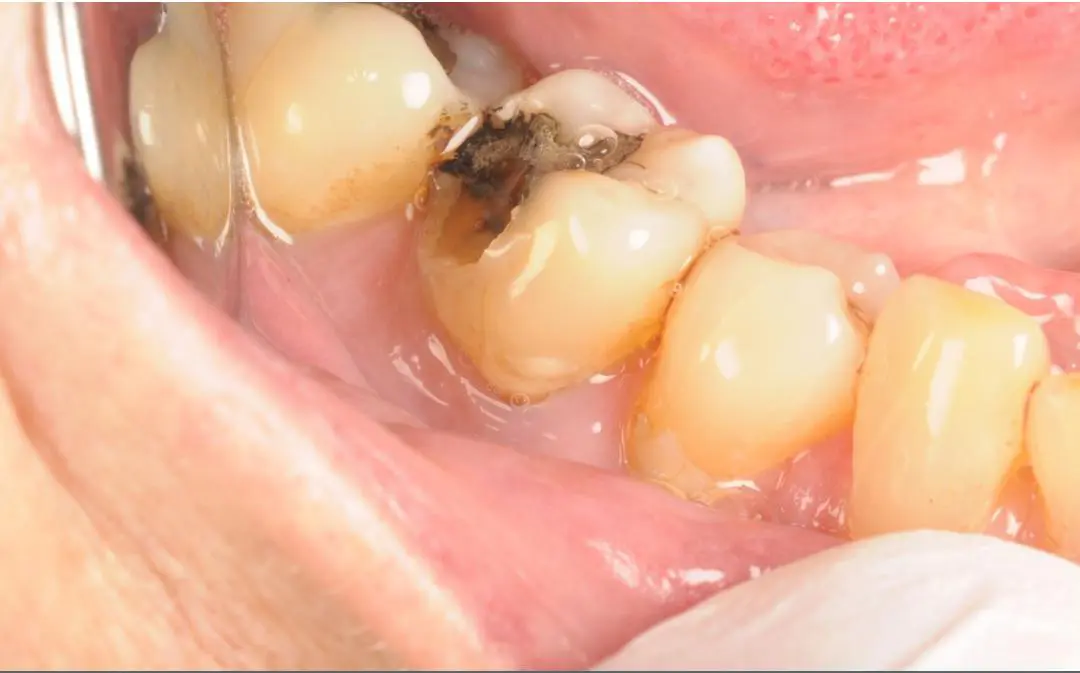
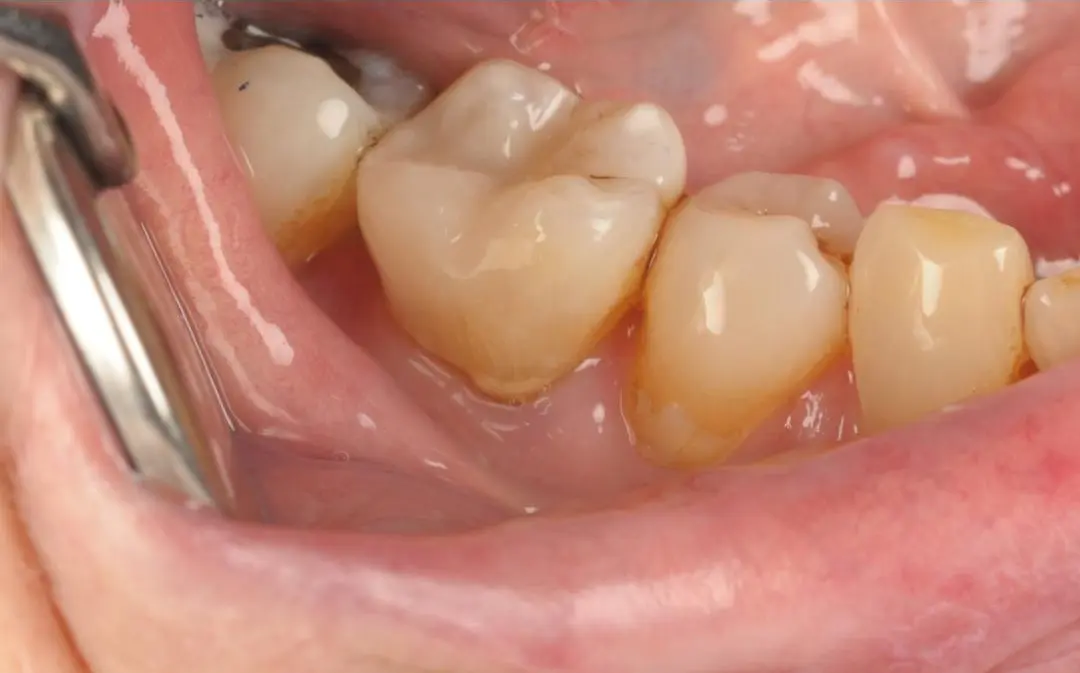
Real Patient Result: Emergency White Filling
Treatment by Dr Kamran
Maintaining Gentle Oral Hygiene
Continuing to brush and floss carefully around the affected area — even when it is uncomfortable — helps to prevent the accumulation of plaque and bacteria, which could worsen the situation. Use a soft-bristled toothbrush and a gentle technique. Rinsing with warm, slightly salted water may also help to soothe inflamed gum tissue.
Avoiding Known Triggers
If hot, cold, sweet, or acidic foods and drinks are worsening your discomfort, it is sensible to avoid them temporarily. Eating on the opposite side of the mouth can also help to reduce pressure on an affected tooth.
Dental Emergency Kits
Pharmacies often stock temporary dental repair kits that may include dental cement or temporary filling material. These can be used as a short-term measure if a filling or crown has become dislodged. They are not a permanent solution and a dental appointment should be arranged as soon as possible. For practical interim steps, this guide on managing a lost filling during the weekend is useful.
For those in London, weekend emergency dentist appointments are available at short notice to provide professional assessment and appropriate care.
The Dental Science Behind Toothache
Understanding what is happening within your tooth can help you appreciate why discomfort occurs and why professional care is important.
Tooth Anatomy and Pain Pathways
Each tooth consists of several layers. The outermost layer, enamel, is the hardest substance in the human body and acts as a protective barrier. Beneath it lies dentine — a softer, porous layer containing microscopic tubules that connect to the nerve-containing pulp at the centre of the tooth.
When enamel is compromised through decay, wear, or fracture, dentine becomes exposed. External stimuli — such as temperature changes, pressure, or sweet foods — can travel through these dentinal tubules and stimulate the nerve within the pulp, producing the sensation of pain or sensitivity.
If infection reaches the pulp itself, inflammation within the confined space of the pulp chamber can create considerable pressure, often resulting in a more sustained, throbbing discomfort. Understanding this pathway helps explain why even a small cavity, if left unaddressed, can progress to a more significant dental concern over time.
This is why routine dental check-ups play an important role in identifying early signs of decay or structural change before symptoms become more noticeable.
When Professional Dental Assessment May Be Needed
Temporary self-care measures can help manage discomfort in the short term, but there are circumstances where seeking professional dental care promptly — even at the weekend — is advisable.
Consider seeking dental assessment if you experience:
- Persistent or worsening pain that does not respond to over-the-counter pain relief
- Visible swelling of the face, jaw, neck, or gums
- Difficulty swallowing or breathing — which warrants urgent medical attention
- Fever alongside dental pain — which may indicate a spreading infection
- A tooth that has been knocked out or significantly damaged following trauma
- Bleeding that does not settle after a tooth extraction
- Pain following recent dental treatment that is increasing rather than improving
These are not exhaustive indicators, and it is always appropriate to seek professional guidance if you are uncertain or concerned about your symptoms. Early assessment can help prevent a manageable dental concern from becoming more complex.
The following video provides helpful information about accessing emergency dental care in London:
If you are located in London and require same-day or weekend dental care, it may be helpful to understand what to expect during an emergency dental appointment so that you feel more prepared when contacting a clinic.
Prevention and Long-Term Oral Health Advice
Whilst managing dental discomfort when it occurs is important, taking steps to support long-term oral health can reduce the likelihood of experiencing acute dental problems in the first place.
Attend Regular Dental Check-Ups
Routine dental examinations allow your dentist to identify potential concerns — such as early-stage decay, gum changes, or structural weaknesses — before they develop into more significant issues. The frequency of check-ups is usually determined by your dentist based on your individual oral health needs.
Establish a Consistent Oral Hygiene Routine
Brushing twice daily with a fluoride toothpaste, cleaning between teeth using floss or interdental brushes, and using a mouthwash where clinically appropriate all contribute to a healthy oral environment.
Be Mindful of Dietary Choices
Frequent consumption of sugary or acidic foods and drinks increases the risk of enamel erosion and decay. Spacing out consumption and rinsing with water after acidic foods can be helpful. Limiting late-night snacking can also reduce the duration of acid exposure on tooth surfaces.
Address Teeth Grinding (Bruxism)
If you are aware that you grind or clench your teeth — particularly during sleep — speak to your dentist. A custom-made occlusal splint may be recommended to help protect the teeth from unnecessary wear and reduce the risk of cracking.
Stay Hydrated
Saliva plays an important protective role in the mouth, helping to neutralise acids and remineralise tooth enamel. Remaining well hydrated supports healthy saliva production. Dry mouth — whether from medication, certain health conditions, or other factors — can increase the risk of dental problems.
Key Points to Remember
- Managing dental discomfort over the weekend can be supported by safe, temporary measures such as appropriate pain relief, gentle oral hygiene, and avoiding triggers.
- Temporary home measures do not treat the underlying dental cause — professional assessment is always required.
- Over-the-counter pain relief should be taken as directed and in accordance with your personal health circumstances.
- Certain symptoms — including swelling, fever, or rapidly worsening pain — warrant prompt professional dental evaluation.
- Preventative habits, including regular dental check-ups and a consistent oral hygiene routine, can help reduce the risk of acute dental episodes.
- Emergency dental services are available in London to provide assessment and appropriate care when routine practices are closed.
Frequently Asked Questions
Can toothache resolve on its own over the weekend?
In some instances, mild dental discomfort may ease temporarily, particularly if it is related to minor gum irritation or transient sensitivity. However, toothache that has an underlying cause — such as decay, infection, or structural damage — is unlikely to resolve without professional dental treatment. If symptoms improve, this does not necessarily mean the underlying issue has resolved. It is still advisable to arrange a dental appointment to identify and address the cause appropriately.
Is it safe to use clove oil for dental pain relief?
Clove oil may offer a degree of short-term comfort due to its naturally occurring analgesic properties, and it is sometimes used as a home remedy. However, it should be applied carefully and sparingly, as it can cause irritation to soft tissue if used in excess. It is not a treatment for the underlying dental condition, and professional care should be sought. If you are unsure whether it is appropriate for your situation, seek guidance from a pharmacist or dental professional.
What should I do if a filling falls out over the weekend?
If a filling becomes dislodged, try to keep the area clean and avoid chewing on that side of the mouth. Temporary dental cement, available from most pharmacies, can be used to cover the exposed area as a short-term measure to reduce sensitivity. Contact a dental practice as soon as possible to arrange a repair appointment. Do not attempt to use strong adhesives or household materials to fix the tooth.
How do I know if I have a dental abscess?
A dental abscess may present as a persistent, throbbing ache that may radiate to the jaw, ear, or neck. It is often accompanied by swelling of the gum, face, or jaw, and in some cases, a raised temperature. A small pimple-like swelling on the gum near the affected tooth can also indicate a localised abscess. If you notice these signs, it is advisable to seek professional dental assessment promptly rather than waiting for a routine appointment.
Can I eat and drink normally if I have dental discomfort?
It is generally advisable to avoid very hot, cold, sweet, or hard foods if they are worsening your discomfort. Choosing soft foods, eating on the unaffected side of the mouth, and avoiding extremes of temperature can help to reduce aggravation of the affected area. Staying hydrated remains important. If eating and drinking become significantly difficult, this may indicate a more serious concern and professional assessment should be arranged.
When is dental discomfort considered a dental emergency?
Dental discomfort may be considered an emergency when it is severe and unmanageable with standard pain relief, when it is accompanied by facial swelling, fever, difficulty swallowing, or breathing concerns, or when a tooth has been traumatically injured or knocked out. In these circumstances, accessing emergency dental care — or in the case of breathing or swallowing difficulties, urgent medical care — should be the immediate priority. A dentist can assess the situation clinically and advise on the most appropriate course of action.
Conclusion
Managing dental discomfort over the weekend requires a calm, informed approach. Whilst temporary measures such as appropriate over-the-counter pain relief, careful oral hygiene, and avoiding discomfort triggers can help you through the immediate period, they are not substitutes for professional dental care.
Understanding the potential causes of dental discomfort — from tooth decay and cracked teeth to gum concerns and infection — empowers patients to make more considered decisions about when to seek help and how to support their oral health in the interim. Good preventative habits, including regular dental check-ups and a consistent daily oral hygiene routine, remain the most effective long-term strategies for reducing the frequency and severity of acute dental episodes.
If your symptoms are worsening, accompanied by swelling or fever, or are causing you significant concern, do not hesitate to seek professional dental assessment. Emergency dental services in London are available to help when you need them most.
Dental symptoms and treatment options should always be assessed individually during a clinical examination.
Disclaimer
This article is for general educational purposes only and is not a diagnosis or personal treatment advice.
Dental symptoms and treatment suitability can only be assessed in a face-to-face clinical examination by a qualified dental professional.
If you have pain, swelling, bleeding, or other urgent symptoms, seek prompt professional dental or medical care.
No outcomes are guaranteed, and any fees or timelines mentioned are indicative and subject to individual assessment.
For personalised advice, please contact a registered dental practice.