
When wisdom tooth pain strikes, many people search for immediate relief at home before seeking professional dental care. The discomfort from emerging wisdom teeth can be particularly challenging, often prompting patients to explore natural remedies like salt water rinses that may provide temporary comfort.
Salt water rinses have been used for generations as a gentle oral care practice, and many patients wonder whether this simple home remedy can genuinely help manage wisdom tooth pain. Understanding how salt water rinses work, their potential benefits, and their limitations can help you make informed decisions about managing dental discomfort whilst considering appropriate professional care.
This article explores the effectiveness of salt water rinses for wisdom tooth pain, examining the science behind this traditional remedy and explaining when professional dental assessment may be beneficial. We'll also discuss the underlying causes of wisdom tooth discomfort and provide guidance on maintaining good oral health during this challenging period.
Experiencing these symptoms?
Delaying treatment can lead to tooth loss. We have slots available today.
Can Salt Water Rinse Help With Wisdom Tooth Pain?
Salt water rinses may provide temporary relief from wisdom tooth pain by reducing bacterial activity and inflammation around the affected area. The saline solution helps cleanse the mouth naturally and may ease minor discomfort, though it addresses symptoms rather than underlying dental issues.
How Salt Water Rinses Work for Oral Health
Salt water creates an environment that may help reduce harmful bacteria in the mouth whilst supporting the body's natural healing processes. When wisdom teeth are emerging, the surrounding gum tissue can become tender and susceptible to bacterial accumulation, particularly in areas that are difficult to clean with regular brushing.
The osmotic properties of salt water may help draw out excess fluid from swollen tissues, potentially reducing inflammation around wisdom teeth. Additionally, the gentle cleansing action can help remove food particles and debris that may collect around partially erupted wisdom teeth, areas that can be challenging to reach with conventional oral hygiene methods.
Meet Dr. Yasha Shirazi
Principal Dentist at Emergency Dentist London
"We treat hundreds of dental emergencies every month. The sooner you come in, the easier the fix usually is."
Book an appointment with our team →However, it's important to understand that whilst salt water rinses may offer temporary comfort, they don't address the underlying causes of wisdom tooth pain, such as impaction, crowding, or infection. These issues typically require professional dental evaluation to determine appropriate treatment approaches.
Understanding Wisdom Tooth Pain and Its Causes
Wisdom teeth, or third molars, typically emerge between the ages of 17 and 25, though timing varies considerably between individuals. The discomfort associated with wisdom teeth can stem from several factors, including limited space in the jaw, improper angle of eruption, or partial emergence that creates pockets where bacteria can accumulate.
When wisdom teeth don't have adequate space to emerge properly, they may become impacted against neighbouring teeth or remain partially covered by gum tissue. This situation can lead to inflammation, known as pericoronitis, which often causes the pain and swelling that patients experience. Our article on pericoronitis and wisdom tooth infection explains this condition in greater detail.
The pressure created by emerging wisdom teeth can also affect adjacent teeth, potentially causing discomfort that extends beyond the immediate area. Understanding these underlying mechanisms helps explain why simple home remedies, whilst potentially helpful for comfort, may not resolve the fundamental issues causing wisdom tooth problems.
Some patients may also experience referred pain, where discomfort from wisdom teeth is felt in other areas of the jaw, face, or even the neck and ears.
Preparing and Using Salt Water Rinses Safely
Creating an effective salt water rinse requires the right concentration to maximise potential benefits whilst avoiding irritation. The recommended ratio is typically half a teaspoon of salt dissolved in a cup of warm water, creating a solution that's gentle enough for regular use yet concentrated enough to potentially provide therapeutic benefits.
The temperature of the water should be comfortably warm rather than hot, as excessive heat may increase inflammation or cause discomfort to already sensitive tissues. Stir the mixture thoroughly to ensure the salt dissolves completely, as undissolved crystals might irritate tender gum tissue around wisdom teeth.
When using the rinse, gently swish the solution around the mouth for 30-60 seconds, paying particular attention to the area around the affected wisdom tooth. Avoid vigorous rinsing, which might disturb healing tissues or increase discomfort. The rinse can typically be used 2-3 times daily, particularly after meals when food particles may accumulate around wisdom teeth.
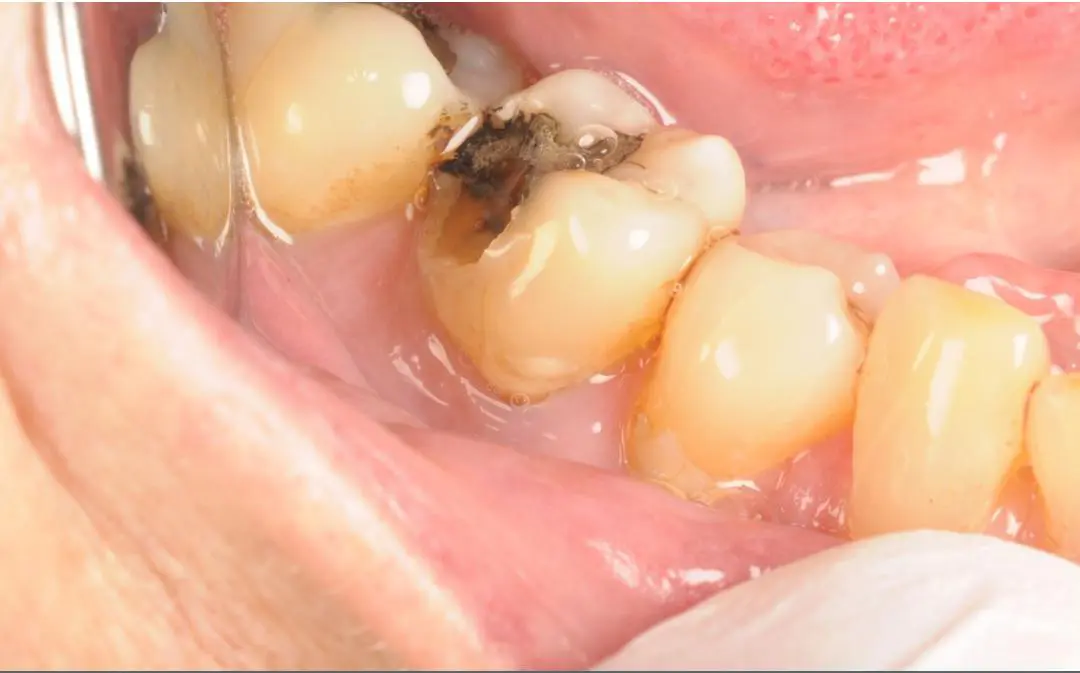
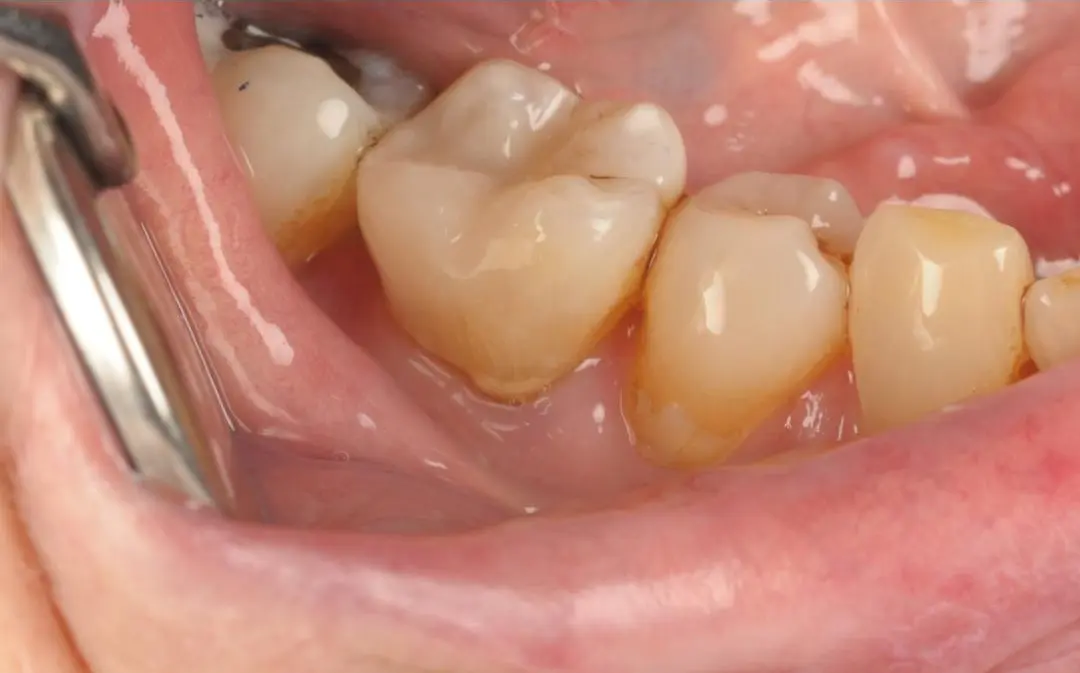
Real Patient Result: Emergency White Filling
Treatment by Dr Kamran
After rinsing, avoid eating or drinking for at least 30 minutes to allow the potential benefits of the salt water to continue working on the affected tissues.
When Professional Dental Assessment May Be Appropriate
Whilst salt water rinses may provide temporary comfort, certain symptoms suggest that professional dental evaluation would be beneficial. Persistent or worsening pain that doesn't respond to gentle home care measures may indicate complications that require clinical assessment and treatment.
Swelling that extends beyond the immediate gum area, particularly if it affects the face, jaw, or neck, warrants prompt dental attention. Similarly, if you experience difficulty opening your mouth, swallowing, or notice signs of infection such as fever, these symptoms suggest the need for professional care.
Changes in bite or jaw alignment, persistent bad taste, or discharge from around the wisdom tooth area are also indicators that clinical evaluation may be helpful. Early assessment can often prevent minor issues from developing into more complex problems.
Maintaining Oral Hygiene During Wisdom Tooth Emergence
Effective oral hygiene becomes particularly important when wisdom teeth are emerging, as these areas can be challenging to clean thoroughly with conventional brushing and flossing techniques. Using a soft-bristled toothbrush can help prevent additional irritation to sensitive gum tissue around emerging wisdom teeth.
Gentle brushing around the affected area, combined with careful flossing where possible, helps remove bacterial accumulation that might contribute to inflammation or infection. Some patients find that angled toothbrushes or specialised oral hygiene tools make it easier to reach wisdom tooth areas effectively.
Regular use of dental hygiene appointments can provide professional cleaning and monitoring during wisdom tooth emergence, helping to maintain optimal oral health during this challenging period. Professional cleaning can reach areas that may be difficult to access at home.
Avoiding particularly hard, sticky, or sugary foods can reduce the risk of food accumulation around emerging wisdom teeth, whilst maintaining adequate hydration supports overall oral health and comfort.
Alternative Comfort Measures and Considerations
Beyond salt water rinses, several other approaches may help manage wisdom tooth discomfort whilst awaiting professional assessment. Cold compresses applied to the outside of the face for 15-20 minutes may help reduce swelling and provide temporary pain relief.
Over-the-counter pain relief medications, used according to package directions, may offer additional comfort. However, it's important to remember that pain serves as an important signal from your body, and masking symptoms shouldn't delay appropriate professional care when needed.
Some patients find that eating softer foods and avoiding extreme temperatures helps reduce irritation around sensitive wisdom tooth areas. Maintaining regular meal times and avoiding prolonged periods without eating can help prevent blood sugar fluctuations that might affect pain perception.
Stress management and adequate rest also play important roles in overall comfort and healing, as stress can sometimes intensify pain perception and affect the body's natural healing processes.
Long-term Considerations for Wisdom Tooth Management
The emergence of wisdom teeth often raises questions about long-term oral health management and whether intervention might be beneficial. Some wisdom teeth emerge successfully and function normally throughout life, whilst others may require professional management due to positioning, crowding, or ongoing problems.
Regular dental monitoring allows for early identification of potential issues and discussion of appropriate management approaches before problems become complex. X-ray examination can reveal the position and development of wisdom teeth even before they become symptomatic.
For patients experiencing recurrent problems with wisdom teeth, oral surgery consultation may help determine whether extraction or other interventions would be beneficial for long-term oral health. Our guide on wisdom tooth pain and when to remove them covers the factors that influence this decision. Early assessment often provides more treatment options and potentially easier procedures.
The decision regarding wisdom tooth management depends on numerous factors including individual anatomy, oral health status, age, and personal preferences, making professional guidance valuable for optimal outcomes.
Key Points to Remember
• Salt water rinses may provide temporary comfort for wisdom tooth pain but don't address underlying causes
• Proper preparation and gentle use maximise potential benefits whilst avoiding tissue irritation
• Persistent or worsening symptoms warrant professional dental assessment
• Maintaining excellent oral hygiene becomes particularly important during wisdom tooth emergence
• Multiple factors influence wisdom tooth management decisions, making professional guidance valuable
• Early dental consultation often provides more treatment options and better long-term outcomes
Frequently Asked Questions
How often can I use salt water rinse for wisdom tooth pain?
Salt water rinses can typically be used 2-3 times daily for wisdom tooth discomfort. Use half a teaspoon of salt in a cup of warm water, swishing gently for 30-60 seconds. Avoid overuse, which might irritate tissues, and discontinue if you experience increased discomfort. This provides gentle cleansing whilst supporting natural healing processes around emerging wisdom teeth.
How long does wisdom tooth pain typically last?
Wisdom tooth pain duration varies significantly depending on the underlying cause and individual factors. Some discomfort during normal emergence may last several days to weeks, whilst impacted or problematic wisdom teeth may cause ongoing issues. Persistent pain lasting more than a few days, or pain that worsens over time, suggests the need for professional dental evaluation to determine appropriate management approaches. If you are wondering whether urgent removal may be necessary, read our article on whether an emergency dentist can pull a wisdom tooth.
Can salt water rinse prevent wisdom tooth infection?
Whilst salt water rinses may help maintain oral cleanliness around wisdom teeth, they cannot prevent infections that develop due to impaction or structural problems. The rinses provide gentle cleansing and may reduce bacterial accumulation, but underlying issues such as food trapping or inadequate cleaning access require professional assessment. Regular dental monitoring remains the most effective approach for preventing wisdom tooth complications.
What temperature should the salt water be for wisdom tooth pain?
The salt water should be comfortably warm rather than hot for wisdom tooth pain relief. Hot water may increase inflammation and discomfort in already sensitive tissues, whilst cold water might cause additional sensitivity. Warm water helps dissolve salt completely and provides gentle comfort without aggravating inflamed gum tissue around emerging or problematic wisdom teeth.
Are there any risks to using salt water rinse for dental pain?
Salt water rinses are generally safe when prepared and used correctly, though excessive concentration or frequency might irritate oral tissues. Using too much salt can cause tissue dehydration, whilst aggressive rinsing might disturb healing areas. Some individuals may experience increased sensitivity or discomfort, indicating the need to reduce concentration or frequency. Always discontinue use if symptoms worsen.
Should I see a dentist if salt water rinse helps my wisdom tooth pain?
Even if salt water rinses provide temporary relief, professional dental assessment remains valuable for wisdom tooth pain. The rinse may address surface symptoms whilst underlying issues such as impaction or infection persist. Early professional evaluation can prevent minor problems from developing into complex conditions requiring more extensive treatment. Pain relief from home remedies shouldn't delay appropriate professional care when indicated.
Conclusion
Salt water rinses may offer gentle, temporary relief for wisdom tooth pain by supporting natural cleansing processes and potentially reducing inflammation around affected areas. However, understanding their limitations is crucial for making informed decisions about oral health care during wisdom tooth emergence.
Whilst this traditional remedy can be a useful comfort measure, it's important to recognise when professional dental assessment might be beneficial for addressing underlying causes of wisdom tooth problems. Early intervention often provides more treatment options and better long-term outcomes for oral health.
Maintaining excellent oral hygiene, using gentle home comfort measures appropriately, and seeking timely professional guidance when symptoms persist creates the best foundation for managing wisdom tooth emergence successfully.
Dental symptoms and treatment options should always be assessed individually during a clinical examination.
Disclaimer
This article is provided for educational and informational purposes only and should not be considered as medical or dental advice. The content presented here does not constitute a substitute for professional dental consultation, examination, diagnosis, or treatment. Individual dental conditions, symptoms, and treatment requirements vary significantly between patients and can only be properly assessed through direct clinical examination by a qualified dental professional.
While every effort has been made to ensure the accuracy of the information presented, dental health circumstances are highly individual, and what may be appropriate for one person may not be suitable for another. The effectiveness and suitability of any treatment approaches, preventive measures, or oral health recommendations mentioned in this article can only be determined through professional dental assessment.
If you are experiencing dental pain, discomfort, or any oral health concerns, it is important to seek appropriate professional dental care for proper evaluation and personalised treatment recommendations. This article should not be used as a basis for self-diagnosis or self-treatment, and readers are encouraged to consult with qualified dental professionals for guidance specific to their individual circumstances.
No guarantees or promises regarding treatment outcomes are made or implied in this content. Dental treatment results depend on numerous individual factors that can only be assessed during clinical examination.
This article has been prepared in accordance with General Dental Council (GDC) standards, Care Quality Commission (CQC) patient safety principles, and Advertising Standards Authority (ASA) CAP Code requirements for healthcare communications.