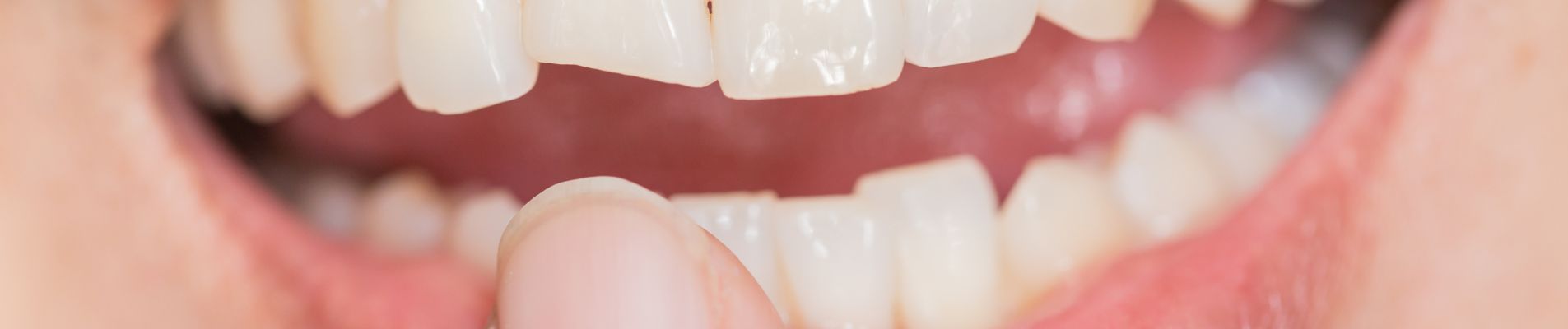
Discovering a small, pimple-like bump on your gum near a tooth can be concerning and uncomfortable. Many patients in London search online for answers when they notice unusual swelling, tenderness, or discharge around their teeth. These symptoms often indicate a dental abscess - a localised infection that may develop around the tooth root or within the surrounding gum tissue.
Understanding the nature of dental abscesses helps patients recognise when professional assessment may be beneficial. A pimple on gum near tooth often represents the body's attempt to drain infection through the softest available tissue. This natural drainage process can provide temporary relief but typically indicates an underlying issue requiring dental evaluation.
Dental abscesses can develop for various reasons, including untreated decay, trauma, or gum disease. The infection may originate deep within the tooth's root system before manifesting as visible gum swelling. Recognising these signs and understanding the underlying processes can help patients make informed decisions about their oral health and seek appropriate care when symptoms persist or worsen.
Experiencing these symptoms?
Delaying treatment can lead to tooth loss. We have slots available today.
What Causes a Pimple-Like Bump on the Gum?
A pimple-like bump on your gum near a tooth often indicates a dental abscess - a localised bacterial infection that creates a drainage point through the gum tissue, allowing infected material to escape naturally.
Understanding Dental Abscesses
Dental abscesses typically develop when bacteria penetrate the tooth's protective layers or accumulate within the gum pockets. The infection can originate from several sources, including deep cavities that reach the tooth's nerve tissue, cracked or damaged teeth that allow bacterial entry, or advanced gum disease that creates deep pockets around the tooth roots.
When infection establishes itself within the tooth's root system or surrounding tissues, the body's immune response creates inflammation and pressure. This infected material seeks the path of least resistance to drain, often creating a small opening through the gum tissue that resembles a pimple or small bump.
Meet Dr. Yasha Shirazi
Principal Dentist at Emergency Dentist London
"We treat hundreds of dental emergencies every month. The sooner you come in, the easier the fix usually is."
Book an appointment with our team →The drainage process can provide temporary symptom relief as pressure decreases, but the underlying infection typically persists without appropriate treatment. Patients may notice the bump appearing and disappearing cyclically as the drainage opening closes and reopens, indicating ongoing infection activity beneath the surface. Understanding the differences between types of abscesses can help — read our guide on gum abscess vs tooth abscess for a detailed comparison.
The Infection Process: What Happens Beneath the Surface
Understanding how dental infections develop helps explain why drainage points appear on the gum tissue. The tooth's internal structure includes soft tissue called the pulp, which contains nerves, blood vessels, and connective tissue. When bacteria reach this area through decay or trauma, they can multiply rapidly in the warm, nutrient-rich environment.
As the infection progresses, bacterial toxins and immune system responses create pressure within the confined space of the tooth root. The infected material, consisting of bacteria, white blood cells, and tissue debris, needs somewhere to escape. The infection may track through the tooth's root tip into the surrounding bone and soft tissue.
The body naturally attempts to contain and drain the infection, creating an abscess - a localised collection of infected material. When this abscess reaches the gum surface, it creates a drainage point that may appear as a small, soft bump. Patients might notice a metallic taste, slight discharge, or temporary relief of pressure when the abscess drains naturally.
Recognising Signs and Symptoms
Dental abscesses can present various symptoms beyond the visible gum bump. Patients may experience localised discomfort or sensitivity around the affected tooth, particularly when biting or applying pressure. The gum tissue surrounding the drainage point often appears red, swollen, or tender to touch.
Temperature sensitivity frequently accompanies dental infections, with the affected tooth responding uncomfortably to hot or cold beverages. Some patients notice intermittent throbbing or aching that may worsen when lying down, as increased blood flow to the head can intensify pressure within the infected area.
The drainage itself may appear as a small amount of clear, yellow, or slightly cloudy fluid. Patients sometimes report a persistent unpleasant taste or mild oral odour associated with the drainage. These symptoms can fluctuate in intensity as the infection level and drainage patterns change over time.
When Professional Dental Assessment May Be Helpful
Several situations suggest that professional dental evaluation could be beneficial for addressing the underlying causes of gum drainage. Persistent or recurring drainage points often indicate ongoing infection that may require specific treatment approaches to resolve completely. The presence of significant discomfort, swelling that extends beyond the immediate area, or symptoms that interfere with normal eating and drinking activities may warrant prompt assessment.
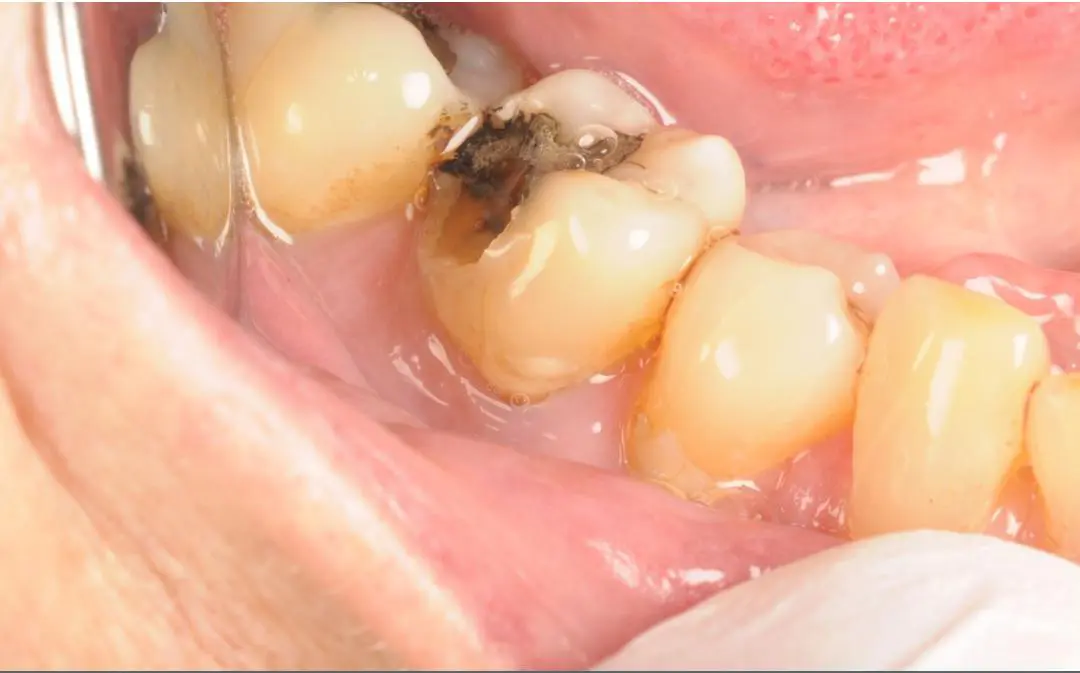
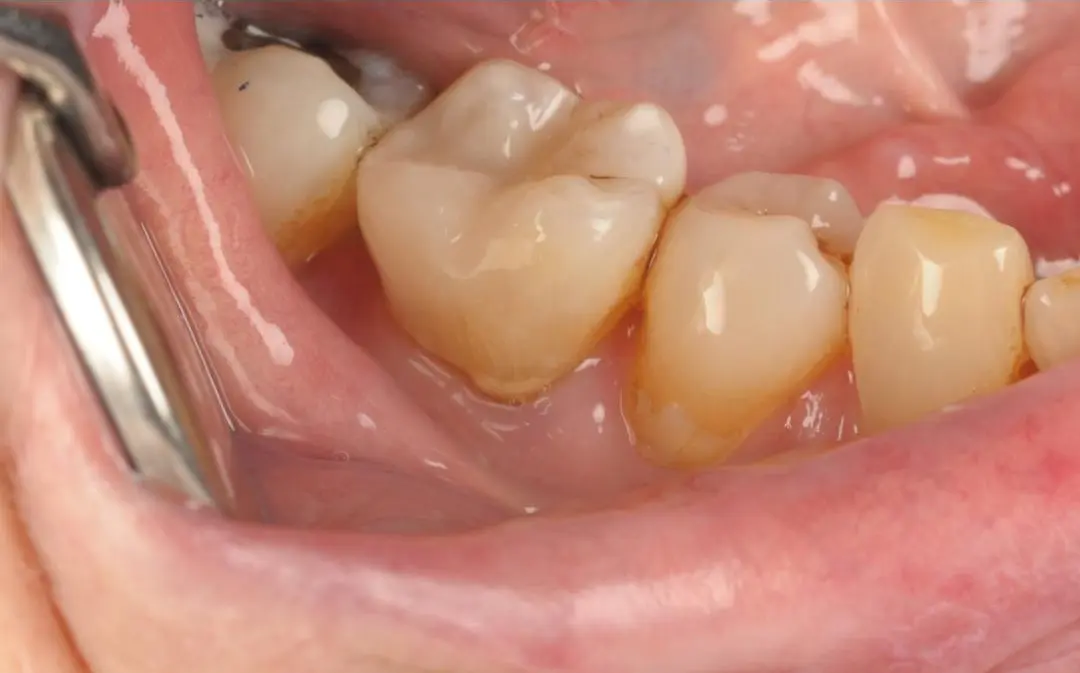
Real Patient Result: Emergency White Filling
Treatment by Dr Kamran
Temperature sensitivity, particularly to hot substances, can indicate nerve involvement that may benefit from early intervention. Patients experiencing facial swelling, fever, or general malaise alongside local symptoms should seek urgent evaluation, as these signs may suggest spreading infection. Delaying care in these situations carries real risks — our article on the dangers of ignoring a dental abscess outlines the potential consequences.
Changes in bite comfort, increased tooth mobility, or difficulty with normal oral function may indicate that the infection is affecting supporting structures. Professional assessment can help determine appropriate treatment approaches based on individual circumstances and symptom patterns.
Treatment Approaches and Management Options
Dental professionals have various treatment options available for addressing abscesses and root infections, depending on the specific circumstances and extent of the condition. Root canal treatment may be recommended when the tooth's internal structure is affected but the tooth remains structurally sound and worth preserving.
In cases where infection has progressed extensively, extraction followed by appropriate replacement options might be discussed. Some situations may benefit from drainage procedures or antibiotic therapy as part of a comprehensive treatment approach. The specific treatment recommendation depends on factors such as the infection's extent, the tooth's overall condition, and individual patient circumstances.
Modern dental techniques often allow for comfortable treatment experiences, with various anaesthetic options available to ensure patient comfort throughout procedures. Treatment planning typically considers both immediate symptom relief and long-term oral health maintenance.
Prevention Strategies for Optimal Oral Health
Maintaining good oral hygiene practices can help reduce the risk of developing dental infections and abscesses. Regular brushing with fluoride toothpaste helps remove bacterial plaque that can contribute to decay and gum disease. Daily flossing or interdental cleaning removes debris and bacteria from areas where toothbrush bristles cannot reach effectively.
Routine dental check-ups allow for early detection and management of potential problems before they progress to infection stages. Professional cleanings remove hardened plaque deposits that home care cannot eliminate completely. Emergency dental care services are available when urgent situations arise outside regular appointment hours.
Lifestyle factors such as limiting sugary or acidic foods and beverages can help maintain a healthier oral environment. Using protective mouthguards during sports activities helps prevent trauma that could lead to tooth damage and subsequent infection. Avoiding habits like ice chewing or using teeth as tools helps preserve tooth structure integrity.
Key Points to Remember
• A pimple-like bump on the gum often indicates a dental abscess requiring professional evaluation
• Drainage provides temporary relief but typically signals ongoing infection beneath the surface
• Root infections can develop from decay, trauma, or advanced gum disease affecting tooth structures
• Professional assessment helps determine appropriate treatment approaches based on individual circumstances
• Early intervention often provides more conservative treatment options and better long-term outcomes
• Regular preventive care and good oral hygiene significantly reduce infection risk
Frequently Asked Questions
Can I drain a gum abscess myself at home?
Attempting to drain a gum abscess yourself is not recommended and may worsen the infection or cause additional complications. The visible drainage point represents only a small portion of the underlying infection, which typically requires professional treatment to resolve completely. Home drainage attempts can introduce additional bacteria, damage surrounding tissue, or drive infection deeper into the tissues. For more on why this approach is risky, see our article on can you burst a tooth abscess.
How long does it take for a dental abscess to heal?
The healing timeline for dental abscesses varies significantly depending on the infection's extent, the treatment approach used, and individual healing factors. With appropriate professional treatment, symptoms often begin improving within a few days, though complete healing may take several weeks. Untreated abscesses typically do not resolve independently and may continue indefinitely with fluctuating symptoms.
Will antibiotics alone cure a dental abscess?
Antibiotics can help manage the bacterial infection component but typically cannot address the underlying cause, such as infected tooth pulp or deep decay. The medication may provide temporary symptom relief and help control infection spread, but definitive treatment usually requires removing the infection source through procedures like root canal treatment or extraction.
Is it normal for dental abscesses to come and go?
Fluctuating symptoms are common with dental abscesses as drainage patterns change and infection levels vary. The abscess may seem to disappear when draining effectively, only to return when the drainage pathway closes. This cyclical pattern indicates ongoing infection that typically requires professional treatment to resolve permanently.
Can stress cause dental abscesses?
While stress doesn't directly cause dental abscesses, it can weaken the immune system's ability to fight bacterial infections and may contribute to habits like teeth grinding that can damage tooth structure. Stress can also affect oral hygiene consistency and dietary choices, potentially increasing infection risk. However, the primary causes remain bacterial infection from decay, trauma, or gum disease.
Should I be concerned if the drainage stops?
When drainage from a dental abscess stops, it doesn't necessarily mean the infection has resolved. The drainage point may have closed while infection continues beneath the surface, potentially building pressure again. Monitoring symptoms and seeking professional evaluation helps ensure appropriate treatment and prevents potential complications from untreated infection.
Conclusion
Understanding dental abscesses and gum drainage helps patients recognise when professional evaluation may be beneficial for their oral health. A pimple on gum near tooth often represents the body's natural attempt to drain infection, but typically indicates underlying issues requiring specific treatment approaches. The infection process involves complex interactions between bacteria, tooth structures, and immune responses that can affect both immediate comfort and long-term oral health.
Recognising symptoms such as persistent drainage, temperature sensitivity, or localised discomfort enables patients to make informed decisions about seeking professional assessment. Modern dental treatments offer various approaches for managing dental infections, with treatment selection based on individual circumstances and symptom patterns.
Preventive care through good oral hygiene, regular dental visits, and protective measures significantly reduces the risk of developing dental infections and abscesses. Early professional intervention often provides more conservative treatment options and better outcomes for maintaining long-term oral health.
Dental symptoms and treatment options should always be assessed individually during a clinical examination.
Important Medical Disclaimer
This article is provided for educational and informational purposes only and should not be considered as medical or dental advice. The information presented here is not intended to diagnose, treat, prevent, or cure any dental condition or replace professional dental consultation. Individual oral health circumstances vary significantly, and symptoms may indicate various underlying conditions that require professional assessment.
Dental abscesses, infections, and related symptoms require proper clinical evaluation to determine appropriate treatment approaches. The content in this article does not guarantee specific outcomes, nor does it constitute a recommendation for any particular treatment approach. Patients experiencing dental symptoms, pain, swelling, or other oral health concerns should seek timely professional dental examination for accurate diagnosis and appropriate care recommendations.
Treatment suitability, success rates, and outcomes depend on numerous individual factors including overall health, specific clinical circumstances, and proper professional assessment. This information should not delay or replace seeking professional dental advice when symptoms are present.
This article has been prepared in accordance with General Dental Council (GDC) standards, Care Quality Commission (CQC) patient safety principles, and Advertising Standards Authority (ASA) CAP Code requirements for healthcare communications.