
When your child loses a filling from their baby tooth, it can understandably cause concern for parents. Many families find themselves searching for immediate guidance on whether this constitutes an emergency and what steps to take next. Lost fillings in primary teeth are actually quite common occurrences that can happen for various reasons, from normal wear and tear to sticky foods dislodging the restoration.
Understanding how to manage lost fillings in baby teeth is important because primary teeth play crucial roles in your child's development, including maintaining space for permanent teeth, supporting proper speech development, and enabling comfortable eating. While baby teeth are temporary, they still require appropriate care to prevent complications such as pain, infection, or damage to developing permanent teeth beneath the gum line.
This article will explain the common causes of lost fillings in primary teeth, when professional dental assessment may be beneficial, and practical steps you can take to support your child's comfort while seeking appropriate care.
Experiencing these symptoms?
Delaying treatment can lead to tooth loss. We have slots available today.
What Should I Do If My Child's Baby Tooth Filling Falls Out?
If your child loses a filling from a baby tooth, gently clean the area with warm water and contact your dental practice for guidance. Most lost fillings in primary teeth can be managed non-urgently unless your child experiences significant pain or swelling.
Common Causes of Lost Fillings in Primary Teeth
Several factors can contribute to fillings becoming dislodged from baby teeth. Understanding these causes can help parents recognise why the restoration may have failed and potentially prevent future occurrences.
Primary teeth have thinner enamel compared to permanent teeth, which can make fillings more challenging to retain long-term. The smaller size of baby teeth also means there may be limited tooth structure available to support larger restorations. Additionally, children's eating habits often include sticky or hard foods that can place additional stress on dental work.
Meet Dr. Yasha Shirazi
Principal Dentist at Emergency Dentist London
"We treat hundreds of dental emergencies every month. The sooner you come in, the easier the fix usually is."
Book an appointment with our team →Normal wear and tear from chewing can gradually weaken the bond between the filling material and the tooth structure. Baby teeth also naturally become looser as they prepare to fall out, which can sometimes affect the stability of any restorations they contain.
Age-related changes in primary teeth, including the natural resorption process that occurs as permanent teeth develop, can also influence how well fillings remain in place during the final months or years before the tooth naturally falls out.
Understanding Primary Tooth Structure and Filling Retention
The anatomy of baby teeth differs significantly from permanent teeth in ways that affect how dental restorations perform. Primary teeth have proportionally larger pulp chambers and thinner layers of enamel and dentine, which can influence both the placement and longevity of fillings.
The enamel on baby teeth is approximately half the thickness of permanent tooth enamel, providing less surface area for bonding materials to adhere to. This structural difference means that fillings in primary teeth may be more susceptible to dislodgement, particularly in teeth that experience heavy chewing forces.
Primary teeth also undergo natural physiological changes as permanent teeth develop beneath them. The roots of baby teeth gradually dissolve through a process called resorption, which is part of the normal tooth replacement cycle. As this process occurs, it can sometimes affect the stability of restorations in the crown portion of the tooth.
The shorter lifespan of primary teeth compared to permanent teeth means that the longevity requirements for fillings are different. A restoration in a baby tooth may only need to function effectively for a few years rather than decades.
Treatment Approaches for Lost Fillings in Baby Teeth
The management of a lost filling in a primary tooth depends on several factors, including the child's age, the condition of the remaining tooth structure, and how long the baby tooth is expected to remain in place before natural exfoliation.
For baby teeth that are expected to fall out within six to twelve months, dentists may recommend monitoring the tooth rather than replacing the filling, provided the child is comfortable and there are no signs of infection or significant structural damage.
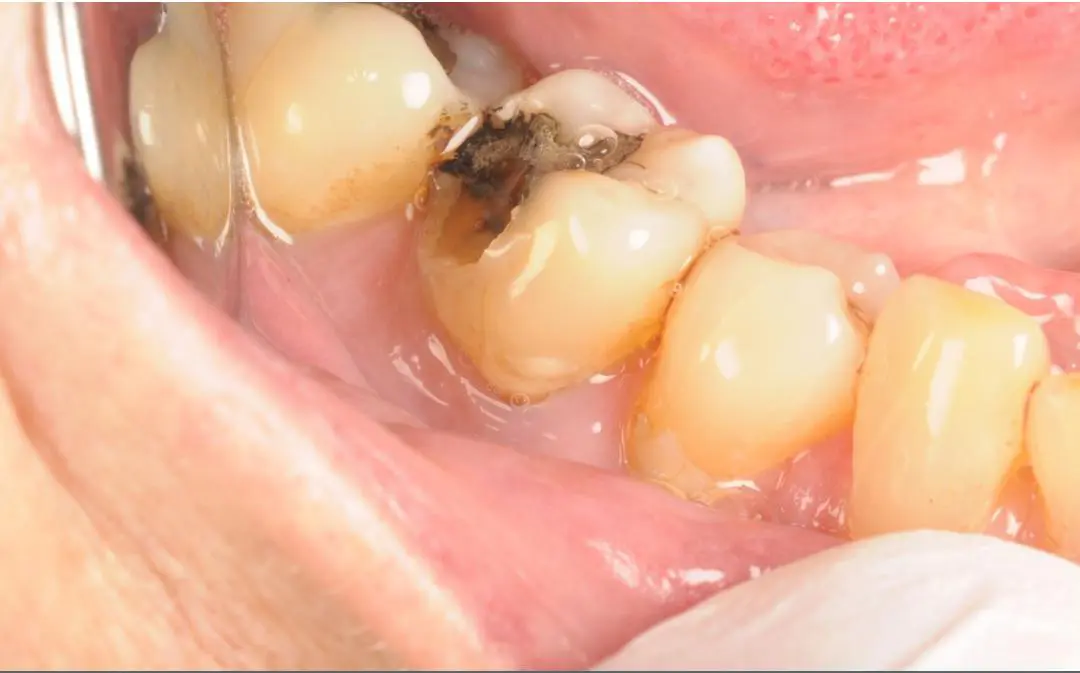
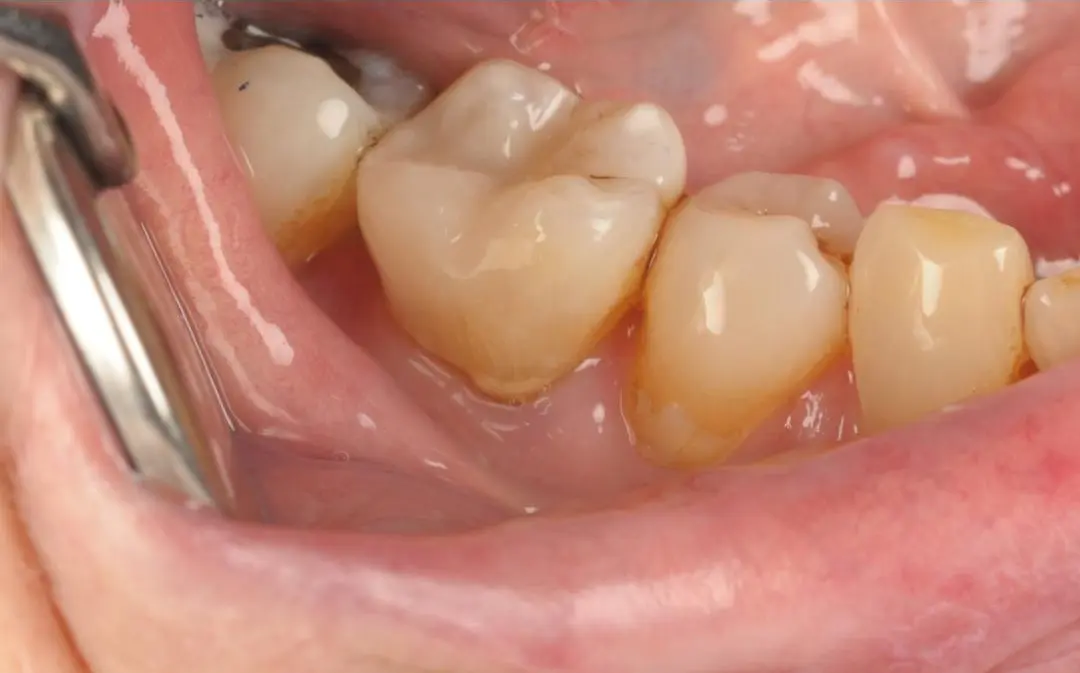
Real Patient Result: Emergency White Filling
Treatment by Dr Kamran
When replacement is appropriate, dentists have several restoration options available. The choice of material and technique often depends on the size of the cavity, the location of the tooth, and the child's ability to cooperate during treatment procedures.
In some cases where extensive damage is present, alternative treatments such as stainless steel crowns may be recommended to provide better long-term protection for the remaining tooth structure. These prefabricated crowns can offer superior durability compared to traditional fillings in heavily restored primary teeth.
The timing of treatment may also be influenced by factors such as the child's overall oral health, their cooperation level, and any upcoming natural tooth loss that is anticipated.
When Professional Dental Assessment May Be Needed
While not all lost fillings in baby teeth require immediate attention, certain symptoms and situations warrant prompt dental evaluation to prevent complications and ensure your child's comfort.
Pain or sensitivity in the affected tooth may indicate that the underlying tooth structure has become irritated or that bacteria have entered the exposed cavity. Children may describe this as sharp pain when eating or drinking, or as a constant aching sensation.
Visible signs of infection, such as swelling in the gums around the affected tooth, unusual drainage, or persistent bad taste, should be evaluated promptly. These symptoms could suggest that bacteria have reached the pulp tissue inside the tooth.
Sharp or jagged edges on the tooth following filling loss can cause irritation to your child's tongue or cheeks. Even if the child doesn't report discomfort initially, these rough surfaces can lead to soft tissue injuries during eating or speaking.
Prevention Strategies for Maintaining Primary Teeth Fillings
Helping your child develop good oral hygiene habits and making informed dietary choices can support the longevity of dental restorations in baby teeth and promote overall oral health.
Encouraging regular tooth brushing with fluoride toothpaste appropriate for your child's age can help maintain the health of both natural tooth structure and existing fillings. Supervised brushing ensures that children clean effectively around restored teeth without applying excessive pressure that might dislodge restorations.
Dietary modifications can reduce stress on dental work. Limiting sticky foods such as caramels, toffees, and gummy sweets can decrease the risk of fillings being pulled out during eating. Similarly, avoiding very hard foods like ice cubes or hard sweets can prevent sudden forces that might crack or dislodge restorations.
Regular dental check-ups allow for monitoring of existing fillings and early detection of any issues before they progress to complete restoration failure. During these visits, dentists can assess the condition of all dental work and provide preventive care recommendations.
Teaching children to avoid using their teeth as tools for opening packages or biting non-food objects helps protect both natural teeth and any restorations they contain.
Managing Your Child's Comfort at Home
If your child loses a filling and experiences discomfort while waiting for dental assessment, several gentle home care measures can help maintain their comfort and oral hygiene.
Encourage your child to rinse gently with plain warm water to keep the area clean without applying pressure to the exposed tooth structure. This can help remove food particles and bacteria without causing additional irritation.
Offering soft foods that require minimal chewing can reduce discomfort and prevent further damage to the affected tooth. Foods such as yoghurt, soup, mashed vegetables, and scrambled eggs are often well-tolerated.
If your child experiences sensitivity, having them avoid very hot or cold foods and drinks can help minimise discomfort. Room temperature or lukewarm options are often more comfortable for sensitive teeth.
Over-the-counter children's pain relief medication, used according to package directions and age-appropriate dosing, may help manage any discomfort. However, this should not delay seeking professional dental guidance if symptoms persist or worsen.
Key Points to Remember
• Lost fillings in baby teeth are common and often manageable with appropriate professional guidance
• The unique structure of primary teeth affects how well fillings can be retained compared to permanent teeth
• Treatment decisions should consider the expected lifespan of the baby tooth and the child's overall oral health
• Prevention strategies including good oral hygiene and dietary awareness can help protect existing dental work
• Professional assessment is recommended for persistent pain, swelling, or signs of infection
• Home comfort measures can help manage symptoms while arranging appropriate dental care
Frequently Asked Questions
Is a lost filling in a baby tooth a dental emergency?
Most lost fillings in primary teeth are not considered urgent emergencies unless accompanied by severe pain, swelling, or signs of infection. However, contacting your dental practice for guidance is recommended to determine the appropriate timing for assessment and any necessary treatment.
Will my child need the filling replaced if it falls out of a baby tooth?
The need for filling replacement depends on factors including your child's age, when the tooth is expected to naturally fall out, and the condition of the remaining tooth structure. Teeth that will exfoliate within six to twelve months may not require restoration if they remain comfortable and free from infection.
Can a lost filling affect the permanent tooth developing underneath?
While baby teeth and permanent teeth are separate structures, untreated problems in primary teeth can occasionally affect the developing permanent teeth beneath. This is why professional assessment is recommended even for baby teeth that will eventually fall out naturally.
What should I do if my child swallows the filling material?
Small amounts of dental filling material are generally not harmful if swallowed, as they are designed to be biocompatible. However, if you have concerns about your child swallowing dental work, contact your dental practice or healthcare provider for specific guidance.
How can I tell if the exposed tooth is infected after losing a filling?
Signs that may suggest infection include persistent pain, swelling in the gums around the tooth, unusual drainage, fever, or a persistent bad taste. These symptoms warrant prompt dental evaluation to assess the condition and determine appropriate treatment.
Are some children more prone to losing fillings than others?
Factors such as diet, oral hygiene habits, teeth grinding, and the overall health of the tooth structure can influence filling longevity. Children who frequently consume sticky foods or have habits like teeth grinding may experience more frequent restoration failures. Your dental team can provide advice based on your child's individual circumstances.
Conclusion
Managing lost fillings in primary teeth requires a balanced approach that considers your child's comfort, the expected lifespan of the affected tooth, and the prevention of complications. While baby teeth are temporary, they serve important functions in your child's development and deserve appropriate care when problems arise.
Understanding when professional assessment may be beneficial and how to support your child's comfort at home can help you navigate these situations with confidence. Remember that treatment approaches for primary teeth often differ from those used for permanent teeth, and your dental team will consider multiple factors when recommending the most suitable management approach.
Maintaining good oral hygiene practices and regular dental check-ups remain the foundation of preventing problems with both natural teeth and dental restorations. By working with your dental team and following their guidance, you can help ensure your child's oral health remains on track throughout their development.
Dental symptoms and treatment options should always be assessed individually during a clinical examination.
Disclaimer
This article is for general educational purposes only and does not constitute dental advice, diagnosis, or treatment. Every patient is different, so symptoms and treatment options should always be assessed by a qualified dental professional during a clinical examination. No specific outcomes are guaranteed.