
Many people are surprised to discover that a toothache can feel remarkably similar to an earache. If you have been experiencing pain shooting to the ear from lower molars, you are not alone — this is one of the more commonly reported dental symptoms that prompts urgent online searches, particularly among adults in London looking for answers before booking an appointment.
The connection between lower molar pain and ear discomfort is rooted in the anatomy of the jaw, teeth, and surrounding nerves. Because several key nerve pathways run through the lower jaw and converge near the ear, pain originating in the teeth can radiate upward, causing an aching or shooting sensation that feels very much like an ear problem.
This article aims to explain the most common dental causes behind this symptom, describe the clinical processes involved, outline when professional dental advice may be appropriate, and offer practical guidance on looking after your oral health. Understanding what may be causing this type of referred pain is an important first step toward seeking the right care.
Experiencing these symptoms?
Delaying treatment can lead to tooth loss. We have slots available today.
Featured Snippet: Why Does Pain Shoot to the Ear from Lower Molars?
Pain shooting to the ear from lower molars is typically caused by referred pain along the trigeminal nerve, which serves both the lower jaw and areas near the ear. Common dental causes include tooth infection, impacted wisdom teeth, cracked teeth, and temporomandibular joint (TMJ) issues. A clinical dental examination is necessary to identify the precise cause.
The Nerve Connection: Why Lower Molar Pain Can Feel Like Ear Pain
To understand this symptom, it helps to know a little about dental anatomy. The trigeminal nerve is the primary nerve responsible for sensation across the face, jaw, teeth, and gums. One of its main branches — the inferior alveolar nerve — runs directly through the lower jaw, supplying sensation to the lower molars, surrounding gum tissue, and areas in close proximity to the ear canal.
When a lower molar becomes inflamed, infected, or structurally compromised, the pain signals it generates can travel along this shared nerve pathway. The brain sometimes struggles to pinpoint exactly where the pain originates, leading to what clinicians refer to as referred pain. This means you may feel significant discomfort in the ear even though the actual source of the problem lies within a tooth or the surrounding jaw structures.
Meet Dr. Yasha Shirazi
Principal Dentist at Emergency Dentist London
"We treat hundreds of dental emergencies every month. The sooner you come in, the easier the fix usually is."
Book an appointment with our team →This phenomenon is well-documented in dental literature and is one reason why patients sometimes visit their GP or ear specialist before discovering the true cause is dental in origin.
Common Dental Causes of Pain Shooting to the Ear
Several distinct dental conditions can produce this type of radiating discomfort. Understanding each one may help you better describe your symptoms to a dental professional.
1. Dental Abscess or Tooth Infection
A dental abscess is a pocket of bacterial infection that can develop at the root of a lower molar. As pressure builds within the infected tissue, the resulting pain can be intense and may radiate along the jaw and toward the ear. Additional signs may include swelling around the gum or face, a persistent dull ache, sensitivity to temperature, and an unpleasant taste in the mouth.
If you suspect a dental abscess, it is advisable to seek professional dental care promptly, as untreated infections can progress. For urgent dental concerns, the team at Emergency Dentist in London is available to provide timely assessments.
2. Impacted or Erupting Wisdom Teeth
The lower third molars — commonly known as wisdom teeth — are a frequent cause of radiating jaw and ear pain, particularly in adults between the ages of 17 and 30. When a wisdom tooth does not have sufficient space to erupt correctly, it may become impacted, pressing against neighbouring teeth and surrounding tissue.
This creates localised inflammation that can generate persistent aching sensations spreading toward the ear, throat, and even the temple. Swelling, difficulty opening the mouth, and mild fever can sometimes accompany this type of pain.
3. Cracked or Fractured Molar
A cracked tooth can produce sharp, inconsistent pain that is often difficult to pinpoint. When biting down on certain foods, the crack may flex slightly, irritating the dental pulp — the soft inner tissue containing nerves and blood vessels. Over time, this irritation can produce referred pain along the jaw and toward the ear.
Cracked teeth are not always visible to the naked eye and require a thorough dental examination and sometimes specialist imaging for accurate diagnosis.
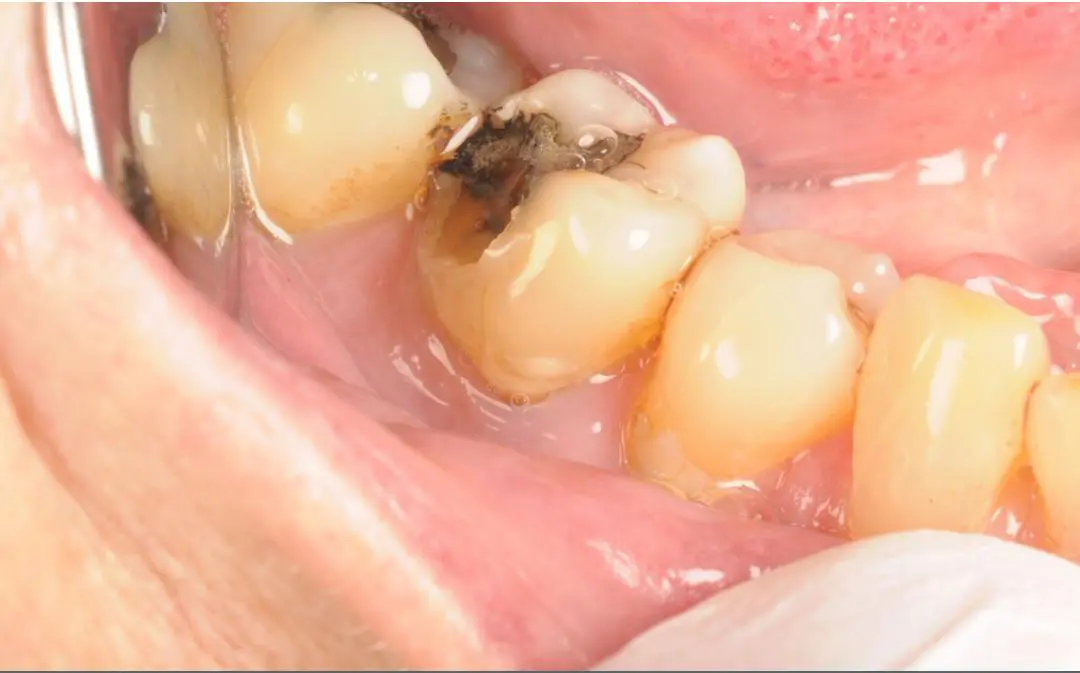
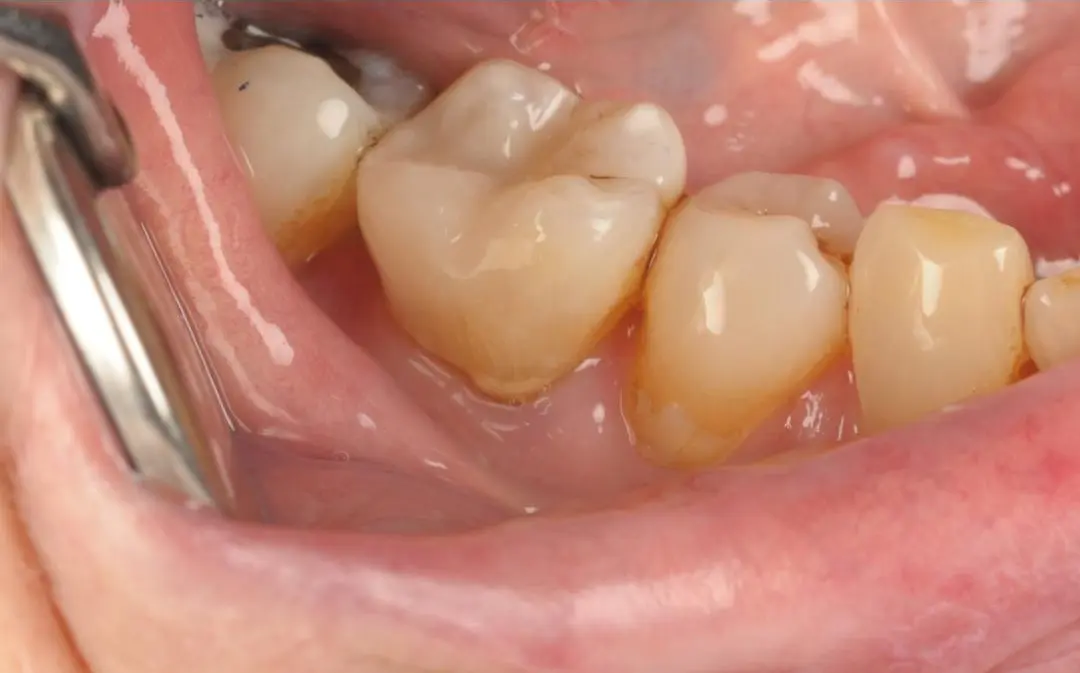
Real Patient Result: Emergency White Filling
Treatment by Dr Kamran
4. Temporomandibular Joint (TMJ) Dysfunction
The temporomandibular joint connects the lower jaw to the skull and sits just in front of the ear canal. Problems affecting this joint — collectively referred to as TMJ dysfunction or TMD — can produce pain that is easily confused with both dental and ear-related issues. Symptoms may include jaw clicking, stiffness when opening the mouth, headaches, and a dull ache near the ear.
TMJ dysfunction can be triggered or worsened by teeth grinding (bruxism), stress, misaligned teeth, or existing dental problems with the lower molars.
Signs and Symptoms Worth Noting
Patients reporting pain shooting to the ear from lower molars often describe a combination of the following:
- A persistent dull or throbbing ache in the lower jaw
- Sharp or shooting pain when biting or chewing
- Sensitivity to hot or cold food and drink
- Swelling along the gumline or in the cheek
- A feeling of fullness or pressure near the ear
- Difficulty opening or closing the jaw fully
- Occasional headaches or discomfort along the temple
It is worth noting that ear pain of dental origin is typically not accompanied by the hearing changes, discharge, or fever patterns associated with an ear infection. However, only a qualified professional can confirm the cause after assessment.
When Professional Dental Assessment May Be Appropriate
While mild, transient tooth sensitivity is common and may resolve on its own, certain symptoms suggest that a professional dental evaluation would be beneficial:
- Persistent pain lasting more than two or three days
- Swelling in the face, gum, or jaw area
- Pain that wakes you at night or affects daily activities
- Difficulty swallowing or opening the mouth
- Visible damage to a tooth such as chips or cracks
- Fever or general malaise alongside dental pain
None of these symptoms should cause undue alarm, but they do indicate that an examination is likely to be helpful. Early assessment may support access to a wider range of treatment options, depending on individual clinical circumstances.
If you are experiencing acute symptoms, same-day emergency dental appointments may be available to help address urgent concerns.
Prevention and Oral Health Advice
While not all dental conditions can be prevented, maintaining consistent oral hygiene habits significantly reduces the risk of infections, decay, and structural tooth damage that can lead to this type of pain.
Practical steps include:
- Brushing twice daily with fluoride toothpaste, paying particular attention to the lower back teeth
- Flossing or using interdental brushes daily to clean between molars where bacteria accumulate
- Attending routine dental check-ups at least once every six to twelve months, depending on your dentist's recommendation
- Wearing a custom nightguard if you are prone to teeth grinding, to protect lower molars from excessive pressure
- Avoiding very hard foods that may crack or fracture back teeth
- Reporting any early sensitivity to your dentist before symptoms progress
Preventative care is generally considered to carry lower clinical complexity and cost burden than treating advanced dental problems, though individual circumstances will vary.
Key Points to Remember
- Pain shooting to the ear from lower molars is often caused by referred pain travelling along the trigeminal nerve
- The most common dental causes include tooth abscess, impacted wisdom teeth, cracked molars, and TMJ dysfunction
- These conditions share nerve pathways with the ear region, making it difficult to distinguish dental pain from ear pain without examination
- Persistent, worsening, or swelling-related symptoms should prompt a professional dental consultation
- Routine oral hygiene and regular check-ups are the most effective ways to reduce risk
- Treatment suitability and options depend on individual clinical assessment — no two cases are identical
Frequently Asked Questions
Can a tooth problem really cause ear pain?
Yes, this is a well-recognised dental phenomenon. The trigeminal nerve, which supplies sensation to the lower jaw and teeth, shares pathways near the ear region. When a lower molar becomes inflamed or infected, pain signals can radiate toward the ear, causing what is known as referred pain. Many patients are surprised to learn that ear discomfort has a dental origin, which is why a thorough dental examination is often a recommended starting point when ear pain has no obvious ENT cause.
How do I know if my ear pain is dental or medical in origin?
Dental-related ear pain is typically accompanied by jaw discomfort, tooth sensitivity, or pain when chewing. It is usually not associated with hearing loss, ear discharge, or significant fever, which are more characteristic of ear infections. However, distinguishing between the two reliably requires a clinical examination. If you have ruled out an ear problem with your GP or specialist, visiting a dentist to assess your lower molars would be a sensible next step.
Is pain from an impacted wisdom tooth an emergency?
Pain from an impacted wisdom tooth can range from mild and manageable to severe and disruptive. While not every case constitutes a dental emergency, significant swelling, difficulty swallowing, restricted mouth opening, or worsening pain may warrant prompt dental attention. It is always advisable to seek professional assessment when symptoms are progressing, particularly if they begin to affect eating, sleeping, or daily functioning.
What is TMJ dysfunction and can it cause shooting ear pain?
Temporomandibular joint (TMJ) dysfunction refers to a range of conditions affecting the joint connecting your lower jaw to your skull. Because this joint sits directly in front of the ear canal, problems here can produce pain that feels ear-related. Symptoms often include jaw clicking, stiffness, facial aching, and shooting discomfort near the ear. TMJ dysfunction has several potential causes and management approaches, all of which require clinical evaluation to determine the most appropriate course of action.
Can teeth grinding cause pain that shoots to the ear?
Yes, bruxism — the habitual grinding or clenching of teeth, often during sleep — places excessive pressure on the lower molars and the temporomandibular joint. Over time, this can lead to tooth sensitivity, structural damage, and jaw muscle tension that radiates toward the ear. Many people are unaware they grind their teeth until a dentist identifies the signs during a routine examination. A custom-fitted nightguard may be recommended to protect the teeth and reduce associated discomfort.
Will the pain go away on its own?
Some mild dental discomfort does resolve without intervention, particularly if it is associated with minor gum irritation or temporary sensitivity. However, pain caused by an infection, a cracked tooth, or structural issues is unlikely to resolve without treatment and may worsen over time. It is generally advisable to have persistent or recurring pain assessed by a dental professional rather than waiting to see if it subsides, as early assessment may support access to a wider range of treatment options depending on individual clinical circumstances.
Conclusion
Pain shooting to the ear from lower molars is a symptom that understandably causes concern, but it has well-understood dental explanations rooted in the anatomy of the jaw and its nerve pathways. Whether the underlying cause is a tooth infection, an impacted wisdom tooth, a cracked molar, or TMJ dysfunction, the important thing to recognise is that these conditions are assessable and, in most cases, manageable with appropriate dental care.
Understanding the potential dental origins of ear-adjacent pain can help you make informed decisions about seeking care and describing your symptoms clearly to a professional. Good oral hygiene, regular dental check-ups, and prompt attention to changing symptoms remain the most reliable tools for protecting your dental health.
If you are currently experiencing this type of pain, we encourage you to contact a dental professional for personalised advice. Dental symptoms and treatment options should always be assessed individually during a clinical examination.
Disclaimer: This article is intended for general educational purposes only and does not constitute personalised dental advice. Individual diagnosis and treatment recommendations require a clinical examination by a qualified dental professional.
Next Review Due: 20 November 2027