
Many patients find themselves searching online after a root canal, wondering why their tooth still feels tender and what they should — or shouldn't — be eating. It is completely understandable. Root canal treatment is one of the most commonly performed dental procedures in the UK, yet the recovery period is often less well understood than the procedure itself.
Post-treatment sensitivity after a root canal is a normal part of the healing process for many patients. The area surrounding the treated tooth has experienced clinical intervention, and the surrounding tissues may need time to settle. What you eat and drink during this period can play a meaningful role in managing discomfort and supporting recovery.
This article explores the relationship between nutrition, dietary choices, and post-root canal sensitivity. It explains what to expect after treatment, which foods may help or hinder recovery, and when it may be appropriate to seek further professional dental guidance. If you are currently experiencing discomfort following dental treatment, understanding the role of nutrition can help you make confident, informed decisions during your recovery.
Experiencing these symptoms?
Delaying treatment can lead to tooth loss. We have slots available today.
What Should You Eat After a Root Canal to Manage Sensitivity?
Managing post-root canal sensitivity through nutrition involves choosing soft, lukewarm foods that minimise pressure and temperature extremes on the treated tooth. Avoid hard, crunchy, very hot, or very cold foods in the days following treatment. Prioritising nutrient-rich, easy-to-chew options supports tissue healing and helps reduce discomfort during recovery.
Understanding Post-Root Canal Sensitivity: What Is Normal?
After a root canal procedure, it is common for patients to experience some degree of sensitivity or mild discomfort in the treated area. This typically occurs because the procedure involves working within the root canals of the tooth, which sit close to the surrounding periodontal ligament — the tissue that anchors the tooth to the jawbone.
Even when the procedure itself has been clinically successful, the surrounding tissue may remain inflamed for a short period as part of the body's natural healing response. This can make the tooth feel tender when biting down or when exposed to temperature changes.
Meet Dr. Yasha Shirazi
Principal Dentist at Emergency Dentist London
"We treat hundreds of dental emergencies every month. The sooner you come in, the easier the fix usually is."
Book an appointment with our team →For most patients, this sensitivity is temporary and gradually reduces over a few days to a couple of weeks. However, the intensity and duration can vary depending on individual factors, including the complexity of the original infection, the number of root canals treated, and the patient's overall health.
It is important to distinguish between expected post-treatment sensitivity and symptoms that may warrant further dental assessment. Normal sensitivity tends to be mild and improve progressively. Symptoms that are worsening, persistent beyond a few weeks, or accompanied by swelling or discharge are worth discussing with your dentist.
Understanding what is happening inside the tooth can help patients feel more confident during recovery and make better-informed decisions about what to eat and drink.
The Dental Science Behind Root Canal Treatment and Tissue Recovery
To understand why nutrition matters after a root canal, it helps to understand a little of the dental science involved.
A root canal procedure is carried out to remove infected or damaged pulp tissue from inside the tooth. The pulp is the soft tissue at the centre of the tooth that contains nerves and blood vessels. When this tissue becomes infected — usually as a result of deep decay, a crack, or trauma — bacteria can spread into the root canals and cause significant pain and potential complications.
During treatment, the dentist carefully removes the affected pulp, cleans and shapes the root canal system, and seals the tooth with a filling material to prevent reinfection. In most cases, the tooth is later restored with a crown to protect the remaining tooth structure.
Following treatment, the periapical tissues — those at the very tip of the root — may remain mildly inflamed as the body works to clear residual bacteria and repair damaged tissue. This inflammatory response is entirely natural and is the root cause of the temporary sensitivity many patients experience.
From a nutritional perspective, what you eat after treatment can either support or interfere with this healing process. Foods that create excessive pressure, extreme temperatures, or abrasive contact with the treated tooth may prolong sensitivity. Conversely, a soft, balanced diet that provides key nutrients may help support the body's tissue repair mechanisms.
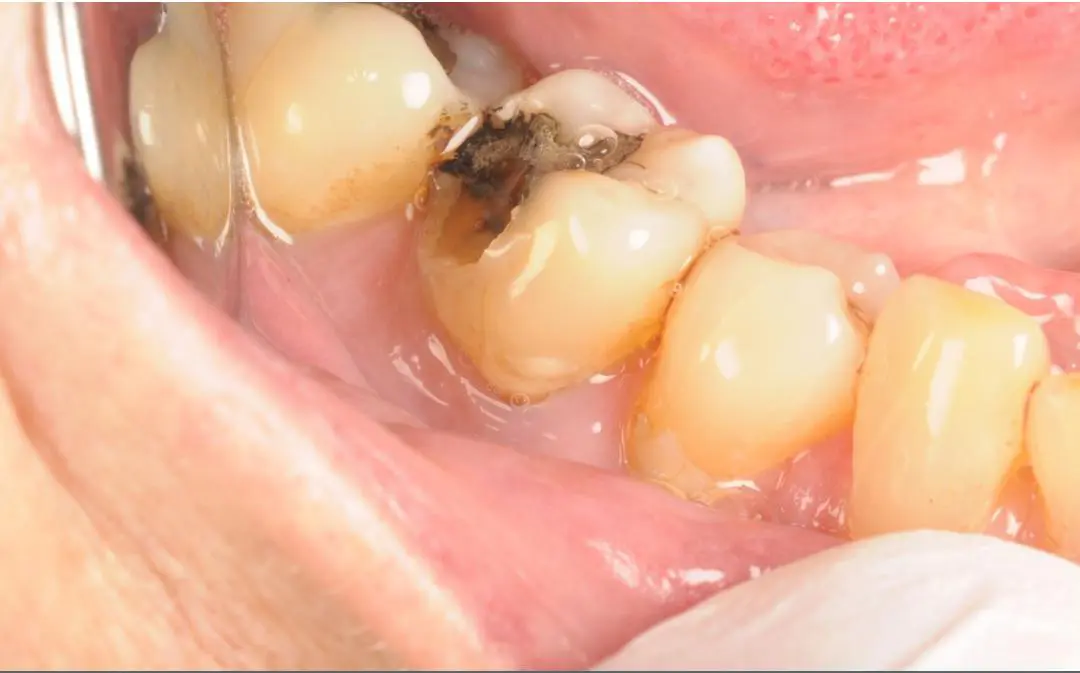
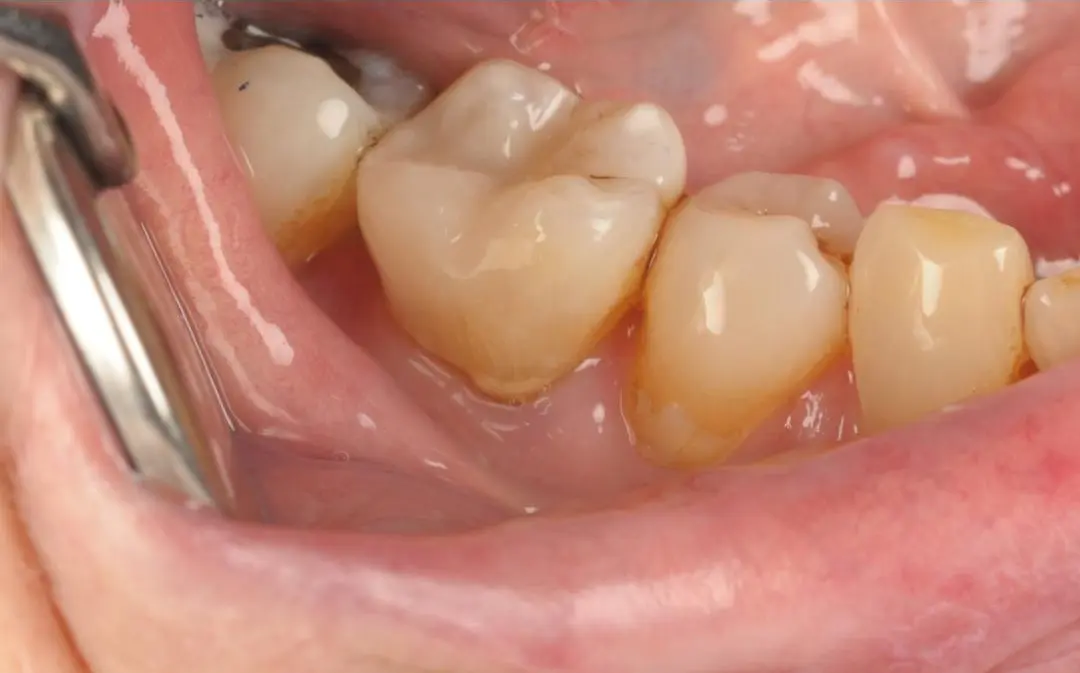
Real Patient Result: Emergency White Filling
Treatment by Dr Kamran
You can learn more about what root canal treatment involves by visiting the root canal treatment service page on our website.
For a day-by-day view of healing expectations, this guide on recovery after root canal treatment can be helpful.
Foods to Eat After a Root Canal: A Practical Dietary Guide
Choosing the right foods during the first few days after root canal treatment can make a noticeable difference to your comfort and recovery experience. The key principle is to minimise mechanical and thermal stress on the treated tooth while ensuring your body receives adequate nutrition to support healing.
Recommended Foods
Soft, easily chewed foods are the most appropriate choice in the immediate post-treatment period. Good options include:
- Porridge and smooth cereals — gentle on the teeth and easy to chew
- Mashed or baked potato — filling and nutritious without requiring significant chewing force
- Scrambled eggs or soft-boiled eggs — an excellent source of protein, which supports tissue repair
- Yoghurt — a good source of calcium and probiotics; choose plain varieties without added sugar
- Soups and broths — ensure they are lukewarm rather than very hot
- Soft-cooked vegetables such as steamed carrots, courgette, or spinach
- Ripe bananas and soft fruits — provide natural sugars and vitamins
- Smoothies — a practical way to increase fruit, vegetable, and protein intake
Nutrients That Support Recovery
Certain nutrients are associated with tissue repair and immune function, both of which are relevant during post-treatment healing:
- Vitamin C — found in citrus fruits, kiwi, and peppers; supports collagen synthesis and tissue repair
- Zinc — found in eggs, seeds, and legumes; plays a role in immune response
- Calcium and Vitamin D — important for dental and bone health
- Protein — essential for cell repair; found in eggs, fish, dairy, and pulses
Prioritising these nutrients through your food choices during recovery may help support the natural healing process, although individual responses to treatment and recovery will always vary.
Foods and Drinks to Avoid After Root Canal Treatment
Just as some foods can support recovery, others may aggravate sensitivity or potentially interfere with healing. Being mindful of these in the days following treatment is a sensible precaution.
Foods That May Increase Sensitivity
Very hot or cold foods and drinks — Temperature extremes are a common trigger for post-treatment sensitivity. The treated tooth and surrounding tissues may react more acutely to thermal changes during the healing period. Allow hot drinks to cool to a comfortable temperature and avoid very cold items such as ice cream or iced beverages.
Hard and crunchy foods — Nuts, raw carrots, crusty bread, crisps, and similar items require significant chewing force and can place pressure on the treated tooth. This may intensify discomfort during the healing phase.
Chewy and sticky foods — Toffee, chewing gum, dried fruit, and chewy sweets can place lateral stress on the tooth and may dislodge temporary restorations if present.
Acidic foods and drinks — Citrus juices, carbonated soft drinks, and vinegar-based foods may irritate sensitive tissue and can contribute to enamel erosion over time.
Sugary foods and drinks — While sugar itself does not directly affect post-root canal sensitivity, it contributes to bacterial activity within the mouth, which is best minimised during recovery.
A Note on Alcohol and Smoking
Alcohol may interact with any prescribed medications and can have a mild inflammatory effect on oral tissues. Smoking is well evidenced as being detrimental to post-dental-treatment healing, as it reduces blood flow and can impair the body's ability to repair tissue effectively.
Practical Tips for Managing Eating Habits During Recovery
Beyond choosing appropriate foods, a few practical habits can further help manage sensitivity and support a more comfortable recovery.
Chew on the opposite side of the mouth — In the days immediately following treatment, try to direct chewing to the side of the mouth that was not treated. This reduces pressure on the affected tooth and allows the surrounding tissues to begin settling.
Avoid skipping meals — It can be tempting to eat very little if the mouth feels uncomfortable, but maintaining regular, nutritious meals supports energy levels and healing. Soft food options are plentiful and can be very satisfying.
Stay well hydrated — Water is the optimal beverage during recovery. It helps maintain saliva production, which plays an important role in oral health and the natural cleansing of the mouth. Aim to sip water at room temperature rather than very cold.
Take care when brushing — Continue to brush and floss as normal, but be gentle around the treated area. Maintaining good oral hygiene is important during recovery and should not be neglected.
Follow your dentist's specific post-treatment instructions — These are the most important guidance of all. Your treating dentist will provide personalised advice based on the complexity of your treatment and your individual clinical situation.
If you are concerned about ongoing discomfort or are unsure what to eat following treatment, it is always appropriate to contact your dental practice for guidance. For same-day advice, our walk-in dental appointments in London are available for patients who need prompt assessment.
When to Seek Further Professional Dental Assessment
Post-treatment sensitivity is expected and generally resolves within a few days to two weeks for most patients. However, there are certain symptoms that indicate professional dental evaluation may be appropriate.
You may wish to contact your dentist if you experience:
- Sensitivity or pain that is worsening rather than improving after the first few days
- Pain that is severe or is significantly disrupting daily activities, eating, or sleep
- Swelling of the gum, cheek, or jaw around the treated tooth
- A visible bump or swelling on the gum near the root of the tooth
- A persistent unpleasant taste or discharge in the area
- The tooth feeling very loose or significantly different in bite alignment
- Sensitivity that continues beyond two to three weeks without any improvement
These symptoms do not necessarily indicate that something is seriously wrong, but they are worth discussing with a dental professional who can assess the area clinically and advise on the most appropriate next steps.
It is important not to self-diagnose based on symptoms alone. Only a clinical examination — and where necessary, diagnostic X-rays — can provide an accurate picture of what is happening within and around the tooth.
Video: Same-Day Dental Appointments in London
If you are experiencing discomfort following a root canal or have dental concerns that need prompt attention, our London dental team is available for same-day appointments. Watch the short video below to find out more about how we can help.
Prevention and Long-Term Oral Health After Root Canal Treatment
Once recovery from root canal treatment is complete, maintaining good oral health practices is important for preserving the treated tooth and protecting the rest of your dentition. A root canal removes the nerve supply from the tooth, which means the tooth may become more brittle over time. This makes appropriate restoration — typically a crown — and good ongoing oral hygiene especially important.
If you are deciding on restoration after treatment, this article on whether you need a crown after root canal treatment explains key considerations.
Dietary Habits for Long-Term Dental Health
Long-term dietary choices can significantly influence the health of your teeth and gums. A balanced diet low in free sugars, processed foods, and acidic beverages supports the integrity of tooth enamel and reduces the risk of further decay or gum disease.
Key long-term dietary recommendations for dental health include:
- Limit sugary snacks and drinks between meals, as frequent sugar exposure increases the risk of tooth decay
- Choose water or milk as your primary beverages rather than carbonated drinks or fruit juices
- Eat calcium-rich foods such as dairy, leafy greens, and fortified plant milks to support jawbone and tooth health
- Include crunchy raw vegetables such as carrots and celery, which can support gum health through gentle mechanical cleaning — though only once your post-treatment healing is complete
- Avoid using teeth as tools — opening packaging, biting nails, or chewing pen lids can all place unnecessary stress on restored teeth
Regular dental check-ups remain an important part of long-term oral health care, particularly following significant dental treatment. Your dentist can monitor the treated tooth, assess the surrounding tissues, and advise on restorative options as needed. If you need to arrange a review, use our contact page to request an appointment.
Key Points to Remember
- Post-root canal sensitivity is normal and typically resolves within a few days to two weeks for most patients.
- Dietary choices can influence your comfort during recovery — opt for soft, lukewarm, nutrient-rich foods in the days following treatment.
- Avoid hard, crunchy, sticky, very hot, or very cold foods immediately after treatment to minimise pressure and thermal sensitivity.
- Nutrients such as vitamin C, zinc, calcium, and protein may support tissue repair and recovery when included in a balanced diet.
- Symptoms that worsen, persist beyond two to three weeks, or include swelling or discharge are worth discussing with your dental professional.
- Good oral hygiene and regular dental check-ups remain important for the long-term health of the treated tooth and your overall dentition.
Frequently Asked Questions
How long does sensitivity last after a root canal?
Post-root canal sensitivity varies between patients and depends on factors such as the complexity of the treatment, the extent of the original infection, and individual healing responses. For many patients, mild tenderness and sensitivity begin to reduce within a few days and typically settle within one to two weeks. If sensitivity appears to be worsening or continues beyond two to three weeks without improvement, it is advisable to contact your dental practice for a clinical assessment, as further evaluation may be appropriate.
Can I eat normally straight after a root canal?
It is generally advisable to wait until the local anaesthetic has fully worn off before eating, as this reduces the risk of accidentally biting the cheek or tongue. Once sensation has returned, choose soft, easy-to-chew foods and avoid applying pressure to the treated side of the mouth. Hard, crunchy, chewy, very hot, or very cold foods are best avoided for the first few days. Your dentist will provide specific post-treatment dietary guidance based on your individual circumstances.
Is it safe to drink hot drinks after a root canal?
Extreme temperatures — whether hot or cold — can aggravate post-treatment sensitivity in the days following a root canal. Hot drinks such as tea, coffee, or hot soup are best allowed to cool to a comfortable lukewarm temperature before drinking. Very cold drinks and ice should similarly be avoided in the initial recovery period. Once sensitivity has reduced, most patients are able to gradually return to their normal food and drink habits, though individual responses will vary.
Why does my tooth still hurt after a root canal?
Mild discomfort following root canal treatment is a normal part of the healing process. The tissues surrounding the treated tooth, including the periodontal ligament, may remain temporarily inflamed as part of the body's natural response to treatment. This inflammation-related tenderness is usually temporary. However, if pain is severe, worsening, or accompanied by swelling, it is important to contact your dentist, as these symptoms may indicate that a further assessment is needed. Individual clinical situations vary and should always be evaluated by a dental professional.
What foods are appropriate for recovery after dental treatment?
During dental treatment recovery, soft and nutritious foods are generally the most appropriate choice. Good options include porridge, mashed potato, scrambled eggs, yoghurt, soft-cooked vegetables, ripe fruit, and lukewarm soups. These foods minimise mechanical pressure on the teeth while providing the nutrition needed to support healing. Foods rich in vitamin C, zinc, calcium, and protein are particularly supportive of tissue repair. Always follow any specific post-treatment dietary advice provided by your dental team.
When should I be concerned about post-root canal symptoms?
Whilst some degree of sensitivity and mild discomfort is expected, certain symptoms warrant professional dental assessment. These include pain that is severe or worsening, swelling of the gum, cheek, or jaw, a visible swelling or bump on the gum near the treated tooth, a persistent unpleasant taste or discharge, significant changes in bite, or sensitivity that shows no sign of improvement after two to three weeks. If you experience any of these symptoms, contact your dental practice to arrange a clinical review. Do not attempt to self-diagnose, as only an examination can accurately determine the cause of your symptoms.
Conclusion
Recovering from a root canal does not need to be a daunting experience. Understanding what to expect — including temporary sensitivity — and making informed dietary choices can help support a more comfortable healing process. Post-root canal sensitivity is a common and typically temporary response to treatment, and thoughtful nutritional choices during the recovery period can play a meaningful supportive role.
Choosing soft, lukewarm, nutrient-dense foods whilst avoiding hard, crunchy, sticky, or temperature-extreme items can help support a more comfortable healing environment for the treated area. Supporting your diet with vitamin C, protein, zinc, and calcium-rich foods further assists the body's natural tissue repair mechanisms.
In the longer term, maintaining a balanced diet low in free sugars and acidic drinks, alongside good oral hygiene and regular dental check-ups, helps protect your treated tooth and the rest of your dentition.
If you have concerns about symptoms following root canal treatment, or if sensitivity is persisting or worsening, it is always appropriate to seek professional dental guidance. Do not delay reaching out to a dental professional if something does not feel right.
Dental symptoms and treatment options should always be assessed individually during a clinical examination.
Disclaimer
This article is for educational and informational purposes only.
It does not provide professional dental advice, diagnosis, or a treatment recommendation.
Any dental concern should be assessed during an in-person clinical examination by a registered dental professional; treatment suitability and outcomes vary by individual, and no results are guaranteed.
Prepared in line with General Dental Council (GDC) communication standards, Care Quality Commission (CQC) patient safety principles, and ASA CAP Code healthcare advertising guidance.