
Many patients experience concern when they notice teeth that seem to be taking longer than expected to emerge properly. This situation commonly occurs with wisdom teeth or other permanent teeth that appear to be moving slowly into their correct position. Understanding the process of slowly erupting vertical impactions can help patients make informed decisions about their oral health care.
Vertical impactions occur when teeth are positioned correctly but lack sufficient space or encounter resistance during their natural eruption process. Unlike horizontal impactions where teeth grow sideways, vertically impacted teeth maintain their proper orientation but emerge gradually over extended periods. This process often leads patients to search for information about whether intervention is necessary and how to monitor their oral health effectively.
This article examines the clinical considerations surrounding slowly erupting vertical impactions, explaining the monitoring process, potential complications, and circumstances where professional dental guidance may prove beneficial for maintaining optimal oral health outcomes.
Experiencing these symptoms?
Delaying treatment can lead to tooth loss. We have slots available today.
What are slowly erupting vertical impactions?
Slowly erupting vertical impactions occur when teeth maintain proper vertical positioning but emerge gradually due to insufficient space, dense overlying tissue, or resistance from adjacent teeth. This process typically affects wisdom teeth and can extend over months or years.
Understanding the Eruption Process
The natural tooth eruption process involves complex biological mechanisms that guide teeth through the jawbone and gum tissue into their final positions. During normal eruption, teeth follow predictable patterns and timelines, typically emerging within specific age ranges. However, various factors can influence this process, leading to delayed or incomplete eruption.
Vertical impactions represent a specific category where teeth maintain their correct angular orientation but face obstacles during emergence. Unlike completely impacted teeth that remain entirely beneath the gum line, slowly erupting vertical impactions gradually progress toward the surface over extended periods. This process may occur intermittently, with periods of movement followed by phases of apparent inactivity.
Meet Dr. Yasha Shirazi
Principal Dentist at Emergency Dentist London
"We treat hundreds of dental emergencies every month. The sooner you come in, the easier the fix usually is."
Book an appointment with our team →The surrounding oral tissues adapt to this gradual emergence, but the extended timeline can create unique challenges for oral hygiene maintenance and monitoring. Understanding these dynamics helps patients recognise normal variations in eruption patterns whilst identifying situations that may require professional assessment.
Factors Affecting Eruption Speed
Several biological and anatomical factors influence the rate at which vertically impacted teeth emerge. Jawbone density plays a significant role, as denser bone tissue naturally slows the eruption process. The thickness and density of overlying gum tissue also affect emergence speed, with some patients having naturally thicker tissues that create additional resistance.
Available space within the dental arch significantly impacts eruption timing. When adjacent teeth occupy optimal positions, they may create pressure that slows neighbouring tooth emergence. The size relationship between teeth and available jawbone space, known as tooth-to-arch discrepancy, often determines whether eruption proceeds smoothly or encounters resistance.
Age-related factors also influence eruption speed, as biological processes typically slow with advancing age. Younger patients generally experience faster eruption rates due to more active cellular regeneration and bone remodelling processes. Individual genetic variations affect eruption patterns, with some families demonstrating consistently slower or faster eruption timelines across generations.
Clinical Assessment and Monitoring
Professional dental assessment provides valuable insights into the progress and prognosis of slowly erupting vertical impactions. Clinical examination involves evaluating the position of emerging teeth, assessing surrounding tissue health, and determining whether the eruption path remains clear of obstacles.
Radiographic imaging offers detailed information about root development, bone levels, and the relationship between impacted teeth and adjacent structures. These images help dental professionals monitor progress over time and identify potential complications before they develop into more significant problems.
Regular monitoring appointments allow for tracking eruption progress and early identification of issues such as gum disease or decay around partially emerged teeth. The frequency of monitoring visits depends on individual circumstances, eruption speed, and the presence of any concerning symptoms.
Oral Hygiene Considerations
Maintaining effective oral hygiene around slowly erupting vertical impactions requires particular attention and technique modification. Partially emerged teeth create unique cleaning challenges, as traditional brushing and flossing methods may not adequately reach all tooth surfaces and surrounding gum areas.
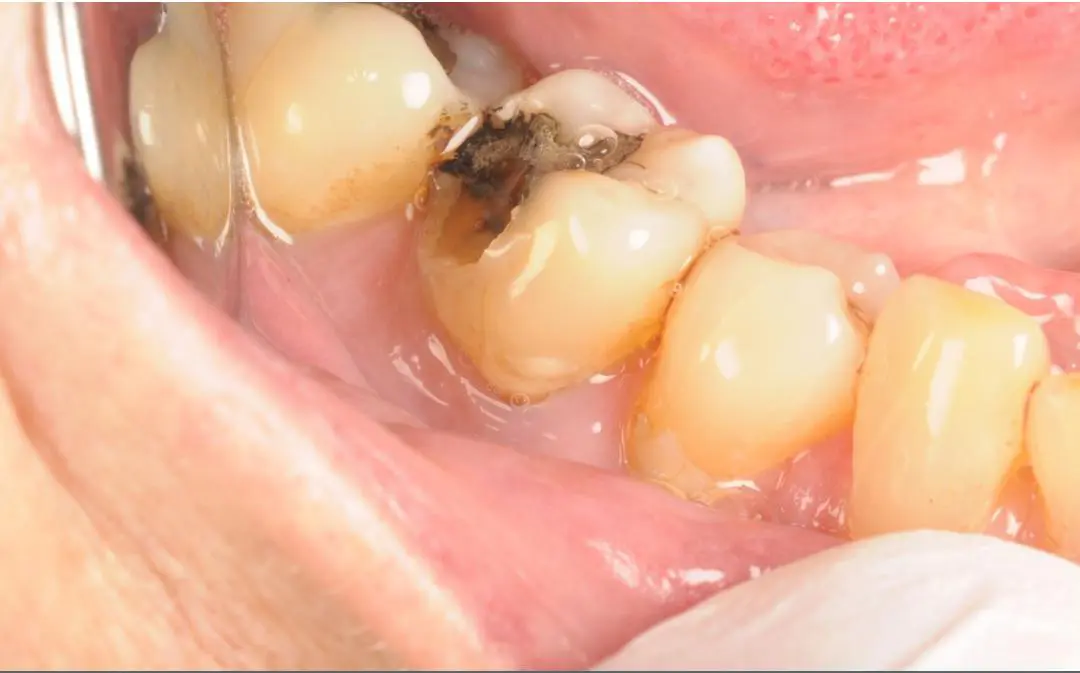
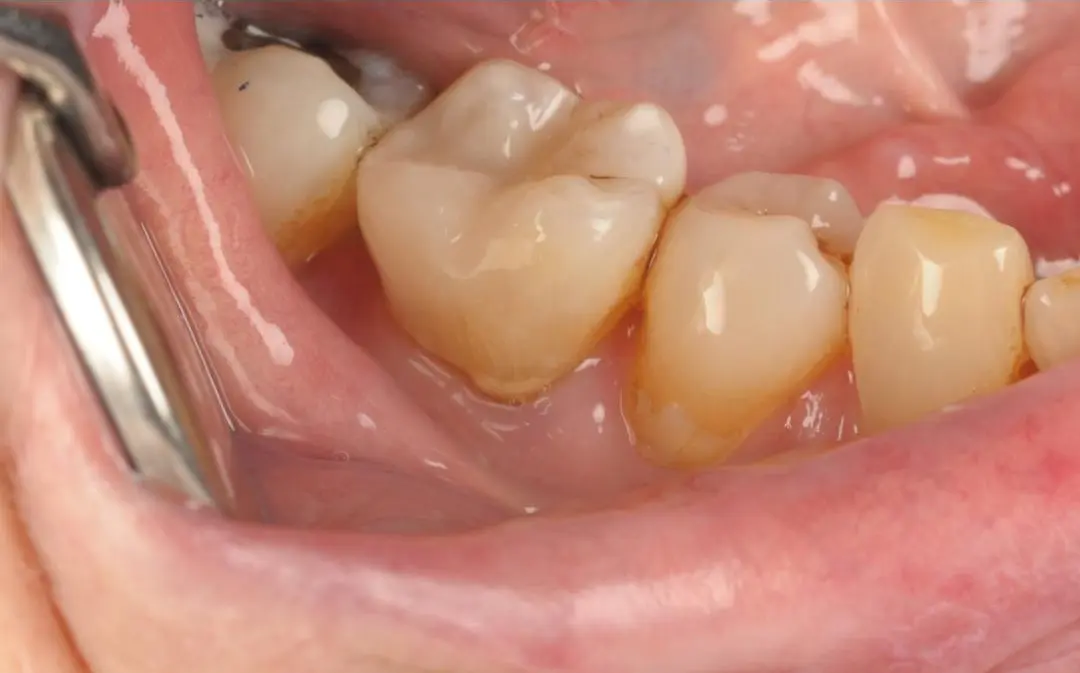
Real Patient Result: Emergency White Filling
Treatment by Dr Kamran
The gum tissue surrounding partially erupted teeth, known as the operculum, can trap food particles and bacteria if not cleaned thoroughly. This situation increases the risk of localised inflammation, known as pericoronitis, which can cause discomfort and potentially lead to more serious complications if left untreated.
Specialised cleaning techniques, including the use of interdental brushes, water flossers, or antimicrobial rinses, may help maintain cleanliness around difficult-to-reach areas. Patients should receive specific guidance on appropriate cleaning methods tailored to their individual situation and oral anatomy.
When Professional Dental Assessment May Be Needed
Certain symptoms or changes may indicate the need for professional dental evaluation. Persistent pain or discomfort around the erupting tooth area, particularly if it worsens over time, warrants dental assessment to rule out complications such as infection or pressure-related damage to adjacent teeth.
Swelling, redness, or tenderness in the gums surrounding partially erupted teeth may indicate developing pericoronitis or other inflammatory conditions. Bad taste or odour emanating from the area often suggests bacterial accumulation that requires professional intervention and improved oral hygiene protocols.
Difficulty opening the mouth fully, persistent headaches, or changes in bite alignment may indicate that the slowly erupting tooth is affecting normal jaw function. These symptoms merit prompt evaluation to determine appropriate management strategies.
Treatment Approaches and Options
Management of slowly erupting vertical impactions varies depending on individual circumstances, symptoms, and the likelihood of successful complete eruption. Conservative monitoring represents the most common approach when teeth show steady progress and remain free from complications.
Minor surgical procedures may help facilitate eruption in cases where excessive gum tissue impedes normal emergence. This approach, known as operculectomy, involves removing the tissue flap covering the partially erupted tooth to create a clearer path for continued emergence.
In situations where complete eruption appears unlikely or where complications develop, tooth extraction may be recommended. This decision typically considers factors such as available space, patient age, symptoms, and the potential impact on adjacent teeth and overall oral health.
Prevention and Oral Health Maintenance
While genetic and anatomical factors largely determine eruption patterns, maintaining excellent oral hygiene supports the healthiest possible outcomes. Regular dental check-ups enable early identification of potential problems and appropriate intervention when necessary.
Avoiding habits that may interfere with natural eruption processes, such as excessive pressure from tongue thrusting or prolonged retention of baby teeth, may support normal development. Maintaining a balanced diet rich in nutrients essential for bone and tooth development contributes to optimal oral health during eruption periods.
Early orthodontic evaluation can identify space-related issues that may affect eruption patterns. In some cases, creating additional space through orthodontic treatment or early intervention may facilitate more successful eruption outcomes.
Key Points to Remember
• Slowly erupting vertical impactions represent teeth that maintain proper orientation but emerge gradually over extended periods
• Regular monitoring helps identify complications early and supports optimal oral health outcomes
• Specialised oral hygiene techniques may be necessary to maintain cleanliness around partially erupted teeth
• Professional assessment becomes important when symptoms develop or eruption progress stalls
• Treatment approaches range from conservative monitoring to surgical intervention depending on individual circumstances
• Maintaining excellent oral hygiene supports the healthiest possible outcomes during the eruption process
Frequently Asked Questions
How long does it typically take for a vertically impacted tooth to fully erupt?
The timeline for complete eruption varies significantly between individuals, ranging from several months to several years. Factors such as available space, tissue density, and individual biology influence eruption speed. Regular dental monitoring helps track progress and identify any concerning changes in eruption patterns.
Can slowly erupting vertical impactions cause damage to adjacent teeth?
Vertically impacted teeth generally pose less risk to adjacent teeth compared to horizontally impacted teeth. However, prolonged pressure or inadequate cleaning around partially erupted teeth may contribute to decay or gum disease affecting neighbouring teeth. Regular professional assessment helps monitor for these potential complications.
Is it normal to experience discomfort during the eruption process?
Mild discomfort during active eruption phases is common and typically resolves as the tooth progresses. However, severe pain, persistent swelling, or signs of infection warrant professional evaluation. The eruption process should not cause debilitating pain or significantly impact daily activities.
What cleaning methods are recommended for partially erupted teeth?
Effective cleaning typically requires modified techniques including gentle brushing with a soft-bristled toothbrush, interdental cleaning tools, and potentially antimicrobial rinses. The specific approach depends on the tooth's position and accessibility. Dental professionals can demonstrate appropriate techniques tailored to individual circumstances.
When should a slowly erupting vertical impaction be removed?
Extraction consideration depends on factors including eruption progress, available space, symptoms, and potential complications. Teeth showing steady progress without complications may continue to be monitored. Persistent problems, lack of progress, or recurrent infections may indicate extraction as the most appropriate option.
Can anything be done to speed up the eruption process?
While the natural eruption timeline cannot be dramatically accelerated, maintaining excellent oral hygiene, following professional recommendations, and addressing any underlying issues may support optimal conditions for eruption. Minor surgical procedures may help remove tissue barriers in specific cases.
Conclusion
Understanding slowly erupting vertical impactions helps patients navigate this common dental situation with appropriate knowledge and realistic expectations. The monitoring process requires patience and consistent oral hygiene practices, with professional guidance providing valuable support throughout the eruption period.
Most slowly erupting vertical impactions resolve successfully with conservative management and regular monitoring. However, recognising when complications develop and seeking timely professional assessment ensures the best possible outcomes for long-term oral health.
Maintaining excellent oral hygiene, attending regular dental appointments, and following professional recommendations support optimal management of slowly erupting vertical impactions. Dental symptoms and treatment options should always be assessed individually during a clinical examination.
Disclaimer
This article is provided for educational and informational purposes only and should not be considered as medical or dental advice. Individual dental conditions vary significantly and can only be properly assessed through direct clinical examination by a qualified dental professional. The information should not be used for self-diagnosis or treatment decisions. Treatment outcomes depend on factors that can only be evaluated through professional assessment. Dental treatment decisions should always be made in consultation with a qualified dental professional.