
For many adults in London, wisdom tooth discomfort can appear suddenly and without obvious warning — often during an already busy week. It is entirely understandable why so many people turn to the internet first, searching for reassurance, an explanation of their symptoms, or guidance on whether they need to see a dentist promptly.
Wisdom tooth pain is one of the most commonly reported dental complaints among adults aged 17 to 25, though it can occur later in life. Understanding what causes this discomfort, how it may affect surrounding teeth and tissues, and when professional assessment might be appropriate is genuinely valuable knowledge for any patient.
This article explores wisdom tooth discomfort from a clinical perspective, explaining the underlying dental science in accessible language, outlining potential symptoms, and offering practical guidance on oral health maintenance. It is intended purely for educational purposes. Individual symptoms should always be assessed by a qualified dental professional who can examine the mouth directly.
Experiencing these symptoms?
Delaying treatment can lead to tooth loss. We have slots available today.
What You Should Know About Wisdom Tooth Discomfort
What is wisdom tooth related discomfort and why does it occur?
Wisdom tooth discomfort occurs when the third molars — the last teeth to emerge — cause pressure, inflammation, or infection in the surrounding gum and bone tissue. This often happens due to insufficient space in the jaw. The clinical implications can include gum infection, neighbouring tooth damage, and in some cases, cyst formation, making professional dental assessment advisable.
What Are Wisdom Teeth and Why Do They Cause Problems?
Wisdom teeth, clinically referred to as third molars, are the final set of permanent teeth to emerge. Most people have four — one in each corner of the mouth — though some individuals have fewer, and in rare cases, none at all. They typically begin to emerge between the ages of 17 and 25, a period sometimes described as the "age of wisdom," which is how these teeth received their common name.
Meet Dr. Yasha Shirazi
Principal Dentist at Emergency Dentist London
"We treat hundreds of dental emergencies every month. The sooner you come in, the easier the fix usually is."
Book an appointment with our team →The human jaw has evolved over thousands of years, and for many people today, there is simply not enough space at the rear of the mouth to accommodate these additional molars comfortably. When the jaw lacks sufficient room, a wisdom tooth may become impacted, meaning it is unable to fully emerge through the gum in a normal upright position. Instead, it may grow at an angle — pressing against the neighbouring second molar, emerging partially through the gum, or remaining entirely beneath the bone.
Even in cases where a wisdom tooth does emerge without obvious structural problems, it sits at the very back of the mouth, making it notably more difficult to clean effectively. This anatomical positioning alone can increase the risk of bacterial accumulation, localised gum inflammation, and the development of decay in both the wisdom tooth and the adjacent molar.
Understanding these structural factors helps explain why wisdom tooth discomfort is not simply a passing nuisance for many patients, but rather a clinical situation that warrants careful monitoring and, in many cases, professional evaluation.
Common Symptoms Associated With Wisdom Tooth Discomfort
Wisdom tooth discomfort can present in a variety of ways, and the experience differs considerably from one individual to another. Some people notice mild, intermittent aching that settles on its own as the tooth gradually emerges. Others experience more persistent or pronounced discomfort that may indicate an underlying clinical concern.
Symptoms that patients commonly report in relation to wisdom tooth activity include:
- Aching or throbbing pain at the back of the mouth, on one or both sides of the jaw
- Tender or swollen gum tissue in the area surrounding the emerging tooth
- Difficulty opening the mouth fully, sometimes referred to as trismus
- A bad taste in the mouth or noticeable unpleasant breath, which may indicate localised infection
- Earache or jaw stiffness, which can occur as surrounding structures are affected by pressure or inflammation
- Headaches, particularly around the temples or lower jaw, in some cases
- Swelling in the cheek or along the jawline
It is important to note that not all of these symptoms necessarily indicate a serious condition, and their presence alone does not confirm a diagnosis. The significance of any symptom depends on its duration, severity, and combination with other clinical findings. A dental professional is the appropriate person to assess these symptoms in the context of a thorough clinical examination, including dental X-rays where indicated.
The Clinical Science Behind Wisdom Tooth Impaction
Understanding the dental science involved can help patients make sense of why wisdom tooth problems arise and why clinical management matters.
When a wisdom tooth is unable to erupt fully, it creates a partially open channel between the outer gum surface and the tooth beneath. This space — sometimes called a pericoronal flap or operculum — is particularly vulnerable to bacterial colonisation. Food particles and plaque can accumulate beneath this flap of gum tissue, where they are difficult or impossible to remove through normal brushing and flossing alone.
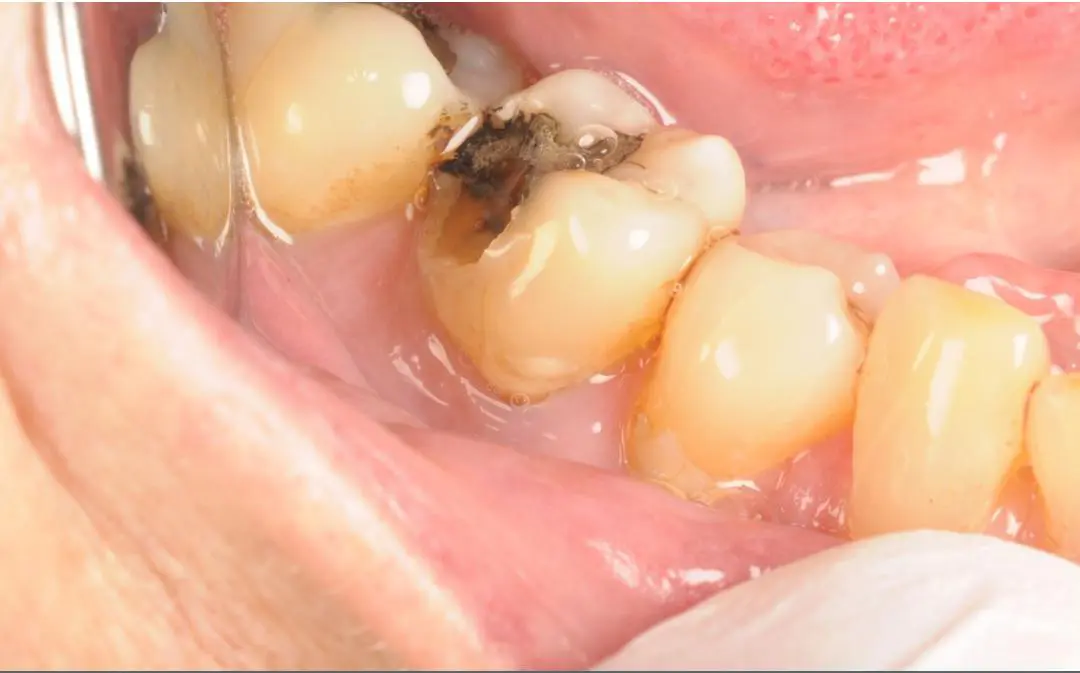
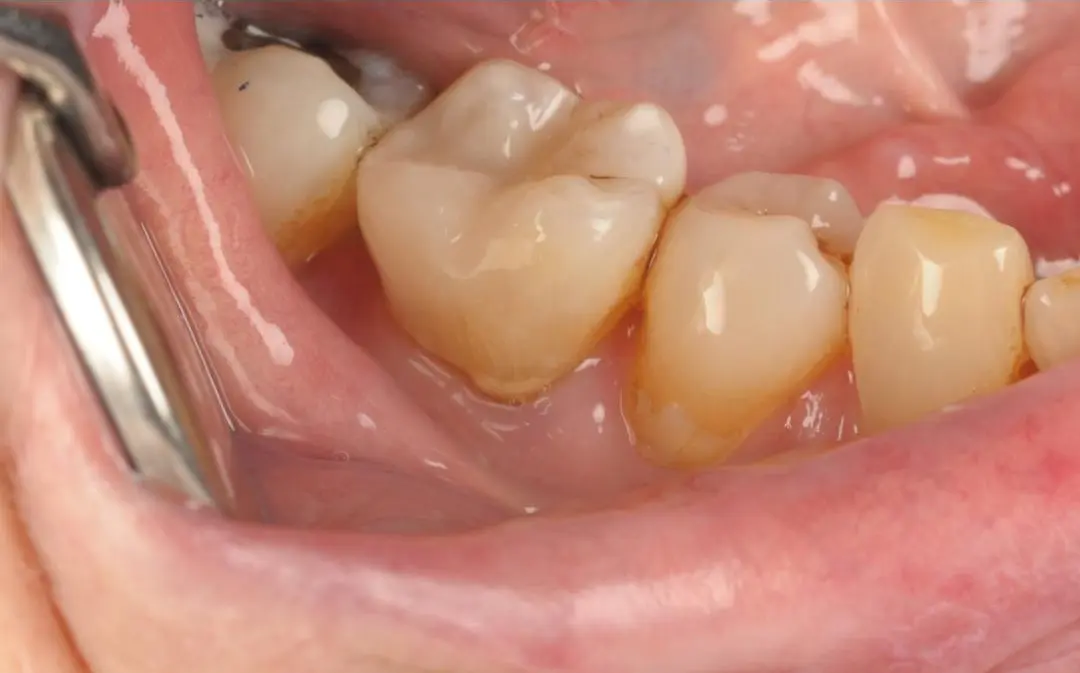
Real Patient Result: Emergency White Filling
Treatment by Dr Kamran
The resulting bacterial environment can lead to a condition called pericoronitis — localised inflammation and infection of the gum tissue surrounding a partially erupted tooth. Pericoronitis can range from mild and self-limiting to more severe, with swelling, pain, and potential spread of infection if left unmanaged. If you want a focused explanation of this condition, this guide to pericoronitis and wisdom tooth infection provides further context.
From a structural perspective, an impacted wisdom tooth that angles towards the second molar can exert ongoing pressure on the roots and enamel of that neighbouring tooth. Over time, this pressure may contribute to root resorption — a process in which the root structure of the second molar gradually breaks down — or may create surfaces prone to decay that are effectively impossible to clean without professional intervention.
In some cases, an impacted wisdom tooth may develop a dentigerous cyst — a fluid-filled sac that forms around the crown of the unerupted tooth. These cysts can expand slowly over time and may affect the surrounding bone and teeth. They are typically identified through dental X-rays during routine examinations.
This clinical complexity is precisely why wisdom tooth evaluation is best approached through professional assessment rather than observation alone.
When Professional Dental Assessment May Be Appropriate
There are a number of situations in which seeking professional dental evaluation for wisdom tooth discomfort would be a reasonable and sensible course of action. It is worth emphasising that this guidance is not intended to cause anxiety — many wisdom tooth concerns are managed straightforwardly once a dentist has had the opportunity to examine the area properly.
You may wish to consider seeking professional dental advice if you notice any of the following:
- Pain that persists for more than a few days without signs of settling
- Swelling of the gum, cheek, or jaw that does not reduce
- Difficulty swallowing or opening the mouth comfortably
- Signs that may suggest infection, such as a persistent bad taste, fever, or general feeling of being unwell
- Sensitivity in a neighbouring tooth, which could indicate that the wisdom tooth is affecting the adjacent molar
- Recurring episodes of discomfort, even if each episode seems to resolve on its own
A dental examination in these circumstances typically involves a visual assessment of the gum and surrounding tissue, along with dental X-rays to evaluate the position of the wisdom tooth, its relationship to neighbouring teeth, and the condition of the surrounding bone.
If you are in London and experiencing discomfort that concerns you, a same-day dental appointment may be available. You can learn more about emergency dental appointments in London and what to expect when you attend.
Watch: Emergency Dental Care in London
If you are concerned about wisdom tooth pain or any other dental symptoms and need to understand your options for same-day dental care in London, this short video may be helpful:
Pricing notice: Appointment fees and treatment costs vary depending on individual clinical needs. A full treatment plan, including a breakdown of all associated costs, will be provided following your consultation with a qualified dental professional.
Treatment Approaches: What a Dentist May Recommend
The clinical management of wisdom tooth discomfort varies considerably depending on the individual situation. There is no single universal approach, and treatment suitability is always determined through a proper clinical examination and radiographic assessment.
Conservative management may be appropriate in cases where a wisdom tooth is emerging without significant impaction or infection. This can involve professional cleaning around the emerging tooth, oral hygiene instruction, and monitoring over time. A dentist may also provide advice on safe over-the-counter pain relief and appropriate antibacterial mouth rinses where clinically indicated.
Antibiotic therapy may sometimes be considered when a localised infection such as pericoronitis is present, though the prescribing of antibiotics is always a clinical decision made by the treating dentist or dental surgeon, and is not a substitute for addressing the underlying cause.
Wisdom tooth extraction is one of the most common surgical procedures in dentistry and may be recommended when a wisdom tooth is significantly impacted, is repeatedly causing infection, is contributing to decay in adjacent teeth, or is associated with cyst formation. Extraction is carried out under local anaesthesia in most cases, and the procedure itself is generally well tolerated. Recovery times and post-operative care instructions will vary based on individual circumstances.
It is important to understand that the decision to extract or retain a wisdom tooth is always made on a case-by-case basis following a thorough clinical assessment. A dentist will discuss the relevant options, explain the reasoning, and give the patient the opportunity to ask questions and make an informed decision about their care.
For patients who require surgical evaluation, understanding the options available through tooth extraction services can provide helpful context before attending an appointment.
Oral Hygiene and Prevention: Reducing Risk Around Wisdom Teeth
Whilst it is not always possible to prevent the structural challenges that arise when wisdom teeth emerge in a crowded jaw, good oral hygiene practices can meaningfully reduce the risk of infection and decay in the wisdom tooth region. The following guidance is relevant for any patient whose wisdom teeth are present, whether or not they have experienced discomfort to date.
Effective brushing technique matters particularly at the back of the mouth. Use a small-headed, soft-bristle toothbrush and position it carefully to reach the back surfaces of the second molars and any visible portion of the wisdom tooth. Brush gently in small circular motions rather than aggressive back-and-forth strokes.
Interdental cleaning — whether using floss, interdental brushes, or a water flosser — should extend as far back as possible along the gum line, including around partially erupted wisdom teeth where accessible.
Antiseptic mouth rinse may help to reduce the bacterial load around a wisdom tooth that is prone to gum inflammation, though it should complement brushing rather than replace it.
Regular dental check-ups remain one of the most effective ways to monitor the position and condition of wisdom teeth over time. Routine X-rays allow a dentist to detect changes — such as developing cysts, pressure on neighbouring roots, or early decay — well before they cause noticeable symptoms.
Avoiding tobacco is strongly advised, as smoking impairs gum healing and increases the risk of infection following any dental procedure, including extraction.
Staying well-hydrated and maintaining a balanced diet supports overall oral health and immune function, both of which play a role in the body's ability to manage localised gum inflammation.
Patients are encouraged to discuss their individual oral hygiene approach with their dentist, who can offer tailored guidance based on the specific position and condition of their wisdom teeth. You can also explore further wisdom tooth pain relief guidance through our clinical resources.
Key Points to Remember
- Wisdom tooth discomfort is a common experience among adults and is often related to the limited space available at the rear of the jaw.
- Impacted wisdom teeth can carry clinical implications including gum infection (pericoronitis), neighbouring tooth damage, and in some cases, cyst formation.
- Symptoms such as persistent pain, swelling, difficulty opening the mouth, or signs of infection are good reasons to seek professional dental assessment.
- Treatment decisions — including whether to remove or monitor a wisdom tooth — are always made individually following clinical examination and X-ray assessment.
- Good oral hygiene at the back of the mouth can help reduce the risk of infection around emerging wisdom teeth.
- Regular dental check-ups provide an important opportunity to monitor wisdom tooth development and intervene early where necessary.
Frequently Asked Questions
How long does wisdom tooth discomfort typically last?
The duration of wisdom tooth discomfort varies considerably between individuals. Mild aching associated with a tooth gradually emerging through the gum may last a few days to a couple of weeks, often improving as the tooth establishes its position. However, discomfort that persists beyond this period, recurs frequently, or worsens over time may indicate an underlying concern such as impaction or infection. In these situations, a professional dental assessment is advisable rather than continuing to manage symptoms at home without evaluation.
Can a wisdom tooth cause pain in other teeth or the ear?
Yes, it is relatively common for wisdom tooth issues to produce referred discomfort in nearby areas. Pressure from an impacted wisdom tooth can affect the roots of the adjacent second molar, producing sensitivity or aching in what feels like a neighbouring tooth. Muscular tension and inflammation in the jaw region can also radiate towards the ear or temple. This can occasionally make it difficult for patients to identify the precise source of their pain without a clinical examination, which is one reason professional assessment is helpful.
Is it always necessary to remove a wisdom tooth that causes discomfort?
Not always. Whether removal is recommended depends on several clinical factors, including the degree of impaction, the position and angle of the tooth, the impact on neighbouring teeth, and the frequency and severity of symptoms. Some wisdom teeth that are causing mild or infrequent discomfort may be monitored conservatively over time if they are not causing progressive problems. The decision is always made on an individual basis following a full clinical examination and appropriate radiographic imaging.
What is pericoronitis and how is it managed?
Pericoronitis is an inflammation — and sometimes infection — of the gum tissue surrounding a partially erupted tooth, most commonly a wisdom tooth. It develops when bacteria accumulate beneath the flap of gum tissue overlying the tooth. Symptoms can include localised pain, swelling, and an unpleasant taste. Management depends on severity and may include professional cleaning of the area, antiseptic rinses, and occasionally antibiotics if infection is present. In recurrent cases, extraction of the tooth or removal of the overlying gum flap may be considered following clinical assessment.
Are there any risks associated with leaving an impacted wisdom tooth untreated?
An impacted wisdom tooth that is not causing symptoms may not require intervention, but it does warrant monitoring. Over time, an untreated impacted tooth can potentially contribute to decay in the neighbouring molar, progressive gum disease, or the development of a cyst around the crown of the unerupted tooth. These outcomes are not inevitable, but they illustrate why regular dental check-ups — including periodic X-rays — are valuable for patients with retained wisdom teeth. A dentist can advise on the most appropriate monitoring schedule based on individual clinical findings.
Can wisdom tooth discomfort be managed at home whilst awaiting a dental appointment?
In some cases, over-the-counter pain relief taken in accordance with the manufacturer's instructions may help manage mild discomfort on a short-term basis. Rinsing with warm salt water can assist in keeping the area clean and may provide some relief from gum inflammation. However, home management is not a substitute for professional dental assessment, particularly if symptoms are worsening, swelling is present, or there are signs of infection. These measures are best used as a temporary comfort strategy while arranging an appointment with a dentist, including through an out-of-hours dentist service when needed.
Conclusion
Wisdom tooth discomfort is an experience shared by a significant number of adults, and it is understandable that it prompts questions about what is happening clinically and what options might be available. As this article has outlined, wisdom tooth pain can arise from a range of underlying causes — from the straightforward pressure of a tooth emerging through the gum, to more complex scenarios involving impaction, gum infection, or effects on neighbouring teeth.
Understanding the dental science behind these issues, recognising which symptoms merit professional evaluation, and maintaining good oral hygiene in the wisdom tooth region are all steps that support informed and proactive oral health management.
If you are experiencing wisdom tooth discomfort that concerns you, the most important next step is to seek a clinical assessment from a qualified dental professional. A dentist will be able to examine the area, take appropriate X-rays, explain the findings clearly, and discuss any management options that may be relevant to your individual situation.
Dental symptoms and treatment options should always be assessed individually during a clinical examination.
Disclaimer
This article is for general educational purposes only and is not a diagnosis or treatment recommendation.
Dental symptoms, treatment suitability, and outcomes vary by individual and require a face-to-face clinical examination.
Do not use this content for self-diagnosis or to delay seeking professional dental or medical care.
Any fees, offers, or availability examples are illustrative and are confirmed at booking and after assessment.
Content is written to align with GDC communication standards, CQC patient safety principles, and ASA CAP Code guidance.