
Losing a dental restoration whilst on holiday is a surprisingly common experience, and one that can cause considerable concern. Whether it is a crown that has come loose over dinner, a veneer that has dislodged unexpectedly, or a filling that has fallen out mid-trip, the discomfort — both physical and aesthetic — can feel deeply unsettling when you are far from your usual dental practice.
Many people search online immediately, hoping to understand what has happened and what their options might be. If you are visiting or based in the SW7 area of London, you may be relieved to know that fast cosmetic dental repair is frequently available, even at short notice.
This article explains why dental restorations can become lost or dislodged, what the experience may involve clinically, and what repair options a qualified dental professional may be able to offer. It is important to remember that any treatment recommendation must follow a clinical examination, as every situation is unique.
Experiencing these symptoms?
Delaying treatment can lead to tooth loss. We have slots available today.
Featured Snippet: What Should You Do If You Lose a Dental Restoration on Holiday?
If you experience a lost dental restoration on vacation, keep the restoration safe if possible, avoid chewing on the affected side, and contact a local emergency dental practice as soon as you are able. A qualified dentist can assess the tooth, determine the most appropriate repair option, and advise on whether temporary or permanent cosmetic repair is suitable following examination.
Why Do Dental Restorations Become Dislodged?
Dental restorations — including crowns, veneers, inlays, onlays, and fillings — are designed to be durable and long-lasting. However, a number of factors may contribute to them becoming loose or falling out over time.
Cement deterioration is one of the most common reasons. The bonding materials used to hold restorations in place can gradually weaken over years of use, particularly when exposed to temperature fluctuations from hot and cold foods and beverages.
Meet Dr. Yasha Shirazi
Principal Dentist at Emergency Dentist London
"We treat hundreds of dental emergencies every month. The sooner you come in, the easier the fix usually is."
Book an appointment with our team →Tooth decay beneath the restoration can also undermine the structural foundation, causing the restoration to loosen. If decay has progressed, the remaining tooth structure may no longer provide a stable base for the original restoration.
Physical trauma — such as biting down on something unexpectedly hard, or an accidental knock — can dislodge even a well-fitted restoration.
Restorations that have been in place for many years may simply be reaching the natural end of their lifespan. Most dental restorations are not intended to last indefinitely, and periodic review by a dental professional helps identify when replacement may be appropriate.
Understanding what may have caused the dislodgement is an important part of the clinical assessment process, as it guides the most appropriate repair approach.
Understanding the Clinical Impact on Your Tooth
When a restoration is lost, the underlying tooth structure is exposed. Depending on the type and extent of the original restoration, this may leave the tooth in a vulnerable state.
Exposed dentine — the layer beneath tooth enamel — contains microscopic tubules that connect to the tooth's nerve. When dentine is exposed, many patients notice sensitivity to temperature changes, sweet foods, or air. This is a normal physiological response and does not necessarily indicate a more serious problem, though it warrants prompt dental attention.
If the tooth had previously been treated with a root canal, sensitivity may be less pronounced, as the nerve tissue will have been removed. However, the structural integrity of the tooth may still be compromised without its protective covering.
In some cases, a lost restoration may reveal existing decay or a fractured tooth beneath. This can only be properly assessed through a clinical examination, which may include dental X-rays to evaluate the full extent of the situation.
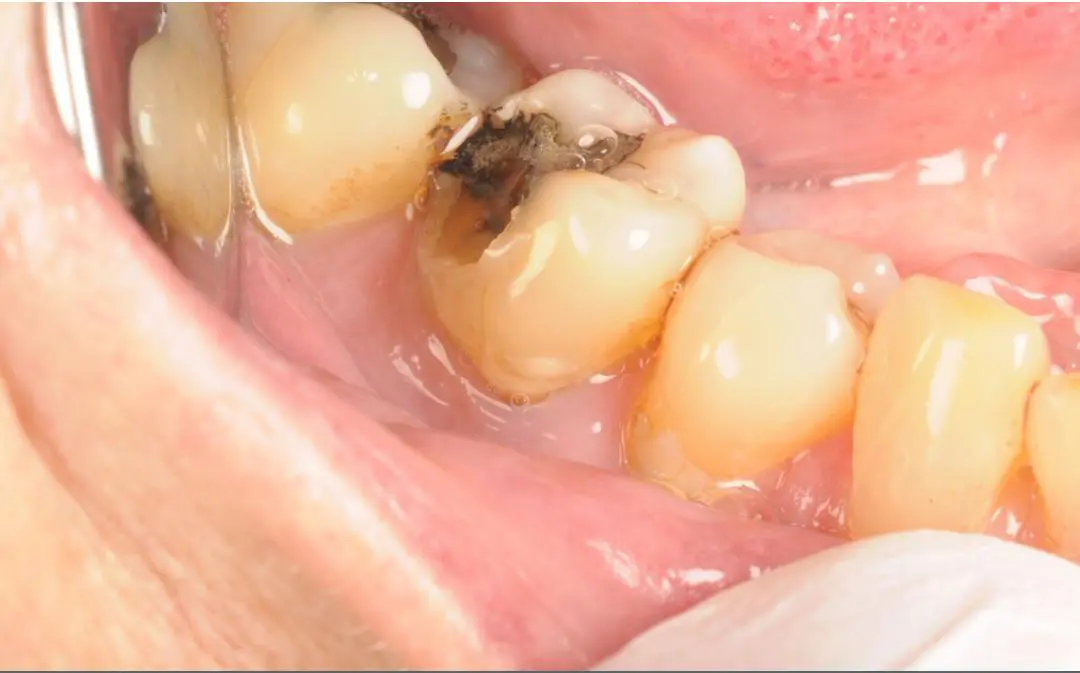
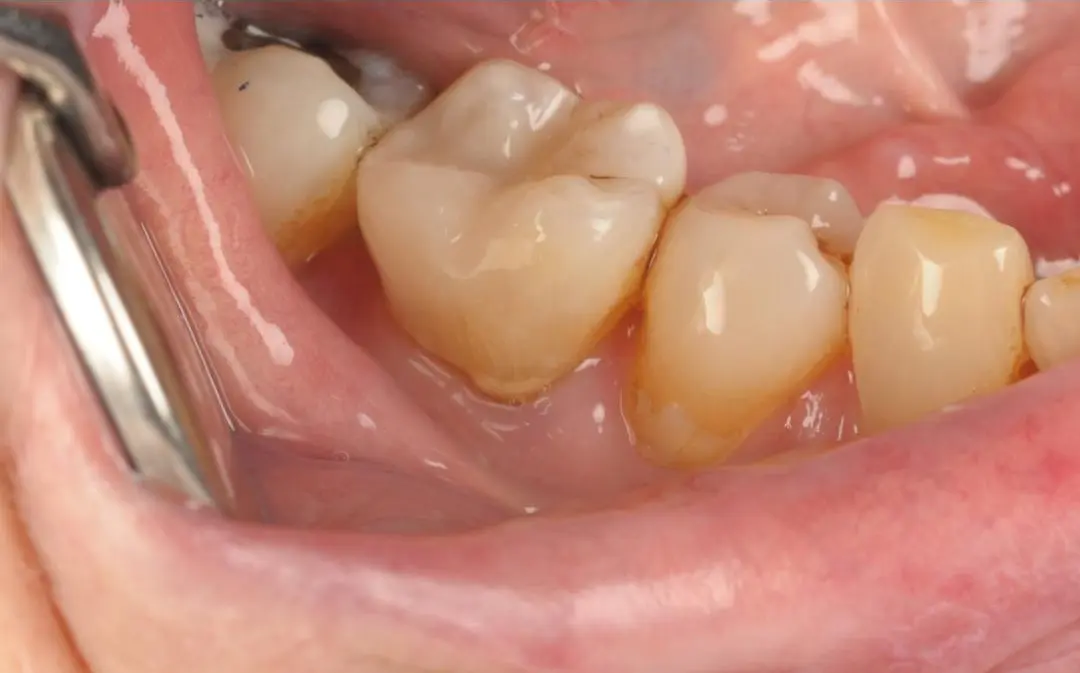
Real Patient Result: Emergency White Filling
Treatment by Dr Kamran
You can learn more about how emergency dental assessments are carried out at our SW7 clinic, where same-day appointments are often available.
Fast Cosmetic Repair Options That May Be Available in SW7
If you have lost a dental restoration and are seeking assistance in the South Kensington or wider SW7 area, a range of repair options may be considered, depending on the clinical findings.
Temporary restorations can be placed to protect the tooth whilst a longer-term solution is planned. These are particularly helpful when a permanent restoration requires laboratory fabrication time, as is the case with certain crowns or ceramic veneers.
Direct composite bonding is a technique in which tooth-coloured composite resin material is applied and shaped to the affected tooth. For some situations — particularly where a veneer or small filling has been lost — this can offer an aesthetically pleasing interim or even longer-term solution, often completable in a single appointment.
Crown recementation may be an option if the original crown is intact and the underlying tooth remains healthy. A dentist will clean the crown and tooth, and re-bond the restoration using appropriate dental cement following examination.
New crown fabrication may be recommended if the original restoration is damaged, the tooth structure has changed, or the previous crown is no longer suitable. Some practices offer same-day or next-day turnaround using digital scanning and in-house milling technology.
Treatment suitability always depends on the individual clinical situation and can only be determined following a thorough examination by a qualified dental professional.
When to Seek Prompt Dental Attention
Whilst a lost restoration does not always constitute a dental emergency in the traditional sense, there are situations where seeking prompt professional attention is particularly advisable.
You should contact a dentist as soon as possible if you experience:
- Persistent or worsening tooth pain that does not subside
- Swelling around the gum or jaw area near the affected tooth
- Sharp or jagged edges that are causing discomfort to your tongue or cheek
- Signs of infection, such as a bad taste, discharge, or fever
- Difficulty chewing or biting that is affecting your ability to eat normally
Even in the absence of pain, leaving a tooth unprotected for an extended period may increase the risk of further damage or decay. Early assessment helps ensure that repair options remain as straightforward as possible.
If you are concerned about symptoms that may point to a more complex issue, our cosmetic and restorative dental services page provides further information on the range of treatments our clinic may be able to offer.
Prevention and Maintaining Your Dental Restorations
Whilst it is not always possible to prevent a restoration from becoming dislodged, there are several practical steps that may help prolong their lifespan and reduce the risk of unexpected problems, particularly when travelling.
- Attend regular dental check-ups. Routine examinations allow your dentist to monitor the condition of existing restorations and identify any early signs of deterioration before they become a problem.
- Avoid very hard or sticky foods. Foods such as hard sweets, ice, and very chewy confectionery can place excessive force on dental restorations.
- Wear a custom night guard if recommended. For patients who grind their teeth during sleep — a condition known as bruxism — a protective guard can significantly reduce the mechanical stress placed on crowns, veneers, and fillings.
- Carry a dental first aid kit when travelling. Temporary dental cement, available from most pharmacies, can be used as a very short-term measure to re-seat a lost crown and protect the tooth until you can access professional care. This is not a substitute for dental treatment and should be used only as a temporary measure.
- Stay hydrated and maintain good oral hygiene. Keeping the mouth clean and well-hydrated supports the longevity of both natural teeth and restorations.
Key Points to Remember
- A lost dental restoration on vacation is a common situation that can often be addressed promptly by a qualified dental team.
- Restorations may become dislodged due to cement deterioration, underlying decay, physical trauma, or natural wear over time.
- Exposed tooth structure following a lost restoration can cause sensitivity, and prompt assessment is advisable.
- Repair options — including temporary restorations, composite bonding, recementation, or new crown fabrication — depend entirely on the individual clinical situation.
- Seek urgent dental attention if you experience pain, swelling, or any signs of infection.
- Regular dental check-ups and mindful dietary habits can help extend the lifespan of dental restorations.
Frequently Asked Questions
Can I reattach a lost crown or veneer myself at home?
Over-the-counter temporary dental cement can be used as a very short-term measure to protect the tooth and re-seat a dislodged crown until you can access professional dental care. However, this is not a long-term solution and should not replace a clinical examination. Attempting to permanently reattach a restoration at home carries risks, including trapping bacteria or debris beneath the restoration. A qualified dentist will assess the tooth and restoration properly before determining the most appropriate approach.
Will losing a dental restoration cause permanent damage to my tooth?
Not necessarily, but leaving a tooth unprotected for an extended period does increase the risk of further damage, sensitivity, or decay. The sooner you seek professional dental advice, the more options are likely to remain available. In many cases, restorations may be replaced or repaired, subject to the condition of the underlying tooth structure as assessed during a clinical examination. A thorough clinical examination is required to determine the full extent of any impact.
How long does it take to repair a lost dental restoration?
The time required depends on the type of restoration and the specific clinical situation. Some repairs, such as composite bonding or crown recementation, may be completed within a single appointment. Others, such as a new ceramic crown or porcelain veneer, may require laboratory fabrication time, though some clinics offer faster turnaround using digital technology. Your dentist will advise on expected timescales following their assessment.
Is it painful to have a dental restoration replaced?
The process of replacing or repairing a lost dental restoration is generally well-tolerated. Local anaesthetic may be used if required to ensure your comfort during the procedure. Some patients experience temporary sensitivity in the affected tooth prior to treatment, which may resolve once the restoration has been replaced, though this varies between individuals. If you have any concerns about discomfort, discuss these with your dental team before treatment begins.
What should I do with a lost crown or veneer if I find it?
If you find the lost crown or veneer, keep it safe and bring it to your dental appointment. The dentist will assess whether it is in a suitable condition to be re-used. Rinse it gently with clean water if necessary, and store it in a small container. Do not attempt to glue it back permanently using non-dental adhesives, as this can cause damage and make professional treatment more complex.
Are cosmetic dental repairs available at short notice in SW7?
Many private dental practices in the SW7 area, including emergency dental clinics, aim to offer same-day or next-day appointments for patients who have lost or damaged a dental restoration. Availability will depend on the individual practice and clinical diary. If you are experiencing discomfort or significant aesthetic concerns, it is always advisable to contact a dental practice directly and explain your situation so that they can assess the urgency of your needs. You can explore same-day emergency dental appointments available at our London clinic.
Conclusion
Experiencing a lost dental restoration on vacation can feel alarming, but it is a situation that dental professionals encounter regularly and are well-equipped to assist with. Understanding the likely causes, recognising when to seek prompt attention, and being aware of the range of cosmetic repair options available in SW7 can help you approach the situation with greater confidence and calm.
Whether you require a quick reassessment and recementation or a more involved restorative procedure, the most important step is to seek professional dental guidance without unnecessary delay. The sooner a qualified dentist can examine the affected tooth, the more options are likely to be available to restore both function and appearance.
Dental symptoms and treatment options should always be assessed individually during a clinical examination.
Disclaimer: This article is intended for general educational purposes only and does not constitute personalised dental advice. Individual diagnosis and treatment recommendations require a clinical examination by a qualified dental professional.
Next Review Due: 27 November 2027