
Dental pain rarely arrives at a convenient time. Many people find themselves experiencing a severe toothache, a cracked tooth, or an unexpected dental injury well after their regular dental practice has closed for the day. If you have ever found yourself searching for late evening emergency dental appointments in London at 8 or 9 o'clock at night, you are certainly not alone.
Understanding where and how to access dental care after 6 PM can feel overwhelming, particularly when you are already in discomfort. Standard NHS dental appointments are rarely available outside of regular working hours, and knowing your options in advance can make a significant difference to your experience.
This article explains what constitutes a dental emergency, how late evening dental appointments work in London, what to expect when you attend an out-of-hours clinic, and how to manage symptoms while you wait for professional care. If you are experiencing acute dental pain or swelling, seeking a professional assessment as soon as possible is always advisable.
Experiencing these symptoms?
Delaying treatment can lead to tooth loss. We have slots available today.
Featured Snippet: Can You Get Emergency Dental Care After 6 PM in London?
Yes. Several private emergency dental clinics in London offer late evening emergency dental appointments after 6 PM, including same-day and walk-in options. These services cater to patients experiencing acute dental pain, infection, trauma, or broken teeth outside of standard practice hours. Early assessment is recommended for comfort and to prevent complications.
What Counts as a Dental Emergency?
Before exploring how to access late evening dental care, it is helpful to understand which situations are considered genuine dental emergencies. Not every dental concern requires urgent out-of-hours treatment, but certain symptoms warrant prompt professional attention.
Common dental emergencies include:
Meet Dr. Yasha Shirazi
Principal Dentist at Emergency Dentist London
"We treat hundreds of dental emergencies every month. The sooner you come in, the easier the fix usually is."
Book an appointment with our team →- Severe or worsening toothache that is not responding to over-the-counter pain relief
- Dental abscess, which may present as a swollen face, jaw, or gum
- Broken or knocked-out tooth following an accident or trauma
- Lost crown or filling that is causing significant pain or sensitivity
- Cracked tooth with exposed nerve tissue
- Soft tissue injury to the lips, gums, or tongue
If you are experiencing swelling around your jaw or difficulty swallowing or breathing alongside dental pain, seek medical attention immediately via A&E, as these may indicate a spreading infection requiring urgent medical care.
For concerns such as a chipped tooth without pain, a loose crown that is not causing discomfort, or cosmetic dental issues, these can generally wait until the next available appointment during regular hours.
Why Late Evening Dental Appointments Matter
The demand for out-of-hours dental care in London has grown considerably in recent years. Many adults work full-time during the day and find it difficult to attend dental appointments during standard hours. Others experience dental emergencies in the evening following a day of worsening symptoms that began as mild discomfort.
Access to emergency dental appointments after 6 PM ensures that patients do not have to endure prolonged pain overnight or risk a dental infection worsening without treatment. Early intervention is generally associated with more straightforward treatment pathways, though outcomes always depend on individual clinical circumstances.
Private emergency dental clinics offering evening appointments typically provide a range of urgent treatments including pain relief, temporary restorations, emergency extractions where clinically appropriate, drainage of abscesses, and re-cementation of lost crowns or bridges. If you need urgent dental help outside of regular hours, our emergency dental services in London are designed to accommodate patients with same-day appointments.
The Clinical Science Behind Dental Pain
Understanding why dental pain can become so intense — particularly in the evening — may help patients make more informed decisions about when to seek care.
Dental pain most commonly arises when the innermost layer of the tooth, known as the dental pulp, becomes irritated or inflamed. The pulp contains nerve tissue and blood vessels. When bacteria from tooth decay penetrate through the outer enamel and dentine layers and reach the pulp, the resulting inflammation causes pressure to build within the confined space of the tooth's root canal system.
This pressure on the nerve is the primary source of acute dental pain. Because lying down alters blood pressure distribution, many patients notice that toothache intensifies in the evening or overnight. A dental abscess — a localised pocket of bacterial infection — can develop when this process progresses, leading to swelling and sometimes fever.
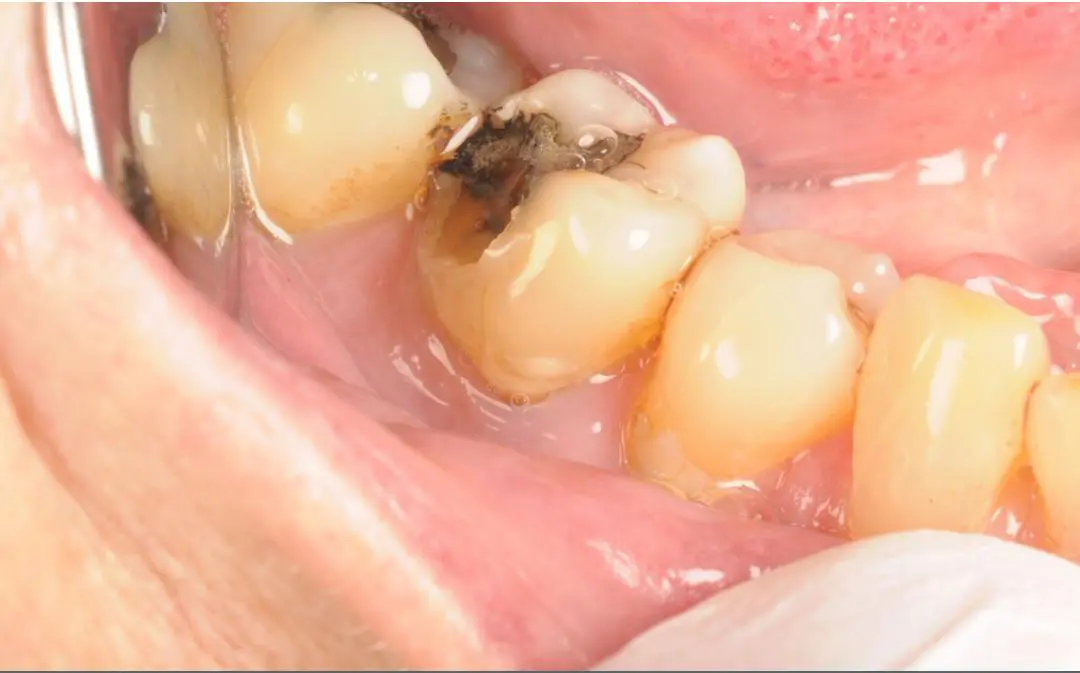
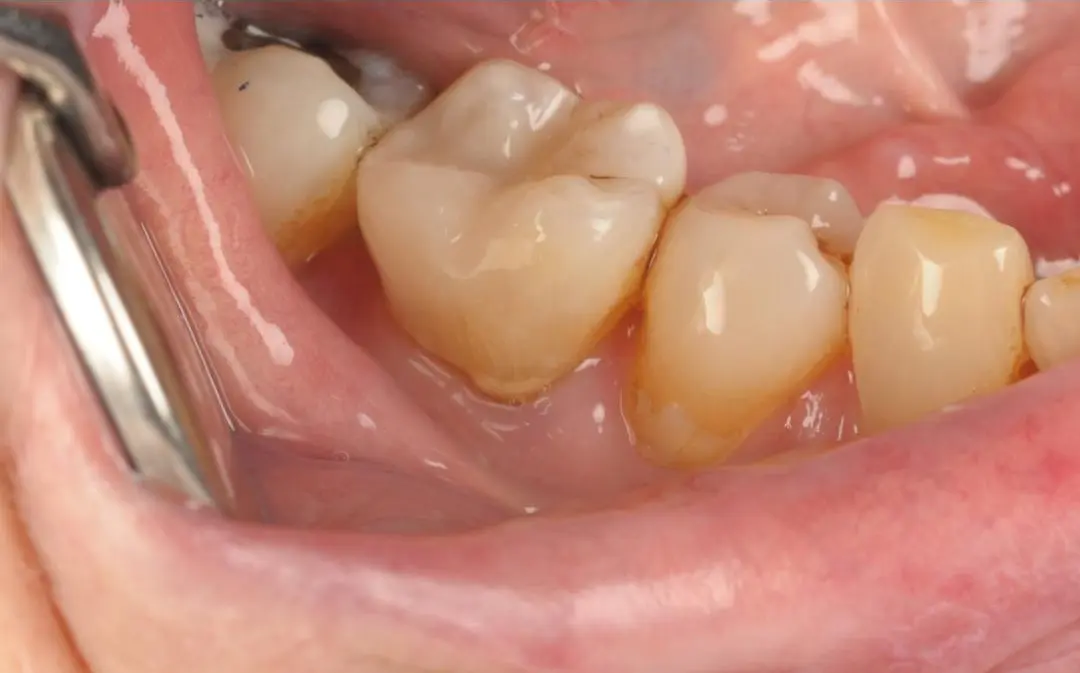
Real Patient Result: Emergency White Filling
Treatment by Dr Kamran
Prompt treatment addresses the source of infection and helps prevent it from spreading. The specific treatment approach depends entirely on clinical findings during examination and cannot be predetermined.
What to Expect at a Late Evening Emergency Dental Appointment
Attending an emergency dental clinic for the first time, particularly in the evening, can feel uncertain. Knowing what to expect can help you feel more prepared.
Upon arrival, a dentist will take a brief medical and dental history and ask you to describe your symptoms, including when they started and their severity. A clinical examination will follow, which may include dental X-rays to assess the extent of any infection, decay, or structural damage.
Based on these findings, the dentist will explain the available treatment options suitable for your specific situation. It is important to note that treatment recommendations are made on an individual basis following examination. The dentist will discuss options with you clearly and address any questions before proceeding.
Treatment provided at an emergency appointment may focus on immediate pain relief and stabilisation, with any further restorative or specialist treatment planned at a follow-up appointment. For patients dealing with a dental abscess or infection, understanding dental abscess symptoms and treatment in advance may help you communicate your symptoms more clearly during your appointment.
Managing Dental Pain Whilst Awaiting Your Appointment
If you are waiting for a late evening appointment, there are some general measures that may help to manage discomfort temporarily. These do not replace professional dental treatment but may provide some short-term relief.
- Over-the-counter pain relief: Ibuprofen or paracetamol, taken according to the manufacturer's guidance and appropriate to your personal health circumstances, may help reduce inflammation and pain.
- Avoid extremes of temperature: Very hot or very cold foods and drinks can aggravate sensitive or exposed nerve tissue.
- Saltwater rinse: Gently rinsing with warm saltwater may help keep the area clean if there is a soft tissue injury or early signs of gum inflammation.
- Avoid pressing on the area: Avoid repeatedly touching or biting down on the affected tooth.
If pain is escalating rapidly, you are developing facial swelling, or you feel generally unwell, do not wait — seek care promptly.
Prevention and Maintaining Good Oral Health
Whilst dental emergencies cannot always be predicted, maintaining good oral health can significantly reduce your risk of experiencing acute dental problems outside of regular hours.
Attending routine dental check-ups, ideally every six to twelve months depending on your dentist's recommendation, allows small problems to be identified and addressed before they develop into more serious issues. Regular professional cleaning helps prevent the build-up of plaque and tartar that can lead to decay and gum disease.
A consistent oral hygiene routine — including twice-daily brushing with a fluoride toothpaste and daily interdental cleaning — forms the foundation of good dental health. If you play contact sports, wearing a custom-fitted mouthguard can help protect your teeth from trauma that might otherwise result in an emergency. Patients interested in preventative dental care can speak with a dental professional about personalised oral health strategies.
When to Seek Professional Dental Assessment
Certain signs and symptoms should prompt you to seek professional dental evaluation promptly, including during evening hours if necessary:
- Toothache that has persisted for more than one to two days
- Pain that is severe, throbbing, or preventing sleep
- Visible swelling of the face, jaw, or gum
- A bad taste in the mouth that may indicate infection
- Sensitivity to pressure when biting down
- A tooth that has been knocked out or significantly displaced following trauma
- A recently fitted crown, filling, or veneer that has dislodged and is causing discomfort
These symptoms do not always indicate the same underlying cause, and an accurate assessment requires a clinical examination by a qualified dental professional.
Key Points to Remember
- Late evening emergency dental appointments after 6 PM are available from private dental clinics in London.
- Dental emergencies include severe toothache, abscesses, trauma, broken teeth, and lost restorations.
- Evening dental pain often intensifies due to changes in blood pressure when lying down.
- Temporary self-care measures may manage discomfort briefly but do not substitute professional treatment.
- Routine dental check-ups remain one of the most effective ways to reduce the likelihood of dental emergencies.
- Always seek urgent attention if you experience facial swelling alongside dental pain.
Frequently Asked Questions
Can I walk in to an emergency dental clinic in London after 6 PM without an appointment?
Some private emergency dental clinics in London do accept walk-in patients outside of regular hours, though availability varies. It is generally advisable to call ahead even in the evening, as this allows the clinic to confirm availability and prepare appropriately for your arrival. Many clinics also offer a telephone triage service to help determine the urgency of your situation and guide you on the most appropriate next step.
Is late evening emergency dental treatment available on the NHS in London?
NHS out-of-hours dental services exist but are typically accessed via the NHS 111 service, which can direct patients to available urgent dental care in their area. However, NHS emergency dental appointments outside of regular hours are not guaranteed and may not be immediately available. Private emergency dental clinics generally offer more flexible access to late evening appointments, though these involve a private fee.
What should I do if I knock a tooth out in the evening?
If a permanent adult tooth is knocked out, handle it carefully by the crown (the visible part) rather than the root. If possible, gently rinse the tooth without scrubbing and attempt to reposition it in the socket. If this is not possible, store the tooth in milk or between your cheek and gum and seek emergency dental treatment as quickly as possible. The sooner treatment is received, the better the likelihood of a positive outcome, though results depend entirely on individual clinical circumstances.
How much does a late evening emergency dental appointment cost in London?
Costs for private emergency dental appointments in London vary depending on the clinic, the time of the appointment, and the treatment required. It is advisable to ask about fees when booking, as most clinics will provide an estimate of consultation costs upfront. Additional treatment costs will depend on what is clinically recommended following examination.
Can a dental abscess wait until the morning if my pain is manageable?
If your dental pain is manageable and there is no significant swelling, it may be appropriate to seek care first thing in the morning, particularly if a late evening appointment is not accessible to you. However, if you notice swelling spreading to your face, jaw, or neck, or you feel feverish or generally unwell, you should seek care urgently — including at an A&E department if necessary — as these signs may indicate a spreading infection.
How do I find a late evening emergency dentist in London?
You can search for private emergency dental clinics in London that offer appointments after 6 PM by searching online for specific evening or out-of-hours dental services. The NHS 111 service can also provide guidance. It is helpful to identify an emergency dental provider before an urgent situation arises, so that you have a point of contact ready if needed.
Conclusion
Finding late evening emergency dental appointments in London can feel stressful, particularly when you are dealing with pain or anxiety. However, the availability of private emergency dental clinics offering after-hours care means that patients do not have to manage serious dental symptoms alone throughout the night.
Understanding what constitutes a dental emergency, knowing how to manage discomfort temporarily, and being aware of where to seek help are all important steps in taking care of your dental health. Maintaining a preventative oral health routine and attending regular check-ups remains the most effective long-term strategy for reducing the likelihood of urgent dental situations arising.
If you are experiencing dental symptoms that concern you, seeking professional advice sooner rather than later is always a sensible approach. Dental symptoms and treatment options should always be assessed individually during a clinical examination.
Disclaimer: This article is intended for general educational purposes only and does not constitute personalised dental advice. Individual diagnosis and treatment recommendations require a clinical examination by a qualified dental professional.
Next Review Due: 13 November 2027