
Few dental experiences are as distressing as a sudden, intense toothache that refuses to subside — the kind of deep, throbbing pain that disrupts your sleep, makes eating impossible, and leaves you searching online at two in the morning for answers. If this sounds familiar, you may be reading about a condition called irreversible pulpitis, one of the more common reasons patients seek emergency dental care in London.
It is entirely understandable to look for information about what might be causing your symptoms. Understanding why your tooth hurts, what is happening inside it, and what treatment options may be available can help you feel more prepared when you speak to a dental professional. Many people want to know whether they genuinely need urgent treatment or whether the pain might settle on its own.
This article explains what irreversible pulpitis is, how it differs from other types of toothache, what causes it, and why emergency root canal treatment is often considered the most appropriate clinical response. We will also discuss the signs that suggest professional dental assessment should not be delayed, alongside practical advice for maintaining long-term oral health.
Experiencing these symptoms?
Delaying treatment can lead to tooth loss. We have slots available today.
Knowing when to act can make a significant difference to the outcome for your tooth.
What Is Irreversible Pulpitis and Does It Require Emergency Root Canal Treatment?
Irreversible pulpitis is a severe inflammatory condition of the dental pulp — the soft tissue inside your tooth containing nerves and blood vessels. Unlike reversible pulpitis, the inflammation has progressed beyond the point where the pulp can heal itself. The pain is typically spontaneous, prolonged, and intense. In most cases, emergency root canal treatment is the recommended approach to relieve pain, remove the infected or inflamed pulp tissue, and preserve the natural tooth structure.
What Causes Irreversible Pulpitis?
Irreversible pulpitis does not usually develop overnight. It is typically the result of a progressive process that has been affecting the tooth over weeks, months, or sometimes longer. Understanding the common causes can help explain why the condition arises and, importantly, how it may sometimes be prevented.
Meet Dr. Yasha Shirazi
Principal Dentist at Emergency Dentist London
"We treat hundreds of dental emergencies every month. The sooner you come in, the easier the fix usually is."
Book an appointment with our team →The most frequent cause is untreated dental decay. When a cavity is left without treatment, bacteria gradually work their way through the outer enamel and the underlying dentine until they reach the pulp chamber. Once bacteria enter the pulp, the body mounts an inflammatory response that can quickly become irreversible.
Other causes include:
- Repeated dental procedures on the same tooth, which may progressively irritate the pulp
- A cracked or fractured tooth, which can expose the pulp to bacteria in the mouth
- Trauma or injury to a tooth, even if no visible crack is present
- Large or deep fillings that sit close to the pulp, where residual bacteria may cause gradual irritation
- Advanced gum disease, which can allow bacteria to access the pulp through the root tips
In many cases, patients recall having milder symptoms — such as brief sensitivity to hot or cold — weeks or months before the severe pain began. This earlier stage is often reversible pulpitis, which, if addressed promptly, may not progress further. Our guide on dental pulp infection symptoms explains some of the warning signs that can appear before pain becomes more severe.
Symptoms and Signs of Irreversible Pulpitis
Recognising the symptoms of irreversible pulpitis can help you understand the urgency of seeking dental advice. While only a clinical examination can confirm a diagnosis, certain signs are strongly associated with this condition.
Pain Characteristics
The hallmark symptom is spontaneous, intense pain that occurs without an obvious trigger. Unlike sensitivity that lasts a few seconds after eating something cold, the pain of irreversible pulpitis tends to:
- Linger for minutes or longer after exposure to hot or cold stimuli
- Arise on its own, particularly at night or when lying down
- Feel deep, throbbing, or pulsating in nature
- Radiate to the jaw, ear, or temple, making it difficult to identify exactly which tooth is affected
Additional Signs
- Pain that worsens with heat but may temporarily improve with cold (a classic indicator)
- Difficulty sleeping due to persistent discomfort
- Pain that is not fully relieved by over-the-counter painkillers
- Increased sensitivity when biting or chewing
It is worth noting that the intensity of symptoms can vary between individuals. Some patients describe the pain as the worst they have ever experienced, while others report a more constant, dull ache. Regardless of severity, persistent dental pain that does not resolve warrants prompt professional assessment.
Understanding the Dental Pulp: The Science Behind the Pain
To appreciate why irreversible pulpitis causes such significant discomfort, it helps to understand a little about the anatomy of a tooth and the role of the dental pulp.
Tooth Structure
Each tooth is made up of several layers:
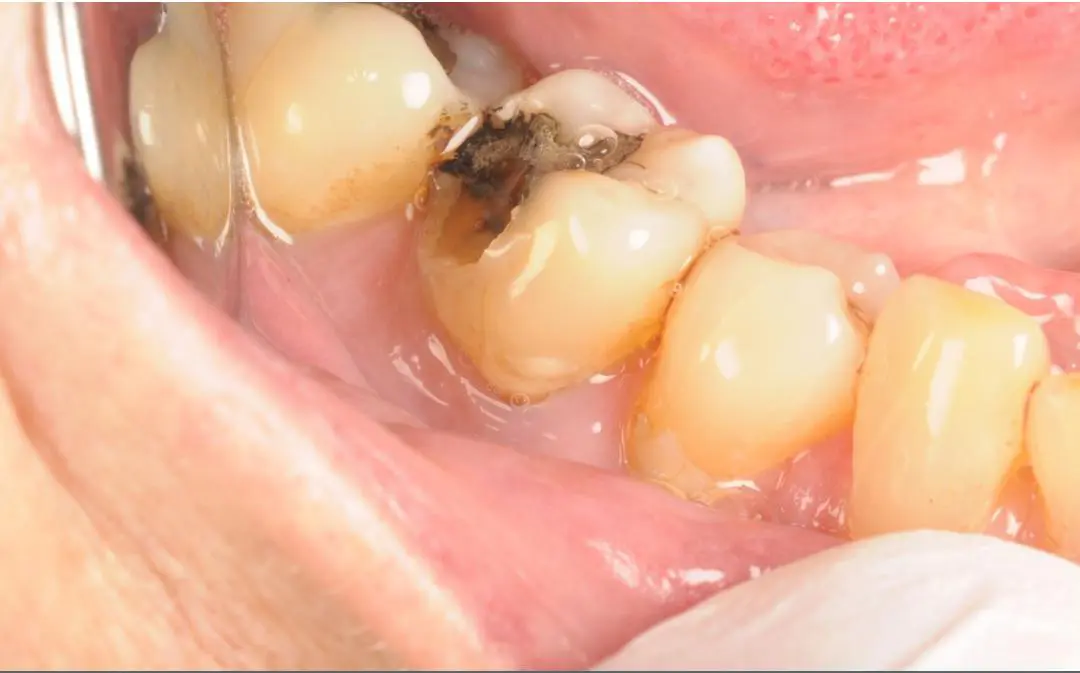
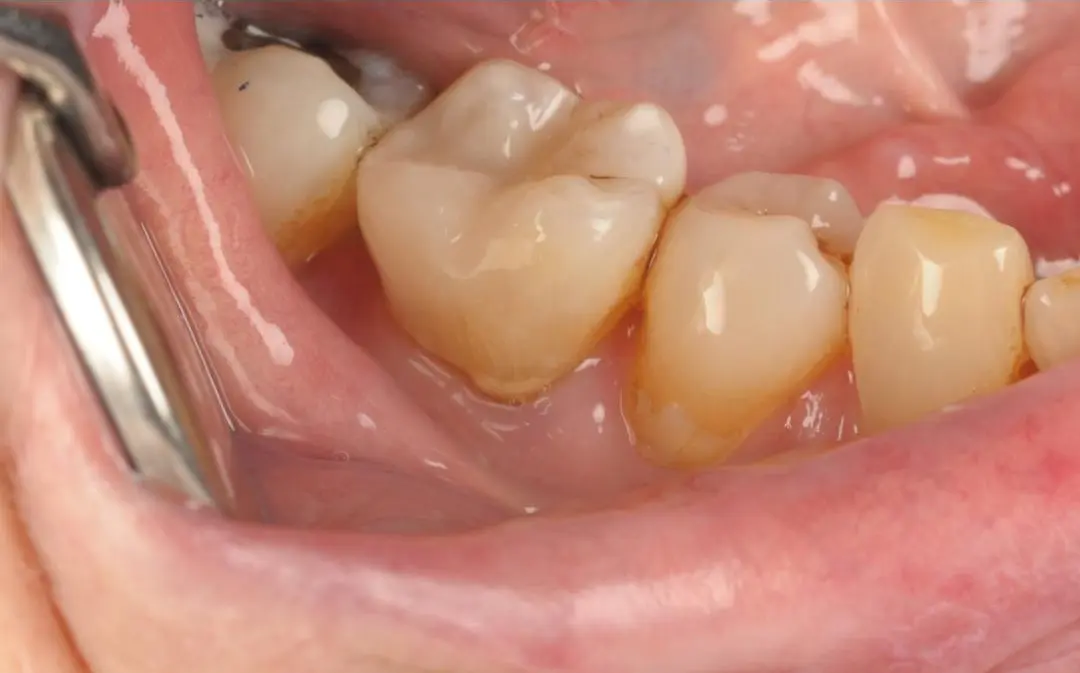
Real Patient Result: Emergency White Filling
Treatment by Dr Kamran
- Enamel — the hard, protective outer coating visible in the mouth
- Dentine — a slightly softer layer beneath the enamel, containing microscopic tubules
- Dental pulp — the innermost soft tissue, housed within the pulp chamber and root canals
The dental pulp contains nerves, blood vessels, and connective tissue. It plays a vital role during tooth development but, once a tooth has fully matured, it can survive without a living pulp — which is what makes root canal treatment a viable option.
Why the Pain Is So Intense
When the pulp becomes inflamed, it swells — just as any other tissue in the body does when injured or infected. However, unlike soft tissue elsewhere, the pulp is enclosed within the rigid walls of the tooth. There is no room for the swelling to expand, which creates intense pressure on the nerve fibres within the pulp.
This pressure is what produces the characteristic severe, throbbing pain. In irreversible pulpitis, the inflammation has caused permanent damage to the pulp tissue. The blood supply becomes compromised, and the pulp begins to break down. Without intervention, this can progress to pulp necrosis (death of the pulp tissue), which may subsequently lead to a dental abscess or spreading infection.
Understanding this process helps explain why the condition does not resolve on its own and why timely treatment is so important.
How Is Irreversible Pulpitis Treated?
When a dentist diagnoses irreversible pulpitis following a thorough clinical and radiographic examination, the primary treatment options are root canal treatment or, in certain cases, extraction of the tooth. The clinical decision depends on several factors, including the extent of damage, the structural integrity of the tooth, and the patient's overall oral health.
Root Canal Treatment
Root canal treatment is the most common approach for managing irreversible pulpitis when the tooth can be preserved. The procedure involves:
- Accessing the pulp chamber through the crown of the tooth
- Removing the inflamed or infected pulp tissue from the chamber and root canals
- Cleaning and shaping the canal system to remove bacteria and debris
- Filling the canals with a biocompatible material to seal them
- Restoring the tooth, typically with a crown or substantial filling, to protect its structure
Many patients are relieved to learn that root canal treatment is carried out under local anaesthesia and, with modern techniques and equipment, is generally no more uncomfortable than having a filling placed. The goal is to eliminate the source of pain and infection while preserving the natural tooth.
Extraction
In cases where the tooth is too severely damaged to restore — for example, if there is extensive decay, a vertical root fracture, or insufficient remaining tooth structure — extraction may be recommended as the more appropriate option. Your dentist would discuss replacement options with you, such as dental implants, bridges, or dentures, depending on your individual circumstances.
Emergency Pain Relief
In an emergency setting, a dentist may begin the root canal procedure or perform a pulpotomy (partial removal of the pulp) to provide immediate pain relief, with the full treatment completed at a subsequent appointment. This approach can be particularly helpful when a patient presents in acute distress.
When Professional Dental Assessment May Be Needed
While mild, brief tooth sensitivity can sometimes resolve without intervention, there are certain situations where seeking a professional dental assessment promptly is advisable. Recognising these signs may help you make informed decisions about your care.
You may wish to consider contacting a dental practice if you experience:
- Persistent toothache lasting more than a day, particularly if it is spontaneous or wakes you at night
- Prolonged sensitivity to hot or cold that lingers for more than 30 seconds after the stimulus is removed
- Swelling of the gum, face, or jaw near the affected tooth
- A bad taste in the mouth, which may indicate the presence of infection
- Pain that radiates to the ear, temple, or jaw
- Difficulty opening the mouth or swallowing, which may suggest a more serious infection
These symptoms do not automatically confirm a specific diagnosis — only a clinical examination with appropriate investigations (such as dental X-rays and vitality testing) can determine the exact cause. However, they do suggest that professional evaluation would be beneficial.
If you are experiencing severe dental pain in London, our information on severe toothache treatment outlines when same-day care may be appropriate and what a dentist may look for during assessment.
Please note: any prices referenced in the above video are indicative only. Prices may vary, and a full treatment plan with associated costs will be provided following an individual consultation and clinical assessment.
Can Irreversible Pulpitis Be Prevented?
While it is not always possible to prevent every dental condition, there are practical steps that may significantly reduce your risk of developing irreversible pulpitis. Most of these relate to maintaining good oral hygiene and attending regular dental check-ups.
Oral Hygiene Habits
- Brush twice daily with a fluoride toothpaste, spending at least two minutes each time
- Clean between your teeth daily using interdental brushes or floss to remove plaque from areas your toothbrush cannot easily reach
- Limit sugary foods and drinks, particularly between meals, as sugar feeds the bacteria that cause tooth decay
- Avoid using your teeth as tools — opening bottles or tearing packaging can cause cracks and fractures
Regular Dental Visits
Attending routine dental check-ups allows your dentist to detect early signs of decay, cracks, or other issues before they progress to involve the pulp. Small cavities are far simpler and less costly to treat than advanced decay that has reached the nerve. If treatment is recommended, our article on whether root canal treatment is painful can help you understand what modern care usually involves.
Your dentist may also recommend preventive treatments such as fissure sealants or fluoride applications in certain cases.
Act on Early Symptoms
If you notice brief sensitivity to hot, cold, or sweet stimuli, do not dismiss it. This may indicate early or reversible pulpitis, and seeking advice at this stage may prevent the condition from progressing to an irreversible state. Early intervention is often the most effective form of prevention.
Key Points to Remember
- Irreversible pulpitis is a severe inflammatory condition of the dental pulp that typically requires professional treatment to resolve.
- The most common cause is untreated tooth decay that has progressed to involve the pulp.
- Symptoms include spontaneous, lingering pain that may worsen at night or with heat exposure.
- Root canal treatment is the standard approach to relieve pain and preserve the affected tooth.
- The condition does not usually resolve on its own and may worsen without intervention.
- Regular dental check-ups and good oral hygiene are among the most effective ways to reduce your risk.
Frequently Asked Questions
Is irreversible pulpitis a dental emergency?
Irreversible pulpitis is generally considered a dental emergency because of the severity of pain it causes and the risk of the condition progressing to pulp death or abscess formation. While the condition is not immediately life-threatening, the intense discomfort typically requires prompt professional attention. Many dental practices, including emergency clinics in London, offer same-day appointments for patients presenting with acute dental pain. Seeking timely assessment allows a dentist to confirm the diagnosis and begin appropriate treatment to relieve symptoms and protect the tooth.
Can irreversible pulpitis heal on its own without treatment?
By definition, irreversible pulpitis means the pulp inflammation has progressed beyond the point of natural recovery. Unlike reversible pulpitis, where the pulp may heal once the irritant is removed, irreversible pulpitis will not resolve without clinical intervention. If left untreated, the pulp tissue will eventually die, which may temporarily reduce pain but can lead to a dental abscess or spreading infection. It is therefore advisable to seek professional dental assessment rather than waiting for the pain to subside on its own, as the underlying condition will still require treatment.
How long does emergency root canal treatment take?
The duration of root canal treatment varies depending on factors such as which tooth is affected, the complexity of its root canal system, and the extent of infection. Front teeth, which typically have a single canal, may be treated in around 45 to 60 minutes. Back teeth (molars), which can have three or four canals, may take longer and sometimes require two appointments. In an emergency setting, a dentist may focus on removing the inflamed pulp and providing pain relief during the first visit, with the full procedure completed at a follow-up appointment.
Is root canal treatment painful?
Modern root canal treatment is carried out under local anaesthesia, which numbs the area around the affected tooth. Most patients report that the procedure itself feels similar to having a filling placed. It is the irreversible pulpitis causing the pain — the root canal treatment is designed to eliminate that pain. In some cases, the inflamed pulp may be more difficult to anaesthetise fully, and your dentist may use additional techniques to ensure your comfort. After the procedure, some mild tenderness is normal for a few days, which can usually be managed with over-the-counter pain relief.
What happens if I delay treatment for irreversible pulpitis?
Delaying treatment for irreversible pulpitis allows the condition to progress. The inflamed pulp tissue will eventually die (pulp necrosis), and bacteria can spread beyond the root tip into the surrounding bone, potentially forming a dental abscess. An abscess may cause significant facial swelling, fever, and general malaise. In rare but serious cases, dental infections can spread to other areas of the head and neck. Early treatment not only relieves pain more quickly but also improves the long-term outlook for preserving the tooth and avoiding more complex interventions.
How can I manage the pain while waiting for my dental appointment?
While waiting for your appointment, you may find some temporary relief by taking over-the-counter pain medication such as ibuprofen (if you are able to take it) and paracetamol, following the dosage instructions on the packaging. Applying a cold compress to the outside of the cheek near the affected area may also help. Some patients find that rinsing gently with warm salt water provides mild comfort. Avoid placing aspirin directly on the gum, as this can cause tissue burns. These measures are temporary and are not a substitute for professional dental treatment.
Conclusion
Irreversible pulpitis is one of the more common causes of severe dental pain, and understanding the condition can help you make informed decisions about seeking care. The intense, spontaneous pain associated with irreversible pulpitis occurs because the dental pulp — the living tissue inside your tooth — has become irreversibly inflamed and cannot heal without professional intervention.
Emergency root canal treatment remains the most widely recommended approach for relieving the pain and preserving the natural tooth. When carried out promptly by a qualified dental professional, the procedure is widely recognised as an effective treatment option, though outcomes depend on individual clinical factors.
Prevention, as always, plays a vital role. Maintaining thorough oral hygiene, attending regular dental check-ups, and responding to early symptoms such as brief sensitivity can all help reduce the likelihood of pulpitis progressing to an irreversible stage.
If you are experiencing persistent or severe dental pain, we would encourage you to contact our dental team for an assessment at the earliest opportunity. Patients who are hoping antibiotics alone will solve the issue may also find our guide on whether antibiotics can replace root canal treatment useful.
Treatment suitability depends on individual clinical assessment. Dental symptoms and treatment options should always be assessed individually during a clinical examination.
Disclaimer
This article is for general educational purposes only and does not constitute professional dental advice, diagnosis, or treatment. Every patient's circumstances are unique; dental symptoms and treatment options should always be assessed during a clinical examination by a qualified dental professional. No specific outcomes are guaranteed. This content has been prepared in line with GDC, CQC, ASA CAP Code, and GMC communication standards. If you have concerns about your oral health, please contact a registered dentist.