
A lingering toothache that keeps you awake at night, a sudden jolt of pain when you sip a hot drink, or an unexplained sensitivity that simply will not go away — these are the kinds of experiences that lead many people to search online for answers. If you have found yourself wondering whether your discomfort could be something more serious, you are certainly not alone. Understanding dental pulp infection symptoms is an important step towards taking control of your oral health and knowing when professional advice may be beneficial.
A dental pulp infection, sometimes referred to as pulpitis, occurs when the soft tissue inside a tooth becomes inflamed or infected. This can happen for a number of reasons, from untreated decay to physical trauma. Left without appropriate clinical attention, a pulp infection may progress and lead to further complications.
This article will explain what the dental pulp is, how infections develop, the symptoms to be aware of, and what treatment approaches a dentist may consider. Our aim is to provide you with clear, practical information so that you feel better equipped to make informed decisions about your dental care. If you are experiencing any concerning symptoms, we always recommend seeking a professional dental assessment.
Experiencing these symptoms?
Delaying treatment can lead to tooth loss. We have slots available today.
What Is a Dental Pulp Infection?
A dental pulp infection is a condition in which the innermost tissue of a tooth — known as the pulp — becomes inflamed or infected. The dental pulp contains nerves, blood vessels, and connective tissue, and it plays an essential role during tooth development. Once a tooth has fully matured, it can survive without the pulp, but an infection within this tissue can cause significant discomfort and may require prompt clinical attention.
The pulp can become compromised when bacteria gain access to the inner chamber of the tooth. This most commonly occurs through:
- Deep dental decay that has progressed through the enamel and dentine layers
- Cracks or fractures in the tooth structure
- Repeated dental procedures on the same tooth
- Trauma or injury to the tooth, even without visible damage
When bacteria reach the pulp, the body's immune response triggers inflammation. This is known as pulpitis, and it can be categorised as either reversible or irreversible depending on the extent of damage. In reversible pulpitis, the inflammation may settle with appropriate treatment. In irreversible cases, the pulp tissue may be too damaged to recover, and more comprehensive intervention is typically needed.
Meet Dr. Yasha Shirazi
Principal Dentist at Emergency Dentist London
"We treat hundreds of dental emergencies every month. The sooner you come in, the easier the fix usually is."
Book an appointment with our team →Understanding the underlying cause of a pulp infection is important, as it helps guide the most suitable treatment approach during a clinical assessment.
How Does a Dental Pulp Infection Develop? Understanding the Anatomy
To understand how a dental pulp infection occurs, it helps to know a little about the structure of a tooth. Each tooth is made up of several layers, each with a distinct function.
Enamel is the hard, white outer layer that protects the visible part of the tooth. It is the hardest substance in the human body and acts as the first line of defence against bacteria and physical wear. Beneath the enamel lies dentine, a slightly softer, yellowish layer that makes up the bulk of the tooth structure. Dentine contains microscopic tubules that can transmit sensations — which is why exposed dentine often leads to sensitivity.
At the very centre of the tooth is the dental pulp, a soft tissue chamber that extends from the crown of the tooth down into the root canals. The pulp is rich in nerve fibres and blood vessels, which is why problems affecting this area tend to produce noticeable symptoms.
When tooth decay begins on the outer surface, it gradually works its way inward. If it breaches the enamel and continues through the dentine, bacteria can eventually reach the pulp chamber. Once inside, the infection can spread through the root canals and potentially into the surrounding bone and soft tissues. This progression is why early detection and treatment of dental decay are so important in helping to prevent pulp infections from developing.
Dental Pulp Infection Symptoms: What to Look Out For
Recognising the symptoms of a dental pulp infection early can make a meaningful difference to treatment outcomes. Whilst symptoms can vary from person to person, there are several common signs that may indicate the pulp of a tooth has become inflamed or infected.
Persistent or Throbbing Toothache
One of the most frequently reported symptoms is a persistent, throbbing pain that may intensify over time. This discomfort can sometimes radiate to the jaw, ear, or temple on the affected side. Unlike a brief twinge of sensitivity, pulp-related pain often lingers and may worsen when lying down.
Heightened Sensitivity to Temperature
Increased sensitivity to hot or cold food and drinks is another common indicator. Whilst mild sensitivity can be relatively normal, prolonged or intense reactions — particularly to heat — may suggest that the pulp is compromised. If sensitivity to hot substances lingers for more than a few seconds after the stimulus is removed, this may warrant professional investigation.
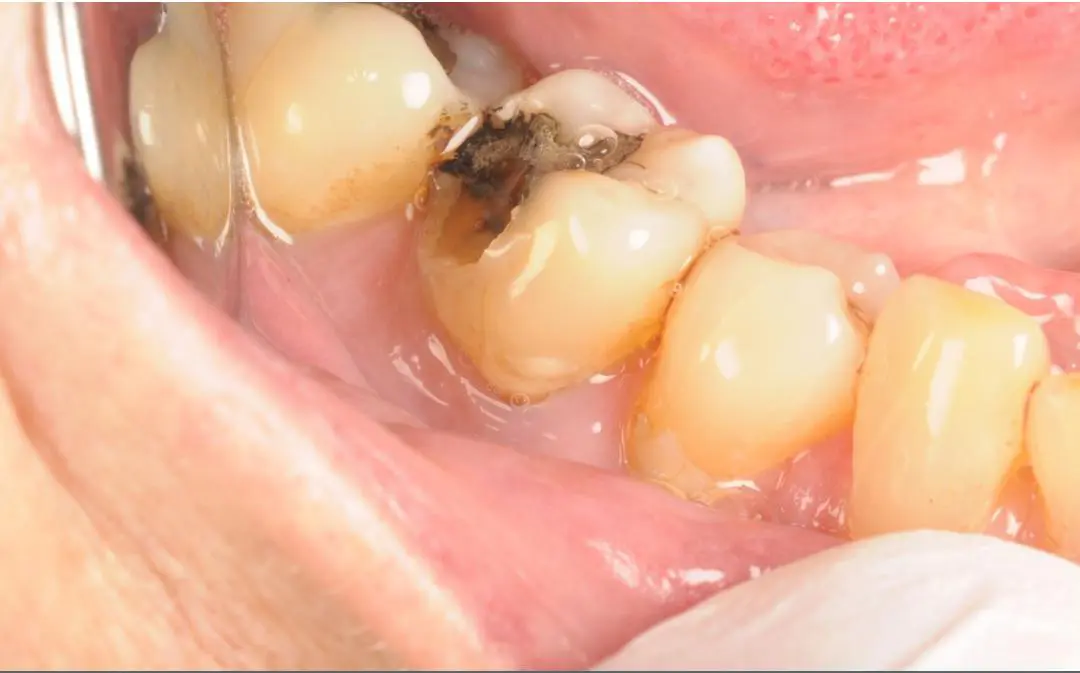
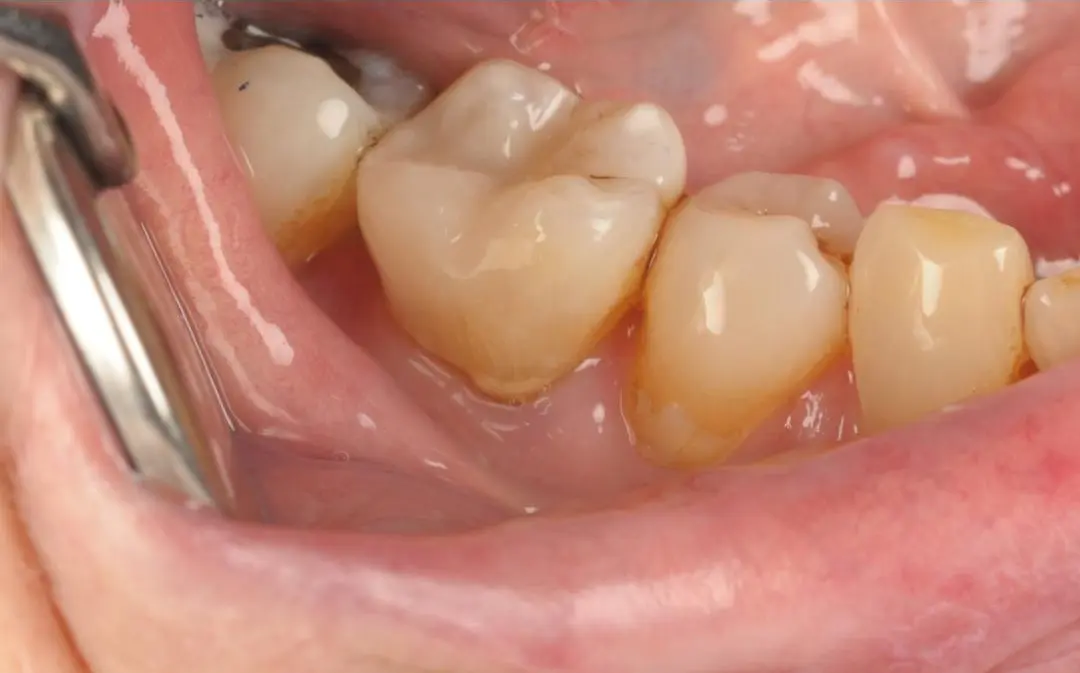
Real Patient Result: Emergency White Filling
Treatment by Dr Kamran
Pain When Biting or Chewing
Discomfort when applying pressure to a tooth, such as when biting down or chewing, can be a sign that inflammation has extended to the tissues surrounding the root of the tooth. This type of tenderness may indicate that the infection is affecting the area beyond the pulp itself.
Swelling or Tenderness in the Gum
Localised swelling around a specific tooth, or a small bump on the gum near the affected area, may suggest the presence of an abscess. This occurs when infection spreads from the pulp through the root tip and into the surrounding tissues.
Tooth Discolouration
A tooth that has become noticeably darker than its neighbours may be showing signs of pulp damage. This discolouration can occur when the internal tissue breaks down, affecting the colour of the dentine from within.
Reversible vs Irreversible Pulpitis: Understanding the Difference
Not all pulp inflammation is the same, and understanding the distinction between reversible and irreversible pulpitis can help provide useful context when discussing treatment options with your dentist.
Reversible pulpitis occurs when the pulp is inflamed but has not sustained permanent damage. Symptoms are typically mild and short-lived — for example, a brief sharp sensation when consuming something cold that subsides quickly once the stimulus is removed. In many cases, addressing the underlying cause, such as treating a cavity or replacing a defective filling, may allow the pulp to heal and the symptoms to resolve.
Irreversible pulpitis, on the other hand, indicates that the pulp has been damaged to a degree where it can no longer recover on its own. Symptoms tend to be more intense, prolonged, and may occur spontaneously without any obvious trigger. The pain may keep you awake at night and may not respond well to over-the-counter pain relief alone.
It is worth noting that distinguishing between these two forms of pulpitis often requires a thorough clinical examination, including dental X-rays and specific diagnostic tests. A dentist will assess the nature, duration, and severity of your symptoms alongside clinical findings to determine the most appropriate course of action.
If you are unsure about the nature of your symptoms, seeking professional advice is always a sensible step. Only a qualified dental professional can accurately determine the condition of the pulp following a proper examination.
What Causes a Dental Pulp Infection?
Several factors can contribute to the development of a dental pulp infection. Understanding these causes may help you take steps to reduce your risk and maintain better oral health over time.
Untreated Tooth Decay
The most common cause of pulp infection is dental decay that has been left untreated. When cavities are not addressed, the decay can progress deeper into the tooth until bacteria eventually reach the pulp chamber. Regular dental check-ups can help identify decay at an early stage, when it is often simpler to treat.
Dental Trauma
A blow to the face, a fall, or a sporting injury can damage a tooth even if no visible crack is present. Trauma can disrupt the blood supply to the pulp or cause microscopic fractures that allow bacteria to enter over time. In some cases, symptoms may not appear until weeks or even months after the initial injury.
Cracked or Fractured Teeth
Visible cracks or fractures in a tooth create a direct pathway for bacteria to reach the inner structures. Even small cracks that are difficult to see with the naked eye can allow bacterial infiltration over time, particularly if the crack extends into the dentine layer.
Repeated Dental Procedures
Teeth that have undergone multiple procedures — such as several fillings or restorations — may be at a slightly higher risk of pulp irritation. Each procedure, whilst necessary, involves some degree of work near the pulp, which can contribute to cumulative stress on the tissue.
Gum Disease
Advanced gum disease can also play a role. When the supporting structures around a tooth are compromised, bacteria may gain access to the root surface and eventually affect the pulp through the root canals.
When Professional Dental Assessment May Be Needed
Whilst occasional, mild tooth sensitivity is relatively common, certain symptoms may indicate that a professional dental evaluation would be advisable. Recognising when to seek advice can help ensure that any issues are identified and managed appropriately.
You may wish to consider booking a dental appointment if you experience:
- Persistent toothache that lasts for more than a day or two and does not improve with standard pain relief
- Prolonged sensitivity to hot or cold that lingers after the stimulus is removed
- Spontaneous pain that occurs without any apparent cause, particularly at night
- Swelling in the gum, face, or jaw area near a specific tooth
- A pimple-like bump on the gum, which may indicate a dental abscess
- Darkening of a tooth compared to surrounding teeth
- Pain when biting or touching a particular tooth
These symptoms do not necessarily confirm a pulp infection, as similar signs can be associated with other dental conditions. However, a clinical examination — including X-rays and diagnostic tests — allows a dentist to assess the situation accurately and recommend the most appropriate next steps.
If you are experiencing dental pain or discomfort that is affecting your daily life, seeking timely advice is a positive step. Early assessment may help prevent further complications and provide you with peace of mind.
Treatment Approaches for Dental Pulp Infections
The treatment for a dental pulp infection depends on the severity of the condition and the extent of damage to the pulp tissue. Your dentist will recommend the most suitable approach based on a thorough clinical assessment.
Fillings or Restorations
In cases of reversible pulpitis, where the pulp is inflamed but not permanently damaged, removing the source of irritation — such as a cavity — and placing a filling or restoration may be sufficient. The aim is to protect the pulp and allow it to recover naturally.
Root Canal Treatment
When the pulp is irreversibly damaged or infected, root canal treatment is one of the most commonly recommended procedures. This involves carefully removing the infected pulp tissue, cleaning and disinfecting the root canals, and then sealing the tooth to prevent further infection. Contrary to common misconceptions, modern root canal treatment is generally carried out under local anaesthetic and is well tolerated by most patients.
Extraction
In some cases, if the tooth is too severely damaged to be preserved, extraction may be the most appropriate option. Your dentist will discuss all available options with you and explain the reasoning behind any recommended treatment plan.
Antibiotics
Antibiotics may be prescribed in certain situations to help manage infection, particularly if there is significant swelling or if the infection has spread beyond the tooth. However, antibiotics alone do not treat the underlying cause of a pulp infection and are typically used alongside other dental treatments.
It is important to remember that every case is different, and treatment suitability depends on individual clinical findings.
Prevention and Oral Health Advice
Whilst it is not always possible to prevent a dental pulp infection entirely, there are practical steps you can take to reduce your risk and support good overall oral health.
Maintain a Consistent Oral Hygiene Routine
Brushing your teeth twice daily with a fluoride toothpaste and cleaning between your teeth with interdental brushes or floss helps to remove plaque and bacteria before they can cause decay. Paying attention to your technique and reaching all surfaces of your teeth is just as important as frequency.
Attend Regular Dental Check-Ups
Routine dental examinations allow your dentist to identify early signs of decay, cracks, or other issues before they progress to involve the pulp. How often you need to attend may vary depending on your individual oral health needs, so speak with your dentist about a suitable schedule.
Address Dental Problems Promptly
If you notice a cavity, sensitivity, or a small chip in a tooth, arranging a dental appointment sooner rather than later can help prevent the problem from worsening. Early intervention is often simpler and more conservative than treatment required for advanced issues.
Protect Your Teeth During Physical Activity
If you participate in contact sports or activities with a risk of facial injury, wearing a properly fitted mouthguard can help protect your teeth from trauma that could damage the pulp.
Limit Sugary and Acidic Foods and Drinks
Frequent consumption of sugary or acidic foods and drinks contributes to enamel erosion and tooth decay. Moderating your intake and rinsing your mouth with water after consuming such items can help protect your teeth.
Key Points to Remember
- Dental pulp infection symptoms can include persistent toothache, prolonged sensitivity to temperature, pain when biting, gum swelling, and tooth discolouration.
- The dental pulp is the soft tissue at the centre of a tooth containing nerves and blood vessels, making infections in this area particularly uncomfortable.
- Pulpitis may be reversible or irreversible, and only a clinical examination can determine the extent of pulp damage.
- Common causes include untreated decay, dental trauma, cracked teeth, and advanced gum disease.
- Early professional assessment may help prevent complications and improve treatment outcomes.
- Good oral hygiene, regular dental visits, and prompt attention to dental problems can help reduce the risk of pulp infections.
Frequently Asked Questions
What does a dental pulp infection feel like?
A dental pulp infection often presents as a persistent, throbbing toothache that may intensify at night or when lying down. You may also experience heightened sensitivity to hot and cold temperatures, with the sensation lingering longer than usual after the stimulus is removed. Some patients describe spontaneous episodes of sharp pain without any obvious trigger. Swelling around the affected tooth and tenderness when biting are also common. The experience can vary between individuals, so if you have any concerns about ongoing dental discomfort, it is advisable to arrange a professional assessment to determine the cause.
Can a dental pulp infection heal on its own?
In cases of mild, reversible pulpitis, the inflammation may settle once the underlying cause — such as a small cavity — is appropriately treated by a dentist. However, an established pulp infection where the tissue has become irreversibly damaged is unlikely to resolve without professional intervention. Delaying treatment may allow the infection to spread to surrounding tissues and bone. Whilst over-the-counter pain relief may temporarily ease discomfort, it does not address the source of the problem. Seeking dental advice is the most reliable way to ensure the issue is properly assessed and managed.
Is root canal treatment painful?
Modern root canal treatment is carried out under local anaesthetic, and most patients report that the procedure itself is no more uncomfortable than having a standard filling. The goal of root canal treatment is to remove the source of infection and relieve pain, so many patients feel significantly better afterwards. Some mild tenderness in the days following the procedure is normal and usually manageable with standard pain relief. Your dentist will ensure you are comfortable throughout the treatment and will explain each step of the process so you know what to expect.
How can I tell the difference between normal sensitivity and a pulp infection?
Normal tooth sensitivity typically involves a brief, sharp sensation in response to cold, sweet, or acidic stimuli that subsides quickly once the trigger is removed. Pulp-related symptoms, on the other hand, tend to be more intense, longer-lasting, and may occur spontaneously. Sensitivity to heat that lingers for several seconds or longer is often considered more suggestive of pulp involvement than sensitivity
Disclaimer
This article is for general educational purposes only and does not constitute professional dental advice, diagnosis, or treatment. Every patient's circumstances are unique; dental symptoms and treatment options should always be assessed during a clinical examination by a qualified dental professional. No specific outcomes are guaranteed. This content has been prepared in line with GDC, CQC, ASA CAP Code, and GMC communication standards. If you have concerns about your oral health, please contact a registered dentist.