
If you've ever experienced a severe toothache or been told you may need root canal treatment, one of the first questions that comes to mind is often: can antibiotics replace root canal treatment altogether? It's a completely understandable concern. Many patients hope that a short course of medication might resolve the problem without the need for a dental procedure.
This is one of the most frequently searched dental questions in the UK, and for good reason. The idea of avoiding a procedure by simply taking tablets is appealing. However, the reality of how tooth infections work — and what antibiotics can and cannot do — is something every patient deserves to understand clearly.
In this article, we'll explore the role antibiotics play in managing dental infections, explain why root canal treatment exists as a procedure, and help you understand when each approach may be appropriate. Understanding the difference could make a significant impact on your long-term oral health.
Experiencing these symptoms?
Delaying treatment can lead to tooth loss. We have slots available today.
If you're currently experiencing dental pain or swelling, seeking professional dental advice promptly is always recommended.
Can Antibiotics Replace Root Canal Treatment?
Antibiotics cannot replace root canal treatment. Antibiotics may help manage bacterial infection and reduce swelling temporarily, but they cannot remove infected or dead tissue from inside a tooth. Root canal treatment addresses the source of infection within the tooth's pulp chamber. Without removing this damaged tissue, the underlying problem typically persists or worsens. A clinical dental assessment is needed to determine the most appropriate course of treatment for each individual case.
Why Do People Ask Whether Antibiotics Can Replace Root Canal?
It's natural for patients to explore alternatives before committing to any dental procedure. Root canal treatment has, unfortunately, developed an undeserved reputation over the years, often fuelled by outdated information or anxiety about dental visits.
Meet Dr. Yasha Shirazi
Principal Dentist at Emergency Dentist London
"We treat hundreds of dental emergencies every month. The sooner you come in, the easier the fix usually is."
Book an appointment with our team →Many patients visit their GP or search online when dental pain strikes, hoping antibiotics might offer a simpler solution. In some cases, a GP may prescribe antibiotics to manage acute symptoms — particularly when a dental appointment isn't immediately available. This can create the impression that antibiotics have resolved the issue entirely when, in reality, they may have only suppressed the symptoms temporarily.
The search for alternatives is also driven by dental anxiety, which affects a significant proportion of adults in the UK. Cost considerations, time constraints, and general apprehension about dental procedures all contribute to the desire to find an easier route.
Understanding what antibiotics can genuinely achieve — and where their limitations lie — helps patients make informed decisions about their dental care. The goal isn't to create concern, but rather to ensure that patients have access to balanced, accurate information when considering their options.
How Dental Infections Develop Inside a Tooth
To understand why antibiotics alone may not resolve a tooth infection, it helps to know a little about tooth anatomy and how infections occur.
Each tooth has an outer layer of hard enamel, beneath which sits a layer called dentine. At the centre of the tooth lies the dental pulp — a soft tissue containing nerves, blood vessels, and connective tissue. The pulp extends from the crown of the tooth down through narrow channels called root canals, reaching the tip of each root.
When tooth decay progresses deeply enough, or when a tooth suffers trauma such as a crack or fracture, bacteria can reach the pulp chamber. Once bacteria enter this space, the pulp tissue can become inflamed and infected. This condition is known as pulpitis, and if it progresses, the pulp tissue may eventually die.
A dead or severely infected pulp creates an environment where bacteria can multiply and spread beyond the tooth into the surrounding bone and tissues. This can lead to a dental abscess — a collection of pus caused by bacterial infection.
Because the pulp sits inside a hard, enclosed structure, the body's immune system and blood supply have limited access to this area. This is a key reason why the infection inside a tooth behaves differently from infections in other parts of the body.
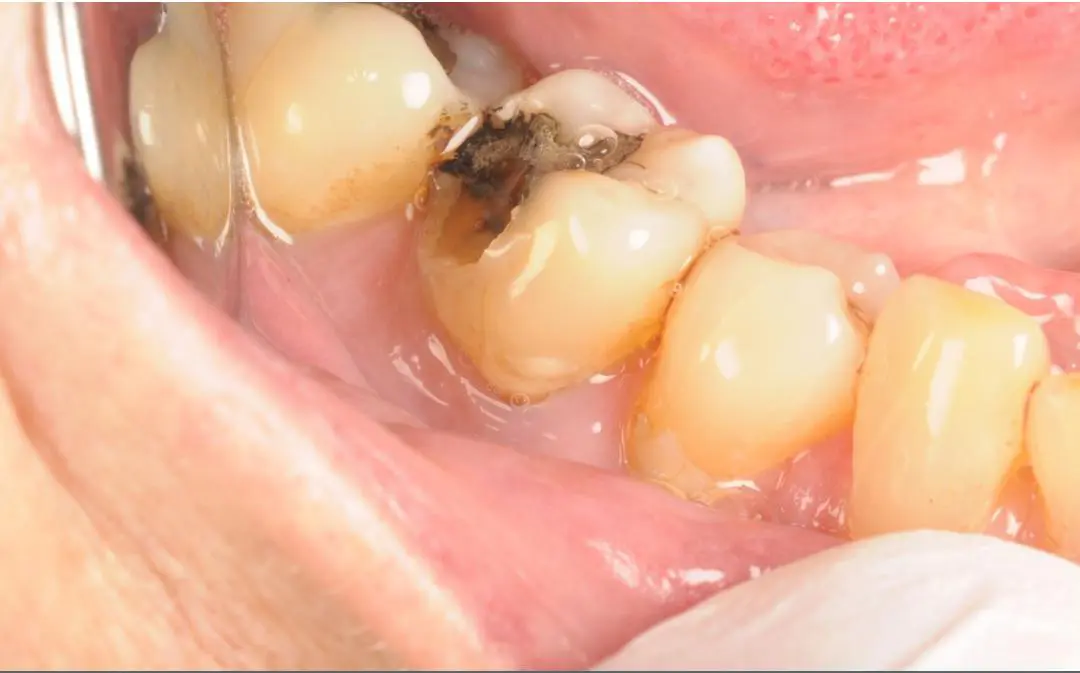
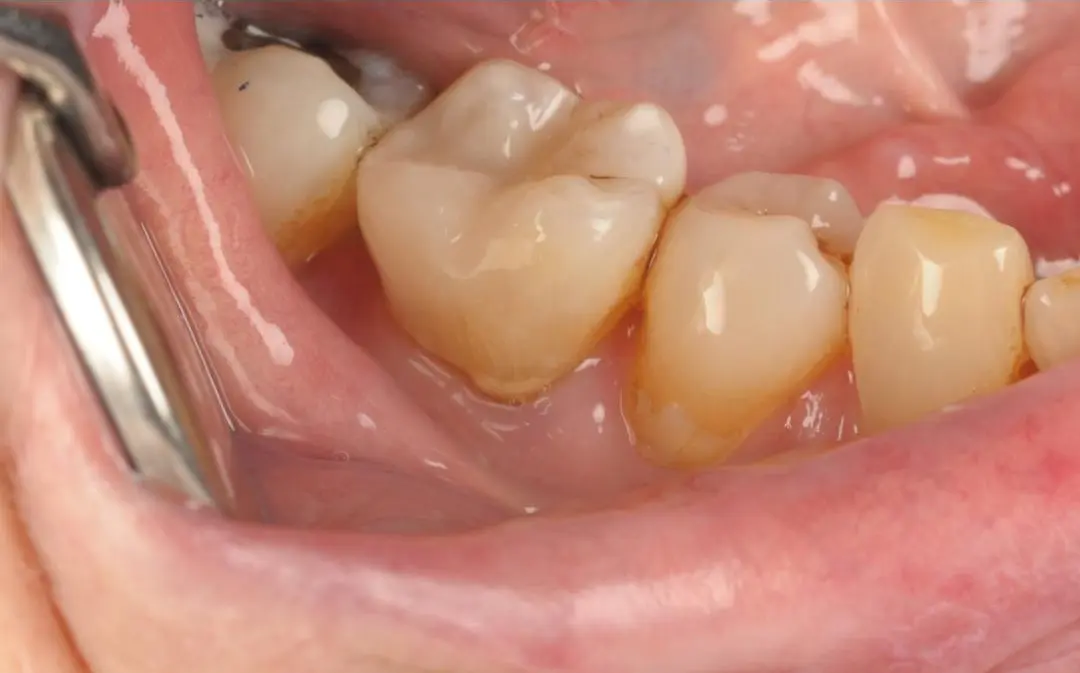
Real Patient Result: Emergency White Filling
Treatment by Dr Kamran
What Antibiotics Can and Cannot Do for Tooth Infections
Antibiotics are valuable medicines that play an important role in healthcare, including dentistry. However, their capabilities in treating dental infections have specific limitations that are important to understand.
What Antibiotics Can Do
- Help control the spread of infection beyond the tooth into surrounding tissues
- Reduce swelling and inflammation associated with an acute dental abscess
- Support the body's immune response when infection is spreading
- Provide temporary symptom relief while awaiting definitive dental treatment
What Antibiotics Cannot Do
- Reach the inside of a dead tooth — once the blood supply to the pulp has been compromised, antibiotics delivered through the bloodstream cannot effectively penetrate the infected pulp chamber
- Remove dead or necrotic tissue — the source of infection remains inside the tooth
- Provide a permanent cure for the underlying dental condition
- Reverse structural damage to the tooth caused by decay or trauma
In essence, antibiotics may manage symptoms and help control infection spread, but they do not address the root cause of the problem within the tooth itself.
What Happens During Root Canal Treatment?
Root canal treatment — also known as endodontic treatment — is a procedure designed to remove infected or damaged pulp tissue from inside the tooth, clean and disinfect the root canal system, and seal the space to help prevent reinfection.
The general stages of root canal treatment include:
- Assessment and imaging — your dentist examines the tooth and takes X-rays to assess the extent of infection and the anatomy of the root canals
- Local anaesthesia — the area around the tooth is numbed to ensure comfort during the procedure
- Accessing the pulp chamber — a small opening is made in the crown of the tooth to reach the pulp
- Cleaning and shaping — specialised instruments are used to carefully remove infected tissue and shape the root canals
- Disinfection — the canal system is irrigated with antimicrobial solutions
- Filling and sealing — the cleaned canals are filled with a biocompatible material and sealed
- Restoration — the tooth is typically restored with a filling or crown to protect its structure
Modern root canal treatment is generally a comfortable procedure carried out under effective local anaesthesia. Many patients report that the experience is similar to having a routine filling placed. If you'd like to learn more about how this procedure works, our page on root canal treatment provides further detail.
Can Antibiotics Be Used Alongside Root Canal Treatment?
Yes — in certain clinical situations, a dentist may prescribe antibiotics in addition to root canal treatment, rather than as a replacement for it.
Antibiotics may be considered alongside dental treatment when:
- There is significant facial swelling suggesting the infection has spread beyond the tooth
- The patient is experiencing systemic symptoms such as fever or malaise
- There are signs of a spreading infection that requires additional support
- The patient has certain medical conditions that may affect their ability to fight infection
In these situations, antibiotics serve as a supportive measure while the definitive treatment — removing the source of infection from inside the tooth — is carried out.
It's worth noting that antibiotic prescribing in dentistry follows careful guidelines. The increasing global concern around antimicrobial resistance means that dentists are encouraged to prescribe antibiotics only when clinically indicated, rather than as a routine measure for all dental infections. Responsible antibiotic use is an important part of modern dental care.
The Science Behind Why Antibiotics Alone Fall Short
The key scientific reason antibiotics cannot replace root canal treatment relates to blood supply and tissue viability.
Antibiotics travel through the bloodstream to reach sites of infection. For them to work effectively, they need adequate blood flow to deliver sufficient concentrations of the medication to the infected area.
When the dental pulp becomes severely infected or dies (a condition called pulp necrosis), the blood supply within the tooth is compromised or lost entirely. This means:
- Antibiotics circulating in the blood cannot reach the interior of the tooth in therapeutic concentrations
- The dead tissue inside the tooth becomes a reservoir for bacteria that antibiotics cannot clear
- Bacteria within the root canal system exist in complex communities called biofilms, which are inherently more resistant to antibiotics than free-floating bacteria
This is why physical removal of the infected tissue — through root canal treatment or, in some cases, extraction — is necessary to address the source of infection. It's not that antibiotics are ineffective medicines; rather, the unique anatomy of a tooth creates an environment where antibiotics alone cannot resolve the problem.
When Professional Dental Assessment May Be Needed
Certain symptoms may suggest that a dental infection or pulp-related issue requires professional evaluation. If you experience any of the following, it may be appropriate to seek dental advice:
- Persistent or worsening toothache that doesn't respond to over-the-counter pain relief
- Sensitivity to hot or cold that lingers after the stimulus is removed
- Swelling in the gum, face, or jaw area
- A pimple-like bump on the gum near a tooth (sometimes called a sinus tract or gum boil)
- Darkening or discolouration of a tooth
- Pain when biting or applying pressure to a tooth
- A bad taste in the mouth that may indicate drainage from an infection
These symptoms don't necessarily mean you need root canal treatment — only a thorough clinical examination and appropriate diagnostic tests can determine the most suitable approach. However, seeking timely advice allows your dentist to assess the situation and discuss options with you.
If you're experiencing dental pain or swelling, particularly outside of normal surgery hours, our emergency dentist service is available to help.
Please note: any prices referenced in associated materials are indicative only. Prices may vary, and a full treatment plan with costs will be provided at consultation.
What Happens If a Tooth Infection Is Left Untreated?
While it's important not to be alarmist, understanding the potential progression of an untreated tooth infection helps illustrate why addressing the source of infection matters.
If infected pulp tissue remains inside a tooth without treatment:
- The infection may gradually spread to the bone surrounding the tooth root, potentially leading to bone loss
- A dental abscess may develop, causing swelling, pain, and possible drainage
- In some cases, infection can spread to nearby tissue spaces in the face and neck
- The tooth may become increasingly weakened and potentially non-restorable over time
- Chronic low-grade infections may persist with intermittent symptoms, sometimes with periods of apparent improvement followed by flare-ups
Repeated courses of antibiotics without definitive treatment may temporarily manage symptoms but generally do not resolve the underlying condition. Over time, this approach may also contribute to antibiotic resistance.
Seeking professional assessment when symptoms first appear may provide a better opportunity for preserving the affected tooth and maintaining your oral health.
Prevention and Oral Health Advice
While not all dental infections can be prevented, there are practical steps that may help reduce your risk of developing conditions that could lead to pulp damage and infection:
- Maintain a consistent oral hygiene routine — brush twice daily with fluoride toothpaste and clean between your teeth daily with interdental brushes or floss
- Attend regular dental check-ups — routine examinations allow your dentist to identify early signs of decay or damage before they progress to the pulp
- Address tooth decay promptly — having cavities treated with fillings while they are small helps prevent bacteria from reaching deeper tooth structures
- Wear a mouthguard during sports — trauma to teeth is a common cause of pulp damage, and a properly fitted mouthguard can offer protection
- Manage teeth grinding (bruxism) — if you grind or clench your teeth, discuss this with your dentist, as it can cause cracks that allow bacteria to enter the tooth
- Limit sugary and acidic foods and drinks — these contribute to enamel erosion and tooth decay
If you're interested in maintaining your dental health through regular professional care, you can explore information about dental check-ups and examinations on our website.
Key Points to Remember
- Antibiotics cannot replace root canal treatment — they may manage symptoms temporarily but cannot remove infected tissue from inside a tooth
- The dental pulp sits within a hard, enclosed structure that antibiotics in the bloodstream cannot effectively reach once the blood supply is compromised
- Root canal treatment addresses the source of infection by physically removing damaged tissue and sealing the tooth
- Antibiotics may be prescribed alongside dental treatment when infection has spread, but not as a standalone cure
- Responsible antibiotic use is important — unnecessary courses contribute to antimicrobial resistance
- Seeking timely professional dental advice when symptoms arise gives a good chance of preserving your tooth and oral health
Frequently Asked Questions
Why can't my GP just give me antibiotics for a tooth infection?
Your GP may prescribe antibiotics if you present with signs of a spreading dental infection, particularly if a dental appointment isn't immediately available. However, GPs generally recognise that antibiotics serve as a temporary measure in these situations. The source of a tooth infection lies within the tooth itself, and only dental treatment can address this. Your GP will typically advise you to see a dentist as soon as possible for definitive assessment and management of the underlying dental condition.
Is root canal treatment painful?
Modern root canal treatment is carried out under local anaesthesia, which numbs the tooth and surrounding area. Most patients find the procedure no more uncomfortable than having a standard filling placed. If you're experiencing significant pain before the procedure, the treatment itself often provides relief by removing the source of infection and inflammation. Your dentist will ensure you're comfortable throughout and can discuss sedation options if dental anxiety is a concern.
How many courses of antibiotics can I take for a recurring tooth infection?
There is no specific safe limit, but repeated courses of antibiotics for the same dental infection are generally not recommended as a long-term strategy. Each course provides only temporary relief without addressing the underlying cause. Additionally, repeated antibiotic use increases the risk of developing antibiotic-resistant bacteria. If you find yourself needing multiple courses of antibiotics for a dental issue, it's important to have the tooth assessed professionally so that the source of the infection can be identified and appropriately managed.
Can a tooth infection go away on its own without treatment?
Acute symptoms of a tooth infection — such as pain and swelling — may sometimes subside temporarily, giving the impression that the infection has resolved. However, this typically means the infection has transitioned to a chronic phase rather than disappeared entirely. The bacteria and dead tissue remain inside the tooth, and the infection may flare up again in the future or continue to cause damage silently. A dental examination is the most reliable way to assess whether an infection has truly resolved.
What are the alternatives if I don't want root canal treatment?
If root canal treatment is recommended but you prefer to explore other options, the main alternative is usually tooth extraction — removing the infected tooth entirely. This eliminates the source of infection but means losing the natural tooth. Your dentist can discuss tooth replacement options such as dental implants, bridges, or dentures if extraction is chosen. It's important to have a thorough conversation with your dentist about the benefits and considerations of each option before making a decision.
Are there any natural remedies that can cure a tooth infection?
While some home remedies — such as warm salt water rinses — may provide minor temporary comfort, there are no scientifically proven natural remedies that can cure an infection within the dental pulp. The enclosed nature of the tooth means that the infected tissue cannot be reached or resolved by external rinses or natural products. Home remedies should not be used as a substitute for professional dental care, though they may be used as a supportive comfort measure while awaiting a dental appointment.
Conclusion
The question of whether antibiotics can replace root canal treatment is one that many patients understandably ask. While antibiotics are valuable medicines that play a supportive role in managing dental infections, they cannot address the source of infection that lies within the tooth itself. Root canal treatment remains the established clinical approach for removing infected pulp tissue, preserving natural teeth, and resolving dental infections at their origin.
If you're experiencing symptoms of a tooth infection — such as persistent pain, swelling, or sensitivity — seeking professional dental advice is the most important step you can take. Early assessment may provide a better opportunity for effective treatment and preserving your natural tooth.
Dental symptoms and treatment options should always be assessed individually during a clinical examination. Treatment suitability depends on individual clinical assessment.
Your oral health is an important part of your overall wellbeing, and understanding the facts helps you make confident, informed decisions about your care.
Disclaimer
This article is for general educational purposes only and does not constitute professional dental advice, diagnosis, or treatment. Every patient's circumstances are unique; dental symptoms and treatment options should always be assessed during a clinical examination by a qualified dental professional. No specific outcomes are guaranteed. This content has been prepared in line with GDC, CQC, ASA CAP Code, and GMC communication standards. If you have concerns about your oral health, please contact a registered dentist.