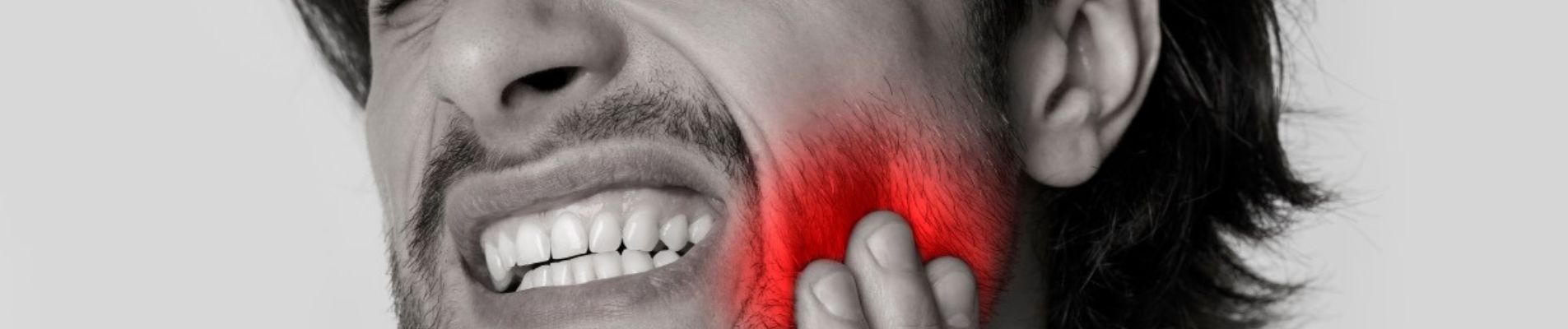
Many people notice a clicking, popping, or grating sound in their jaw when they yawn widely — and it can be surprisingly unsettling the first time it happens. It is one of the more common reasons adults search online for dental information, often wondering whether the sensation is a sign of something serious or simply a normal quirk of jaw movement.
Jaw clicking during yawning is frequently associated with the temporomandibular joint (TMJ) — the hinge-like joint that connects your lower jaw to your skull. When this joint or the surrounding muscles and disc structures are under any degree of stress, clicking or popping sounds can occur during wide mouth movements, such as yawning or biting into food.
Understanding TMJ function can help you make informed decisions about your dental health. This article explains how the jaw joint works, what may contribute to clicking sounds, the range of associated symptoms, and when it may be appropriate to seek a professional dental assessment. It is written to provide calm, balanced, educational guidance — not to cause unnecessary concern.
Experiencing these symptoms?
Delaying treatment can lead to tooth loss. We have slots available today.
If you are researching symptoms at home first, this guide on jaw pain and TMJ disorders can offer additional background before you attend an appointment.
Why Does My Jaw Click When I Yawn?
Jaw clicking during yawning is commonly related to the temporomandibular joint (TMJ), which controls jaw movement. During a wide yawn, the joint and its associated disc are placed under significant load. If the disc shifts slightly out of position or the joint is under muscular tension, a clicking or popping sensation may occur. This is known as TMJ dysfunction.
What Is the Temporomandibular Joint (TMJ)?
The temporomandibular joint — commonly referred to as the TMJ — is one of the most complex joints in the human body. Located on either side of the head, just in front of each ear, the TMJ acts as a sliding hinge, connecting the lower jaw (mandible) to the temporal bone of the skull.
Meet Dr. Yasha Shirazi
Principal Dentist at Emergency Dentist London
"We treat hundreds of dental emergencies every month. The sooner you come in, the easier the fix usually is."
Book an appointment with our team →Unlike many other joints, the TMJ allows for a wide range of movements: up and down, side to side, and forward and back. This complexity enables us to chew, speak, swallow, and yawn. Between the two bony surfaces of the joint sits a small, cushioning structure called the articular disc. This disc helps absorb pressure and ensures smooth, coordinated movement.
Surrounding the TMJ is a network of muscles, ligaments, and connective tissue that work together to maintain jaw stability. When all of these components are functioning in balance, jaw movement tends to be smooth and largely silent. However, when any element — the disc, the surrounding musculature, or the joint surfaces themselves — experiences disruption, patients may begin to notice unusual sounds or sensations during jaw movement, including yawning.
Understanding the anatomy of the TMJ provides important context for why clicking sounds occur and why they deserve thoughtful attention rather than alarm.
What Causes Jaw Clicking During Yawning?
TMJ clicking during yawning can have several possible contributing factors. It is important to note that a definitive cause can only be determined following a thorough clinical assessment by a qualified dental professional.
Articular disc displacement is among the more frequently discussed causes. If the cushioning disc within the joint shifts slightly from its normal position, movement of the jaw may produce an audible click as the disc returns to or moves away from its usual placement.
Muscle tension and overuse may also play a role. The jaw muscles are used hundreds of times each day. Habitual teeth grinding (bruxism), clenching, or prolonged jaw tension — often associated with stress — can place excess strain on the TMJ, making clicking sounds more likely.
If this sounds familiar, practical self-care tips in this article on relieving jaw pain may help while you arrange a professional review.
Joint hypermobility is another consideration. Some individuals have joints that move beyond their typical range. During a wide yawn, the jaw may open more extensively than average, potentially causing the joint to click.


Real Patient Result: Emergency White Filling
Treatment by Dr Kamran
Postural factors and bite alignment may also contribute in some cases. Changes to how upper and lower teeth meet — whether from tooth wear, dental treatment, or natural bite variation — can influence jaw mechanics.
Other factors that are sometimes associated with TMJ symptoms include:
- Jaw injury or trauma
- Arthritis affecting the joint
- Prolonged periods of wide mouth opening (such as during lengthy dental procedures)
- Asymmetrical jaw use
Understanding the Science Behind TMJ Clicking
To understand why TMJ clicking occurs, it helps to examine the joint's biomechanics in slightly more detail — explained here in patient-friendly terms.
When the jaw opens, two movements happen simultaneously at the TMJ: a rotational movement and a translational (sliding) movement. The articular disc is designed to travel with the lower jaw during this motion, maintaining a smooth interface between the bony surfaces.
In a healthy TMJ, the disc remains centred between the joint surfaces throughout opening and closing. However, if the disc becomes slightly displaced — typically forwards and inwards — a clicking sound may occur at the moment the condyle (the rounded end of the lower jaw) moves over or under the displaced disc during mouth opening or closing.
This is referred to clinically as disc displacement with reduction when the disc repositions itself during movement, and disc displacement without reduction when it does not. The former is generally the type associated with audible clicking; the latter may result in restricted jaw opening rather than clicking.
The muscles of mastication (chewing muscles) — including the masseter, temporalis, and pterygoid muscles — also play a significant role. When these muscles are in a state of sustained tension, they can alter joint loading, potentially influencing disc position and contributing to clicking or discomfort.
It is worth emphasising that not all TMJ clicking is associated with significant clinical concern. However, when clicking is accompanied by pain, restricted movement, or other symptoms, professional evaluation becomes increasingly worthwhile.
Symptoms That May Accompany Jaw Clicking
Jaw clicking alone does not always indicate a clinical problem, but it is worth being aware of associated symptoms that, when present alongside clicking, may suggest that the TMJ is under stress.
Pain around the jaw joint — particularly during or after wide mouth opening, eating, or yawning — is one of the more common accompanying symptoms. This may be felt directly in front of the ear or may radiate into the cheek, temple, or neck.
Jaw stiffness or a feeling of the jaw locking briefly — especially in the morning or after periods of inactivity — may also be reported by individuals with TMJ dysfunction.
Headaches, particularly tension-type headaches around the temples, are sometimes linked to jaw muscle overactivity. Similarly, earache or a feeling of fullness in the ear may occasionally be experienced, as the TMJ sits in close proximity to the ear canal.
Difficulty with wide mouth opening — such as struggling to bite into a large sandwich or yawn comfortably — can suggest that joint mobility is being affected.
Facial muscle fatigue or soreness, particularly upon waking, may indicate nocturnal teeth grinding or clenching, which can worsen TMJ symptoms.
If you are experiencing any of these symptoms alongside jaw clicking, seeking a professional dental assessment would be a sensible and proportionate step. You can explore how emergency dentist appointments in London may be available if symptoms become acutely uncomfortable or restrict normal function.
When Professional Dental Assessment May Be Appropriate
Jaw clicking on its own, without pain or functional limitation, does not always require immediate intervention. However, there are a number of situations in which it would be reasonable to seek a professional dental evaluation:
- Persistent or worsening clicking that has been present for several weeks or is becoming more frequent
- Pain associated with jaw movement, particularly if it is affecting daily activities such as eating, speaking, or yawning comfortably
- Difficulty opening or closing the mouth fully
- Jaw locking — even briefly — during opening or closing
- Facial or jaw muscle soreness, especially in the morning, which may suggest nocturnal bruxism
- Headaches that appear to originate around the jaw, temples, or ears and occur regularly
- Clicking accompanied by swelling around the jaw joint area
- Ear-related symptoms without a clear ear infection diagnosis
A dental professional can carry out a clinical examination of the jaw joint, assess bite alignment, evaluate muscle tension, and discuss relevant history. In some cases, further investigations — such as radiographs or onward referral — may be considered, depending on clinical findings.
It is important to emphasise that individual symptoms vary considerably. What is appropriate for one patient may differ significantly for another, which is why professional assessment is always recommended rather than self-diagnosis.
TMJ Dysfunction: Treatment Approaches
Treatment for TMJ-related jaw clicking depends entirely on the nature and severity of symptoms, as well as the findings of a clinical examination. No treatment approach is universally appropriate, and suitability must always be assessed on an individual basis.
Conservative management is typically considered the starting point. Many clinicians recommend an initial period of self-care strategies, which may include:
- Soft diet modifications — temporarily avoiding very hard, chewy, or crunchy foods to reduce mechanical load on the jaw joint
- Avoiding wide mouth opening where possible — for example, cutting food into smaller pieces
- Gentle jaw exercises — in some cases, guided physiotherapy exercises may be recommended to help restore balanced muscle function
- Stress reduction techniques — given the association between jaw tension and stress, relaxation strategies may be a helpful adjunct
Occlusal splints (sometimes referred to as mouth guards or bite guards) are appliances that may be recommended in cases where teeth grinding or clenching is identified as a contributing factor. These are worn — typically at night — to reduce the load placed on the jaw joint and muscles.
Physiotherapy or orofacial pain specialists may be involved in more complex cases, particularly where postural or muscular factors are prominent.
Dental treatments addressing bite alignment may occasionally be considered, though this is determined through careful clinical assessment rather than as a routine first step.
If you are interested in understanding what a dental consultation for jaw-related concerns might involve, speaking with a qualified dental professional is the most reliable way to explore your options.
Prevention and Oral Health Advice for TMJ Care
While it is not always possible to prevent TMJ clicking entirely — particularly where individual anatomy plays a role — there are practical steps that may support jaw joint health and reduce the likelihood of symptoms worsening:
Be mindful of jaw habits. Many people are unaware of habitual jaw behaviours such as teeth clenching during concentration, biting nails, chewing pens, or resting the chin on a hand. Becoming conscious of these habits and making deliberate efforts to reduce them may help ease muscle tension around the jaw.
Manage stress where possible. Stress is widely recognised as a contributing factor to jaw muscle tension and teeth grinding. Incorporating relaxation practices — whether through exercise, mindfulness, adequate sleep, or other approaches — may indirectly support jaw health.
Avoid extreme jaw movements. While yawning is an involuntary reflex, being gentle when opening the mouth very widely — for example, during eating — may help reduce unnecessary joint loading.
Maintain regular dental check-ups. Routine dental examinations provide an opportunity for your dentist to monitor jaw health, identify early signs of bruxism (such as tooth wear patterns), and discuss any concerns. Early identification of contributory factors is often helpful in preventing symptoms from progressing.
Eat a balanced diet. Supporting overall joint and muscle health through good nutrition — including adequate intake of vitamins and minerals important for bone and tissue maintenance — is a sensible general health practice.
Seek advice early. If you notice jaw clicking becoming more frequent, or if new symptoms develop alongside it, raising this with a dental professional sooner rather than later means that appropriate support can be considered at an earlier stage.
For those in London concerned about bite-related changes that may be contributing to jaw joint symptoms, understanding teeth grinding and bite issues may provide useful background information.
Key Points to Remember
- The TMJ is a complex joint responsible for all jaw movement, including yawning, chewing, and speaking.
- Jaw clicking during yawning is commonly associated with the TMJ and may relate to disc position, muscle tension, or joint mechanics.
- Not all jaw clicking requires immediate treatment, but clicking accompanied by pain, restricted movement, or other symptoms warrants professional evaluation.
- Common contributing factors include disc displacement, bruxism, jaw muscle tension, and bite alignment issues.
- Conservative approaches — such as soft diet adjustments, stress management, and occlusal splints — are often the first steps in managing TMJ-related symptoms.
- Regular dental check-ups provide a useful opportunity to discuss jaw health and identify any contributing factors early.
Frequently Asked Questions
Is it normal for my jaw to click when I yawn?
Some degree of jaw clicking during wide mouth movements such as yawning is relatively common and does not always indicate a clinical problem. The temporomandibular joint accommodates a wide range of movement, and occasional clicking can occur without significant underlying dysfunction. However, if clicking is persistent, accompanied by pain, or associated with restricted jaw movement, it is worth discussing with a dental professional. Only a clinical examination can appropriately assess whether the clicking is of concern in your individual case.
Can jaw clicking go away on its own?
In some cases, mild jaw clicking may resolve without specific intervention, particularly if it is related to temporary muscle tension or a period of stress. However, if clicking persists over several weeks, becomes more frequent, or develops additional symptoms such as pain or stiffness, it is advisable to seek professional assessment. Allowing symptoms to continue without evaluation may mean that contributory factors — such as bruxism or bite changes — are not identified and addressed in a timely way.
Does jaw clicking mean I have TMJ disorder?
Jaw clicking is one of several features that may be associated with temporomandibular joint (TMJ) dysfunction, but clicking alone does not confirm a diagnosis. TMJ dysfunction encompasses a range of conditions affecting the jaw joint, muscles, and surrounding structures, and its diagnosis requires a thorough clinical examination. A dental professional will consider your full symptom history, jaw function, bite, and other clinical findings before forming any assessment. Self-diagnosis based on a single symptom is not recommended.
Can stress cause jaw clicking?
Stress can contribute to jaw muscle tension and teeth grinding (bruxism), both of which may influence the mechanics of the TMJ and potentially contribute to clicking sounds. When jaw muscles are persistently tense or overloaded due to clenching or grinding, the balance of the joint may be affected. Addressing stress through relaxation strategies, lifestyle adjustments, and — where appropriate — dental treatments such as a bite guard, may be beneficial. A dentist can help assess whether stress-related jaw habits appear to be a contributing factor.
When should I see a dentist about jaw clicking?
It is worth considering a dental appointment if your jaw clicking is persistent, worsening, or accompanied by any of the following: pain around the jaw or ear, difficulty opening or closing the mouth comfortably, a feeling of the jaw locking, regular headaches around the temples, or morning jaw soreness. If your symptoms are causing you concern or affecting day-to-day activities, seeking professional guidance sooner is always reasonable. A dental professional can provide personalised assessment and discuss whether any management is appropriate.
Can teeth grinding cause jaw clicking?
Teeth grinding (bruxism) is a commonly associated factor in TMJ dysfunction and may contribute to jaw clicking. The repetitive loading of the jaw joint and muscles during grinding — which often occurs during sleep — can affect disc position and muscle balance over time, potentially leading to clicking or discomfort. Signs of bruxism may include flattened or worn tooth surfaces, increased tooth sensitivity, and morning jaw muscle soreness. A dentist can identify signs of grinding during a routine examination and discuss appropriate management options.
Conclusion
Jaw clicking during yawning is a symptom that many adults in London and across the UK experience at some point. While it can initially feel unsettling, understanding the anatomy and function of the temporomandibular joint helps to place this common experience in perspective. The TMJ is a highly sophisticated joint, and clicking can result from a range of factors — including disc position, muscle tension, bite variation, and jaw habits — many of which are manageable with appropriate professional guidance.
The most important message is that jaw clicking does not automatically signal a serious problem, but it does deserve thoughtful attention, particularly when accompanied by pain, restricted movement, or other associated symptoms. Early professional assessment allows for accurate evaluation and, where necessary, appropriate support before symptoms progress.
Maintaining good jaw health as part of your wider oral health routine — attending regular dental check-ups, being mindful of jaw habits, and managing stress where possible — provides a sensible and proportionate approach for most patients.
Dental symptoms and treatment options should always be assessed individually during a clinical examination.
If you have concerns about jaw clicking or TMJ-related symptoms, speaking with a qualified dental professional is always the most appropriate step.
Disclaimer
This article is for general educational purposes only and does not constitute dental advice, diagnosis, or treatment.
Individual symptoms and treatment suitability vary, and appropriate care can only be determined after a face-to-face assessment by a GDC-registered dental professional.
No diagnosis is made from this content and no treatment outcomes are guaranteed.
This content is written in line with GDC communication standards, CQC patient safety principles, and ASA CAP healthcare advertising guidance.