
Many adults are surprised to learn that their breathing patterns, nasal function, and airway health can have a meaningful connection to their oral health. You may have searched online after noticing persistent dry mouth, disrupted sleep, difficulty breathing through your nose, or perhaps after a dentist commented on the position of your jaw or the structure of your palate during a routine appointment.
Respiratory and airway awareness is an increasingly recognised area within dental health — one that sits at the intersection of how we breathe, how our mouths function, and how our overall health is maintained. Understanding these connections can help patients make more informed decisions about when to seek professional guidance.
This article explains what respiratory and airway indicators mean in a dental context, outlines the signs that may be worth discussing with a dental professional, and explores how oral health practices can support better airway function. As always, individual assessments are essential, and this article is intended purely for educational purposes.
Experiencing these symptoms?
Delaying treatment can lead to tooth loss. We have slots available today.
What Are Respiratory and Airway Indicators in Dental Health?
Respiratory and airway awareness in dental care refers to identifying signs — such as mouth breathing, snoring, dry mouth, or jaw position concerns — that may indicate how a patient breathes during rest and sleep. These indicators can influence oral health, tooth wear, and jaw function, and are best evaluated through professional clinical assessment.
The Connection Between Airway Function and Oral Health
The relationship between how we breathe and the health of our mouth is more significant than many patients realise. Under normal circumstances, breathing through the nose filters, warms, and humidifies air before it reaches the lungs. The mouth, meanwhile, serves primarily as a digestive entry point — not an ideal breathing passage.
When patients habitually breathe through their mouths — due to nasal congestion, structural variations, or other factors — this can alter the oral environment in several ways. Mouth breathing tends to reduce saliva flow and moisture across the teeth and gums. Saliva plays a vital protective role, neutralising acids, washing away food particles, and providing minerals that help maintain tooth enamel.
Meet Dr. Yasha Shirazi
Principal Dentist at Emergency Dentist London
"We treat hundreds of dental emergencies every month. The sooner you come in, the easier the fix usually is."
Book an appointment with our team →A chronically dry oral environment may be associated with an increased risk of dental decay, gum sensitivity, and oral discomfort. Additionally, airway-related breathing patterns during sleep — including those associated with snoring or interrupted sleep — may affect jaw positioning and muscle activity overnight.
It is important to note that these associations do not imply that airway concerns will inevitably cause dental problems. Each patient's situation is unique and depends on a broad range of individual health factors. Any concerns about breathing patterns and oral health should be discussed with a qualified dental professional during a formal clinical assessment.
Common Signs That May Indicate Airway or Breathing-Related Concerns
Understanding which signs may be worth mentioning to a dental professional can help patients act early and seek appropriate advice. The following indicators are not diagnostic on their own, but may be relevant to discuss:
Persistent Dry Mouth
A consistently dry mouth — particularly upon waking in the morning — may suggest that mouth breathing is occurring during sleep. Patients sometimes report a sticky, uncomfortable sensation or increased thirst upon waking. This is worth mentioning to a dentist, as it may have implications for oral health management.
Snoring or Disrupted Sleep
While snoring is not a dental condition, it may sometimes be associated with the position of the jaw, tongue posture, or the anatomy of the soft palate. A dentist may be in a position to discuss whether a dental appliance could be of potential benefit, depending on individual circumstances, though a medical assessment would typically also be involved.
Tooth Wear or Grinding
Some patients who experience disrupted breathing during sleep may also present with signs of tooth grinding (bruxism). This can lead to visible wear on tooth surfaces, jaw soreness, or tension headaches. If these symptoms are present, professional dental evaluation is advisable. You can learn more about jaw pain self-care and warning signs and when assessment is sensible.
Mouth Posture and Lip Seal
In children particularly — though also in adults — habitual open-mouth resting posture may be observable. A dental professional may notice whether the lips naturally seal at rest or whether the patient tends to breathe with the mouth open.
Jaw Position and Facial Development
Airway-related concerns in younger patients may be linked to patterns of facial growth and jaw development. Early assessment can be valuable in these cases, and a dentist may recommend onward referral to a specialist if appropriate.
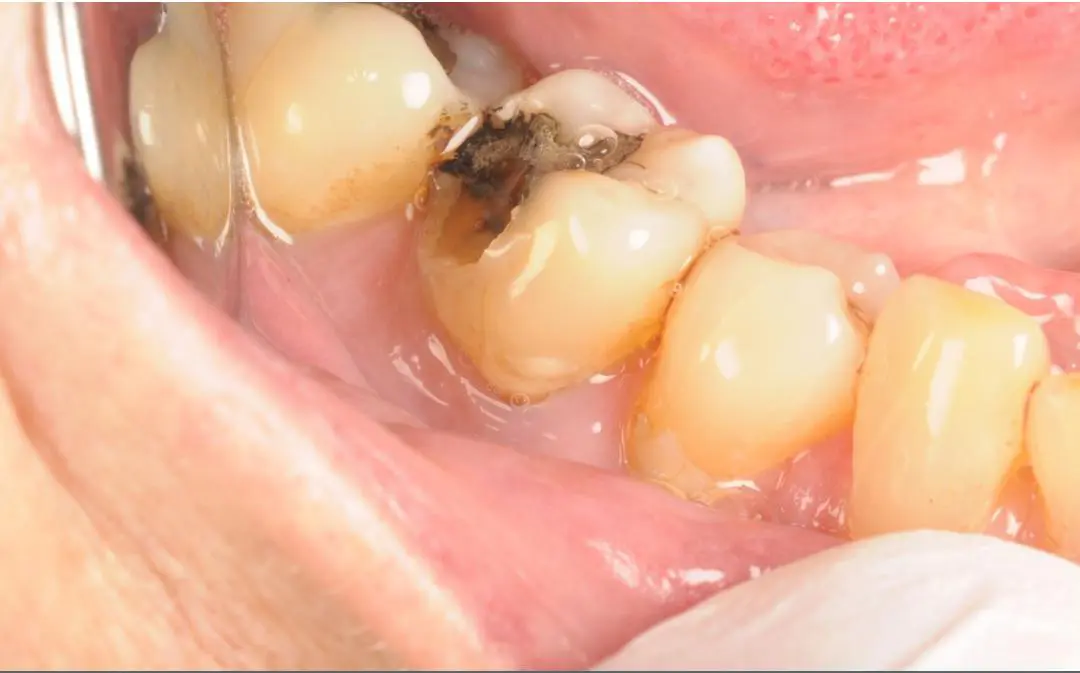
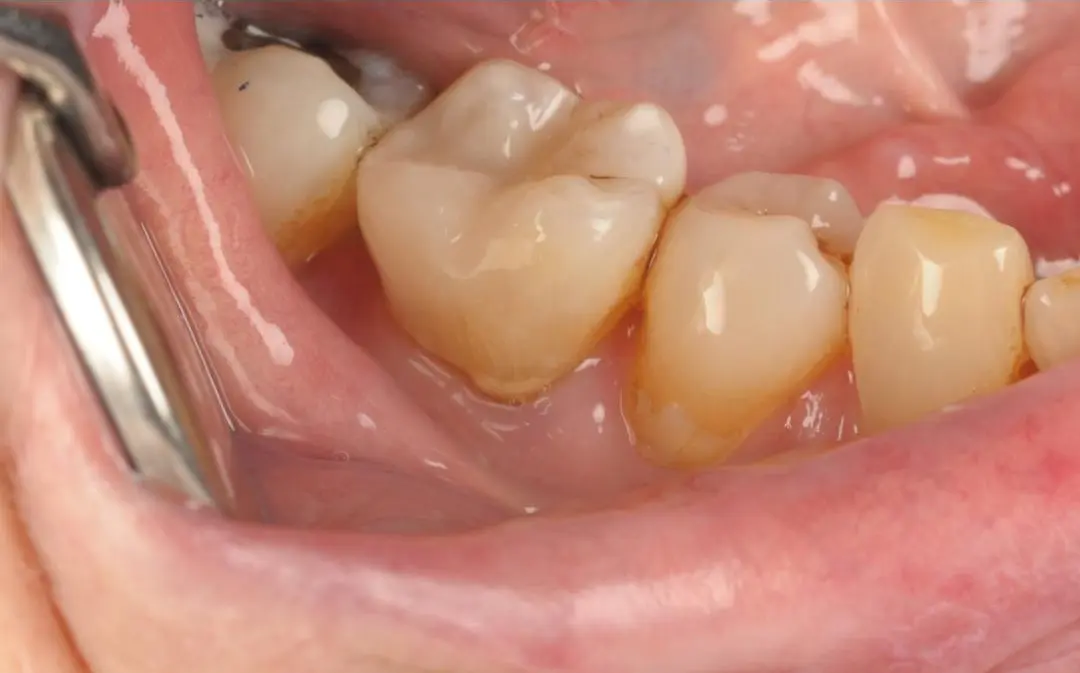
Real Patient Result: Emergency White Filling
Treatment by Dr Kamran
The Clinical Science Behind Airway-Related Oral Health
To understand why airway awareness matters within dental care, it helps to consider some of the underlying oral physiology.
Saliva and Oral pH Balance
Saliva is produced by several glands in and around the mouth and plays a critical protective function. It maintains a near-neutral oral pH, which is essential for protecting tooth enamel from acid erosion. When the mouth remains open for prolonged periods — particularly during sleep — saliva evaporates more rapidly, reducing this protective buffering capacity. Over time, this may create conditions that are less favourable for enamel integrity. If you are also managing acid-related enamel issues, this guide to acid reflux and enamel erosion adds useful context.
Tongue Posture and the Palate
The resting position of the tongue against the roof of the mouth (the palate) is considered important in oral development and function. When breathing occurs primarily through the nose, the tongue typically rests against the upper palate. Habitual mouth breathing may alter this positioning, which can influence how the jaw develops and how teeth sit in relation to one another.
The Nasal Passage and Nitric Oxide
Nasal breathing allows the body to benefit from nitric oxide, which is produced in the nasal passages and plays a role in regulating blood flow and supporting respiratory function. Mouth breathing bypasses this process. While this is largely a medical consideration, it illustrates why dental professionals may take an interest in how patients breathe as part of a broader health picture.
When Professional Dental Assessment May Be Appropriate
There are several situations in which it would be reasonable to consult a dental professional about concerns relating to breathing, airway, or associated oral symptoms. The following examples are intended as general guidance only — they do not replace individual clinical assessment.
You may benefit from a dental consultation if you notice:
- Persistent dry mouth, particularly upon waking
- Frequent morning headaches or jaw tension
- Visible wear on the biting surfaces of your teeth
- Soreness in the jaw joints or facial muscles
- A partner or household member who has observed snoring or interrupted breathing during sleep
- Difficulty maintaining comfortable lip contact at rest
- A child who regularly breathes through the mouth or snores frequently
It is always important to raise concerns with a dental professional calmly and clearly. A dentist can assess the mouth, teeth, gums, and jaw during a clinical examination and, where appropriate, discuss onward referral to a GP, ENT specialist, or sleep clinic.
If you are in London and would like to discuss these concerns with a dental professional, booking an emergency or routine dental appointment is a straightforward first step.
Watch: Emergency Dental Care in London
If you are experiencing dental discomfort and are unsure where to turn, the following video provides helpful information about same-day dental appointments available in London:
Oral Health Advice to Support Healthy Breathing Habits
While the management of underlying airway concerns will typically involve healthcare professionals beyond dentistry alone, there are practical oral health steps that patients can take to support their overall wellbeing.
Stay Well Hydrated
Drinking sufficient water throughout the day helps maintain salivary flow and oral moisture. This is particularly helpful for patients prone to dry mouth, regardless of its cause.
Maintain a Consistent Oral Hygiene Routine
Brushing twice daily with a fluoride toothpaste and cleaning between the teeth daily using floss or interdental brushes remains the foundation of good oral health. For patients experiencing dry mouth, an alcohol-free mouthwash may help maintain comfort without further drying oral tissues.
Attend Regular Dental Check-Ups
Routine dental visits allow a dentist to monitor changes to your teeth, gums, and jaw over time. This continuity of care is particularly valuable when managing concerns related to airway health, as a professional can track patterns and advise accordingly.
Consider Your Sleep Environment
Sleeping on your side rather than your back may help reduce snoring for some individuals. Keeping the bedroom well-humidified can also reduce oral dryness overnight. These are general lifestyle suggestions and do not substitute for professional medical or dental advice.
Avoid Tobacco and Limit Alcohol
Both tobacco use and frequent alcohol consumption can exacerbate dry mouth and may contribute to conditions affecting the airway and oral tissues. Reducing or avoiding these substances supports overall oral and respiratory health.
Discuss Any Concerns Openly With Your Dentist
One of the most practical steps a patient can take is simply to mention breathing-related concerns during their next dental visit. A dentist can only assess what they are made aware of. Raising symptoms — even those that seem unrelated to teeth — helps build a more complete clinical picture. For patients managing jaw discomfort alongside breathing concerns, our emergency dentist assessment page may also be useful to explore.
If you are unsure which appointment type is most appropriate, contact our team and we can guide you to the right pathway.
Key Points to Remember
- Respiratory and airway awareness is a relevant consideration within dental health, particularly regarding how breathing patterns may influence oral conditions such as dry mouth and tooth wear.
- Mouth breathing, persistent dry mouth, snoring, and jaw tension are among the indicators worth discussing with a dental professional.
- Saliva plays a vital protective role in oral health; reduced salivary flow associated with mouth breathing may affect enamel and gum health over time.
- Early professional assessment is advisable when symptoms are persistent or affecting quality of life.
- Airway-related dental concerns are best managed collaboratively, often involving GPs, ENT specialists, or sleep medicine professionals alongside a dentist.
- Maintaining good oral hygiene, hydration, and regular dental check-ups supports overall oral and respiratory wellbeing.
Frequently Asked Questions
Can a dentist help with breathing or airway problems?
A dentist can identify certain oral signs that may be associated with airway concerns — such as tooth wear linked to grinding, dry mouth, or jaw positioning. They are not the primary clinician for treating breathing disorders, but they can discuss findings, offer supportive dental measures such as appliances where clinically appropriate, and guide patients towards relevant medical professionals. Any assessment or recommendation would be based on individual clinical evaluation.
What is mouth breathing and why might it affect oral health?
Mouth breathing is the habitual use of the mouth — rather than the nose — as the primary airway for breathing, particularly during sleep or rest. It reduces the protective effect of saliva by allowing the oral environment to dry out. This may increase susceptibility to dental decay, gum sensitivity, and tooth surface changes over time. The significance of mouth breathing varies between individuals and should be assessed professionally.
Is snoring a dental concern?
Snoring itself is not a dental condition, but its causes may sometimes relate to jaw position, tongue posture, or soft tissue anatomy — areas that a dentist may observe during examination. In some cases, custom dental appliances may be considered as part of a management approach for snoring or mild sleep-disordered breathing. Suitability for such treatment depends entirely on individual clinical assessment and typically involves coordination with a GP or sleep specialist.
What is bruxism and how does it relate to airway health?
Bruxism refers to the involuntary grinding or clenching of teeth, which often occurs during sleep. Research suggests that in some individuals, bruxism may be associated with disrupted breathing during sleep. However, the relationship is complex and not fully understood. A dentist can assess tooth wear patterns and jaw symptoms, and may recommend a protective night guard or further investigation depending on clinical findings.
How can I tell if I breathe through my mouth at night?
Common indicators include waking with a very dry or sticky mouth, a sore throat upon waking, morning headaches, or being told by a partner that you snore. However, these symptoms have multiple potential causes, and none are conclusively diagnostic on their own. A dental or medical professional can help investigate further and advise appropriately based on your individual circumstances.
At what age should airway concerns be assessed in children?
Airway and breathing concerns in children — particularly habitual mouth breathing, snoring, or concerns about facial development — are generally best assessed as early as possible. Both dentists and paediatricians may be involved in initial observations. Early assessment allows for timely referral to appropriate specialists, which can be beneficial during developmental years. Parents who notice persistent mouth breathing in a child are encouraged to raise this with their GP or dental professional.
Conclusion
Respiratory and airway awareness represents a meaningful dimension of oral and overall health that is increasingly acknowledged within dental practice. From the role of saliva in protecting tooth enamel to the connection between jaw positioning and breathing patterns during sleep, there are real and important reasons why dental professionals take an interest in how their patients breathe.
Understanding the key indicators — such as persistent dry mouth, tooth grinding, snoring, and habitual mouth breathing — can help you have more informed conversations with your dental team. Maintaining a consistent oral hygiene routine, staying well hydrated, and attending regular dental check-ups are practical steps that support both oral health and broader wellbeing.
Dental symptoms and treatment options should always be assessed individually during a clinical examination. If you have noticed any of the signs discussed in this article, or if you have questions about your oral health, arranging a professional dental assessment is always a sensible course of action.
Disclaimer
This article is for educational and informational purposes only and is not dental advice, diagnosis, or treatment.
Information is general and may not apply to every patient; clinical findings must be assessed during a face-to-face examination.
This content follows General Dental Council (GDC), Care Quality Commission (CQC), and ASA CAP Code communication principles.
No treatment outcomes are guaranteed; consult a registered dental professional for personalised advice.