
Wisdom tooth pain can strike unexpectedly during evenings or weekends. When this happens, our emergency dental team can provide prompt professional assessment and advice on symptom management.
Identifying Indicators for Potential Wisdom Tooth Removal
Many adults in London find themselves wondering whether their wisdom teeth require professional attention. These third molars, typically emerging between ages 17 and 25, can sometimes cause various oral health concerns that prompt people to seek information about potential removal procedures.
Understanding the signs that might indicate wisdom tooth complications helps patients make informed decisions about their oral health. Wisdom teeth, also known as third molars, don't always cause problems, but when issues do arise, recognising the symptoms early can be beneficial for maintaining overall dental wellbeing.
Experiencing these symptoms?
Delaying treatment can lead to tooth loss. We have slots available today.
This article explores the various indicators that might suggest wisdom tooth removal could be considered, helping you understand when professional dental assessment may be helpful. We'll examine the common signs, underlying dental processes, and factors that dental professionals consider when evaluating wisdom tooth health. Remember that each person's situation is unique, and what applies to one individual may differ for another based on their specific oral anatomy and circumstances.
When Might Wisdom Tooth Removal Be Considered?
Several indicators might suggest that wisdom tooth removal could be beneficial, including persistent pain or discomfort around the back teeth, swelling in the gum tissue, difficulty cleaning the area properly, or signs of crowding in the mouth.
Common Signs and Symptoms to Be Aware Of
Wisdom tooth complications can present through various symptoms that patients often notice during their daily oral care routine. Pain or discomfort at the back of the mouth, particularly when chewing or opening the jaw widely, may indicate that wisdom teeth are causing pressure on surrounding tissues or other teeth.
Meet Dr. Yasha Shirazi
Principal Dentist at Emergency Dentist London
"We treat hundreds of dental emergencies every month. The sooner you come in, the easier the fix usually is."
Book an appointment with our team →Swelling or tenderness in the gum area around the wisdom teeth can occur when these teeth don't have adequate space to emerge properly. Some people also experience difficulty opening their mouth fully or notice an unpleasant taste in their mouth, which might suggest that food particles are becoming trapped around partially emerged wisdom teeth.
Changes in bite alignment or the sensation that teeth are becoming more crowded can sometimes be associated with wisdom tooth development, although this relationship can be complex and varies between individuals.
If symptoms develop outside regular practice hours, out-of-hours emergency dental services can provide professional assessment and timely support when wisdom tooth pain strikes unexpectedly.
Understanding Wisdom Tooth Anatomy and Development
Wisdom teeth are the last set of molars to develop, typically emerging when the jaw has already reached its adult size. Unlike other permanent teeth that usually have sufficient space to develop normally, wisdom teeth often encounter spatial limitations that can lead to various complications.
The human jaw has evolved to be smaller than in previous generations, while the number and size of teeth have remained relatively consistent. This evolutionary change means that many people's jaws don't provide adequate room for wisdom teeth to emerge and function properly.
When wisdom teeth lack sufficient space, they may become impacted, meaning they cannot fully emerge through the gum tissue. Impacted wisdom teeth can develop at various angles, sometimes pressing against neighbouring teeth or remaining completely beneath the gum line.
Clinical Considerations for Wisdom Tooth Assessment
Dental professionals use several clinical factors when evaluating wisdom tooth health and considering treatment options. X-rays provide valuable information about tooth position, root development, and the relationship between wisdom teeth and surrounding structures.
The angle of emergence, available space in the jaw, and the patient's ability to maintain proper oral hygiene around wisdom teeth are important considerations. Some wisdom teeth may function normally and contribute positively to oral health when properly positioned and easily cleanable.
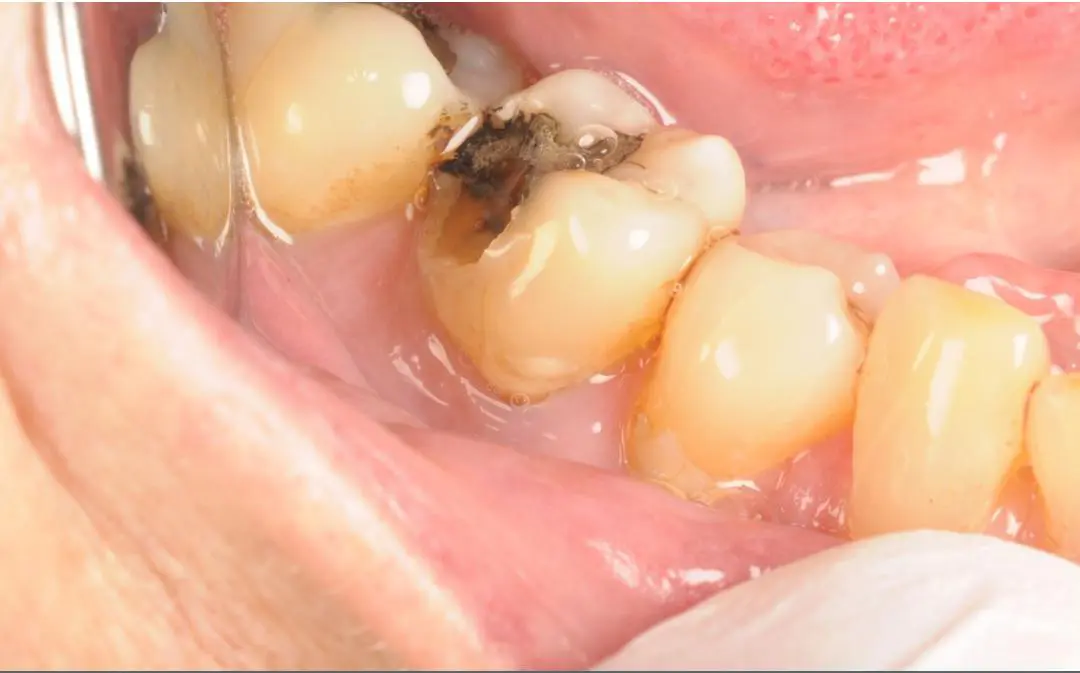
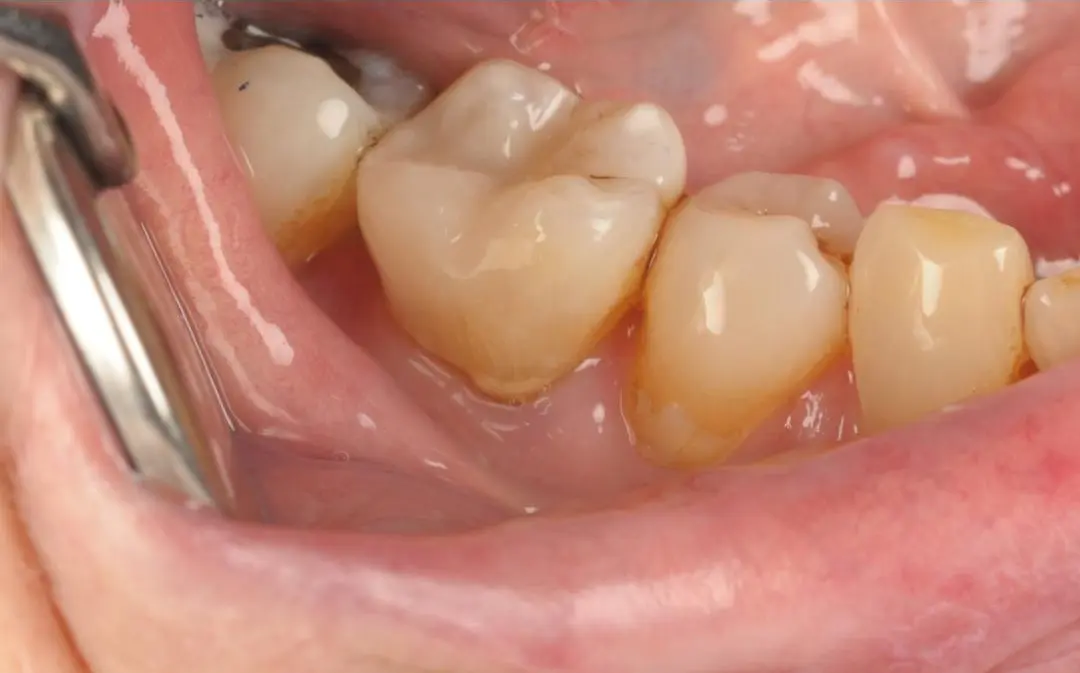
Real Patient Result: Emergency White Filling
Treatment by Dr Kamran
Age can also influence treatment decisions, as younger patients typically experience easier healing processes. However, not all wisdom teeth require removal, and many people retain their wisdom teeth throughout their lives without complications.
Professional assessment involves examining the individual's overall oral health, jaw anatomy, and specific circumstances to determine the most appropriate approach for their situation.
When Professional Dental Assessment May Be Helpful
Several situations may warrant professional dental evaluation regarding wisdom teeth. Persistent pain or discomfort around the back teeth, especially if it interferes with daily activities or sleep, suggests that professional assessment could be beneficial.
Recurring infections or swelling in the gum tissue around wisdom teeth, difficulty maintaining proper oral hygiene in the wisdom tooth area, or concerns about changes in bite alignment may also indicate that professional guidance would be helpful.
If you notice bleeding gums specifically around wisdom teeth, jaw stiffness, or persistent bad breath despite good oral hygiene practices, these symptoms may benefit from professional evaluation.
Maintaining Oral Health Around Wisdom Teeth
Proper oral hygiene becomes particularly important for wisdom tooth health, as these back teeth can be challenging to clean effectively. Using a soft-bristled toothbrush and ensuring thorough cleaning around wisdom teeth helps prevent plaque accumulation and potential complications.
Regular flossing, including the areas around wisdom teeth, supports gum health and removes food particles that might otherwise become trapped. Some people find that interdental brushes or water flossers help maintain cleanliness around wisdom teeth more effectively than traditional flossing methods.
Attending regular dental check-ups allows for professional monitoring of wisdom tooth development and early identification of potential concerns. Professional cleanings can also help maintain optimal oral health around these difficult-to-reach teeth.
Treatment Options and Approaches
Treatment approaches for wisdom tooth concerns vary depending on individual circumstances and the specific nature of any problems present. Some situations may benefit from conservative management, such as improved oral hygiene techniques or antiseptic mouth rinses for mild gum inflammation.
In cases where wisdom teeth are causing significant complications or pose risks to overall oral health, surgical removal might be recommended. The complexity of removal procedures varies based on factors such as tooth position, root development, and proximity to important anatomical structures. Our wisdom tooth pain relief service provides professional assessment and treatment when removal becomes necessary.
Recovery considerations, potential risks, and expected outcomes are important aspects that dental professionals discuss with patients when considering treatment options. Each person's situation requires individual assessment to determine the most appropriate approach for their specific circumstances.
Key Points to Remember
• Wisdom tooth problems don't affect everyone, and many people retain healthy wisdom teeth throughout their lives
• Common indicators include persistent pain, swelling, difficulty cleaning, and recurring infections around wisdom teeth
• Professional assessment considers multiple factors including tooth position, jaw anatomy, and individual oral health needs
• Maintaining excellent oral hygiene around wisdom teeth can help prevent many complications
• Treatment approaches range from conservative management to surgical removal, depending on individual circumstances
• Early professional evaluation allows for better planning and potentially less complex treatment if intervention becomes necessary
Frequently Asked Questions
At what age do wisdom tooth problems typically develop?
Wisdom tooth complications most commonly emerge between ages 17 and 25, although problems can develop at any age. Some people may experience issues in their teens, while others might not encounter difficulties until their thirties or beyond. Regular dental monitoring helps identify potential concerns regardless of age.
How can I tell if my wisdom tooth pain requires professional attention?
Persistent pain that lasts more than a few days, especially if accompanied by swelling, difficulty opening your mouth, or signs of infection, may warrant professional evaluation. Pain that interferes with eating, sleeping, or daily activities suggests that professional assessment could be beneficial for determining the underlying cause and appropriate management.
Do all wisdom teeth need to be removed?
No, many wisdom teeth function normally and contribute positively to oral health when properly positioned and maintainable. Removal is typically considered only when wisdom teeth cause problems or pose risks to overall oral health. Each person's situation requires individual assessment based on their specific anatomy and circumstances.
Can wisdom teeth cause other teeth to become crooked?
The relationship between wisdom teeth and tooth crowding is complex and varies between individuals. While wisdom teeth can sometimes contribute to changes in tooth alignment, many factors influence tooth position throughout life. Professional assessment can help determine whether wisdom teeth are contributing to alignment concerns in specific cases.
For more information about managing wisdom tooth discomfort, our guide on wisdom tooth pain relief provides comprehensive options and professional treatment approaches.
How long does recovery take after wisdom tooth removal?
Recovery time varies depending on factors such as the complexity of the procedure, individual healing capacity, and post-operative care. Most people experience initial healing within a few days to a week, with complete tissue healing typically occurring over several weeks. Your dental professional can provide specific guidance based on your individual circumstances.
What happens if I choose not to remove problematic wisdom teeth?
Leaving problematic wisdom teeth untreated may lead to worsening symptoms, potential complications such as infections or damage to neighbouring teeth, and possibly more complex treatment requirements in the future. However, the specific risks depend on individual circumstances, and professional consultation can help you understand the potential implications for your particular situation.
Conclusion
Understanding the indicators that might suggest wisdom tooth removal can help you make informed decisions about your oral health. While not everyone experiences wisdom tooth complications, recognising potential signs and symptoms enables early professional consultation when concerns arise.
The decision regarding wisdom tooth management depends on multiple individual factors including tooth position, oral anatomy, symptoms present, and overall oral health considerations. Professional assessment provides personalised guidance based on your specific circumstances and helps determine whether active treatment, monitoring, or preventive measures are most appropriate.
Maintaining excellent oral hygiene around wisdom teeth and attending regular dental check-ups supports early identification of potential concerns and optimal oral health outcomes. Remember that dental symptoms and treatment options should always be assessed individually during a clinical examination.
Disclaimer
This article is for general educational purposes only and is not a substitute for clinical advice.
Diagnosis and treatment decisions require examination by a qualified dental professional.
Treatment suitability and outcomes vary by individual circumstances.
If you have pain, swelling, bleeding, fever, or trauma, seek prompt professional care.
For personalised advice, please book a clinical assessment.