
Dental anxiety is one of the most common reasons people delay seeking dental care — and yet, when a dental emergency strikes, waiting simply is not an option. Whether you are dealing with severe tooth pain, a knocked-out tooth, or a dental abscess, finding yourself in an emergency dental appointment can feel overwhelming, particularly if the clinical environment already makes you feel uneasy.
Many adults in London search online for guidance not just about their dental symptoms, but about how to manage the emotional experience of attending a dental appointment. If you experience dental anxiety, you are far from alone. Research consistently shows that a significant proportion of UK adults feel some degree of nervousness about dental treatment.
This article explains how to communicate your dental anxiety to your emergency dentist clearly and effectively. Understanding what to say, when to say it, and how dental professionals are trained to support anxious patients can make a meaningful difference to your experience and your overall oral health outcomes.
Experiencing these symptoms?
Delaying treatment can lead to tooth loss. We have slots available today.
Featured Snippet: How Do You Communicate Dental Anxiety to an Emergency Dentist?
To communicate dental anxiety to your emergency dentist, tell the reception team when booking, speak openly with the dentist before treatment begins, and agree on a stop signal such as raising your hand. Dental professionals are trained to support anxious patients and can adjust their approach when they understand your concerns.
Why Dental Anxiety Is More Common Than You May Think
Dental anxiety exists on a broad spectrum. Some patients feel mildly nervous before an appointment, whilst others experience significant distress that can make even booking a phone call feel difficult. It is important to understand that dental anxiety is a recognised and widely acknowledged patient experience — not a personal failing.
For many people, anxiety about dental treatment is rooted in previous experiences, a fear of pain, a sense of loss of control, or discomfort with the sounds and sensations associated with dental procedures. In an emergency situation, these feelings can be intensified by the urgency of the appointment and the discomfort already being experienced.
Meet Dr. Yasha Shirazi
Principal Dentist at Emergency Dentist London
"We treat hundreds of dental emergencies every month. The sooner you come in, the easier the fix usually is."
Book an appointment with our team →Understanding that dental anxiety is common — and that dental professionals are trained to work with anxious patients — is an important first step. Acknowledging your anxiety rather than trying to suppress it allows your clinical team to provide more patient-centred, considerate care.
How to Tell Your Dentist About Your Anxiety Before the Appointment
One of the most effective things you can do is communicate your dental anxiety before you arrive. When calling to book an emergency dental appointment, let the reception team know that you feel anxious. This allows the practice to allocate additional time, prepare the clinical team, and ensure you are seen in a calm and supportive manner.
Here are some practical ways to communicate your anxiety ahead of your visit:
- Mention it when booking: A brief note such as "I do get quite anxious at the dentist — is there anything you can do to help?" is entirely appropriate and genuinely helpful.
- Write it down: If speaking on the phone feels difficult, some practices allow you to submit information via an online form or email prior to your appointment.
- Bring a trusted person: Attending with a supportive friend or family member can help reduce anxiety in the waiting room and during pre-treatment discussions.
If you are unsure what services are available to support nervous patients, visiting the emergency dental services page can help you understand what to expect before you attend.
What to Say When You Are in the Dental Chair
Once you are in the clinical environment, honest, clear communication with your dentist is one of the most valuable tools available to you. Dental professionals cannot adapt their approach if they are unaware of your concerns, so speaking openly — even briefly — makes a significant difference.
Consider using straightforward language such as:
- "I feel quite anxious about dental treatment — can we take things slowly?"
- "I would find it helpful to know what you are about to do before you do it."
- "I may need to take short breaks during the procedure."
You do not need to offer a detailed explanation of where your anxiety comes from. Simply stating that you are anxious and what would help you feel more comfortable is enough. Most experienced emergency dentists will respond warmly and adjust their communication style accordingly.
Agree on a Stop Signal
One of the most effective and widely recommended strategies for anxious dental patients is agreeing on a stop signal before treatment begins. This is typically a simple hand gesture — such as raising your hand or making a fist — that tells the dentist to pause immediately.
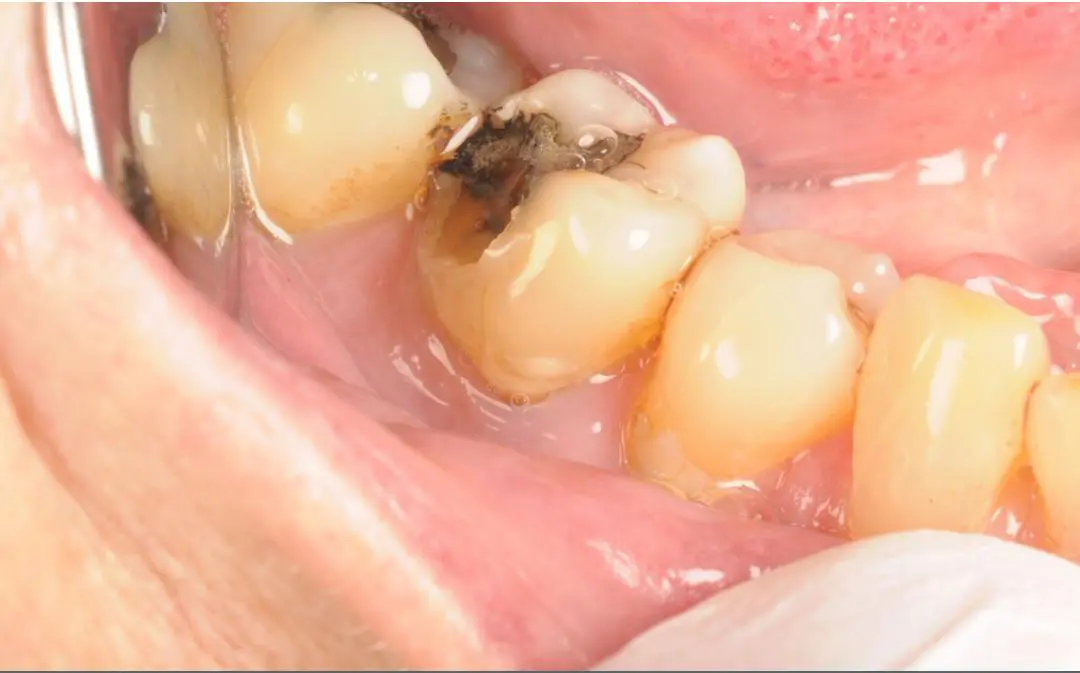
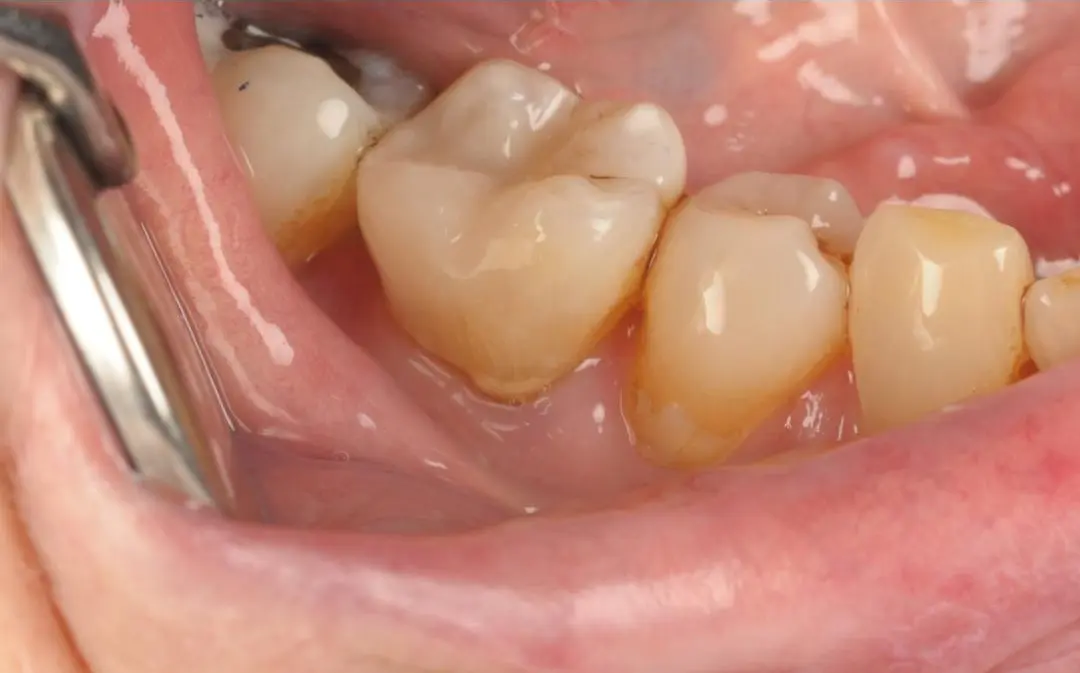
Real Patient Result: Emergency White Filling
Treatment by Dr Kamran
Knowing that you have control over when treatment pauses can significantly reduce feelings of helplessness and anxiety. The stop signal restores a sense of agency, which is often one of the core concerns for anxious patients.
Discuss this with your dentist before the procedure begins. A good emergency dentist will welcome this conversation and confirm how they will respond to the signal. This short discussion can meaningfully change how safe and in control you feel throughout the appointment.
The Clinical Explanation: How Anxiety Affects Your Body During Dental Treatment
Understanding what happens in your body during a dental appointment can help reduce the sense of fear. When you feel anxious, your body activates the stress response — your heart rate may increase, your muscles may tense, and you may become more sensitive to sensations including touch and sound.
This heightened state of awareness can make dental procedures feel more intense than they would otherwise. It can also affect how local anaesthetic is perceived, as anxiety can influence how your body responds to pain signals.
Communicating your anxiety to your dentist allows them to take additional steps — such as giving the anaesthetic more time to take full effect, speaking calmly and clearly throughout the procedure, and ensuring you feel settled before proceeding. Understanding this connection between anxiety and physical sensation can help patients feel more confident in raising their concerns. For further information on managing discomfort during treatment, the dentistry options designed to minimise discomfort available in London may be worth exploring.
When You May Need Additional Support
For some patients, dental anxiety is severe enough that standard reassurance and communication strategies require additional support. If you find that anxiety consistently prevents you from attending routine dental care, it may be appropriate to discuss options such as:
- Conscious sedation: A clinical option that helps patients feel relaxed during dental procedures whilst remaining awake. Suitability depends on individual health circumstances and clinical assessment.
- Cognitive behavioural approaches: Some patients benefit from working with a therapist who specialises in dental phobia alongside their dental care.
- Gradual exposure: Working with a dental team to attend shorter, non-treatment appointments before proceeding to any clinical work.
These options should always be discussed with a qualified dental professional. Treatment suitability depends on individual clinical assessment and health history.
If you experience symptoms such as significant distress, avoidance of treatment despite persistent dental pain, or difficulty functioning due to dental fear, it may be appropriate to speak with both your dentist and your GP. Information about sedation dentistry in London may help you understand what is available and what questions to ask.
Prevention and Ongoing Oral Health
Managing dental anxiety effectively can have a meaningful impact on long-term oral health. Patients who feel able to communicate openly with their dental team are more likely to attend regular check-ups, seek early advice when symptoms arise, and complete recommended treatment courses.
Preventative dentistry is always preferable to emergency care, and consistent dental attendance reduces the likelihood of acute dental problems developing. If anxiety has historically caused you to delay or avoid dental care, working with an understanding and experienced dental team can help you rebuild confidence at a pace that feels manageable.
Practical steps that may support ongoing oral health include:
- Attending routine dental check-ups when possible, even if only for a brief review appointment
- Brushing twice daily with a fluoride toothpaste and cleaning between teeth regularly
- Contacting a dental practice promptly when symptoms arise, rather than waiting for pain to worsen
- Being honest with your dental team about how you are feeling at every appointment
Key Points to Remember
- Dental anxiety is widely recognised and dental professionals are trained to support anxious patients.
- Tell the practice when booking — this allows the team to prepare and allocate appropriate time.
- Speak openly in the chair — simple, honest communication helps your dentist adapt their approach.
- Agree on a stop signal before treatment begins to restore a sense of control.
- Additional clinical options such as conscious sedation may be appropriate for some patients, subject to clinical assessment.
- Managing dental anxiety supports long-term oral health by making regular attendance more achievable.
Frequently Asked Questions
Is it normal to feel anxious about an emergency dental appointment?
Yes, it is entirely normal. Emergency dental appointments are often unplanned and associated with pain or discomfort, which can heighten existing anxiety. Dental anxiety is widely recognised across the UK, and emergency dental practices in London are accustomed to supporting patients who feel nervous. Speaking openly about how you feel will not be judged — it will help the clinical team provide better, more personalised care.
What should I say if I am too anxious to speak clearly during the appointment?
If anxiety makes verbal communication difficult, consider writing down your concerns on paper or your phone before arriving. You can hand this to the receptionist or the dentist at the start of the appointment. Alternatively, ask a trusted companion to briefly explain your anxiety on your behalf. Even a short note saying "I am very anxious — please go slowly and explain each step" is genuinely helpful.
Can an emergency dentist slow down or stop treatment if I am feeling overwhelmed?
Yes. Agreeing on a stop signal — such as raising your hand — before treatment begins means that the dentist will pause whenever you use it. Emergency dentists understand that anxious patients sometimes need short breaks, and accommodating this is part of providing patient-centred care. Do not hesitate to ask for a pause if you need one.
Are there clinical options to help very anxious patients during dental treatment?
For patients with significant dental anxiety or phobia, clinical options such as conscious sedation may be available. This involves medication that helps you feel deeply relaxed during the procedure whilst remaining conscious. Suitability for sedation depends on individual health circumstances and must be assessed by a qualified dental professional. Ask your dentist whether this option may be appropriate for your situation.
Will telling my dentist about my anxiety affect the treatment I receive?
Communicating your dental anxiety is likely to improve your experience, not hinder it. When a dentist understands your concerns, they can adjust their approach — explaining each step in advance, working more slowly, using a gentler technique, and checking in with you throughout. This kind of adjusted communication is a standard part of patient-centred dental care and should be welcomed, not avoided.
How can I make future dental appointments less anxiety-inducing?
Building a trusting relationship with a dental practice over time can gradually reduce anxiety. Attending shorter, low-pressure appointments — such as a dental examination without immediate treatment — can help you become more comfortable with the environment. Regular attendance also means that dental issues are caught earlier, reducing the likelihood of needing urgent or more complex treatment.
Conclusion
Learning how to communicate your dental anxiety to your emergency dentist is a genuinely practical and empowering step. Whether you mention it when booking, write it down before the appointment, or simply say it aloud in the dental chair, honest communication allows your clinical team to provide more considered, supportive care.
Dental anxiety does not have to prevent you from accessing the emergency dental treatment you need. With the right communication, a respectful clinical team, and a clear stop signal in place, many anxious patients find that their experience is far more manageable than they expected.
Your oral health matters, and seeking timely professional advice — even when you feel anxious — remains one of the most important things you can do for your long-term wellbeing. Dental symptoms and treatment options should always be assessed individually during a clinical examination.
If you are experiencing a dental emergency and are concerned about your anxiety, do not hesitate to contact a qualified emergency dental practice in London. Speaking up is always the right first step.
Disclaimer: This article is intended for general educational purposes only and does not constitute personalised dental advice. Individual diagnosis and treatment recommendations require a clinical examination by a qualified dental professional.
Next Review Due: 20 November 2027