
For many people, an unexpected dental problem can disrupt not just their comfort but their entire working week. Whether you have experienced sudden severe toothache, a cracked tooth, or a dental abscess, an emergency tooth extraction can feel daunting — particularly when you are unsure how much time you will need to recover before returning to your normal routine.
One of the most common questions patients ask after undergoing an emergency tooth extraction is: "When can I go back to work?" The honest answer depends on several factors, including the complexity of the extraction, the type of work you do, and how well the healing process progresses in those critical first few days.
This article explains what typically happens after an emergency extraction, how recovery tends to unfold, what factors may influence your return to work, and when it may be appropriate to contact your dentist for further guidance. Understanding the recovery process can help you plan effectively and support your body in healing as comfortably as possible.
Experiencing these symptoms?
Delaying treatment can lead to tooth loss. We have slots available today.
Featured Snippet: When Can You Return to Work After an Emergency Tooth Extraction?
Most people are able to return to desk-based or sedentary work within one to two days following an emergency tooth extraction, provided healing is progressing normally. Those in physically demanding roles may require additional rest of three to five days. Recovery timelines vary depending on extraction complexity, individual healing, and the nature of your occupation.
What Happens During an Emergency Tooth Extraction?
An emergency tooth extraction is typically carried out when a tooth is causing significant pain, is severely damaged, or has become infected to the point that it cannot be saved with other treatments. Common reasons include advanced decay, a dental abscess, a fractured tooth, or gum disease affecting the tooth's supporting structures.
The procedure itself is performed under local anaesthetic, which is intended to minimise pain during the extraction, though some patients may still experience sensations of pressure or discomfort. In more complex cases, such as the removal of a broken or impacted tooth, the dentist may need to make a small incision in the gum tissue, which can slightly extend the initial recovery period.
Meet Dr. Yasha Shirazi
Principal Dentist at Emergency Dentist London
"We treat hundreds of dental emergencies every month. The sooner you come in, the easier the fix usually is."
Book an appointment with our team →Once the tooth is removed, a blood clot forms in the socket. This clot is an essential part of the healing process, acting as a protective layer over the exposed bone and nerve tissue beneath. Protecting this clot during the first 24 to 48 hours is one of the most important aspects of early recovery.
If you need to understand your options before or after such a procedure, learning more about emergency dental treatments available in London can help you feel better prepared.
Recovery Timeline: What to Expect Day by Day
Understanding the general recovery timeline can help you plan your return to work with greater confidence.
Day 1 (Day of Extraction):
Most patients experience some bleeding, swelling, and discomfort once the local anaesthetic wears off. Rest is strongly recommended. Avoid rinsing vigorously, spitting forcefully, or consuming hot food and drinks, as these actions can dislodge the protective blood clot.
Days 2 to 3:
Swelling often peaks around the second day before gradually subsiding. Mild to moderate discomfort is common and can typically be managed with over-the-counter pain relief, as advised by your dentist. Many patients with office-based roles feel well enough to return to work during this period, though individual experiences vary.
Days 4 to 7:
For the majority of patients, significant improvement is noticeable by day four. The extraction socket will begin to close, and discomfort should reduce considerably. Those in physical or manual labour roles are generally advised to wait until at least this point before returning to strenuous activity.
Beyond One Week:
Full soft tissue healing typically takes two to four weeks, though the underlying bone may take several months to fully remodel. This does not usually affect day-to-day function.
Factors That May Influence Your Return to Work
No two extractions — or recoveries — are identical. Several factors can affect how quickly you feel ready to return to your normal working life:
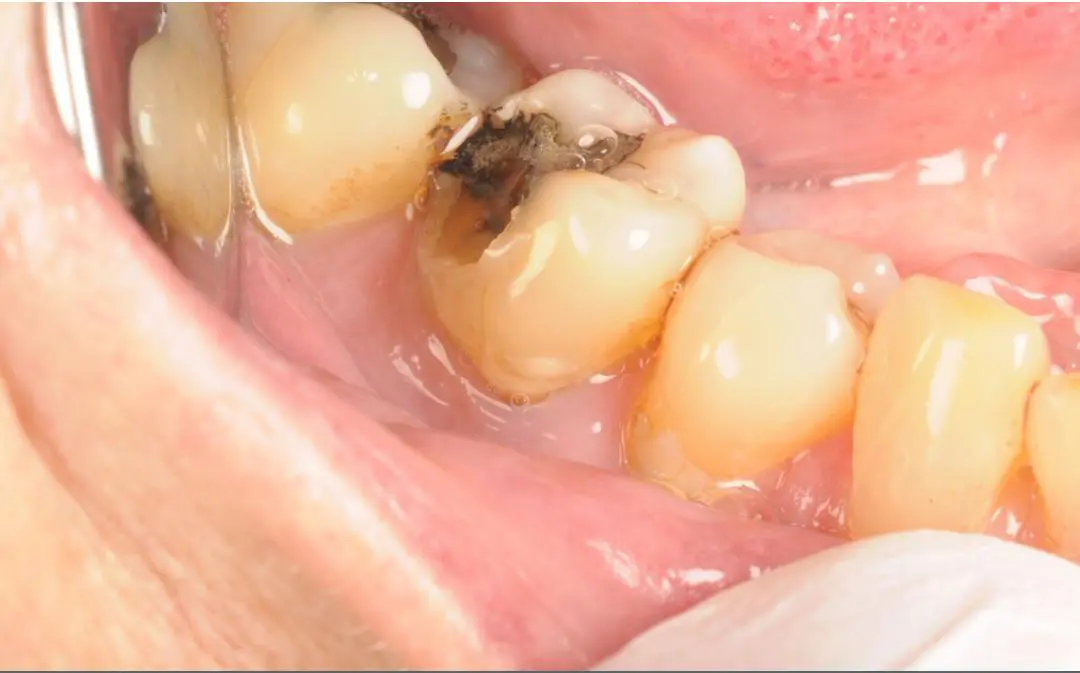
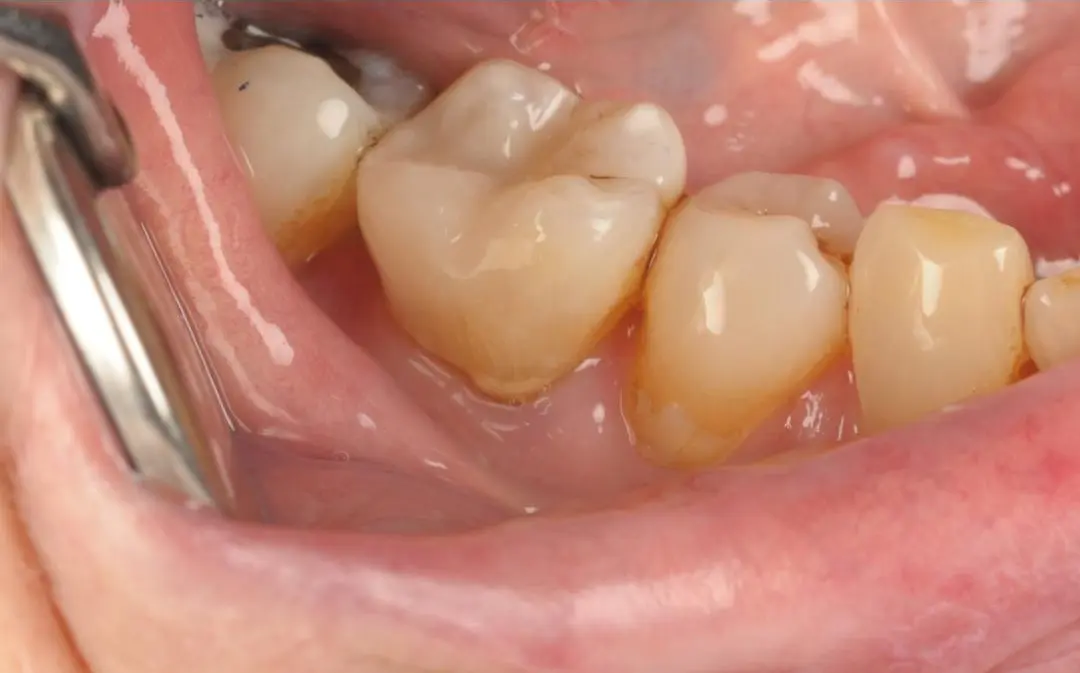
Real Patient Result: Emergency White Filling
Treatment by Dr Kamran
- Nature of your job: Desk-based roles are generally compatible with an earlier return. Jobs involving heavy lifting, strenuous physical activity, or significant talking (such as teaching or customer-facing roles) may require a longer period of rest.
- Complexity of the extraction: A straightforward extraction of an erupted tooth typically involves a shorter recovery than a surgical extraction of a broken or deeply rooted tooth.
- Individual healing: Age, general health, medications, and immune function can all influence how quickly your body repairs the extraction site.
- Adherence to aftercare instructions: Following your dentist's post-operative guidance closely — including dietary adjustments and oral hygiene precautions — plays a meaningful role in recovery speed.
The Clinical Science Behind Tooth Extraction Healing
After an emergency tooth extraction, the body initiates a natural wound-healing response in four overlapping stages: haemostasis (clot formation), inflammation, proliferation (tissue rebuilding), and remodelling.
The blood clot that forms in the socket within the first few minutes is not simply a temporary plug — it contains platelets and growth factors that signal the body to begin repairing the surrounding tissue. Beneath the clot, new bone cells gradually fill the socket, a process that continues over several months.
A key complication to be aware of is dry socket (alveolar osteitis), which occurs when the blood clot is lost or fails to form properly, leaving the bone and nerve endings exposed. This condition typically causes a sharp, throbbing pain that may radiate to the ear or jaw, and usually develops two to four days after extraction. If you experience worsening rather than improving pain during this period, it is advisable to contact your dental practice promptly.
You can find further information about tooth pain and when to seek urgent dental care if you are concerned about symptoms after your extraction.
When to Seek Professional Dental Assessment
Whilst most post-extraction discomfort is a normal part of healing, there are certain signs that may indicate your recovery needs professional attention. Consider contacting your dentist if you notice:
- Worsening pain that intensifies after the second or third day rather than gradually easing
- Prolonged or heavy bleeding that does not settle with gentle pressure after 30–45 minutes
- Swelling that is increasing beyond day three, particularly if accompanied by a raised temperature
- A bad taste or unpleasant smell from the socket area, which may suggest infection
- Difficulty swallowing or opening your mouth more than a small amount
- Numbness or tingling that persists beyond the expected duration of local anaesthetic
These symptoms do not necessarily indicate a serious problem, but they warrant assessment so that any concerns can be addressed promptly and appropriately. Dental symptoms and treatment options should always be assessed individually during a clinical examination.
Practical Tips to Support Recovery
There are several straightforward steps you can take to support comfortable healing and reduce the likelihood of complications:
- Rest on the day of extraction and avoid any strenuous activities
- Keep your head slightly elevated when lying down to minimise swelling
- Apply a cold compress to the outside of your cheek in 10–15 minute intervals during the first 24 hours
- Eat soft, cool or lukewarm foods such as yoghurt, mashed potato, or soup — avoiding very hot, spicy, or crunchy foods
- Avoid smoking for at least 48–72 hours, as smoking significantly impairs clot stability and healing
- Avoid alcohol in the first 24 hours, particularly if you have been prescribed antibiotics or pain relief medication
- Rinse gently with warm salt water from 24 hours after the extraction to keep the area clean
- Maintain your usual oral hygiene routine while being careful to avoid the extraction site initially
Preventing Future Dental Emergencies
Whilst not all dental emergencies are avoidable, there are habits that can meaningfully reduce the risk of conditions leading to emergency extractions in the future.
Regular dental check-ups allow problems such as decay, cracks, and gum disease to be identified and managed at an earlier, less complex stage. Twice-daily brushing with fluoride toothpaste, daily interdental cleaning, and a balanced diet low in sugary foods and drinks all contribute to long-term dental health.
Wearing a mouthguard during contact sports can protect against traumatic tooth injuries, and addressing teeth grinding (bruxism) early — with guidance from your dentist — may prevent structural tooth damage over time.
If you would like to understand more about maintaining your dental health between appointments, exploring preventative dental advice from your dental practice may be a helpful starting point.
Key Points to Remember
- Most patients with desk-based jobs can return to work within one to two days after an emergency tooth extraction
- Those in physically demanding roles may benefit from three to five days of recovery time
- The complexity of the extraction and your individual healing response both influence your timeline
- Protecting the blood clot in the socket is critical in the first 24–48 hours
- Worsening pain after day two or three, increasing swelling, or signs of infection should prompt contact with your dentist
- Following aftercare instructions closely supports a smoother, more comfortable recovery
- Routine dental check-ups can help prevent conditions that may lead to emergency extractions
Frequently Asked Questions
Can I go to work the same day as an emergency tooth extraction?
Returning to work on the same day as your extraction is generally not recommended. The local anaesthetic will take several hours to wear off, and you may experience bleeding, swelling, and discomfort as this happens. Most patients benefit from resting for the remainder of the day. If your role is desk-based and you feel well enough, some individuals do return to light duties the following day, though this will depend on how the extraction proceeded and how you feel personally.
Will I be in a lot of pain after an emergency tooth extraction?
It is normal to experience some discomfort once the local anaesthetic wears off, typically beginning one to three hours after the procedure. Over-the-counter pain relief such as ibuprofen or paracetamol, taken as directed by your dentist or in accordance with the manufacturer's instructions, may help manage discomfort for many patients, though individual responses to pain relief can vary. Pain should gradually ease over the first two to three days. If pain worsens or becomes severe after this period, it is advisable to contact your dental practice, as this may indicate a complication such as dry socket.
Is it safe to drive after an emergency tooth extraction?
If you have had a straightforward extraction under local anaesthetic alone and you feel alert and comfortable, driving is generally considered safe once the anaesthetic has fully worn off. However, if you have been given sedation or any medication that may cause drowsiness, you should not drive for at least 24 hours and must arrange for someone to accompany you home. Always follow the specific guidance provided by your dentist.
What foods should I avoid after a tooth extraction?
For the first 24 to 48 hours, it is advisable to avoid hot food and drinks, crunchy or hard foods, alcohol, and anything requiring vigorous chewing. These can all disturb the blood clot forming in the socket. Soft, cool or lukewarm options such as yoghurt, scrambled eggs, mashed vegetables, and soup are generally well tolerated. As healing progresses over the following days, you can gradually reintroduce your normal diet, guided by your own comfort levels.
How do I know if my extraction site is healing properly?
A healing extraction socket typically shows gradual improvement in pain levels over the first few days. Any initial swelling should begin to reduce from around day two or three. The socket will slowly close over as new tissue grows. A healthy socket may appear white or yellowish as granulation tissue forms — this is a normal part of healing. Concern should arise if pain is worsening rather than improving, if there is a persistent bad taste or smell, or if swelling is increasing beyond day three.
When should I contact my dentist after an emergency extraction?
You should contact your dentist if you experience any of the following: heavy or prolonged bleeding that does not respond to gentle pressure, severe or worsening pain (particularly after the first two days), increasing facial swelling, signs of infection such as fever or a bad taste, difficulty opening your mouth, or numbness that extends beyond the expected period of local anaesthetic. These symptoms do not always indicate a serious problem, but they should be assessed by a dental professional to rule out complications.
Conclusion
An emergency tooth extraction can be an unsettling experience, but for most patients, recovery is manageable and return to work is possible within one to three days, depending on the nature of their role and how the healing process unfolds. Understanding what to expect during recovery, recognising the signs that may require dental attention, and following post-operative guidance carefully are all key steps in ensuring as smooth a recovery as possible.
It is important to remember that every patient's situation is different, and recovery timelines are influenced by a range of individual and clinical factors. If you have any concerns about your recovery, do not hesitate to contact your dental practice for guidance.
Dental symptoms and treatment options should always be assessed individually during a clinical examination.
Disclaimer: This article is intended for general educational purposes only and does not constitute personalised dental advice. Individual diagnosis and treatment recommendations require a clinical examination by a qualified dental professional.
Next Review Due: 06 November 2027