
Discovering that a dental crown has cracked, chipped, or come loose can be an unsettling experience. Many people are unsure whether a damaged dental crown represents a dental emergency or whether it is something that can wait a few days or weeks to be looked at. This uncertainty often leads patients to search online for guidance before deciding whether to contact their dentist.
A dental crown serves an important protective function. It covers and strengthens a tooth that has been weakened by decay, fracture, or a previous procedure such as root canal treatment. When a crown is compromised in any way, the underlying tooth may be left vulnerable to further damage, sensitivity, or infection.
This article aims to explain what happens when a dental crown is damaged, how quickly the situation should typically be assessed, what symptoms may indicate a more pressing concern, and what steps can be taken to maintain oral health in the meantime. Understanding these aspects can help you make a more informed decision about seeking professional dental advice.
Experiencing these symptoms?
Delaying treatment can lead to tooth loss. We have slots available today.
Featured Snippet Answer
How quickly should a damaged dental crown be assessed?
A damaged dental crown should ideally be assessed by a dentist within 24 to 48 hours if you are experiencing pain, sensitivity, or the crown has completely detached. In less symptomatic cases, an assessment within a few days is generally advisable. Prompt evaluation helps prevent further damage to the underlying tooth structure.
What Is a Dental Crown and Why Does It Matter?
A dental crown is a custom-made cap placed over a natural tooth or a dental implant. It is designed to restore the shape, size, strength, and appearance of a tooth that has been significantly weakened or damaged. Crowns are commonly made from porcelain, ceramic, metal alloys, or a combination of these materials.
Meet Dr. Yasha Shirazi
Principal Dentist at Emergency Dentist London
"We treat hundreds of dental emergencies every month. The sooner you come in, the easier the fix usually is."
Book an appointment with our team →Once fitted, a crown functions as a protective barrier. It distributes biting forces evenly across the tooth surface and shields the inner layers of the tooth — including the dentine and pulp — from exposure to bacteria, temperature changes, and physical stress.
When a crown becomes cracked, chipped, loose, or falls out entirely, the underlying tooth loses this layer of protection. Depending on the condition of the tooth beneath the crown, this can leave sensitive dentine exposed, increase the risk of bacterial infiltration, or compromise the structural integrity of the tooth.
The extent to which a damaged crown becomes a clinical concern depends on a range of individual factors that can only be properly evaluated during a dental examination.
Common Causes of Crown Damage
Understanding why dental crowns become damaged can help patients take steps to protect their restorations over the long term. There are several frequently encountered causes:
- Physical trauma: A knock to the mouth during sport, a fall, or an accident can fracture or dislodge a crown.
- Biting hard foods: Chewing on hard objects such as ice, hard sweets, or crusty bread places significant pressure on crown materials.
- Teeth grinding (bruxism): Chronic grinding or clenching during sleep gradually wears down crown surfaces and can loosen the cement seal over time.
- Ageing of dental cement: The adhesive used to bond crowns can weaken over many years, particularly in older restorations.
- Decay beneath the crown: If decay develops in the tooth structure underneath a crown, it can undermine the foundation and cause the crown to become unstable.
- Poor initial fit: In some cases, a crown that was not ideally fitted may be more susceptible to loosening or fracture over time.
Identifying the likely cause is part of the clinical assessment process and helps guide the most appropriate course of action.
How Quickly Should a Damaged Dental Crown Be Assessed?
The speed with which a damaged dental crown should be assessed depends largely on the nature and severity of the damage, as well as any accompanying symptoms. As a general educational guide:
Seek same-day or next-day assessment if you experience:
- Significant pain or sensitivity in the affected tooth
- The crown has completely come off and the exposed tooth is uncomfortable
- Visible signs of swelling around the gum near the crown
- Difficulty biting or chewing due to altered bite alignment
- A sharp edge from a cracked crown that is irritating your tongue or cheek
An assessment within two to three days may be appropriate if:
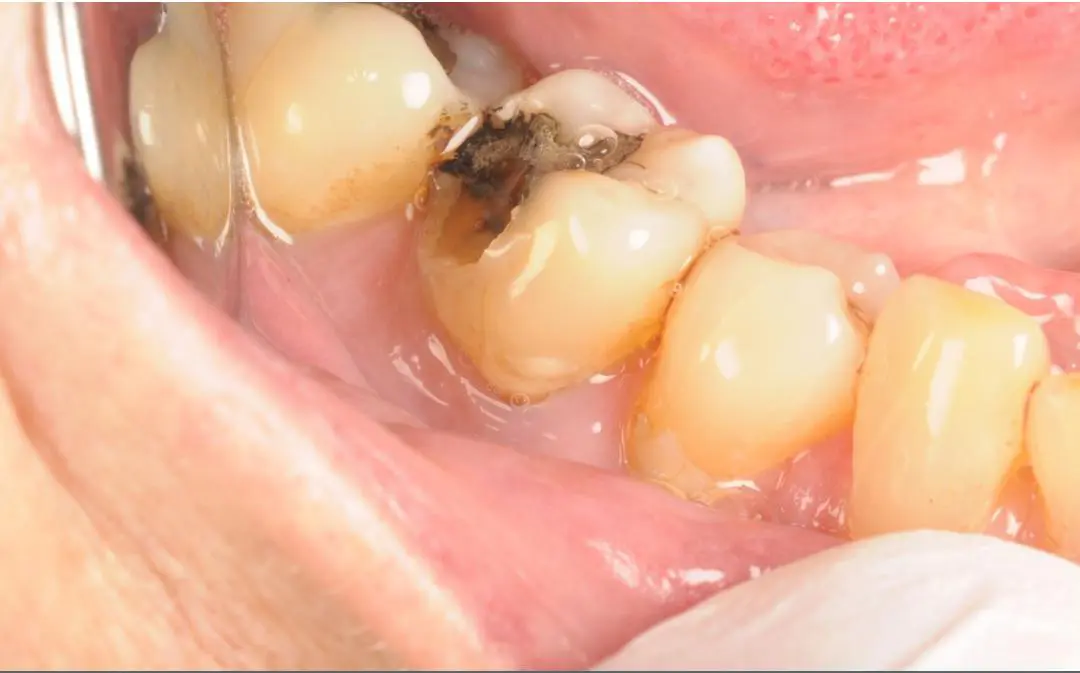
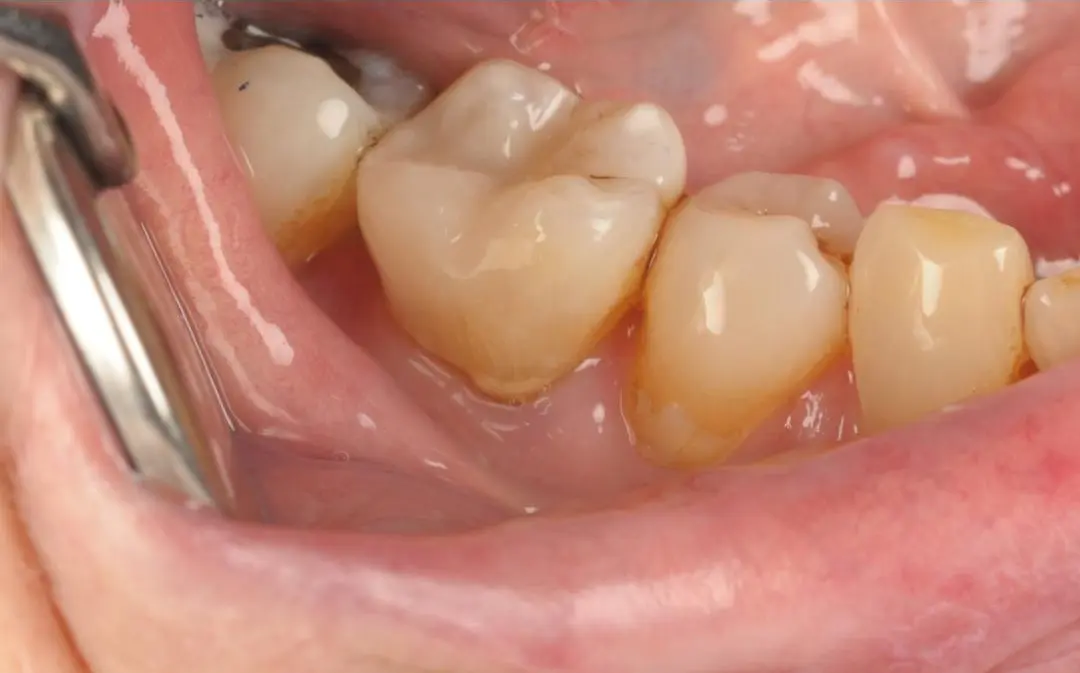
Real Patient Result: Emergency White Filling
Treatment by Dr Kamran
- The crown has a small chip but remains firmly in place
- There is no associated pain or sensitivity
- The cosmetic appearance is affected but the tooth feels stable
It is worth noting that even a crown that appears stable without symptoms may have underlying concerns that are not immediately obvious. A dental examination allows a clinician to use appropriate diagnostic tools — including dental X-rays — to assess the full picture.
The Clinical Science Behind Crown Damage
To understand why a damaged crown can become a concern relatively quickly, it helps to consider the anatomy of a tooth. Beneath the hard outer enamel layer lies dentine — a softer, porous tissue that connects directly to the dental pulp at the centre of the tooth. The pulp contains blood vessels and nerves, which is why exposed dentine can cause sensitivity to temperature and pressure.
When a crown is damaged or displaced, the dentine — and in some cases the pulp — may be left exposed. Bacteria from the oral environment can then penetrate the dentine tubules more easily, potentially leading to infection of the pulp if left unaddressed.
This is why timely assessment is clinically relevant, even in cases where symptoms appear mild. What may seem like a minor crack on the surface of a crown can occasionally extend into the underlying tooth structure in ways that are not visible without examination.
Symptoms That May Suggest Prompt Dental Advice Is Needed
Certain symptoms associated with a damaged dental crown may indicate that professional evaluation should not be delayed. These include:
- Persistent or worsening toothache — discomfort that does not settle or increases over time
- Sensitivity to hot or cold — particularly if sensitivity lingers after the stimulus is removed
- Swelling or tenderness in the gum tissue surrounding the crown
- A bad taste or odour near the affected area, which may suggest bacterial activity
- Difficulty closing your mouth normally, which may indicate the crown has shifted bite alignment
These symptoms do not necessarily confirm a specific diagnosis, and none should be interpreted as conclusive without a clinical examination. However, they are signs that professional dental input may be beneficial sooner rather than later. If you are in London and concerned about any of these symptoms, emergency dental care may be available to help you receive timely assessment.
Caring for a Damaged Crown Before Your Appointment
While awaiting your dental assessment, there are some practical steps that may help manage discomfort and protect the affected tooth:
- Avoid chewing on the affected side where possible to reduce pressure on the damaged crown or exposed tooth
- Rinse gently with warm, slightly salted water to help keep the area clean
- Avoid very hot, cold, or sweet foods and drinks, which may increase sensitivity
- Keep the crown safe if it has come out — a dentist may be able to re-cement it in some circumstances, depending on clinical assessment
- Over-the-counter dental adhesive (available from pharmacies) can temporarily help stabilise a loose crown, though this is not a long-term solution and should not delay professional assessment
- Avoid attempting to re-cement the crown yourself with non-dental products, as this may cause complications
These measures are intended as short-term guidance only and are not a substitute for professional dental assessment.
Prevention and Long-Term Crown Care
Maintaining a dental crown well can significantly extend its lifespan and reduce the likelihood of unexpected damage. Some practical preventative considerations include:
- Regular dental check-ups: Routine examinations allow a dentist to monitor the condition of existing crowns and identify early signs of wear, loosening, or decay beneath the restoration.
- Maintaining good oral hygiene: Brushing twice daily with fluoride toothpaste and cleaning between teeth daily helps prevent decay from developing at the margin where crown meets tooth.
- Wearing a mouthguard: If you grind or clench your teeth, a custom-fitted night guard can help protect both your natural teeth and existing restorations. This is something that can be discussed during a dental consultation.
- Being mindful of hard and sticky foods: Reducing consumption of foods that place excessive stress on restorations can help prolong their lifespan.
- Addressing dental concerns promptly: Acting on early symptoms rather than waiting can help prevent more significant problems from developing.
Key Points to Remember
- A damaged dental crown should generally be assessed within 24 to 48 hours if pain, sensitivity, or complete displacement is present
- Even without symptoms, a damaged crown should be evaluated within a few days, as underlying issues may not be immediately apparent
- The underlying tooth may be vulnerable to bacterial infiltration and further damage when crown protection is lost
- Symptoms such as persistent pain, swelling, or lingering sensitivity warrant prompt professional evaluation
- Temporary measures can help manage discomfort before an appointment but are not a substitute for clinical assessment
- Good oral hygiene, regular check-ups, and protective habits can help extend the lifespan of dental crowns
Frequently Asked Questions
Can a damaged dental crown wait a week before being seen?
In some cases — particularly where the crown remains in place, there is no pain, and sensitivity is minimal — a wait of several days may not cause immediate harm. However, waiting a full week is generally not advisable without professional guidance. The underlying tooth may be exposed to bacteria, and what appears stable externally may have less obvious complications. A brief telephone consultation with your dental practice can help you gauge the urgency based on your specific situation.
What happens if a dental crown falls off?
If a dental crown falls off, the underlying tooth is left unprotected and may be sensitive. Keep the crown safe, avoid chewing on that side, and contact your dentist as soon as possible — ideally within 24 to 48 hours. In some cases, the original crown can be re-cemented if it is undamaged and the tooth beneath remains healthy, though this will depend entirely on clinical assessment at the time of the appointment.
Is a cracked dental crown a dental emergency?
Whether a cracked crown constitutes a dental emergency depends on the severity of the crack and the symptoms experienced. A minor chip without pain or sensitivity may not require same-day treatment, but it should still be assessed promptly. If the crack is causing significant discomfort, the tooth is sensitive, or there is visible damage to the tooth beneath, same-day or next-day evaluation is more advisable. An emergency dental service can help assess urgency appropriately.
How long do dental crowns typically last?
Dental crowns can last many years with appropriate care — in some cases, well over a decade. Lifespan depends on a range of factors including the material used, where the crown is positioned in the mouth, individual biting habits, oral hygiene standards, and whether the patient grinds their teeth. Regular dental check-ups allow the condition of existing crowns to be monitored over time and any concerns to be identified early.
Can decay develop under a dental crown?
Yes, decay can develop at the margin where the crown meets the natural tooth, particularly if oral hygiene is not consistently maintained. This can undermine the bond between the crown and the tooth, eventually causing the crown to loosen or fail. Decay beneath a crown may not always cause noticeable symptoms in the early stages, which is one of the reasons why regular dental check-ups — including X-rays when appropriate — remain an important part of ongoing dental care.
Should I use dental adhesive from a pharmacy to re-attach a fallen crown?
Pharmacy dental adhesives are a temporary measure that may help stabilise a dislodged crown and reduce sensitivity until you can be seen by a dentist. They are not intended as a long-term solution and should not delay professional assessment. Avoid using household adhesives or non-dental products, which may be harmful. Even if a crown can be temporarily re-attached, a dentist must assess whether the crown and the underlying tooth are suitable for re-cementation or whether alternative treatment is needed.
Conclusion
A damaged dental crown is a situation that warrants timely attention. While not every instance represents an immediate emergency, the speed of assessment should generally reflect the symptoms present and the degree of damage sustained. As a broad guide, pain, sensitivity, swelling, or complete crown displacement suggest that professional evaluation within 24 to 48 hours is appropriate, while less symptomatic cases should still be assessed within a few days.
The protective role that crowns play in preserving the underlying tooth makes prompt evaluation clinically important. Waiting without guidance may allow bacterial exposure or further structural damage to develop, potentially complicating future treatment.
If you are in London and have concerns about a damaged dental crown, contacting a dental practice promptly is always the most prudent course of action. Dental symptoms and treatment options should always be assessed individually during a clinical examination.
Disclaimer: This article is intended for general educational purposes only and does not constitute personalised dental advice. Individual diagnosis and treatment recommendations require a clinical examination by a qualified dental professional.
Next Review Due: 12 October 2027