
Many patients who are told they need a dental crown naturally wonder what that process actually involves — particularly if their tooth has been significantly damaged by decay, a fracture, or a previous large filling. A question that comes up frequently is: how much natural tooth structure actually needs to remain for a dental crown to be fitted successfully?
It is completely understandable to search for answers before attending a dental appointment. Understanding what a crown requires — and why the amount of remaining tooth matters — can help patients feel more informed and less anxious about their treatment journey.
This article explains what a dental crown is, the role that remaining tooth structure plays in the process, the factors dentists consider during assessment, and when it may be appropriate to seek professional dental advice. As with all dental treatments, suitability is always determined on a case-by-case basis following a thorough clinical examination.
Experiencing these symptoms?
Delaying treatment can lead to tooth loss. We have slots available today.
Featured Snippet: How Much Tooth Is Needed for a Dental Crown?
Generally, a dental crown requires a minimum of approximately 1.5 to 2 millimetres of healthy tooth structure above the gum line to provide an adequate foundation. However, the precise amount depends on the location of the tooth, the condition of surrounding tissues, and clinical factors assessed by your dentist during examination.
What Is a Dental Crown and Why Is It Used?
A dental crown is a tooth-shaped restoration that fits over a prepared natural tooth, covering it entirely down to the gum line. Crowns are commonly recommended when a tooth has been weakened by extensive decay, has fractured significantly, has undergone root canal treatment, or has a large existing restoration that can no longer adequately support the tooth's function.
The crown restores the tooth's shape, size, appearance, and ability to withstand the forces of biting and chewing. Materials vary and may include porcelain, ceramic, metal alloys, or combinations of these, depending on the clinical requirements and the patient's preferences.
Meet Dr. Yasha Shirazi
Principal Dentist at Emergency Dentist London
"We treat hundreds of dental emergencies every month. The sooner you come in, the easier the fix usually is."
Book an appointment with our team →Crowns can be placed on both back teeth, which must endure considerable chewing forces, and front teeth, where aesthetics are a priority. The choice of material and design is always guided by clinical assessment alongside the patient's individual circumstances.
The Role of Remaining Tooth Structure
The remaining natural tooth — referred to clinically as the tooth preparation — acts as the foundation for the crown. For a crown to function correctly and remain stable over time, there must be sufficient tooth structure remaining to:
- Allow the crown to be securely bonded or cemented in place
- Provide mechanical resistance against rotational and lateral forces
- Protect the underlying pulp (the living tissue inside the tooth) where it remains intact
- Support the marginal seal that helps prevent bacteria from entering beneath the crown
As a general guideline, dentists typically look for at least 1.5 to 2 millimetres of sound tooth structure above the gum line around the full circumference of the tooth. This is sometimes described as the ferrule effect — a crucial clinical concept that significantly influences the long-term success of a crown restoration.
If tooth structure falls below this threshold, the risk of crown failure, fracture, or loosening may increase, and your dentist will need to explore additional options during assessment.
Understanding the Ferrule Effect
The ferrule effect is a term used in restorative dentistry to describe the band of natural tooth structure that the crown encircles above the gum line. This encircling band distributes the forces placed on the tooth more evenly, reducing the likelihood of the root fracturing under functional stress.
Think of it in terms of a protective collar around the tooth. When this collar of tooth structure is present and of adequate height and thickness, the crown is better supported and is less likely to fail over time. Research in restorative dentistry consistently supports the importance of adequate ferrule in predicting crown longevity.
When the ferrule is insufficient — for example, if the tooth has broken down extensively at or below the gum line — alternative approaches may need to be considered and discussed with your dental team. You can learn more about the wider range of dental crown treatments available in London to understand what options may apply to your situation.
What Happens When There Is Not Enough Tooth Structure?
When there is insufficient natural tooth remaining above the gum line, a dentist may consider several clinical options, depending on the individual case:
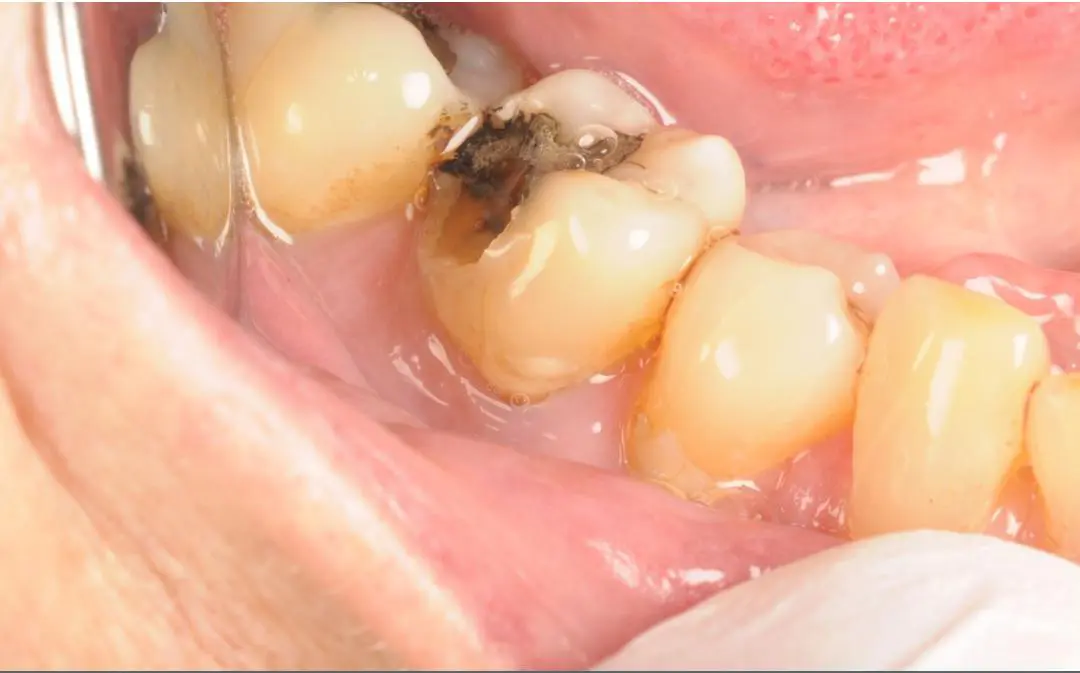
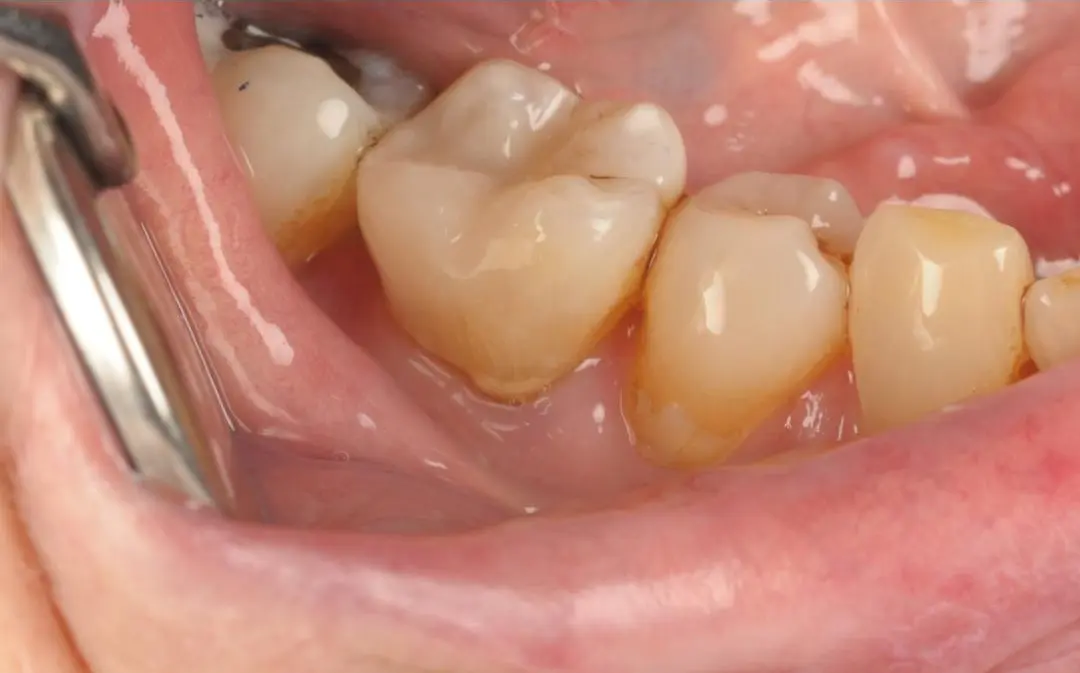
Real Patient Result: Emergency White Filling
Treatment by Dr Kamran
Post and Core Build-Up: A post may be placed within the root canal — following root canal treatment — to help anchor a core of restorative material. This core then provides the foundation upon which the crown can be fitted. This approach is only suitable when the root is healthy and the canal has been adequately treated.
Crown Lengthening: This is a minor surgical procedure in which a small amount of gum tissue — and sometimes bone — is repositioned to expose more of the natural tooth structure. This can create sufficient tooth height to allow a crown to be placed appropriately.
Extraction: In cases where tooth structure is severely compromised and neither a post-core nor crown lengthening is clinically appropriate, extraction may be the recommended course of action. Replacement options such as a dental implant, bridge, or denture would then be discussed separately.
The appropriate path is always determined through clinical assessment and open discussion between patient and dentist. If you have concerns following a dental injury, guidance on emergency dental care in London may also be relevant.
When Should You Seek a Professional Dental Assessment?
Certain symptoms or circumstances may indicate that a dental evaluation is advisable. The following are general indicators only and do not constitute a clinical diagnosis. If you are in pain or distress, please contact a dental professional promptly:
- A tooth that has fractured or broken, particularly if a large portion has been lost
- A tooth with an old, large filling that is showing signs of wear or cracking
- Sensitivity or discomfort when biting or chewing, which may suggest structural compromise
- A tooth that has recently undergone root canal treatment and requires a permanent restoration
- Visible discolouration or change in the shape of a previously restored tooth
These situations do not necessarily mean a crown is required, but they are indicators that a professional opinion would be beneficial. A dentist can assess the remaining tooth structure, review your dental and medical history, and discuss your options in full. If you are experiencing discomfort following dental trauma, information on managing a dental emergency may offer useful initial guidance.
Prevention and Maintaining Tooth Structure
Preserving as much natural tooth structure as possible is a priority in modern dentistry. Here are some practical steps that may help maintain the integrity of your teeth over time:
- Attend regular dental check-ups so that decay or damage is identified and managed early, before significant tooth structure is lost
- Address tooth grinding (bruxism) with your dentist — a night guard may help protect your teeth from excessive wear
- Avoid using teeth as tools (e.g., opening packaging) to minimise the risk of fracture
- Maintain thorough oral hygiene with twice-daily brushing using fluoride toothpaste and daily interdental cleaning
- Limit acidic and sugary foods and drinks, which can erode enamel and weaken teeth over time
Small, timely restorations typically preserve more tooth structure than larger ones placed after significant decay has progressed.
Key Points to Remember
- A dental crown generally requires at least 1.5 to 2 millimetres of sound natural tooth structure above the gum line
- The ferrule effect — the band of tooth structure encircled by the crown — plays an important role in the long-term stability of a crown restoration
- When insufficient tooth remains, options such as post-core build-ups or crown lengthening may be considered, subject to clinical assessment
- In some cases, extraction and tooth replacement may be the most appropriate course of action
- Early dental assessment helps preserve more natural tooth structure and broadens treatment options
- Treatment suitability is always determined individually, following a thorough clinical examination
Frequently Asked Questions
Can a crown be placed on a very small amount of remaining tooth?
It depends on the clinical situation. If the remaining tooth structure is very limited, the risk of crown failure may be higher. Your dentist will assess whether the tooth can be built up using a post and core, or whether a procedure such as crown lengthening could help expose more tooth. In some cases, if neither option is suitable, alternative treatments may be recommended. This is always discussed on an individual basis following examination.
Does the position of the tooth affect how much structure is needed?
Yes, the location of the tooth matters. Back teeth (molars and premolars) bear greater chewing forces than front teeth, which can influence the amount of tooth structure needed for a stable crown. Front teeth, where appearance is a priority, may have different clinical considerations. Your dentist will factor in both the functional demands and aesthetic requirements when planning treatment.
Is a root canal always needed before a crown?
No, a root canal is not always required before a crown is placed. Many crowns are placed on teeth where the pulp remains healthy and intact. Root canal treatment is typically needed when the tooth's pulp has become infected or irreversibly inflamed. Following root canal treatment, a crown is often recommended to protect the tooth, as it can become more brittle without a living pulp.
How long do dental crowns typically last?
The lifespan of a dental crown varies depending on the material used, the location of the tooth, oral hygiene standards, and factors such as grinding habits. Many crowns may last ten to fifteen years or longer with appropriate care, though longevity varies between individuals and is influenced by clinical and lifestyle factors. Your dentist can discuss what may be realistic in your specific case. Regular dental check-ups help ensure that any wear or issues are identified early.
Will I need a crown after a tooth fracture?
Not necessarily. Whether a crown is needed following a tooth fracture depends on the extent and location of the fracture. Minor chips or cracks may be managed with bonding or other restorative approaches. More significant fractures, particularly those affecting the cusp or involving the inner tooth structure, may warrant a crown. Your dentist will assess the fracture type and advise accordingly.
Can I have a crown if I have gum disease?
Active gum disease should generally be treated before a dental crown is placed. The health of the gum tissue and supporting bone structures directly affects the long-term success of crown restorations. If gum disease is present, your dentist will typically recommend a course of periodontal treatment first, followed by reassessment to determine whether crown placement is appropriate at that stage.
Conclusion
Understanding how much natural tooth structure is needed for a dental crown helps patients approach their treatment with greater confidence and clarity. While approximately 1.5 to 2 millimetres of sound tooth above the gum line is a commonly cited minimum, every clinical case is unique. Factors such as the tooth's position, root condition, surrounding gum health, and the specific restoration being planned all influence what is possible.
Whether you are researching treatment options following a fracture, extensive decay, or advice from your dentist, the most important step is always a thorough professional assessment. Early evaluation typically means more options are available — and more natural tooth structure can be preserved.
Dental symptoms and treatment options should always be assessed individually during a clinical examination.
If you have concerns about a damaged or compromised tooth, speaking with a qualified dental professional is always the recommended course of action.
Disclaimer: This article is intended for general educational purposes only and does not constitute personalised dental advice. Individual diagnosis and treatment recommendations require a clinical examination by a qualified dental professional.
Next Review Due: 22 September 2027
Disclaimer
This article is for general educational purposes only and does not constitute dental advice, diagnosis, or treatment. Every patient is different, so symptoms and treatment options should be assessed by a qualified dental professional during a clinical examination. No specific outcomes are guaranteed.