
Root canal treatment is one of the most common procedures in dentistry — and one of the most frequently asked about when it comes to price. Whether you are dealing with a sudden toothache or have been told you need treatment at a routine check-up, understanding the root canal treatment cost before you commit helps you plan with confidence.
The root canal treatment cost UK patients pay varies depending on the tooth, the complexity, and whether the treatment is carried out privately or through the NHS. This guide focuses specifically on private pricing, explaining what you can expect to pay, what influences the fee, and how to make an informed decision.
At Emergency Dentist London, we believe in full transparency. Every patient receives a clear treatment plan with costs explained before any work begins.
Experiencing these symptoms?
Delaying treatment can lead to tooth loss. We have slots available today.
How Much Does Root Canal Treatment Cost in the UK?
The root canal treatment cost in the UK typically ranges from £300 to £900 at a private practice, depending on the tooth being treated. Front teeth with a single canal are at the lower end, while molars with three or four canals sit at the higher end. A crown to protect the treated tooth is usually recommended and carries an additional fee.
Here is a general guide to private pricing in the UK:
Front tooth (incisor or canine). These teeth usually have a single root canal. Treatment is typically quicker and more straightforward, with costs generally ranging from £300 to £500.
Meet Dr. Yasha Shirazi
Principal Dentist at Emergency Dentist London
"We treat hundreds of dental emergencies every month. The sooner you come in, the easier the fix usually is."
Book an appointment with our team →Premolar. These teeth may have one or two canals. The root canal treatment cost for premolars usually falls between £400 and £650.
Molar. Back teeth have three or four canals and more complex root anatomy. Molar root canal treatment typically costs between £500 and £900, reflecting the additional time, skill, and materials required.
These figures represent the treatment itself. The initial assessment, any X-rays, and a subsequent crown are priced separately. Understanding these components helps you see how the total cost of root canal treatment in the UK is built up.
What Affects the Root Canal Treatment Cost?
Several factors influence the teeth root canal treatment cost. No two cases are identical, which is why pricing is not a single fixed number.
Tooth location. As outlined above, front teeth are simpler to treat than molars. The number of canals, the curvature of the roots, and the accessibility of the tooth all play a role. A molar at the very back of the mouth requires more time and precision than an easily accessible front tooth.
Severity of infection. A tooth with a straightforward infection confined to the pulp is quicker to treat than one with a large abscess, significant bone loss, or infection that has spread beyond the root tip. More severe cases may require additional appointments, medication, or specialist techniques.
Complexity of root anatomy. Some teeth have unusually curved, narrow, or calcified canals. These are more difficult to clean and shape, requiring additional time and advanced instruments. The cost of root canal treatment in the UK reflects this clinical complexity.
Need for re-treatment. A tooth that has had a previous root canal may need retreatment if the infection returns. Re-treatment involves removing the old filling material, re-cleaning the canals, and re-sealing them — a more involved process than initial treatment.
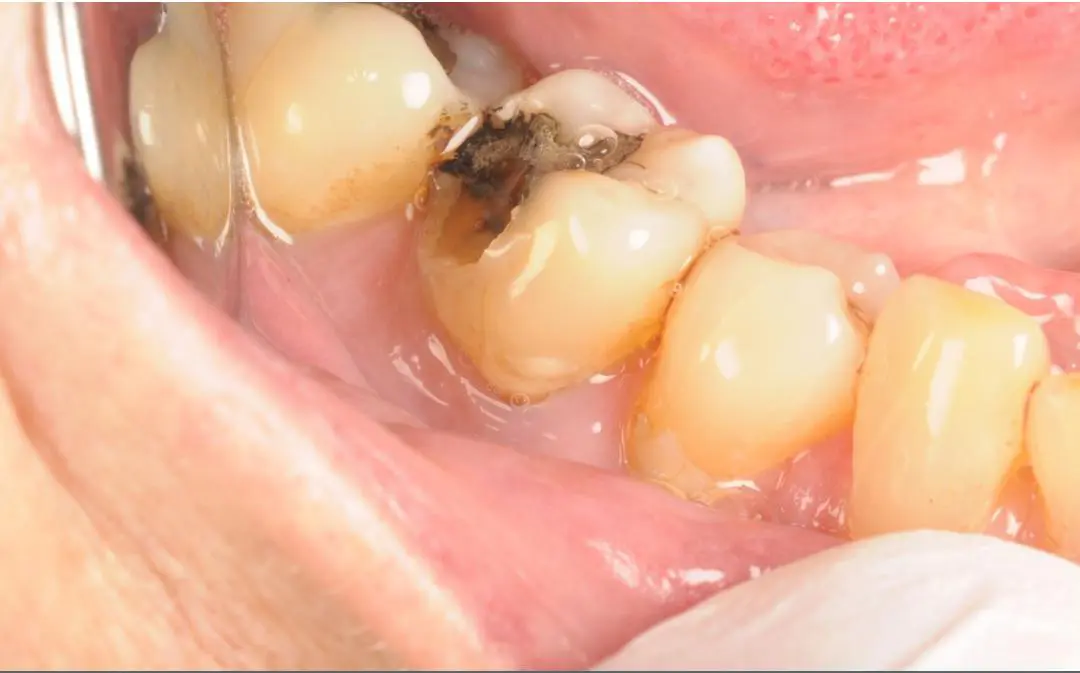
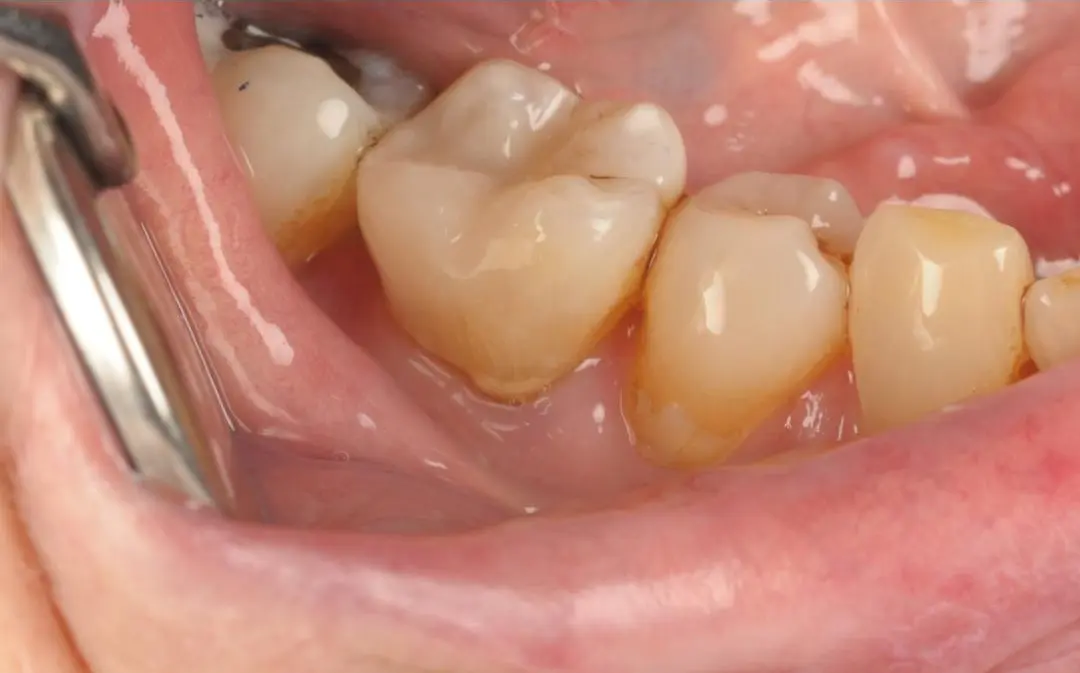
Real Patient Result: Emergency White Filling
Treatment by Dr Kamran
London pricing. The cost of root canal treatment London patients pay tends to be higher than the national average. This reflects the higher operating costs of running a practice in central London — rent, staffing, equipment, and overheads. However, London practices often offer advanced technology and experienced clinicians that can improve outcomes.
Private Root Canal Treatment Cost — Why Prices Vary
If you have compared prices between practices, you may have noticed significant variation. The private root canal treatment cost is not standardised, and several factors explain the differences.
Clinician experience. Dentists with advanced training in endodontics — the branch of dentistry that deals specifically with root canals — bring a higher level of expertise. Their experience with complex cases, curved canals, and retreatments can improve the likelihood of a successful outcome. The cost of private root canal treatment UK-wide reflects this range of experience levels.
Equipment and imaging. Practices that use operating microscopes, digital X-rays, and electronic apex locators can achieve more precise treatment. These tools improve accuracy but represent a significant investment for the practice, which is reflected in the private root canal treatment cost London patients see.
Emergency vs planned treatment. A root canal carried out as an emergency — for example, to relieve severe pain from an acute infection — may carry a higher fee than one scheduled in advance. Emergency appointments require clinics to keep capacity available at short notice, and out-of-hours treatment involves additional staffing costs.
When searching for root canal treatment cost near you, it is worth considering the overall value rather than the lowest price alone. A well-performed root canal that saves your tooth for decades is a sound investment.
For more on how emergency pricing works, read our guide on emergency dentist costs in London. You can also learn about our approach as a private emergency dentist.
Re-Root Canal Treatment Cost UK — Is It More Expensive?
Re-root canal treatment — also called endodontic retreatment — is typically more expensive than an initial root canal. The re-root canal treatment cost UK patients can expect ranges from £500 to £1,100, depending on the tooth and the complexity of the case.
There are several reasons retreatment costs more:
Removing existing materials. The old root canal filling material must be carefully dissolved or mechanically removed before the canals can be re-cleaned. This adds time and requires specialised instruments.
Navigating altered anatomy. Previous treatment may have changed the internal shape of the canals. Calcification, ledges, or separated instruments from the first procedure can make retreatment more technically demanding.
Persistent infection. The reason retreatment is needed is usually that bacteria have survived or re-entered the canal system. Thorough disinfection is essential and may require additional medication or appointments.
Additional imaging. Cone beam CT scans may be recommended to visualise complex anatomy that standard X-rays cannot fully reveal.
Despite the higher cost, retreatment is often worthwhile if it can save the natural tooth and avoid extraction. For full details on how we approach this procedure, visit our root canal treatment service page.
Cost of Root Canal Treatment and Crown
After root canal treatment, the tooth often needs a crown. Understanding the combined cost of root canal treatment and crown helps you plan the full investment.
Why a crown is recommended. A tooth that has undergone root canal treatment has had its internal structure removed. While the outer shell remains, it becomes more brittle over time — particularly back teeth that bear heavy chewing forces. A crown acts as a protective cap, distributing pressure evenly and significantly reducing the risk of fracture.
Crown costs. A private dental crown in the UK typically costs between £400 and £900, depending on the material used. Porcelain, ceramic, and zirconia crowns are the most common options, each offering different balances of strength and aesthetics.
Combined cost. When you add the root canal and crown together, the total typically falls between £700 and £1,800 for a private patient in the UK. This may seem significant, but it preserves the natural tooth and avoids the cost of extraction followed by a replacement — such as an implant, which is considerably more expensive.
Not every root canal tooth requires a crown immediately. Front teeth, which bear less force, may sometimes be restored with a filling alone. Your dentist will advise based on the specific tooth and its condition. If you have lost an existing crown, our lost crown repair treatment page explains the options.
Is Root Canal Treatment Worth the Cost?
This is one of the most common questions patients ask. The answer, in the majority of cases, is yes.
Saving your natural tooth. No artificial replacement — whether an implant, bridge, or denture — is as good as a healthy natural tooth. Root canal treatment preserves the tooth's root, maintains bone structure, and keeps your bite stable. The long-term value of keeping your own tooth is considerable.
Avoiding extraction costs. If a tooth is extracted rather than treated with a root canal, the gap needs to be managed. Leaving it empty can lead to shifting of adjacent teeth and bite problems. Replacing it with an implant typically costs significantly more than a root canal and crown combined.
Long-term success. Root canal treatment has a strong track record. With modern techniques, materials, and experienced clinicians, treated teeth can last for many years — often decades. The root canal treatment cost is a one-time investment in preserving your natural dentition.
For a detailed comparison of the two approaches, read our guide on root canal vs extraction guide.
Emergency Root Canal — Does It Cost More?
If you are in severe pain from an infected tooth and need treatment the same day, you may be wondering whether an emergency root canal costs more than a planned one.
In many cases, the treatment fee itself is the same — the clinical work involved does not change based on when the appointment happens. However, there may be additional costs associated with the urgency of the appointment:
Emergency assessment fee. An initial assessment to diagnose the problem and determine whether root canal treatment is appropriate is typically charged separately. This covers the examination, X-rays, and treatment planning.
Out-of-hours premium. If the appointment takes place in the evening, on a weekend, or on a bank holiday, additional staffing and operational costs may be reflected in the overall fee.
Same-day access. Clinics that reserve capacity for emergency patients build this flexibility into their pricing structure. The ability to be seen within hours rather than weeks carries practical value when you are in pain.
At Emergency Dentist London, our same day emergency dentist team can assess and begin treatment promptly. If you need care outside standard hours, our out of hours dentist London page has full details of availability.
How to Book Root Canal Treatment in London
If you think you may need root canal treatment — or you are in pain and want to find out — the process is straightforward.
Step 1: Book an assessment. The first step is an emergency dental assessment. The dentist examines the tooth, takes any necessary X-rays, and determines whether root canal treatment is the right approach. The assessment fee covers this diagnostic process.
Step 2: Receive a clear treatment plan. If root canal treatment is recommended, the dentist explains the procedure, the expected number of appointments, and the full cost — including any crown that may be needed. You are never committed until you have agreed.
Step 3: Treatment begins. In many cases, treatment can begin at the same appointment as the assessment — particularly if you are in pain and the tooth needs urgent attention. For more complex cases, a follow-up appointment is scheduled.
All fees are explained before any work starts. There are no hidden charges. To see a full breakdown of our current fees, check treatment pricing on our website. When you are ready, you can book your appointment online in under a minute.
Frequently Asked Questions
How much does root canal treatment cost?
The root canal treatment cost at a private practice in the UK typically ranges from £300 to £900, depending on the tooth. Front teeth with a single canal are at the lower end, while molars with multiple canals are at the higher end. A crown to protect the tooth afterwards is usually recommended and costs an additional £400 to £900.
What is the root canal treatment cost UK average?
The average private root canal treatment cost in the UK sits between £400 and £700 for most teeth. Molars tend to be higher due to their complex root anatomy. Prices in London are typically at the upper end of the national range, reflecting the higher operating costs of central London practices.
Why is private root canal treatment cost higher?
Private root canal treatment costs reflect the use of advanced equipment, experienced clinicians, and high-quality materials. Private practices often offer same-day or next-day appointments, longer appointment times, and a more comfortable environment. The clinical outcomes from well-equipped private practices are consistently strong.
What is the cost of root canal treatment and crown?
The combined cost of root canal treatment and a crown typically ranges from £700 to £1,800 privately in the UK. The exact figure depends on the tooth, the type of crown material chosen, and the complexity of the case. Your dentist will provide a clear combined quote before treatment begins.
How much is re-root canal treatment cost UK?
Re-root canal treatment in the UK typically costs between £500 and £1,100 privately. It is more expensive than initial treatment because it involves removing old filling material, navigating altered canal anatomy, and thoroughly re-disinfecting the root system. The additional complexity requires more time and specialised instruments.
Is root canal treatment worth the cost?
In the majority of cases, yes. Root canal treatment saves the natural tooth, maintains bone structure, and preserves your bite. The alternative — extraction followed by a replacement such as an implant — is typically more expensive and more invasive. A well-performed root canal can last for many years, making it a sound long-term investment.
Watch: Your Emergency Dental Appointment Explained
Disclaimer
This article is for general educational purposes only and does not constitute professional dental advice, diagnosis, or treatment. Every patient's circumstances are unique; dental symptoms and treatment options should always be assessed during a clinical examination by a qualified dental professional. No specific outcomes are guaranteed. This content has been prepared in line with GDC, CQC, ASA CAP Code, and GMC communication standards. If you have concerns about your oral health, please contact a registered dentist.