
Losing or damaging a dental crown can be an unsettling experience, particularly when it happens unexpectedly — perhaps after biting into something firm or during an already stressful day. One of the first questions many people ask is: how much does it cost to replace a crown in an emergency? It is entirely understandable to search online for an answer before contacting a dental practice, particularly if you are unsure whether the situation is urgent.
Emergency crown replacement cost in London can vary considerably depending on several clinical and practical factors. This article explains what typically influences the price, what the replacement process may involve, and when it is appropriate to seek prompt professional dental advice. Understanding the basics can help you make an informed decision about your next steps — without unnecessary anxiety.
Whether your crown has become loose, fallen out entirely, or caused discomfort, reading this overview can help you approach the situation calmly and with a clearer understanding of your options.
Experiencing these symptoms?
Delaying treatment can lead to tooth loss. We have slots available today.
What Is the Cost of Emergency Crown Replacement?
The emergency crown replacement cost in London typically ranges from approximately £200 to £900 or more for private treatment, depending on the crown material, the complexity of the case, and the dental practice. An emergency consultation fee may also apply separately. Treatment suitability and final costs can only be confirmed following a clinical examination.
What Is a Dental Crown and Why Might It Need Emergency Replacement?
A dental crown is a custom-made cap that fits over a damaged, weakened, or treated tooth to restore its shape, function, and appearance. Crowns are commonly placed following root canal treatment, to protect a heavily filled tooth, or to improve the appearance of a discoloured or misshapen tooth.
Crowns are designed to be durable, but they are not indestructible. Over time, the cement that holds a crown in place can weaken, and the crown may become loose or fall out. In other cases, a crown may crack or chip due to trauma, biting on hard foods, or underlying tooth changes.
Meet Dr. Yasha Shirazi
Principal Dentist at Emergency Dentist London
"We treat hundreds of dental emergencies every month. The sooner you come in, the easier the fix usually is."
Book an appointment with our team →When a crown falls off or becomes damaged, the underlying tooth structure — which may already have been reduced during the original crown preparation — can become exposed. This can sometimes cause sensitivity, discomfort, or difficulty chewing. In some situations, prompt dental assessment may help to prevent further complications, which is why many patients seek prompt professional care when this occurs.
Factors That Influence Emergency Crown Replacement Cost
The cost of replacing a dental crown in an emergency is rarely a fixed figure. Several variables can affect the final fee:
1. Crown Material
The material chosen for the replacement crown plays a significant role in cost. Common options include:
- Porcelain-fused-to-metal (PFM): A mid-range option offering both strength and a natural appearance.
- Full ceramic or zirconia: Typically the most aesthetically pleasing and often the most expensive.
- Metal alloy crowns: Generally more affordable, though less commonly used for visible teeth.
2. Urgency and Emergency Consultation Fees
Many dental practices charge a separate fee for emergency consultations. This covers the clinical assessment, X-rays if required, and any immediate stabilisation of the tooth — such as re-cementing the existing crown if it is still intact and undamaged.
3. Whether the Existing Crown Can Be Re-cemented
If your original crown has simply become detached without being damaged, your dentist may be able to re-cement it during the emergency visit at a lower cost than a full replacement. This is subject to clinical assessment.
4. Underlying Tooth Condition
If the tooth beneath the crown has suffered decay, fracture, or other changes, additional treatment may be required before a new crown can be fitted — such as a build-up, further restoration, or in some cases, root canal treatment. These factors can affect the overall cost.
5. Dental Practice Location and Experience
In London, private dental fees can vary between practices. The experience of the treating dentist and the technology available at the practice may also be reflected in the pricing.
Understanding the Crown Replacement Process
It is helpful to understand what replacing a crown typically involves clinically. Your dentist will first assess the condition of the underlying tooth, which may include taking a dental X-ray to evaluate the root, bone support, and any signs of decay or infection.
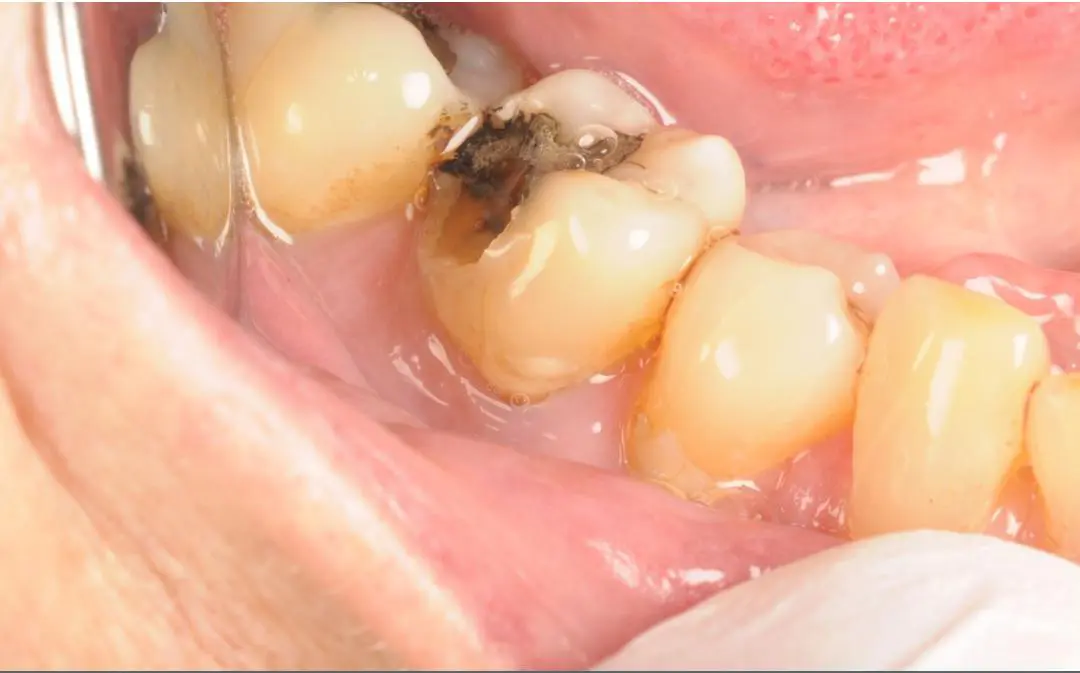
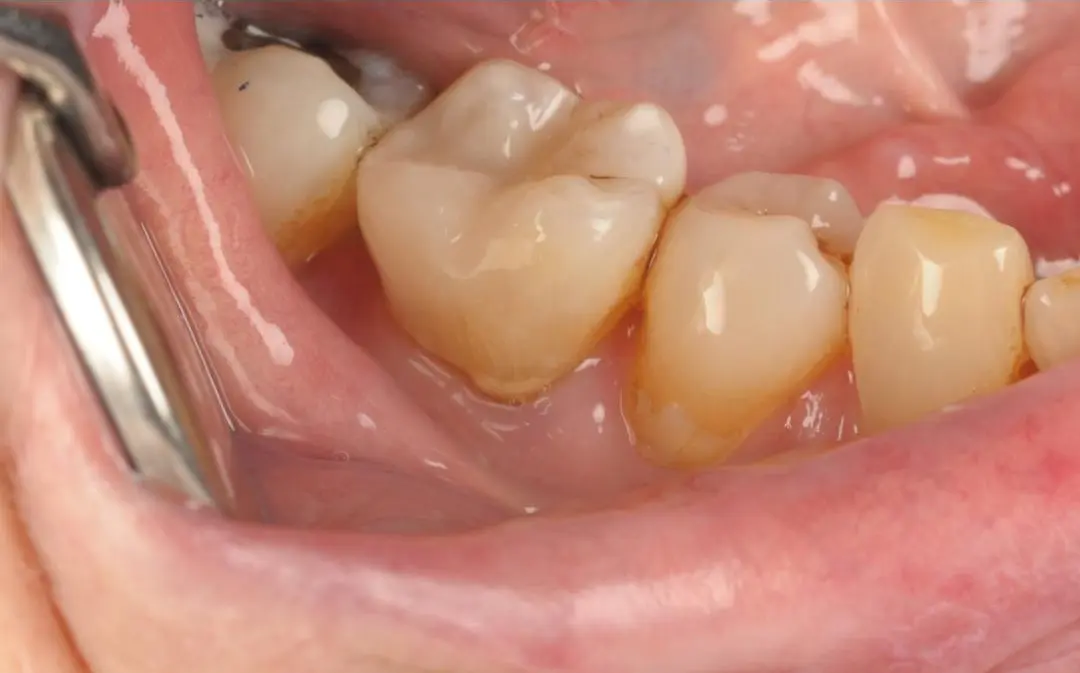
Real Patient Result: Emergency White Filling
Treatment by Dr Kamran
If a new crown is required, the process usually involves:
- Temporary crown placement — A temporary crown is fitted while the permanent restoration is being fabricated, usually by a dental laboratory.
- Impression or digital scan — Your dentist will take a detailed record of the tooth and surrounding bite to ensure the new crown fits accurately.
- Crown fitting appointment — Once the permanent crown is ready (typically within one to two weeks), it is cemented into place and adjusted for comfort.
If you are considering a crown as part of broader restorative or cosmetic dental care, it may be worth learning more about dental crown replacement treatments available at your clinic.
Clinical Explanation: Why Crown Integrity Matters
Dental crowns protect teeth that have been weakened by decay, large fillings, cracks, or root canal treatment. When a tooth is prepared for a crown, the outer enamel is shaped to accommodate the crown fitting — meaning the underlying dentine is closer to the surface once the crown is removed.
Dentine is more porous than enamel and can be sensitive to temperature, pressure, and bacteria. When a crown is lost and the dentine is exposed, there is an increased risk of sensitivity and, over time, bacterial entry that could compromise the tooth further. This is why prompt professional assessment is generally recommended when a crown is lost or damaged, rather than leaving the tooth unprotected for an extended period.
When to Seek Professional Dental Assessment
Not every lost crown constitutes a dental emergency requiring same-day attention, but there are situations where seeking prompt evaluation is advisable:
- Pain or sensitivity around the affected tooth that does not resolve
- Sharp edges on the exposed tooth causing soft tissue irritation
- Swelling around the gum near the affected tooth
- Difficulty eating or biting due to the missing crown
- Visible cracks in the underlying tooth structure
- Signs that may suggest infection, such as a persistent dull ache, swelling, or a bad taste near the tooth
If you are experiencing any of these symptoms, it is sensible to contact a dental practice without delay. A clinical assessment will help determine the most appropriate course of action for your specific situation. You can read more about when to seek urgent dental care to help guide your decision.
Prevention and Oral Health Advice
Whilst it is not always possible to prevent a crown from becoming loose or damaged, certain habits may help to prolong its lifespan:
- Avoid chewing very hard foods such as hard sweets, ice, or crusty bread with the crowned tooth
- Wear a mouthguard if you grind your teeth at night (bruxism), as this can place excessive pressure on crowns
- Maintain consistent oral hygiene — brush twice daily with a fluoride toothpaste and clean between teeth with floss or interdental brushes, paying attention to the gum margin around the crown
- Attend regular dental check-ups so your dentist can monitor the condition of existing crowns and identify any early signs of wear or loosening
- Report any unusual sensitivity around a crowned tooth to your dentist promptly, as this may indicate that the crown needs attention before it becomes a more complex issue
Key Points to Remember
- Emergency crown replacement cost in London typically ranges from approximately £200 to £900 or more, depending on material, complexity, and clinical circumstances.
- A separate emergency consultation fee may apply in addition to the crown cost.
- If the existing crown is intact, re-cementing may be a lower-cost option — subject to clinical assessment.
- The underlying tooth condition significantly influences treatment requirements and overall costs.
- Symptoms such as persistent pain, swelling, or sensitivity around a lost crown warrant prompt dental assessment.
- Good oral hygiene and regular dental check-ups can help extend the lifespan of dental crowns.
Frequently Asked Questions (FAQ)
Can a fallen-out crown be re-cemented rather than replaced?
In some cases, yes. If the original crown is undamaged and the underlying tooth remains in good condition, your dentist may be able to re-cement the existing crown during an emergency appointment. This is generally a more straightforward and less costly option than fabricating an entirely new crown. However, this is always subject to a clinical assessment — the dentist will need to evaluate whether the tooth and crown are suitable for re-cementation before proceeding.
Is emergency crown replacement available on the NHS?
NHS dental treatment in the UK is available at regulated Band charges, and crown treatment may fall under NHS provision in some circumstances. However, NHS emergency appointments are typically prioritised for pain relief and stabilisation, rather than full restorative work. Many private dental clinics in London offer same-day or next-day emergency appointments for crown-related issues. It is advisable to contact your dental practice directly to discuss availability and fees.
What should I do if my crown falls out and I cannot see a dentist immediately?
If you cannot access a dentist immediately, keep the crown safe if it is intact and bring it to your appointment. Avoid trying to re-attach the crown yourself using household adhesives. You may use a small amount of dental temporary cement (available from pharmacies) as a short-term measure to protect the tooth. Avoid chewing on that side of your mouth and contact a dental practice as soon as possible to arrange an assessment.
Does losing a crown always indicate a problem with the underlying tooth?
Not necessarily. Crowns can become loose simply due to the cement degrading over time, particularly in older restorations. However, in some cases, loosening can be associated with decay beneath the crown, changes in the tooth structure, or gum recession. This is why a professional examination is important — only a clinical assessment can determine the underlying cause and the most appropriate next step.
How long does emergency crown replacement take?
An emergency appointment typically focuses on assessing the situation, managing any discomfort, and placing a temporary crown if needed. The fabrication of a permanent replacement crown usually requires a dental laboratory and may take one to two weeks. Some practices with in-house milling technology (CAD/CAM) may be able to provide same-day crowns in certain clinical situations. Your dentist will advise you on the expected timeline based on your individual case.
Will replacing a crown be painful?
Most patients find that the process of having a crown replaced is manageable with appropriate local anaesthetic. If a temporary crown is being placed, discomfort is generally minimal. In situations where the underlying tooth is sensitive or there are signs of infection, your dentist will discuss pain management options with you before proceeding. Any treatment plan will be tailored to your comfort and clinical needs.
Conclusion
Understanding the emergency crown replacement cost in London can help you feel more prepared when an unexpected dental situation arises. Whilst costs can vary widely — from a straightforward re-cementation to a full replacement crown — the most important step is to seek a professional clinical assessment as soon as it is practical to do so. Early evaluation can help prevent the situation from becoming more complicated and may provide more treatment options.
Good oral hygiene, regular dental visits, and awareness of the signs that a crown may need attention are all sensible ways to protect your dental restorations over the long term. If you are curious why certain crown materials, such as gold, may be more prone to loosening than others, our related article on why gold crowns can fall out more often than porcelain ones explores this in more depth.
Dental symptoms and treatment options should always be assessed individually during a clinical examination.
Disclaimer: This article is for general educational purposes only and does not constitute professional dental advice, diagnosis, or treatment. Every patient's circumstances are unique; dental symptoms and treatment options should always be assessed during a clinical examination by a qualified dental professional. No specific outcomes are guaranteed. This content has been prepared in line with GDC, CQC, ASA CAP Code, and GMC communication standards. If you have concerns about your oral health, please contact a registered dentist.
Next Review Due: 28 August 2027