
Chipping a tooth can happen in an instant — biting down on something hard, taking a knock during sport, or simply suffering the effects of wear over time. Whatever the cause, it is a surprisingly common concern, and many Londoners find themselves searching online for answers about what to do next and, just as importantly, how much fixing it might cost.
Understanding the cost to fix a chipped tooth in London is helpful not only for planning purposes, but also for knowing what your treatment options realistically look like. Costs can vary considerably depending on the severity of the chip, which tooth is affected, and what type of repair is clinically appropriate for your situation.
This article provides a clear, educational overview of the treatment options typically available for chipped teeth, the factors that influence pricing in London, and when it may be appropriate to seek professional dental advice — including on an emergency basis. It is important to note that all treatment recommendations depend on an individual clinical assessment by a qualified dentist.
Experiencing these symptoms?
Delaying treatment can lead to tooth loss. We have slots available today.
How Much Does It Cost to Fix a Chipped Tooth in London?
The cost to fix a chipped tooth in London typically ranges from approximately £60–£90 for simple dental bonding, rising to £300–£1,000 or more for porcelain veneers or dental crowns, depending on clinical need. The appropriate treatment — and therefore the cost — is determined by the size, location, and severity of the chip following a professional dental examination.
Understanding Why Teeth Chip: Common Causes
Teeth are remarkably strong structures, but they are not indestructible. A number of everyday circumstances can cause chipping, including:
- Biting hard foods such as ice, boiled sweets, or crusty bread
- Dental trauma, for example from a fall, sports injury, or accident
- Tooth decay or cavities, which can weaken the internal structure of a tooth, making it more susceptible to fracture
- Teeth grinding (bruxism), which places repeated stress on enamel over time
- Worn or old fillings, which can leave surrounding tooth structure less supported
It is also worth noting that teeth can become more brittle with age or as a result of certain lifestyle factors, including dietary habits and the consumption of acidic beverages. In some cases, what appears to be a minor surface chip may actually involve deeper structural damage that is not immediately visible. This is one reason why a professional dental assessment is always advisable after any chip or fracture, even if the tooth is not causing pain. Our broken tooth repair service covers assessment and treatment for chips of all severities.
Meet Dr. Yasha Shirazi
Principal Dentist at Emergency Dentist London
"We treat hundreds of dental emergencies every month. The sooner you come in, the easier the fix usually is."
Book an appointment with our team →Understanding the underlying cause of a chip is also important because it can influence the type of treatment that would be most appropriate and durable in the long term.
Treatment Options for a Chipped Tooth and Typical Costs in London
The treatment recommended for a chipped tooth will depend on a clinical assessment of the damage. Below is an educational overview of the most commonly used approaches and their approximate private price ranges in London. These figures are intended as general guidance only, as individual clinics set their own fee schedules.
Dental Bonding (Composite Resin)
For smaller chips affecting the outer layer of a tooth, dental bonding is often a practical first-line option. A tooth-coloured composite resin material is shaped and bonded directly onto the tooth surface. The procedure is typically completed in a single visit.
Approximate cost in London: £60–£250 per tooth
Dental Veneers
Where chipping affects the visible front surface of a tooth more significantly, or where aesthetics are a primary concern, a porcelain or composite veneer may be considered. Veneers are thin shells applied to the front of the tooth. If the chip has affected an existing veneer rather than a natural tooth, our guide on whether a chipped veneer can be repaired the same day explains what to expect.
Approximate cost in London: £300–£1,000+ per tooth (porcelain veneers tend to be at the higher end)
Dental Crowns
If a tooth has suffered a more extensive chip or fracture — particularly if it involves a large portion of the tooth structure — a dental crown (cap) may be recommended to restore shape, function, and protection.
Approximate cost in London: £400–£1,500+ per crown, depending on material
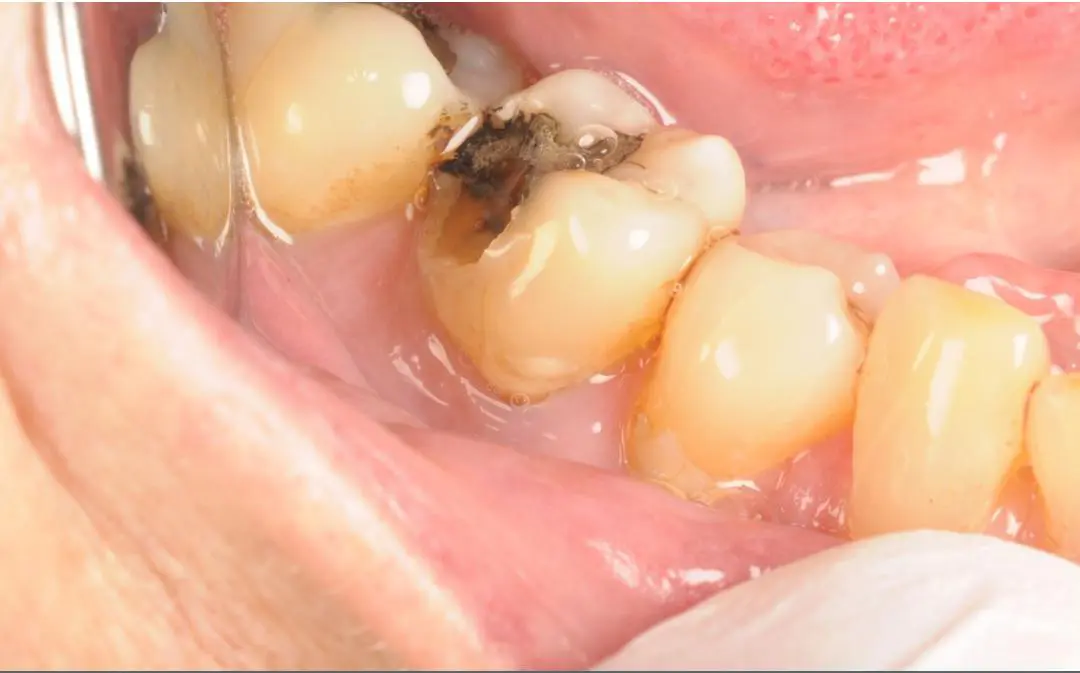
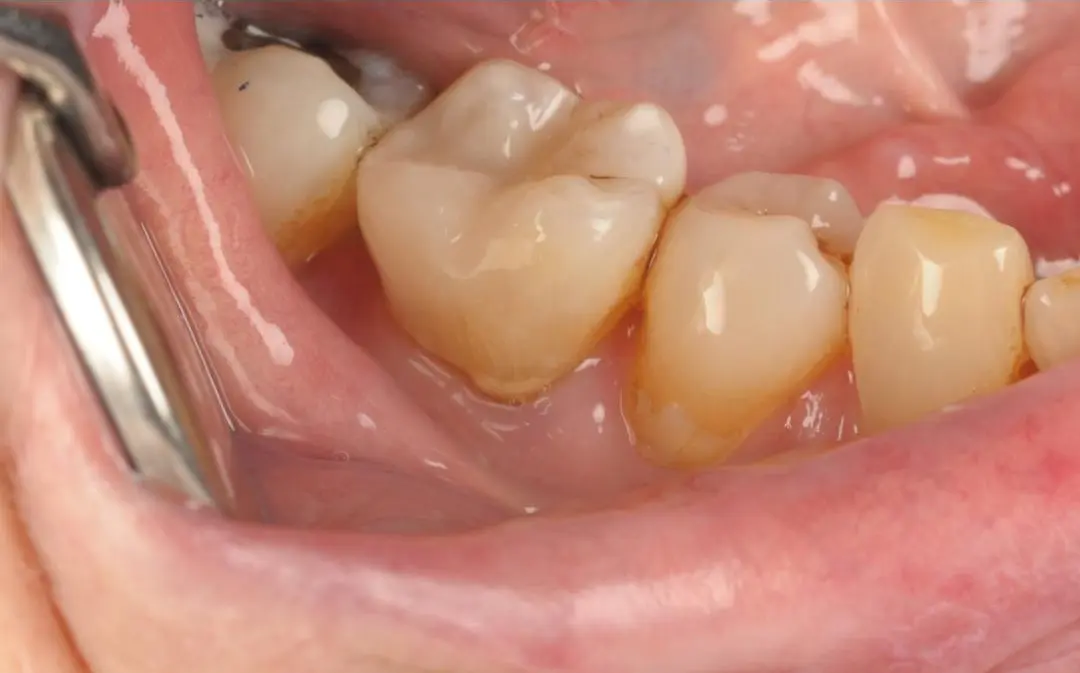
Real Patient Result: Emergency White Filling
Treatment by Dr Kamran
Smoothing or Polishing
In some cases, where a chip is very minor and does not affect function or aesthetics significantly, a dentist may simply smooth or polish the rough edge. This is a minimal intervention.
Approximate cost in London: £60–£100 approximately
For patients considering their options, it is worth reading more about emergency dental treatments available in London to understand how urgent care is approached.
The Dental Science Behind a Chipped Tooth
To understand why treatment choices vary so widely, it helps to have a basic appreciation of tooth anatomy.
A tooth is composed of several distinct layers:
- Enamel — the hard, outermost layer that protects the tooth. It is the hardest substance in the human body, but it cannot regenerate once damaged.
- Dentine — the layer beneath enamel. It is softer and more sensitive, and contains tiny tubules that connect to the nerve.
- Pulp — the innermost chamber containing blood vessels and the nerve tissue.
When a tooth chips, the extent of damage to these layers determines both the urgency and the nature of treatment required. A chip confined to the enamel may cause little more than a rough edge or minor cosmetic concern. However, if the chip extends into the dentine, patients may notice increased sensitivity to temperature or sweet foods. If the fracture reaches the pulp, more involved treatment may be necessary.
This is why a professional examination — often accompanied by a dental X-ray — is an important step after any chip, regardless of how superficial it may appear.
Factors That Influence the Cost to Fix a Chipped Tooth in London
Several variables affect the overall price of treatment for a chipped tooth in the capital:
- Severity and size of the chip — larger or deeper chips typically require more complex and therefore more expensive treatment
- Which tooth is affected — front teeth visible in the smile line may involve more detailed aesthetic work than back molar repairs
- Material used — composite resin is generally less expensive than porcelain; zirconia crowns differ in cost from metal-ceramic crowns
- Number of appointments required — some restorations require laboratory fabrication and therefore multiple visits
- The individual clinic's pricing structure — private dental fees in London vary between practices
- Whether additional treatment is needed — for example, if decay is present or the nerve is affected, this may add to the overall treatment plan and cost
Patients are always encouraged to request a detailed written treatment plan and cost estimate from their dentist before proceeding with any course of treatment.
When Professional Dental Assessment May Be Needed
Not all chipped teeth cause immediate symptoms, but that does not mean a dental assessment should be delayed. There are several situations where it is advisable to seek professional advice without delay:
- Pain or sensitivity — particularly if the chip has exposed dentine or is near the nerve
- A sharp or jagged edge — which may cause cuts or irritation to the tongue, lips, or cheeks
- Visible darkening of the tooth — which may suggest internal changes
- Swelling or discomfort in the gum around the affected tooth
- Difficulty biting or chewing comfortably
- The chip occurred following an impact or trauma to the face or mouth
- A large portion of the tooth has broken away
If you are experiencing any of these symptoms following a chipped tooth, it may be appropriate to seek an emergency dental appointment. An assessment will help determine whether treatment is needed urgently and what the most suitable options may be for your individual situation.
The video below provides helpful information about accessing same-day emergency dental care in London:
Please note: Any appointment fees referenced in the video above are indicative only. A full treatment plan with associated costs will be provided following your clinical assessment. Fees may vary depending on individual clinical needs and the treatment required.
If you are unsure whether your situation requires urgent attention, you can learn more about when to seek emergency dental care to help guide your decision.
Prevention and Oral Health Advice: Reducing the Risk of Chipped Teeth
While not every chip can be avoided, there are practical steps that may help reduce the likelihood of dental damage:
- Wear a mouthguard during contact sports — a professionally fitted guard is generally considered to offer more tailored protection than an over-the-counter alternative
- Avoid using teeth as tools — opening packaging, biting nails, or tearing tape can place unnecessary stress on enamel
- Be cautious with very hard foods — ice cubes, hard boiled sweets, and unpopped popcorn kernels are common culprits
- Address teeth grinding (bruxism) — if you wake with jaw soreness or are aware that you clench or grind your teeth, speak to your dentist. A night guard may help protect your teeth during sleep
- Maintain regular dental check-ups — routine examinations allow a dentist to identify areas of weakness, early decay, or worn restorations before they lead to a fracture
- Manage acid erosion — limiting acidic drinks and rinsing with water after consuming them can help preserve enamel strength over time
Preventative dentistry is one of the most effective and cost-efficient approaches to long-term oral health. Patients interested in a proactive approach to protecting their teeth may wish to explore our dental membership plan available at their clinic.
Key Points to Remember
- The cost to fix a chipped tooth in London varies depending on the treatment required, ranging from approximately £60 for minor bonding to over £1,000 for more complex restorations such as porcelain veneers or crowns.
- The appropriate treatment can only be determined following a clinical examination by a qualified dentist — there is no one-size-fits-all solution.
- Even small chips should be assessed by a dentist, as what appears minor externally may involve deeper damage.
- Symptoms such as sensitivity, pain, swelling, or a sharp edge warrant prompt professional attention.
- Preventative measures — including mouthguards, dietary adjustments, and regular check-ups — can help reduce the risk of chipping in the future.
- All patients are encouraged to request a written treatment plan and cost breakdown before proceeding with dental work.
Frequently Asked Questions
Can a chipped tooth fix itself?
No — tooth enamel does not have the ability to regenerate or self-repair. Once a chip has occurred, the structural loss is permanent. However, the clinical significance of the chip varies greatly depending on its size and location. A dentist will be able to advise whether active treatment is needed immediately, whether a monitoring approach is appropriate, or whether a simple smooth and polish is sufficient. Leaving a chip unexamined is generally not recommended, as it may worsen over time or allow bacteria to accumulate in rough or exposed areas.
Is fixing a chipped tooth painful?
Most treatments for chipped teeth are straightforward and are carried out under local anaesthetic where required, meaning the procedure itself should not be painful. Patients occasionally report mild sensitivity following treatment, particularly if the chip was close to the nerve. Your dentist will discuss what to expect before, during, and after any procedure. If you experience discomfort that persists beyond a few days following treatment, it is advisable to contact your dental practice.
How long does dental bonding last on a chipped tooth?
Composite resin bonding is a durable repair option, but it is generally considered less long-lasting than porcelain restorations. With good oral hygiene, a careful diet, and regular dental reviews, bonding can last several years — though it may require polishing or replacement over time. The longevity of any restoration depends on individual factors including bite forces, dietary habits, and oral hygiene. Your dentist will be able to give you realistic expectations based on your specific situation.
Does the NHS cover chipped tooth treatment in London?
Chipped tooth treatment may be available on the NHS if the damage affects function or involves clinical need. However, purely cosmetic repairs — such as bonding or veneers for aesthetic improvement — are generally not covered under NHS dental charges. NHS treatment is provided at fixed Band 1, 2, or 3 charges, and what is available will depend on clinical assessment. Private dental treatment in London offers a wider range of cosmetic options. It is advisable to discuss both NHS and private pathways with your dentist to understand what is available to you.
What happens if I leave a chipped tooth untreated?
The consequences of leaving a chipped tooth without assessment will depend on the size and depth of the chip. A very superficial chip may remain stable, but it can create a rough surface that is more difficult to keep clean and may worsen over time. Where dentine is exposed, sensitivity may develop or increase. In cases where the chip extends towards the nerve, untreated damage may eventually lead to infection or more complex dental needs. Seeking professional advice promptly is always the recommended course of action following a chip.
Is dental bonding a good option for front teeth?
Dental bonding can be an effective and relatively affordable option for repairing minor chips on front teeth, as composite resin can be colour-matched closely to natural tooth shade. It is commonly used for visible teeth due to its aesthetic qualities and the speed with which it can be completed. However, for larger chips or where greater durability and colour stability are desired over the long term, a dentist may discuss alternatives such as a porcelain veneer. Treatment suitability is always based on individual clinical assessment.
Conclusion
A chipped tooth is one of the most common dental concerns that adults in London encounter, and understanding the likely cost to fix a chipped tooth in London can help you feel more informed and prepared when seeking care. Costs range broadly depending on the treatment involved — from straightforward dental bonding through to more involved restorations such as crowns or veneers — and are always determined following a thorough clinical examination.
Whether your chip is causing discomfort or simply affecting your confidence in your smile, early assessment by a qualified dentist is the most sensible first step. In many cases, treatment is often straightforward and, depending on individual clinical circumstances, can frequently be completed efficiently with positive outcomes. Maintaining regular dental check-ups, wearing appropriate protection during sport, and being mindful of dietary habits that can stress or erode enamel are all practical steps towards protecting your teeth in the long term.
Dental symptoms and treatment options should always be assessed individually during a clinical examination.
If you have chipped a tooth and would like to discuss your options with an experienced dental team in London, we encourage you to get in touch and arrange a convenient appointment at your earliest opportunity.
Disclaimer: This article is for general educational purposes only and
does not constitute professional dental advice, diagnosis, or treatment.
Every patient's circumstances are unique; dental symptoms and treatment
options should always be assessed during a clinical examination by a
qualified dental professional. No specific outcomes are guaranteed. This
content has been prepared in line with GDC, CQC, ASA CAP Code, and GMC
communication standards. If you have concerns about your oral health,
please contact a registered dentist.
Next Review Due: 21 August 2027