
When patients are told they need either a root canal or an extraction, cost is often one of the first concerns that comes to mind. It is entirely natural to weigh up the financial implications alongside the clinical ones, particularly when facing an unexpected dental issue. Many people search online hoping to understand which option is more affordable — and the answer is rarely straightforward.
The root canal vs extraction cost comparison is nuanced. While a tooth extraction may appear less expensive at first glance, the longer-term costs associated with replacing a missing tooth — through implants, bridges, or dentures — can significantly exceed the cost of saving the natural tooth with root canal treatment.
This article explains what each treatment involves, how costs are typically structured in a private dental setting in London, and why speaking with a qualified dental professional is the most reliable way to understand which option suits your individual circumstances.
Experiencing these symptoms?
Delaying treatment can lead to tooth loss. We have slots available today.
Root Canal vs Extraction — Which Is More Cost-Effective?
In many cases, root canal treatment can be more cost-effective than an extraction when long-term tooth replacement costs are factored in. While extraction itself may carry a lower upfront fee, replacing a missing tooth with a dental implant, bridge, or denture typically adds considerable expense over time. Suitability depends on individual clinical assessment.
Understanding What Each Treatment Involves
Before comparing costs, it helps to understand what each procedure entails.
Root canal treatment (also referred to as endodontic treatment) involves removing infected or damaged pulp tissue from inside the tooth, cleaning and shaping the root canals, and sealing the tooth to prevent further infection. In most cases, a crown is placed over the tooth afterwards to restore its strength and function. The procedure typically requires one to three appointments, depending on the complexity of the case.
Meet Dr. Yasha Shirazi
Principal Dentist at Emergency Dentist London
"We treat hundreds of dental emergencies every month. The sooner you come in, the easier the fix usually is."
Book an appointment with our team →Tooth extraction is the removal of the tooth from the socket. The procedure itself is often completed in a single appointment and may be straightforward or surgical, depending on the position and condition of the tooth. Following extraction, a gap is left in the mouth — and while some patients choose not to replace it, dentists generally advise that missing teeth can affect bite alignment, jawbone density, and the surrounding teeth over time.
Understanding both procedures helps patients make more informed decisions when discussing options with their dentist.
The Upfront Cost Difference
In a private dental practice in London, the cost of root canal treatment varies depending on which tooth is being treated. Front teeth (single-rooted) tend to be less complex and therefore less expensive to treat than back molars, which have multiple root canals.
A straightforward root canal on a front tooth may begin from approximately £400–£700, while molar treatment can range from £700–£1,200 or more, depending on the case. A crown, which is often recommended following root canal treatment, may add a further £600–£1,200. If a crown later becomes loose or falls out, our related guide on reusing an old crown that falls out intact explains what to do next. By comparison, a straightforward tooth extraction in a private London clinic may cost between £150–£350, with surgical extractions (for impacted or broken-down teeth) potentially higher. Please note that all fees are indicative only, vary between practices and individual clinical circumstances, and a full written treatment plan with costs will be provided following a clinical consultation.
At first glance, the extraction appears significantly cheaper — but this comparison only considers the immediate procedure.
The Long-Term Cost of Replacing a Missing Tooth
This is where the financial picture changes considerably. A gap left by a missing tooth is not simply cosmetic. Over time, the surrounding teeth may drift, bite function may be affected, and jawbone loss can occur in the area of the missing tooth.
Common tooth replacement options and their approximate private costs in London include:
- Dental implant (single tooth): £2,000–£3,500 or more, including the crown
- Dental bridge: £1,500–£2,500, involving preparation of adjacent teeth
- Partial denture: £500–£1,200, though requiring ongoing maintenance and replacement over time
When these replacement costs are added to the initial extraction fee, the total expenditure frequently exceeds what root canal treatment and a crown would have cost together.
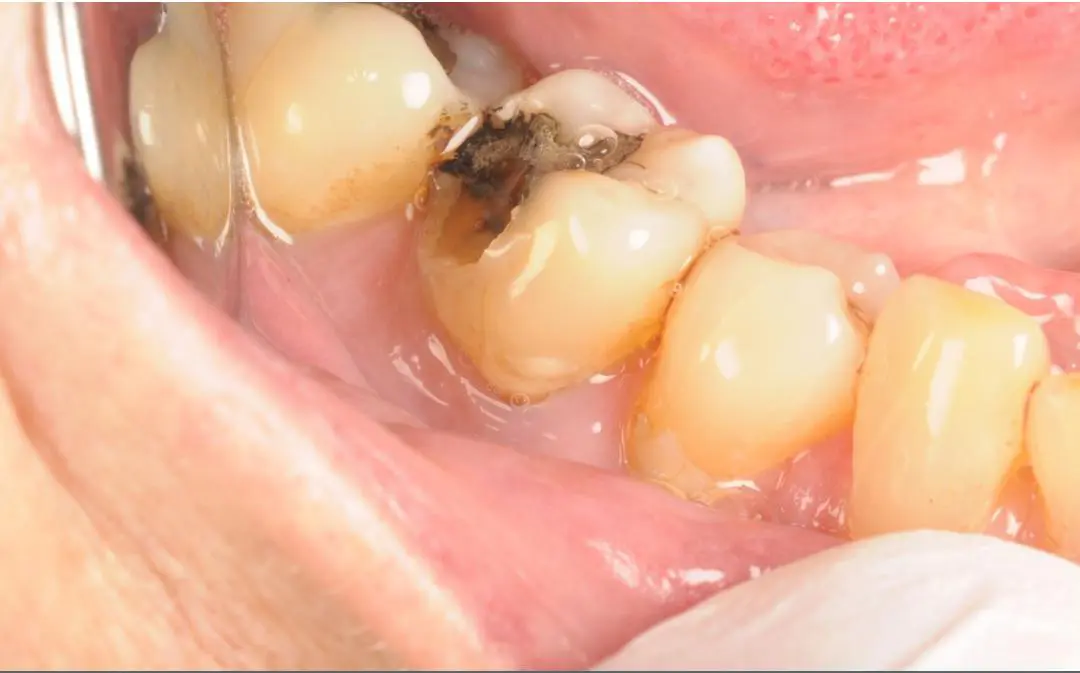
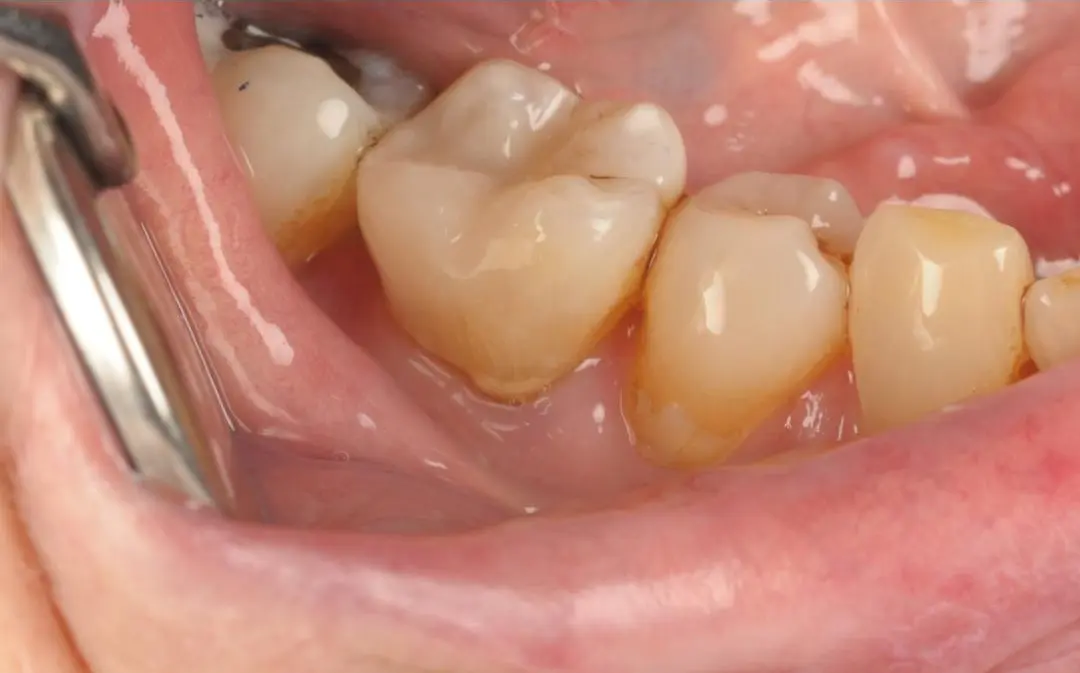
Real Patient Result: Emergency White Filling
Treatment by Dr Kamran
If you are considering tooth replacement options following an extraction, it may be helpful to review our full price list, which includes guidance on dental implant costs, to understand what is involved and what to expect.
The Clinical Science: Why the Tooth's Internal Structure Matters
To appreciate why root canal treatment can preserve a tooth effectively, it helps to understand basic tooth anatomy. Each tooth contains a central chamber called the pulp, which houses nerves and blood vessels. When bacteria penetrate deep through decay, a crack, or trauma, the pulp can become infected or inflamed.
Left untreated, this infection can spread to the surrounding bone, causing a dental abscess. Root canal treatment removes the source of infection from within the tooth and seals the canals to prevent reinfection. Provided the outer tooth structure is sufficiently intact and the procedure is completed successfully, the treated tooth can continue to function for many years — though outcomes vary between individuals and depend on several clinical factors.
Importantly, a root canal does not guarantee permanent preservation of the tooth, and some cases may not be suitable for this treatment. Clinical assessment is essential to determine whether the tooth is restorable.
When Professional Dental Assessment May Be Needed
Certain symptoms may suggest that a tooth requires prompt dental evaluation. These include:
- Persistent or throbbing toothache, particularly if it wakes you at night
- Sensitivity to hot or cold that lingers after the stimulus is removed
- Swelling around the gum, jaw, or face
- Discolouration of a tooth, particularly darkening
- A raised bump on the gum near the affected tooth
- Pain when biting or chewing
These symptoms do not definitively indicate any specific diagnosis, but they do suggest that a dental examination would be appropriate. Early assessment generally provides more treatment options and may help avoid more complex intervention later.
If you are experiencing any of the above symptoms and need prompt advice, emergency dental care in London is available for patients requiring urgent assessment.
Prevention and Oral Health Advice
While not all tooth infections are preventable, maintaining good oral hygiene can meaningfully reduce the risk of the decay that often leads to the need for root canal treatment or extraction.
Practical steps that support long-term dental health include:
- Brushing twice daily with a fluoride toothpaste, using a gentle circular technique
- Flossing or using interdental brushes daily to clean between teeth where a toothbrush cannot reach
- Attending regular dental check-ups — typically every six to twelve months, depending on your dentist's recommendation
- Limiting sugary and acidic foods and drinks, which contribute to enamel erosion and decay
- Wearing a mouthguard if you grind your teeth at night, as grinding can crack teeth and damage pulp tissue
- Addressing dental concerns early rather than waiting, as decay caught at an early stage is often far simpler and less costly to treat
Good oral hygiene habits, combined with regular professional check-ups, are widely recognised as among the most effective ways to support long-term dental health. Routine dental check-ups and hygiene appointments with our dental team can help identify potential issues before they escalate.
Key Points to Remember
- Root canal treatment typically costs more upfront than an extraction alone, but tooth replacement costs often make extraction the more expensive long-term option
- The cost of a dental implant, bridge, or denture can significantly exceed the cost of saving the original tooth
- Root canal treatment preserves the natural tooth, which has functional and structural advantages
- Not every tooth is suitable for root canal treatment — a clinical assessment is required to determine options
- Symptoms such as persistent pain, swelling, or temperature sensitivity warrant professional dental evaluation
- Good oral hygiene and regular check-ups are among the most effective ways to avoid needing either procedure
Frequently Asked Questions
Is a root canal always better than an extraction?
Not necessarily — suitability depends on the clinical condition of the tooth, the extent of infection or damage, and individual patient factors. In some cases, the tooth structure may be too compromised to support root canal treatment, making extraction the more appropriate option. In other cases, saving the natural tooth is clinically preferable. A thorough dental examination, which may include X-rays, is needed to determine the most appropriate course of action for each patient.
How long does a tooth last after root canal treatment?
With appropriate aftercare — including a crown where recommended, good oral hygiene, and regular dental check-ups — a root canal-treated tooth can function for many years. However, outcomes vary depending on the individual tooth, the complexity of the treatment, and the patient's overall oral health. There is no universally guaranteed lifespan, and some teeth may require further treatment over time.
Does root canal treatment hurt?
Root canal treatment is performed under local anaesthetic, and most patients report feeling pressure rather than pain during the procedure. Post-procedure discomfort is normal for a few days and can usually be managed with over-the-counter pain relief as directed by your dentist. Advances in dental techniques and anaesthesia have made the procedure considerably more comfortable than many patients anticipate.
What happens if I leave a damaged tooth untreated?
An infected or severely damaged tooth that is left untreated may cause increasing pain and can lead to a dental abscess. In some cases, infection may spread to surrounding tissues, which can become a more serious health concern. Early dental assessment is advisable if you are experiencing symptoms, as treatment options are often broader when a problem is identified at an earlier stage.
Can I eat normally after a root canal?
Patients are generally advised to avoid eating on the treated tooth until it has been restored with a permanent crown or filling, as the tooth may be more fragile in the interim. Your dentist will provide specific aftercare guidance based on your treatment. Once fully restored, the tooth can typically function normally for eating and speaking.
Will my dental insurance cover root canal treatment in London?
Coverage depends entirely on your specific dental insurance policy. Some private dental plans in the UK include endodontic treatment, while others may require you to pay in full or in part. It is advisable to check with your insurer before proceeding with treatment. If you do not have dental insurance, many private practices offer payment plans or phased treatment options — your dental team can advise on what may be available.
Conclusion
The question of whether a root canal is cheaper than an extraction in the long run is one that many patients face — and it is a genuinely important consideration. While extraction carries a lower upfront cost, the full financial picture must include the likely need for tooth replacement and the cumulative costs that follow.
Preserving the natural tooth through root canal treatment, where clinically appropriate, is often the more cost-effective choice over time. However, cost is just one factor in a broader clinical decision that depends on the condition of the tooth, the patient's overall oral health, and professional dental assessment.
If you are experiencing dental pain or have been advised that you may need a root canal or extraction, seeking a professional opinion is the most important next step. Dental symptoms and treatment options should always be assessed individually during a clinical examination.
Disclaimer: This article is for general educational purposes only and does not constitute professional dental advice, diagnosis, or treatment. Every patient's circumstances are unique; dental symptoms and treatment options should always be assessed during a clinical examination by a qualified dental professional. No specific outcomes are guaranteed. This content has been prepared in line with GDC, CQC, ASA CAP Code, and GMC communication standards. If you have concerns about your oral health, please contact a registered dentist.
Next Review Due: 11 September 2027