
Many people delay seeking dental care until pain becomes unbearable or problems become visibly apparent. This common hesitation often stems from dental anxiety, busy schedules, or the assumption that minor symptoms will resolve naturally. However, what starts as a small concern can develop into complex dental issues requiring extensive treatment.
Early intervention at a walk-in dentist represents a proactive approach to oral healthcare that can significantly influence your long-term dental wellbeing. Walk-in dental services provide accessible care when you first notice concerning symptoms, rather than waiting weeks for a scheduled appointment. This immediate accessibility allows dental professionals to identify and address issues during their earliest stages.
Understanding the relationship between timely dental care and long-term oral health outcomes can help you make informed decisions about your dental care. Early detection of problems such as tooth decay, gum inflammation, or structural damage enables simpler treatment approaches and better preservation of your natural teeth. This article explores how prompt dental intervention supports lasting oral health and when professional assessment may be beneficial for maintaining optimal dental wellbeing.
Experiencing these symptoms?
Delaying treatment can lead to tooth loss. We have slots available today.
How Does Early Intervention at Walk-In Dentists Benefit Long-Term Oral Health?
Early intervention at walk-in dentists can help prevent minor dental problems from developing into serious conditions requiring complex treatment. Prompt professional assessment enables early detection of decay, gum disease, and structural issues, preserving natural tooth structure and supporting better long-term oral health outcomes through timely, minimally invasive care.
Understanding the Progressive Nature of Dental Problems
Dental conditions rarely remain static; most oral health issues follow a progressive pattern that worsens without appropriate intervention. Tooth decay begins as microscopic bacterial activity on tooth surfaces, initially causing minimal symptoms. During these early stages, the demineralisation process affects only the outer enamel layers, making restoration relatively straightforward.
As decay progresses deeper into tooth structure, it reaches the dentine layer, where sensitivity and discomfort typically develop. Without treatment at this stage, bacterial penetration continues towards the tooth's pulp chamber, potentially leading to infection and significant pain. This progression demonstrates why early detection and treatment preserve more natural tooth structure and require less invasive procedures.
Meet Dr. Yasha Shirazi
Principal Dentist at Emergency Dentist London
"We treat hundreds of dental emergencies every month. The sooner you come in, the easier the fix usually is."
Book an appointment with our team →Gum disease follows a similar progressive pathway, starting with mild inflammation and plaque accumulation along the gum line. Early-stage gingivitis responds well to professional cleaning and improved oral hygiene. However, untreated gum inflammation can advance to periodontitis, affecting the supporting structures around teeth and potentially leading to tooth mobility or loss.
The accessibility of walk-in dental services enables intervention during these crucial early stages, when treatment options remain conservative and outcomes are typically more predictable.
The Clinical Advantages of Immediate Dental Assessment
Professional dental examination uses specialised diagnostic tools and clinical expertise to identify problems that may not be apparent to patients. Dental professionals can detect early signs of decay using clinical observation, radiographic imaging, and diagnostic instruments that reveal changes in tooth structure before symptoms develop.
Early intervention allows for conservative treatment approaches that preserve maximum natural tooth structure. Small cavities can often be restored with minimal tooth preparation, maintaining tooth strength and longevity. This contrasts with advanced decay scenarios where extensive restoration or root canal treatment may become necessary.
Immediate assessment also enables identification of risk factors that contribute to dental problems. These might include dietary habits, oral hygiene techniques, or structural factors that predispose teeth to decay or damage. Addressing these underlying factors as part of early intervention helps prevent future problems and supports long-term oral health maintenance.
Furthermore, early professional intervention can prevent the development of dental emergencies. Many urgent dental situations result from untreated problems that have progressed to advanced stages, causing severe pain or infection.
How Preventive Measures Support Long-Term Success
Early intervention extends beyond treating existing problems to include preventive measures that protect against future dental issues. Professional fluoride applications can strengthen tooth enamel and may help reverse early stages of demineralisation, assisting in slowing the progression of incipient decay.
Dental professionals can also identify areas of increased risk and recommend targeted preventive strategies. This might include specific oral hygiene techniques for hard-to-reach areas, dietary advice to reduce acid exposure, or protective treatments such as fissure sealants for vulnerable tooth surfaces.
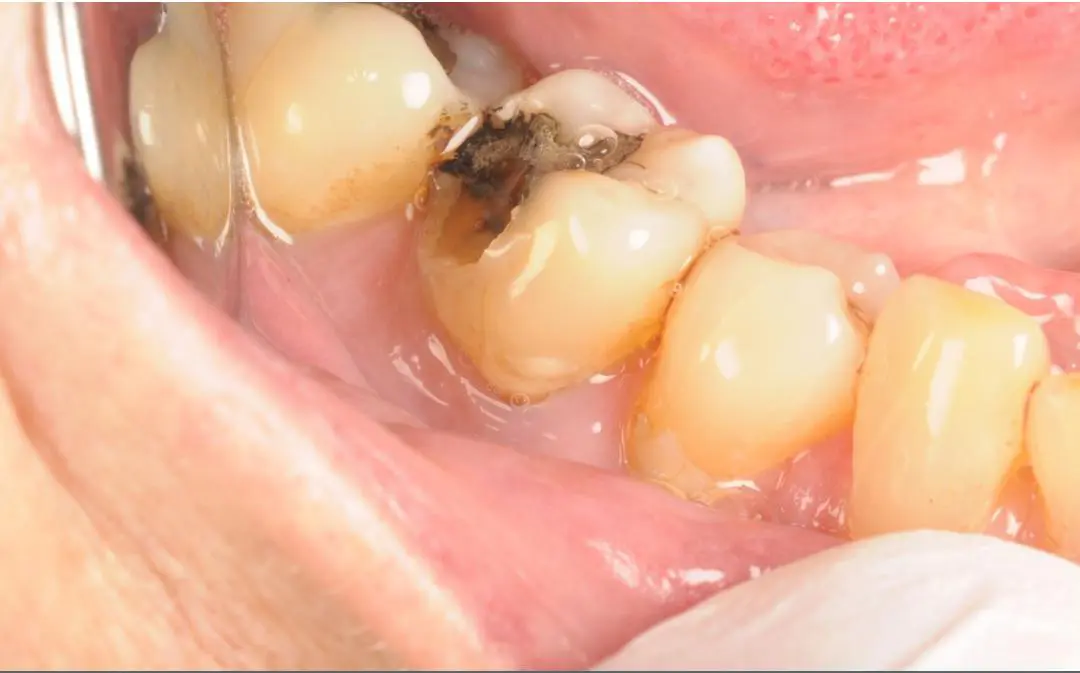
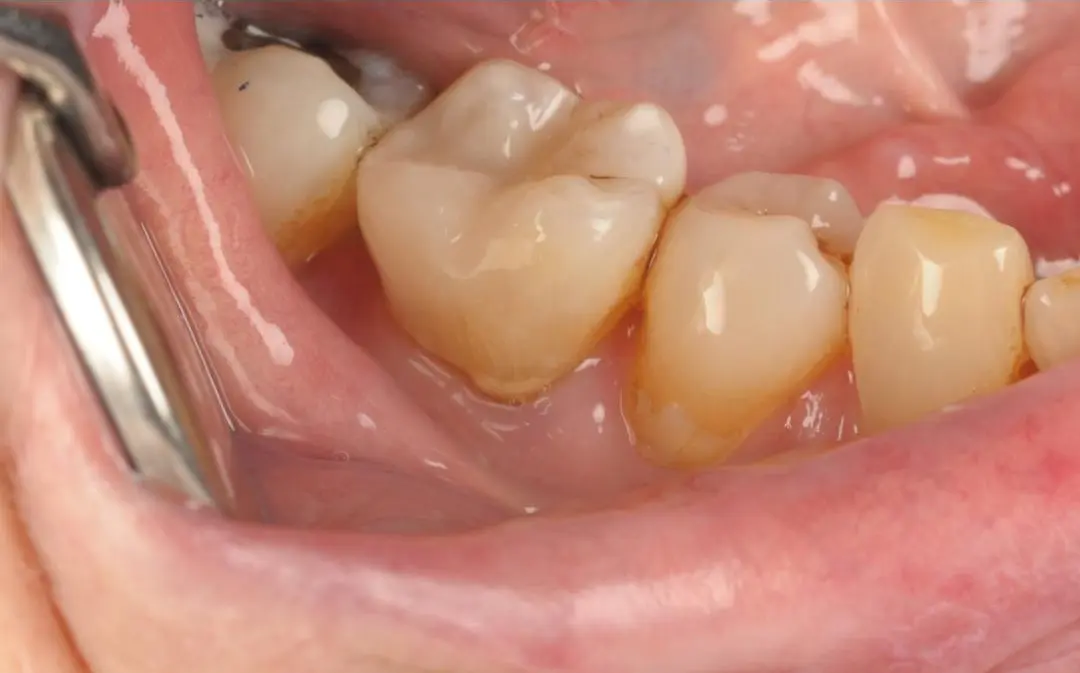
Real Patient Result: Emergency White Filling
Treatment by Dr Kamran
Regular professional cleaning removes bacterial deposits and calcified plaque that cannot be eliminated through routine home care. This professional maintenance helps prevent the accumulation of harmful bacteria that contribute to both tooth decay and gum disease.
Patient education forms a crucial component of preventive care, helping individuals understand their specific oral health risks and the most effective strategies for maintaining dental wellbeing between professional appointments.
When Professional Dental Assessment May Be Needed
Several symptoms or changes in your oral health may indicate the need for professional dental evaluation. Tooth sensitivity to hot, cold, or sweet substances often signals early enamel changes or developing decay that can benefit from prompt treatment. Similarly, occasional discomfort when biting or chewing may indicate structural problems or developing issues around existing restorations.
Changes in your gums, such as bleeding during brushing, persistent redness, or swelling, warrant professional assessment as these signs often indicate early gum disease. Bad breath that persists despite good oral hygiene may also signal underlying dental problems requiring professional attention.
Visual changes such as white or dark spots on teeth, rough areas on tooth surfaces, or changes in existing fillings should be examined professionally. Even minor chips or fractures in teeth benefit from early assessment to prevent further damage and determine whether protective treatment is needed.
Pain is not always an early indicator of dental problems, so regular professional monitoring helps detect issues before symptoms develop. This proactive approach enables treatment during optimal stages for conservative care.
Supporting Your Long-Term Oral Health Through Daily Care
Maintaining excellent oral hygiene between professional appointments forms the foundation of long-term dental health. Effective plaque removal through proper brushing technique helps prevent the bacterial accumulation that leads to decay and gum disease. Using fluoride toothpaste provides ongoing protection for tooth enamel throughout the day.
Daily flossing or interdental cleaning removes bacterial deposits from areas that toothbrushes cannot reach effectively. These spaces between teeth are common sites for decay development, making thorough interdental cleaning essential for comprehensive oral health maintenance.
Dietary choices significantly influence your oral health outcomes. Limiting frequent consumption of sugary or acidic foods and drinks reduces the frequency of acid attacks on tooth enamel. When consuming these items, drinking water afterwards helps neutralise acids and wash away food particles.
Regular professional monitoring, even when no symptoms are present, enables early detection of developing problems and ongoing assessment of your oral health status. This combination of excellent home care and professional oversight provides the best foundation for long-term dental wellbeing.
Key Points to Remember
• Early intervention at walk-in dentists can help prevent minor problems from developing into complex dental conditions
• Conservative treatments preserve more natural tooth structure and typically offer better long-term outcomes
• Professional assessment can detect problems before symptoms develop, enabling optimal treatment timing
• Preventive measures implemented early provide ongoing protection against future dental issues
• Combining prompt professional care with excellent daily oral hygiene supports lasting dental health
• Regular monitoring helps maintain optimal oral health even when no symptoms are present
Frequently Asked Questions
What makes walk-in dental services effective for early intervention?
Walk-in dental services provide immediate access to professional assessment without waiting for scheduled appointments. This accessibility enables treatment during the earliest stages of dental problems when conservative approaches are most effective. Early intervention may help prevent minor issues from progressing to complex conditions requiring extensive treatment, ultimately supporting better long-term oral health outcomes and preserving natural tooth structure.
How early can dental problems be detected before symptoms appear?
Professional dental examination can identify many problems during their initial stages, often before patients experience symptoms. Specialised diagnostic tools and clinical expertise enable detection of early decay, gum inflammation, and structural changes that may not be apparent to patients. Regular professional monitoring allows intervention at optimal stages for conservative treatment approaches.
What role does prevention play in early dental intervention?
Prevention forms a crucial component of early intervention, extending beyond treating existing problems to include protective measures against future issues. This encompasses professional fluoride applications, targeted oral hygiene recommendations, and patient education about risk factors. Preventive strategies implemented early provide ongoing protection and help maintain optimal oral health between professional appointments.
Are early dental treatments less invasive than advanced procedures?
Early dental treatments typically require less invasive approaches and preserve more natural tooth structure compared to advanced procedures. Small cavities can often be restored with minimal tooth preparation, while early gum disease responds well to professional cleaning and improved hygiene. This contrasts with complex treatments needed for advanced problems, demonstrating the benefits of timely intervention.
How does early intervention impact long-term treatment costs?
Early intervention often results in more cost-effective long-term dental care by addressing problems when they require simpler treatments. Conservative early treatments typically involve less complex procedures and preserve natural tooth structure, potentially avoiding the need for extensive restoration or replacement options. However, treatment costs vary based on individual circumstances and should be discussed during professional consultation.
When should someone seek immediate dental assessment?
Immediate dental assessment may be beneficial when experiencing tooth sensitivity, gum bleeding, persistent discomfort, or visible changes in teeth or gums. Even minor symptoms warrant professional evaluation, as early detection enables optimal treatment timing. Additionally, any trauma to teeth or unexpected changes in your oral health should be assessed promptly to prevent potential complications.
Conclusion
Early intervention at walk-in dental services represents a valuable approach to maintaining optimal oral health throughout your lifetime. The accessibility of immediate professional assessment enables treatment during crucial early stages when problems respond best to conservative approaches and preserve maximum natural tooth structure.
Understanding the progressive nature of dental conditions highlights why prompt professional attention can prevent minor concerns from developing into complex problems requiring extensive treatment. The combination of early detection, appropriate intervention, and preventive measures provides the strongest foundation for long-term dental wellbeing.
Supporting your oral health through excellent daily care, regular professional monitoring, and seeking prompt assessment when symptoms develop creates the optimal conditions for maintaining healthy teeth and gums. This proactive approach to dental care, facilitated by accessible walk-in services, enables you to preserve your natural teeth and avoid many common dental problems.
Dental symptoms and treatment options should always be assessed individually during a clinical examination.
Medical Disclaimer
This article is provided for educational and informational purposes only and does not constitute professional dental advice, diagnosis, or treatment. Individual dental conditions and treatment requirements vary significantly and can only be properly assessed through direct clinical examination by a qualified dental professional. The information provided should not be used for self-diagnosis or to delay seeking appropriate dental care. Always consult a registered dental practitioner for personalised advice regarding your specific oral health needs. This content is produced in accordance with General Dental Council (GDC), Care Quality Commission (CQC), and Advertising Standards Authority (ASA) guidelines for responsible healthcare communication.
Disclaimer
This article is for general educational purposes only and is not a diagnosis or personal treatment advice.
Dental symptoms and treatment suitability can only be assessed in a face-to-face clinical examination by a qualified dental professional.
If you have pain, swelling, bleeding, or other urgent symptoms, seek prompt professional dental or medical care.
No outcomes are guaranteed, and any fees or timelines mentioned are indicative and subject to individual assessment.
For personalised advice, please contact a registered dental practice.