
It can be frustrating and concerning when a dental filling breaks — and even more so when it happens repeatedly. Many people turn to the internet to understand why this keeps occurring, whether it signals a deeper problem, and what their dentist can do to resolve it. If you have found yourself searching for answers about a broken filling, you are certainly not alone.
Dental fillings are among the most common restorations carried out in the UK, and while they are designed to be durable, they are not permanent. Over time, fillings can crack, chip, or fall out entirely due to a range of factors, including biting forces, tooth decay beneath the filling, and material wear. Understanding why a filling keeps breaking — and what treatment options may be available — can help you approach your next dental appointment with greater confidence.
This article explains the common reasons fillings fail, how a dentist typically repairs a broken filling, and when it may be time to consider an alternative restoration. Professional assessment remains essential for determining what is right for your individual situation.
Experiencing these symptoms?
Delaying treatment can lead to tooth loss. We have slots available today.
Featured Snippet Answer
How does a dentist repair a filling that keeps breaking?
A dentist repairs a broken filling by first assessing the underlying cause — such as tooth decay, bite misalignment, or structural damage. Depending on their findings, they may replace the filling, use a stronger material, or recommend a crown or inlay if the tooth structure is significantly compromised. Treatment suitability is always determined through clinical examination.
Why Do Fillings Keep Breaking?
One of the most important things to understand about a repeatedly broken filling is that the issue may not lie with the filling material alone. Several factors can contribute to filling failure, and a thorough dental examination is necessary to identify the root cause.
Meet Dr. Yasha Shirazi
Principal Dentist at Emergency Dentist London
"We treat hundreds of dental emergencies every month. The sooner you come in, the easier the fix usually is."
Book an appointment with our team →Underlying tooth decay is a common culprit. When new decay develops beneath or around an existing filling, it weakens the bond between the filling and the tooth, making fracture more likely. Similarly, bite imbalance — where uneven pressure is placed on a filled tooth during chewing — can place excessive stress on the restoration over time.
Bruxism (teeth grinding or clenching) is another significant factor. Patients who grind their teeth, particularly during sleep, often experience accelerated filling wear or cracking. The forces generated during grinding can far exceed those of normal chewing.
The type and age of the filling material also plays a role. Older amalgam fillings may eventually shrink or corrode, reducing their ability to seal effectively. Composite resin fillings, while aesthetically pleasing, can be more susceptible to wear in areas of high biting pressure.
Finally, the size of the original cavity matters. Larger fillings cover more tooth structure and may be less stable over time compared with smaller restorations.
The Dental Science Behind Filling Failure
To understand why fillings break, it helps to consider the structure of a tooth. The outer layer — enamel — is the hardest substance in the human body, but it cannot regenerate once lost. Beneath enamel lies dentine, a softer, porous tissue that is more vulnerable to decay and sensitivity.
When a cavity is filled, the dentist removes decayed material and replaces it with a restorative substance. However, the remaining natural tooth structure still surrounds the filling, and if that structure becomes weakened — whether through new decay, cracks, or age-related wear — the filling loses its stable foundation.
Composite resin fillings bond chemically to the tooth, but this bond can degrade with time, particularly when exposed to acidic foods, temperature changes, and mechanical stress. Amalgam fillings, by contrast, rely more on mechanical retention, which can loosen if the cavity shape changes due to further decay.
Understanding this helps explain why repeated filling failure sometimes indicates that the tooth needs a more substantial restoration, rather than simply another replacement filling.
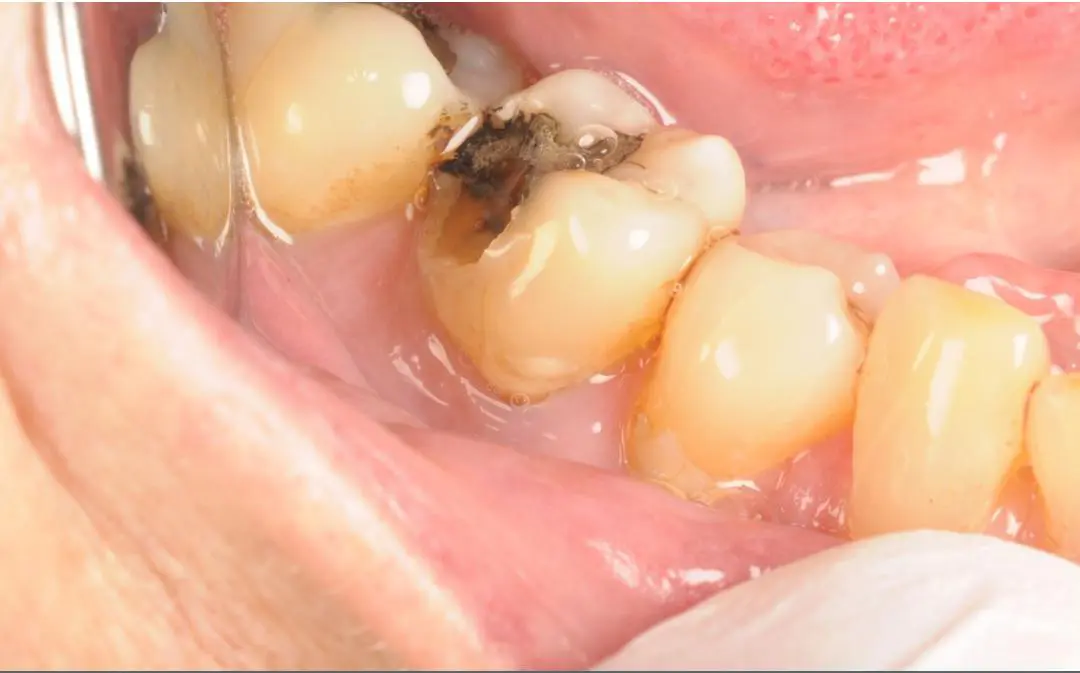
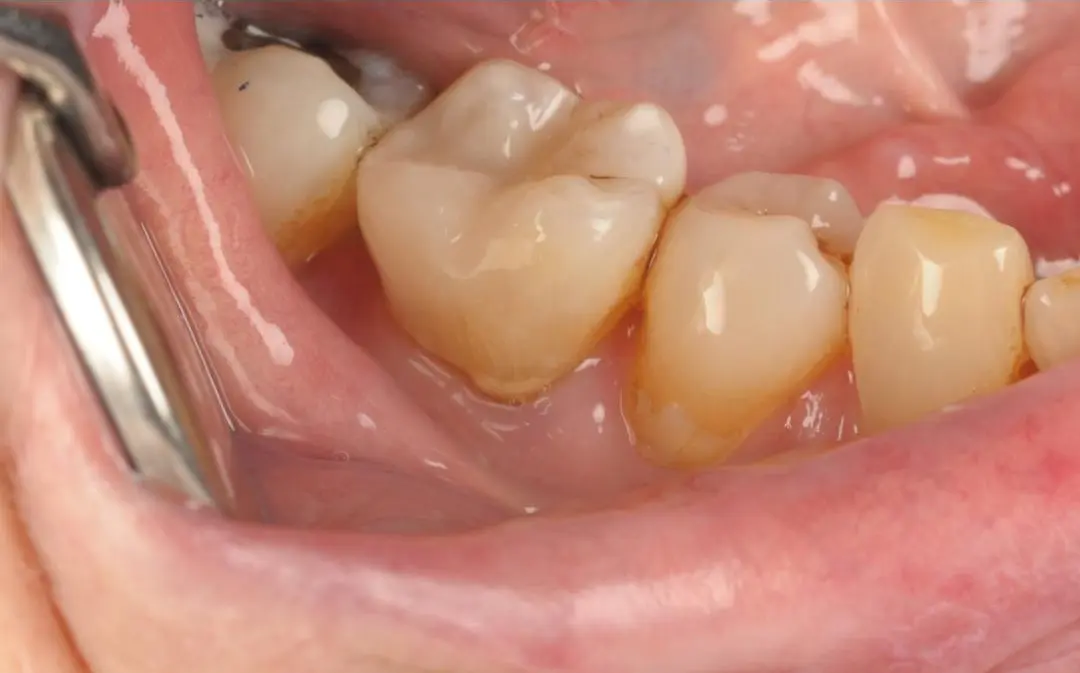
Real Patient Result: Emergency White Filling
Treatment by Dr Kamran
How a Dentist Repairs a Broken Filling
When you attend a dental appointment for a broken filling, your dentist will begin with a thorough clinical assessment. This typically includes a visual examination, dental X-rays to evaluate the tooth root and surrounding bone, and a review of your dental history.
Based on their findings, they may recommend one or more of the following approaches:
Direct filling replacement: If the tooth structure is otherwise sound and the cause of failure is straightforward (such as normal wear), the dentist may simply remove the old filling, clean the area, and place a new restoration using the same or a more appropriate material.
Upgraded filling material: In areas of high biting pressure, switching to a stronger material — such as glass ionomer cement, a high-strength composite, or amalgam — may offer greater longevity.
Dental inlay or onlay: Where a filling alone may not provide sufficient strength, a porcelain or composite inlay or onlay can offer a more durable, custom-fitted restoration that preserves more natural tooth structure than a crown.
Dental crown: If the tooth has experienced significant structural loss, a dental crown may be recommended to cap and protect the remaining tooth. Crowns are particularly suitable when multiple walls of the tooth are affected.
Your dentist will always discuss the clinical rationale behind their recommendation, and treatment will be tailored to your specific needs following examination.
When to Seek Professional Dental Assessment
A broken filling is not always immediately painful, but certain signs suggest that prompt dental evaluation may be beneficial:
- Sensitivity to hot or cold temperatures that lingers after the stimulus is removed
- Sharp pain when biting or chewing on the affected tooth
- A rough or jagged edge felt with your tongue where the filling was
- Visible cracking or discolouration around the filled area
- Swelling or tenderness of the surrounding gum tissue
If you notice any of these signs, contacting a dental practice for assessment is advisable. If you are in pain or discomfort, emergency dental care may be available to help manage your symptoms promptly.
It is worth remembering that leaving a broken filling unaddressed can sometimes allow bacteria to enter the tooth, potentially leading to further decay or sensitivity. Early assessment generally offers more treatment options.
Prevention and Oral Health Advice
While not all filling failures can be prevented, there are several steps you can take to support the longevity of your dental restorations:
- Attend regular dental check-ups: Routine examinations allow your dentist to monitor existing fillings and identify early signs of wear or failure before a more significant problem develops.
- Wear a night guard if you grind your teeth: A custom-fitted mouthguard for bruxism can significantly reduce the mechanical stress placed on your restorations during sleep.
- Maintain a balanced diet: Limiting acidic foods and sugary drinks helps protect both natural tooth enamel and filling materials.
- Practise good oral hygiene: Brushing twice daily with fluoride toothpaste and flossing regularly reduces the risk of decay developing around existing fillings.
- Avoid using teeth as tools: Opening packaging or biting hard objects can place unexpected stress on restorations.
Key Points to Remember
- A repeatedly broken filling may indicate an underlying issue such as new decay, bite imbalance, or insufficient remaining tooth structure.
- Dentists assess the cause before recommending treatment — a replacement filling, inlay, onlay, or crown may each be appropriate depending on the clinical situation.
- Bruxism (teeth grinding) is a common but often overlooked cause of filling failure.
- Attending regular dental check-ups allows problems to be identified early and treated conservatively.
- Treatment outcomes vary between individuals; what works for one patient may not be suitable for another.
- Professional clinical assessment is always required before any treatment decision is made.
Frequently Asked Questions
Is it normal for a filling to break more than once?
While fillings do not last forever, repeated breaking of the same filling may suggest an underlying issue that has not yet been fully resolved. This could include recurrent decay, an unbalanced bite, or structural weakness in the surrounding tooth. If your filling has broken on more than one occasion, it is worth discussing with your dentist whether a more substantial restoration — such as a crown or inlay — may be more appropriate for your situation.
How long should a dental filling last?
The lifespan of a dental filling depends on the material used, the location of the tooth, and individual factors such as oral hygiene habits and biting forces. Amalgam fillings may last 10–15 years or more, while composite resin fillings typically last 5–10 years on average. These are general estimates only; your dentist can provide guidance relevant to your specific restorations during a routine check-up.
Can I eat normally with a broken filling?
If you suspect your filling has broken, it is generally advisable to be cautious with eating until you have seen a dentist. Try to chew on the opposite side of your mouth and avoid very hard, sticky, or extremely hot or cold foods that may aggravate the affected tooth. Contact your dental practice to arrange an appointment as soon as is practical.
Will repairing a broken filling be painful?
Most filling repairs are carried out under local anaesthesia, meaning the area will be numbed before any treatment begins. You should not experience pain during the procedure, though some sensitivity in the days following treatment is common as the tooth settles. If you experience significant or prolonged discomfort after treatment, contact your dentist for further advice.
What happens if I leave a broken filling untreated?
Leaving a broken filling without treatment may allow bacteria to access the inner layers of the tooth, potentially leading to further decay, sensitivity, or in some cases, infection. The tooth may also become more structurally compromised over time, which can limit the treatment options available. It is always advisable to seek a dental assessment when a filling is lost or broken, even if you are not currently in pain.
Can a dentist tell me during one appointment what caused my filling to break?
In many cases, a dentist can identify the most likely cause of filling failure during a clinical examination, supported by X-rays if needed. However, some situations may require a period of monitoring or further investigation. Your dentist will explain their findings and discuss the most appropriate course of action based on the available clinical information.
Conclusion
A filling that keeps breaking can feel discouraging, but it is a problem that your dentist is well-equipped to assess and manage. Whether the cause is recurrent decay, excessive biting pressure, bruxism, or a tooth that requires a more robust restoration, there are several clinical pathways available. The key is to seek professional evaluation rather than delaying, as early assessment often allows for simpler and more conservative treatment.
Maintaining good oral hygiene, attending regular dental check-ups, and discussing concerns such as teeth grinding with your dentist can all help to extend the life of your restorations and protect your long-term dental health.
Dental symptoms and treatment options should always be assessed individually during a clinical examination.
Disclaimer: This article is intended for general educational purposes only and does not constitute personalised dental advice. Individual diagnosis and treatment recommendations require a clinical examination by a qualified dental professional.
Next Review Due: 14 October 2027