
If you have experienced a dental abscess that keeps returning, you are not alone. Many patients in London find themselves searching online after noticing familiar signs of swelling, pain, or a bitter taste in the mouth — sometimes weeks or months after they thought the problem had been resolved. It can feel frustrating, and understandably worrying, when an issue seems to come back despite previous treatment.
A recurrent dental abscess is not simply a case of bad luck. In most situations, there is an underlying cause that has not yet been fully addressed. Understanding how a dentist investigates these recurring infections can help patients feel more informed and confident about seeking professional support.
This article explains what a recurrent dental abscess is, why it may keep returning, and how a dentist uses a range of clinical techniques to locate the source of the infection. If you have been experiencing repeated episodes of dental pain or swelling, reading this may help clarify what to expect during a dental assessment.
Experiencing these symptoms?
Delaying treatment can lead to tooth loss. We have slots available today.
What Is a Recurrent Dental Abscess?
A dental abscess is a localised collection of pus caused by a bacterial infection. It can develop at the tip of a tooth root (periapical abscess) or within the surrounding gum tissue (periodontal abscess). When an abscess is described as recurrent, it means that symptoms return after a period of apparent resolution — sometimes after antibiotics, drainage, or even following earlier dental treatment.
A recurrent dental abscess is not simply an abscess that has returned; it is typically a signal that the underlying source of infection has not been fully eliminated. The bacteria causing the infection may still be present within the tooth's root canal system, in residual infected tissue, or within a persistent gum pocket. Without addressing the root cause, the infection can re-establish itself, leading to repeated episodes of discomfort and swelling.
Understanding the distinction between a new abscess and a recurring one is important, as it guides the approach a dentist will take when investigating and planning treatment. A thorough clinical examination is always required before any conclusions can be drawn.
Meet Dr. Yasha Shirazi
Principal Dentist at Emergency Dentist London
"We treat hundreds of dental emergencies every month. The sooner you come in, the easier the fix usually is."
Book an appointment with our team →Featured Snippet: How Does a Dentist Find the Source of a Recurrent Dental Abscess?
A dentist identifies the source of a recurrent dental abscess through a combination of clinical examination, dental X-rays, and sometimes specialist imaging such as CBCT scans. They assess each tooth and the surrounding gum tissue, testing for tenderness, swelling, and signs of infection to locate the precise origin before recommending appropriate treatment.
The Clinical Examination: Where Investigation Begins
When a patient presents with a recurring dental abscess, the dentist will begin with a thorough clinical examination. This involves visually inspecting the mouth, gums, and surrounding soft tissues for any visible signs of swelling, redness, sinus tracts (small openings in the gum where pus may have drained), or discolouration.
The dentist will also carry out gentle percussion testing — lightly tapping on individual teeth — to identify which tooth or teeth elicit a pain response. This can help narrow down the likely source. Palpation of the gum tissue and jaw bone may reveal areas of tenderness or fluctuance (a soft, fluid-filled swelling), both of which can indicate ongoing or residual infection.
Vitality testing may also be performed. This involves applying a cold stimulus or mild electrical impulse to the tooth to assess whether the nerve tissue inside remains alive. A tooth with a non-vital (dead) pulp is more likely to harbour bacteria within its root canal system, making it a potential source of persistent infection.
The Role of Dental X-Rays in Locating Infection
Dental X-rays are one of the most valuable diagnostic tools a dentist uses when investigating a recurrent dental abscess. Periapical X-rays — which show the full length of the tooth and its surrounding bone — can reveal dark areas at the root tip, known as periapical lesions. These shadows typically indicate bone loss caused by chronic infection and are a key indicator that a particular tooth is the source of the problem.
In some cases, a single periapical X-ray may not provide a complete picture, particularly if the anatomy of the tooth roots is complex. A dentist may request further imaging or refer to a specialist. For more detailed assessment, Cone Beam Computed Tomography (CBCT) scanning provides three-dimensional views of the teeth, roots, and jawbone, helping to identify hidden canals, root fractures, or bony defects that standard X-rays may not clearly show.
The precise interpretation of these images requires clinical expertise, and findings are always considered alongside the patient's symptoms and clinical signs rather than in isolation.
Understanding the Underlying Dental Science
To understand why a dental abscess recurs, it helps to appreciate the internal anatomy of a tooth. Each tooth contains a soft tissue core called the dental pulp, which runs through narrow channels known as root canals. These canals extend from the crown of the tooth down to the tip of each root.
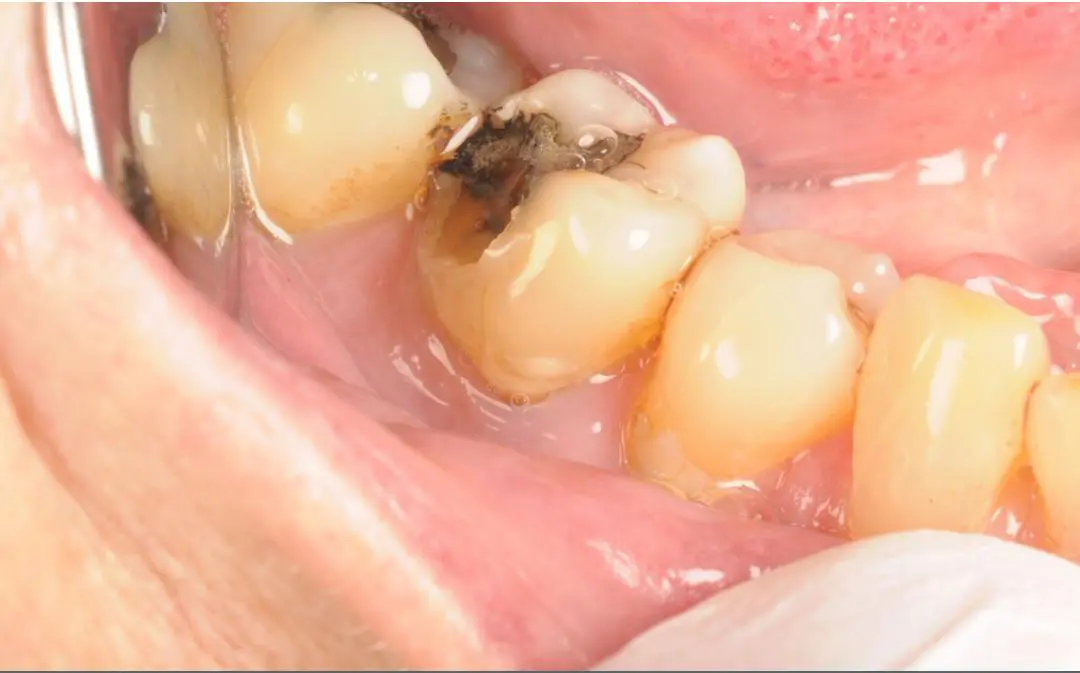
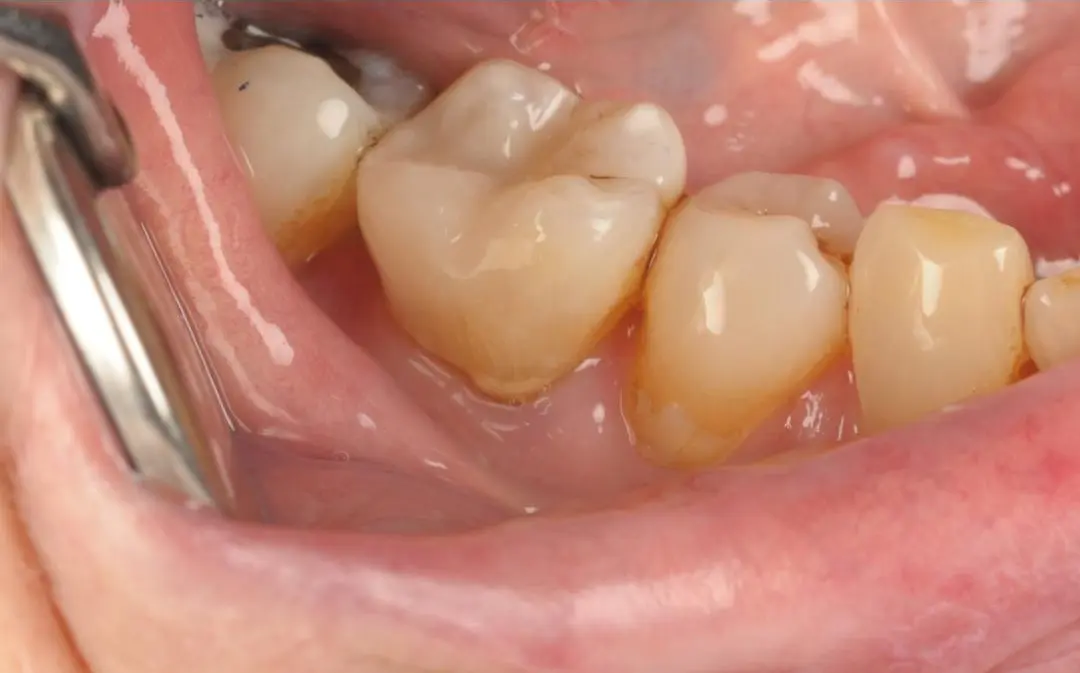
Real Patient Result: Emergency White Filling
Treatment by Dr Kamran
When bacteria enter the pulp — typically through a deep cavity, a cracked tooth, or trauma — they can cause the pulp to become inflamed and eventually die. Once the pulp is non-vital, bacteria can multiply within the root canal system and spread through the root tip into the surrounding bone, forming an abscess. If root canal treatment has previously been performed but some bacteria remain within the canal system or in anatomical complexities (such as fins, branches, or missed canals), the infection may persist and cause recurring symptoms.
Similarly, in cases involving the gum tissue, a deep periodontal pocket can harbour bacteria that are difficult to fully remove without specialist intervention, making recurrence more likely. If you are concerned about persistent tooth pain, exploring emergency dental care options in London may help you access prompt professional assessment.
When Professional Dental Assessment May Be Needed
Certain symptoms suggest that a dental assessment should not be delayed. These include:
- Recurring swelling around the jaw, cheek, or gum, particularly if it appears in the same location as a previous abscess
- Persistent or returning pain around a specific tooth, even if it was previously treated
- A small pimple-like bump on the gum (known as a sinus tract or dental fistula), which may indicate ongoing drainage from a deeper infection
- A bitter or unpleasant taste in the mouth, which can result from pus draining from an abscess
- Sensitivity to temperature or biting pressure that does not resolve as expected
It is important to seek a professional evaluation if any of these symptoms are present. Early assessment allows a dentist to investigate the cause thoroughly and discuss appropriate options before the situation becomes more complex. Dental symptoms and treatment options should always be assessed individually during a clinical examination.
Specialist Referral and Advanced Investigation
In some cases, a general dentist may refer a patient to a specialist in endodontics (root canal treatment) or periodontology (gum disease) for further investigation. An endodontist has advanced training and equipment — including dental operating microscopes — that allow for detailed examination of the root canal system. This is particularly valuable when a previous root canal treatment may require revision or when unusual root anatomy is suspected.
Microbiological testing of the infection is less commonly used in routine dentistry but may occasionally be considered in complex or persistent cases. Understanding root canal treatment can help patients feel more prepared if a specialist referral is recommended following clinical assessment.
Prevention and Oral Health Advice
While some causes of dental abscesses are not always preventable, maintaining good oral health habits can help reduce the risk of developing or experiencing recurring infections.
- Attend regular dental check-ups — routine examinations allow dentists to identify early signs of decay, gum disease, or failing restorations before they develop into more significant problems
- Maintain consistent oral hygiene — brushing twice daily with fluoride toothpaste and cleaning between teeth daily with floss or interdental brushes helps reduce bacterial accumulation
- Avoid delaying treatment — a small cavity or early-stage gum problem is far more straightforward to address than an established infection
- Follow post-treatment care guidance — if you have received treatment for an abscess or root canal, adhering to aftercare advice supports recovery and reduces the likelihood of recurrence
- Consider a mouthguard if you grind your teeth, as bruxism can crack teeth and compromise their structural integrity over time
Learning more about dental hygiene services may also be worthwhile for patients who wish to improve their gum health as part of their preventative routine.
Key Points to Remember
- A recurrent dental abscess usually indicates that the underlying source of infection has not been fully resolved
- Dentists use a combination of clinical examination, percussion testing, vitality tests, and dental X-rays to locate the infection source
- Advanced imaging such as CBCT scanning may be used in complex cases
- Specialist referral to an endodontist or periodontist is sometimes appropriate for persistent or recurrent infections
- Regular dental attendance and consistent oral hygiene habits are among the most practical ways to support long-term dental health
- Any recurring symptoms of dental infection should be assessed professionally at the earliest opportunity
Frequently Asked Questions
Why does my dental abscess keep coming back after antibiotics?
Antibiotics can help manage the symptoms of a dental abscess by reducing the bacterial load and associated inflammation, but they do not address the structural source of the infection. If the underlying cause — such as a non-vital tooth, a persistent root canal infection, or a deep gum pocket — is not treated, bacteria can re-establish themselves once the antibiotic course ends. A dentist will need to investigate and treat the origin of the infection for resolution to be sustained.
Can a tooth that has already had root canal treatment cause a recurrent abscess?
Yes, it is possible. Root canal treatment involves removing infected pulp tissue and disinfecting the canal system, but in some cases, bacteria may remain in complex canal anatomy, missed canals, or around the root tip. Over time, this can lead to recurring infection. A specialist review or revision of the root canal treatment may be recommended depending on the clinical findings.
What is a dental sinus tract, and does it mean the abscess is draining?
A sinus tract (sometimes called a dental fistula) is a small channel that forms in the gum tissue, allowing pus from a deeper infection to drain towards the surface. It may appear as a small raised bump or pimple on the gum. While it can temporarily relieve pressure, it does not resolve the underlying infection. A sinus tract is a clinical sign that a persistent dental infection is present and should be investigated by a dentist.
Is a recurrent dental abscess serious?
A recurrent dental abscess should always be taken seriously and assessed by a dental professional. While many cases can be managed effectively with appropriate treatment, an untreated or inadequately treated dental infection can spread to surrounding tissues and structures in some circumstances. Seeking early professional evaluation is always advisable when symptoms recur.
How long does it take to find the source of a recurrent abscess?
The time required to identify the source of a recurrent abscess varies depending on the complexity of the case. In straightforward situations, a clinical examination and X-rays during a single appointment may be sufficient to identify the cause. In more complex cases, additional imaging, specialist referral, or further diagnostic tests may extend this process. Your dentist will advise on the most appropriate course of investigation based on your individual circumstances.
Conclusion
A recurrent dental abscess can be both uncomfortable and confusing, particularly when it returns after previous treatment. As this article has explained, the key to resolving recurring dental infections lies in accurately identifying their source — a process that involves careful clinical examination, diagnostic imaging, and sometimes specialist assessment.
Dentists have a range of tools and techniques available to investigate recurring abscesses thoroughly, and in many cases, the underlying cause can be identified and addressed effectively. Maintaining regular dental check-ups, practising consistent oral hygiene, and seeking professional advice promptly when symptoms return all contribute to better long-term dental health outcomes.
If you are experiencing recurring dental pain, swelling, or other signs of infection, we encourage you to seek a professional assessment at the earliest opportunity. A dentist will be able to evaluate your individual situation and discuss the most appropriate options for your care.
Dental symptoms and treatment options should always be assessed individually during a clinical examination.
Disclaimer: This article is intended for general educational purposes only and does not constitute personalised dental advice. Individual diagnosis and treatment recommendations require a clinical examination by a qualified dental professional.
Next Review Due: 28 October 2027