
Sudden tooth pain can be an unsettling and disorienting experience. It may appear without warning — perhaps waking you in the middle of the night, striking during a meal, or coming on gradually before intensifying without an obvious cause. It is entirely understandable that many people in London turn to the internet first, hoping to identify what might be wrong before deciding whether to seek professional help.
However, sudden tooth pain can arise from a wide variety of dental conditions, and understanding why it occurs is not always straightforward. The cause of acute dental pain can range from something relatively minor, such as a small crack in the enamel, to a more significant issue such as a dental abscess or nerve involvement. That is why a proper clinical assessment by a qualified dental professional is so important.
This article explains how emergency dentists diagnose sudden tooth pain, what diagnostic tools and techniques may be used, and what conditions are commonly associated with acute dental discomfort — helping you feel more informed before or after seeking care.
Experiencing these symptoms?
Delaying treatment can lead to tooth loss. We have slots available today.
Featured Snippet: How Do Emergency Dentists Diagnose Sudden Tooth Pain?
Emergency dentists diagnose sudden tooth pain through a structured clinical assessment that may include a detailed patient history, visual examination, dental X-rays, and sensitivity tests. This combination of diagnostic steps helps identify whether the pain relates to infection, structural damage, gum disease, or nerve involvement, guiding appropriate treatment options.
The Initial Consultation: Taking Your Dental History
The diagnostic process begins before any instruments are used. When you attend an emergency dental appointment, the dentist will start by asking you a series of questions designed to build a clinical picture of your symptoms.
You may be asked:
Meet Dr. Yasha Shirazi
Principal Dentist at Emergency Dentist London
"We treat hundreds of dental emergencies every month. The sooner you come in, the easier the fix usually is."
Book an appointment with our team →- When did the pain begin? Was it sudden or did it develop gradually?
- How would you describe the pain? Is it sharp, throbbing, constant, or intermittent?
- What makes it worse or better? Does cold, heat, biting, or pressure trigger or intensify it?
- Have you experienced any swelling, fever, or difficulty swallowing?
- Is there any recent dental history? Have you had a recent procedure, trauma to the mouth, or a loose filling?
This patient history is a critical first step. The character, duration, and location of pain can help direct the dentist towards specific possible diagnoses before the physical examination even begins. For example, pain that lingers after cold stimulus can indicate pulp involvement, whilst sharp pain on biting may suggest a cracked tooth or a damaged restoration.
Clinical Visual Examination
Once the history has been gathered, the dentist will conduct a thorough visual and physical examination of your mouth. This may involve:
- Inspection of the affected tooth and surrounding teeth for visible signs of decay, cracks, fractured restorations, or discolouration
- Examination of the gums and soft tissues for signs of swelling, redness, or the presence of a dental abscess
- Percussion testing, where the dentist gently taps on individual teeth to identify which tooth or area is producing pain
- Palpation of the surrounding gum tissue and jaw to detect tenderness or abnormal swelling
Visual examination alone is rarely sufficient to reach a definitive diagnosis, particularly when the cause of pain is below the gum line or within the internal structure of the tooth. However, it provides essential clinical information and helps determine which further diagnostic steps may be necessary.
Dental X-Rays: Looking Beneath the Surface
Dental radiographs (X-rays) are one of the most important diagnostic tools available to an emergency dentist. They allow the dentist to view structures that cannot be seen with the naked eye, including:
- The roots of teeth and surrounding bone
- Signs of bone loss associated with gum disease or abscess formation
- Internal decay that has not yet reached the tooth surface
- Fractures or cracks within the root structure
- Changes in the periapical region (the tissue at the root tip) that may indicate infection
A periapical X-ray focuses on a single tooth and its root, whilst a panoramic X-ray provides a broader overview of the entire dental arch and jaw. The type of radiograph used will depend on the clinical situation and the nature of your symptoms.
If you are concerned about dental infections or abscesses, understanding the signs and symptoms of a dental abscess can help you identify when urgent care may be appropriate.
Sensitivity and Pulp Vitality Tests
To assess the health of the dental pulp — the soft tissue inside the tooth containing nerves and blood vessels — an emergency dentist may carry out a series of sensitivity or vitality tests:
- Cold testing: A cold stimulus (such as a small piece of ice or a cooling spray) is applied to the tooth. A normal response is brief sensitivity that quickly resolves. A prolonged or severe response may indicate pulpitis (inflammation of the pulp), whilst no response at all may suggest the pulp is no longer vital.
- Heat testing: Occasionally used when heat-related pain is a prominent symptom.
- Electric pulp testing (EPT): A small electrical device is used to assess whether the nerve within the tooth is still responsive.
These tests are conducted carefully and are designed to give the dentist objective information about the internal state of the tooth. Findings from vitality testing, combined with X-ray evidence, help determine whether the tooth may require treatments such as root canal therapy or other intervention.
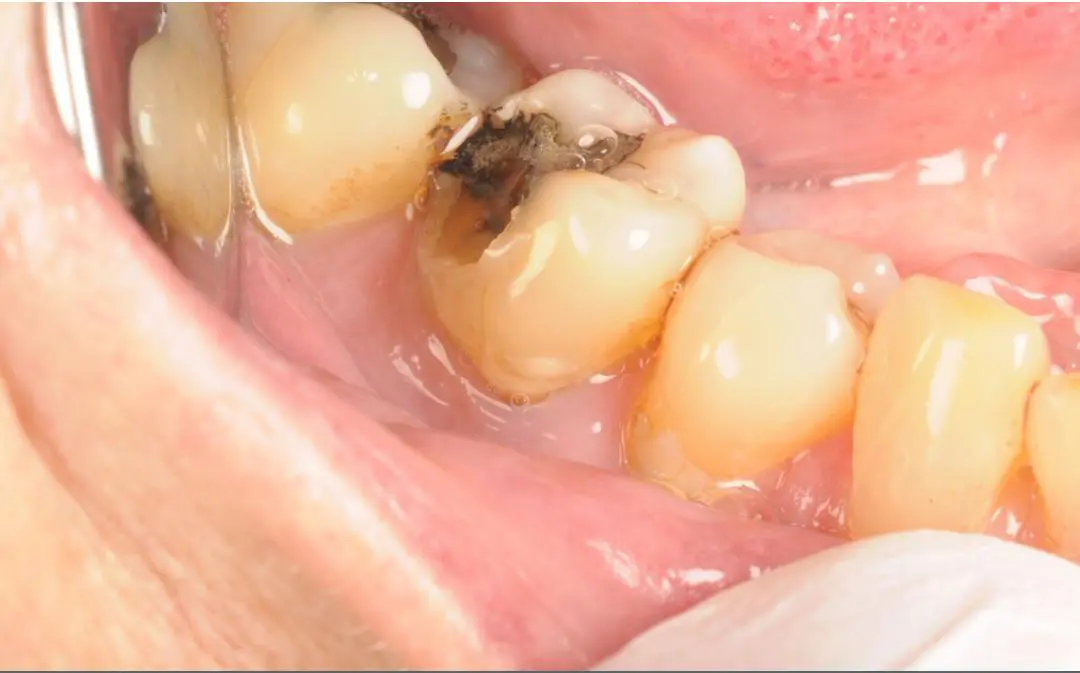
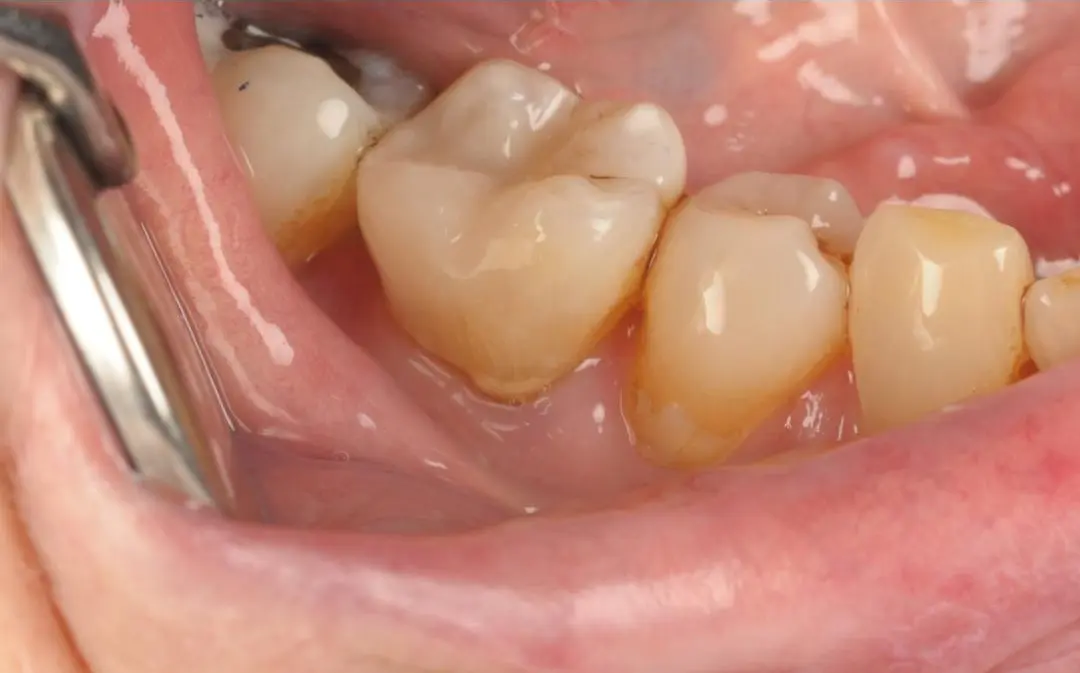
Real Patient Result: Emergency White Filling
Treatment by Dr Kamran
Understanding the Dental Science: What Is Happening Inside the Tooth?
To understand why sudden tooth pain can be so intense, it helps to consider basic tooth anatomy. Each tooth is made up of several layers:
- Enamel: The outermost, hardest layer protecting the tooth crown
- Dentine: A porous layer beneath the enamel containing tiny tubules that connect to the nerve
- Pulp: The innermost layer containing the blood supply and nerve tissue
When enamel is compromised — through decay, cracks, erosion, or trauma — the dentinal tubules become exposed. This allows temperature changes, pressure, or bacterial toxins to stimulate the nerve, resulting in pain. If infection reaches the pulp, it can cause significant inflammation and intense, persistent pain. In more advanced cases, infection may spread beyond the root tip into the surrounding bone, forming a periapical abscess.
This is why sudden tooth pain should not be dismissed or managed with painkillers alone on a long-term basis — the underlying cause requires professional assessment and appropriate clinical management.
Common Causes of Sudden Tooth Pain
Based on the diagnostic findings, an emergency dentist may identify several possible causes of acute dental pain, including:
- Dental decay (caries) — advanced cavities can expose dentine and eventually the pulp
- Cracked or fractured teeth — often caused by biting hard food, trauma, or grinding (bruxism)
- Dental abscess — a bacterial infection forming at the root tip or within the gum
- Pulpitis — inflammation of the dental pulp, which may be reversible or irreversible
- Gum disease (periodontitis) — severe gum disease can expose root surfaces and cause acute pain episodes
- Lost or damaged fillings or crowns — leaving dentine exposed and vulnerable
- Tooth grinding (bruxism) — causing wear, cracking, or sensitivity over time
Each of these conditions has distinct clinical features that can be identified through the diagnostic steps described above. Treatment recommendations will vary depending on the specific diagnosis reached during examination.
For adults concerned about the impact of grinding on their teeth, learning more about teeth grinding and its dental consequences may provide useful context.
When to Seek Professional Dental Assessment
Whilst some mild, transient dental sensitivity may resolve on its own, there are situations where seeking a professional dental assessment is advisable:
- Pain that persists for more than a day or two without improvement
- Throbbing, constant pain that disrupts sleep or daily activities
- Visible swelling of the face, gum, or jaw area
- Fever or a general feeling of being unwell alongside dental pain
- Sensitivity to biting or chewing that does not improve
- A broken, cracked, or knocked-out tooth
- Pain following a recent dental procedure that is worsening rather than improving
These are signs that prompt dental evaluation may be beneficial. It is worth noting that dental infections, if left unaddressed, can occasionally develop into more complex health concerns — which is why early professional assessment is encouraged.
If you experience any of the above, contacting an emergency dentist in London promptly is a sensible first step.
Prevention and Maintaining Good Oral Health
Whilst not all cases of sudden tooth pain can be predicted or prevented, maintaining consistent oral health habits can reduce the likelihood of acute dental problems:
- Brush twice daily with a fluoride toothpaste, using a soft-bristled toothbrush
- Floss or use interdental brushes daily to remove plaque from between teeth where brushing cannot reach
- Attend regular dental check-ups — routine examinations allow early identification of decay, cracks, or gum disease before they become symptomatic
- Wear a night guard if you are aware of grinding or clenching your teeth during sleep
- Limit acidic and sugary foods and drinks, which can accelerate enamel erosion and decay
- Stay hydrated and consider whether dry mouth may be contributing to dental sensitivity
- Do not delay treatment — small cavities and minor cracks are far easier to manage when identified early
Prevention and early intervention remain the most effective approaches to avoiding acute dental emergencies.
Key Points to Remember
- Sudden tooth pain can have multiple causes, ranging from cracked enamel to dental abscess or pulp inflammation
- Emergency dentists use a structured diagnostic process including patient history, visual examination, X-rays, and sensitivity tests
- Dental X-rays are essential for identifying issues beneath the surface, such as infection, bone changes, or root damage
- Pulp vitality tests help assess whether the nerve tissue inside the tooth is healthy or compromised
- Persistent, severe, or worsening tooth pain warrants prompt professional assessment
- Routine dental check-ups and consistent oral hygiene habits are the most effective form of prevention
Frequently Asked Questions
Can an emergency dentist always identify the cause of tooth pain in one appointment?
In most cases, an emergency dentist can identify a likely cause during the initial appointment using clinical examination and X-rays. However, some presentations — particularly those involving complex root anatomy or early-stage conditions — may require additional diagnostic imaging or a follow-up assessment. The dentist will explain their findings and outline next steps clearly, ensuring you understand the clinical situation and your options before any treatment decisions are made.
Is it safe to take over-the-counter painkillers whilst waiting for a dental appointment?
Over-the-counter analgesics such as ibuprofen or paracetamol may help manage discomfort temporarily whilst awaiting an appointment, provided they are taken according to the manufacturer's guidance and are appropriate for your general health. However, pain relief should not be used as a long-term substitute for professional dental assessment. The underlying cause of the pain needs to be properly diagnosed and treated to prevent the condition from progressing further.
How long does an emergency dental assessment typically take?
An emergency dental appointment will often last between 30 and 60 minutes, depending on the complexity of the presenting symptoms. This allows adequate time for clinical history-taking, examination, radiographs where indicated, and an initial discussion of findings and potential treatment options. Some treatments may be carried out at the same appointment, whilst others may require a planned follow-up visit.
What if my tooth pain disappears before my appointment?
If your tooth pain subsides before your appointment, it is still advisable to attend. Pain that resolves spontaneously does not necessarily mean the underlying condition has resolved — in some cases, it can indicate that the dental pulp has become non-vital, which is a reason for clinical investigation rather than reassurance. Your dentist can assess whether any active dental condition requires attention.
Can tooth pain be caused by something other than the tooth itself?
Yes. In some cases, what feels like tooth pain may originate from surrounding structures. Sinus congestion or sinusitis can cause pressure and pain that mimics upper molar toothache. Temporomandibular joint (TMJ) issues, gum disease, or even referred pain from adjacent teeth can also present as apparent tooth pain. This is one reason why a thorough clinical examination, rather than self-diagnosis, is so important in determining the actual source of discomfort.
What happens if a dental abscess is diagnosed during an emergency appointment?
If a dental abscess is identified, the emergency dentist will discuss treatment options appropriate to the clinical findings. This may include drainage of the abscess, prescription of antibiotics where clinically indicated, root canal treatment, or in some cases tooth extraction. Treatment suitability will depend on the severity and location of the infection, as well as the overall condition of the affected tooth and surrounding structures. All options will be explained to you before any treatment proceeds.
Conclusion
Sudden tooth pain is one of the most common reasons people seek emergency dental care in London, and it is a symptom that always merits proper professional attention. Emergency dentists use a systematic and evidence-informed approach to diagnosis — combining detailed patient history, clinical examination, dental radiographs, and sensitivity testing — to identify the underlying cause as accurately as possible.
Understanding this diagnostic process can help reduce anxiety and ensure patients feel informed when attending an emergency appointment. Early assessment is always preferable to waiting, as many dental conditions are more straightforward to manage when identified at an earlier stage.
Dental symptoms and treatment options should always be assessed individually during a clinical examination.
If you are experiencing sudden or persistent tooth pain, we encourage you to seek professional dental advice promptly rather than relying solely on self-management or online information.
Disclaimer: This article is intended for general educational purposes only and does not constitute personalised dental advice. Individual diagnosis and treatment recommendations require a clinical examination by a qualified dental professional.
Next Review Due: 09 November 2027