
Many patients in London wonder whether fluoride treatments are only beneficial for children or if adults can also gain protective advantages from professional fluoride applications. This common question reflects a broader curiosity about preventive dental care and how different age groups can maintain optimal oral health throughout their lives.
People often search online for information about fluoride treatments when considering preventive options for themselves or family members. Understanding the role of fluoride in dental health helps patients make informed decisions about incorporating professional treatments into their oral care routine alongside regular brushing and flossing.
This article will explore how fluoride treatments support preventive oral health across different age groups, examining the science behind fluoride's protective properties, treatment procedures, and the circumstances where professional fluoride applications may be particularly beneficial. We'll also discuss how these treatments complement daily oral hygiene practices and when dental professionals might recommend them as part of a comprehensive preventive care plan.
Experiencing these symptoms?
Delaying treatment can lead to tooth loss. We have slots available today.
What are fluoride treatments and how do they benefit oral health?
Fluoride treatments are professional preventive dental procedures where concentrated fluoride solutions are applied directly to teeth to strengthen enamel and reduce the risk of tooth decay. These treatments help remineralise weakened tooth surfaces and create a protective barrier against acid attacks from bacteria in the mouth.
Understanding Fluoride's Role in Dental Health
Fluoride works by enhancing the natural remineralisation process that occurs in tooth enamel. When bacteria in the mouth produce acids from sugars and starches, these acids can weaken the mineral structure of teeth, creating microscopic areas of demineralisation that may eventually develop into cavities.
Professional fluoride treatments provide a concentrated dose of fluoride minerals that penetrate into the tooth surface, helping to reverse early stages of enamel weakening. This process strengthens the tooth structure and makes it more resistant to future acid attacks. The fluoride also has antibacterial properties that can help reduce harmful bacteria levels in the mouth.
Meet Dr. Yasha Shirazi
Principal Dentist at Emergency Dentist London
"We treat hundreds of dental emergencies every month. The sooner you come in, the easier the fix usually is."
Book an appointment with our team →Unlike the fluoride found in toothpaste or drinking water, professional treatments use higher concentrations that are applied under clinical supervision. This allows for more effective penetration into the tooth surface whilst ensuring safe and appropriate application techniques.
Types of Professional Fluoride Treatments
Dental practices typically offer several forms of fluoride treatments, each designed for different patient needs and preferences. Fluoride varnish represents one of the most commonly used applications, particularly for children and patients with higher decay risk. This sticky coating adheres to tooth surfaces and releases fluoride gradually over several hours.
Fluoride gel treatments involve placing a fluoride solution in custom trays that fit over the teeth for a specified duration. This method allows for comprehensive coverage of all tooth surfaces and is often used for patients requiring intensive remineralisation support.
Fluoride foam applications provide another option, offering similar benefits to gel treatments but with a lighter consistency that some patients find more comfortable. The choice between different fluoride treatment types depends on individual patient factors, age considerations, and specific oral health needs that are assessed during dental consultations.
Benefits Across Different Age Groups
Children and adolescents often receive particular benefit from fluoride treatments during periods of rapid tooth development and when establishing oral hygiene routines. The developing enamel structure responds well to fluoride strengthening, and professional treatments can provide additional protection during years when dietary habits and brushing techniques may be inconsistent.
Adults can also gain significant advantages from fluoride treatments, particularly those with increased decay risk factors such as dry mouth conditions, frequent snacking habits, or medical conditions that affect oral health. Professional fluoride applications can help strengthen areas where enamel has become weakened over time and provide enhanced protection for patients undergoing orthodontic treatment or those with exposed root surfaces.
Older adults may find fluoride treatments particularly valuable as natural saliva production decreases with age and certain medications can affect oral health. The additional mineralisation support helps maintain tooth strength and can be especially beneficial for patients managing multiple health conditions that impact their oral care routine.
The Science Behind Fluoride Remineralisation
The remineralisation process occurs at a microscopic level within tooth enamel, where fluoride ions interact with existing minerals to form fluorapatite crystals. These crystals are more resistant to acid dissolution than the original hydroxyapatite structure of natural tooth enamel, creating enhanced protection against decay-causing bacteria.
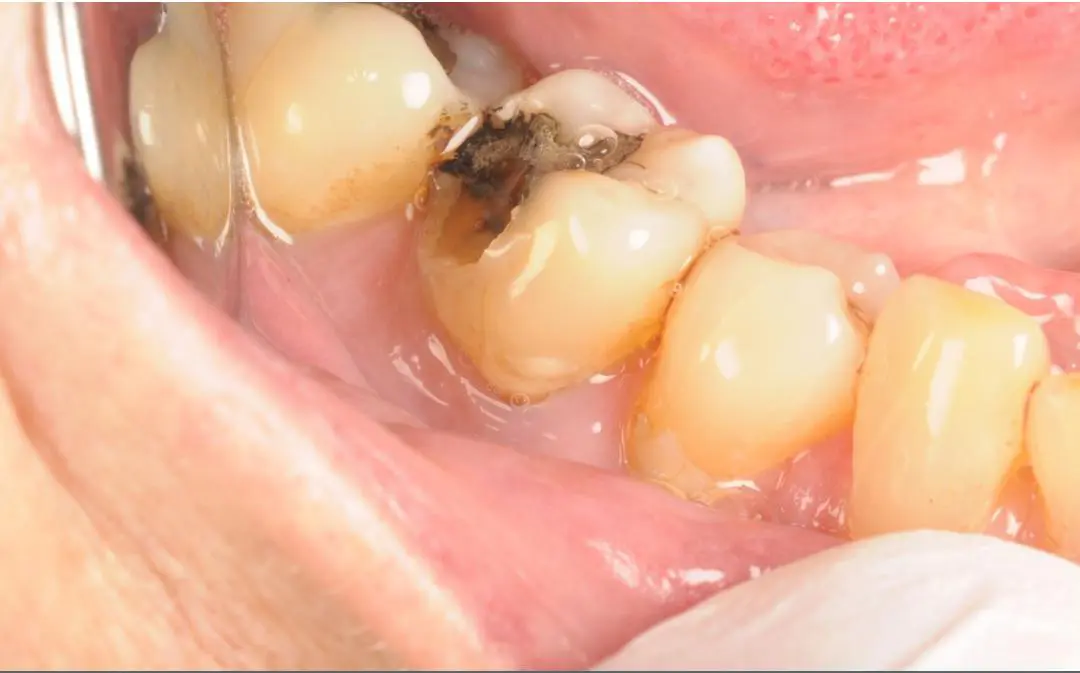
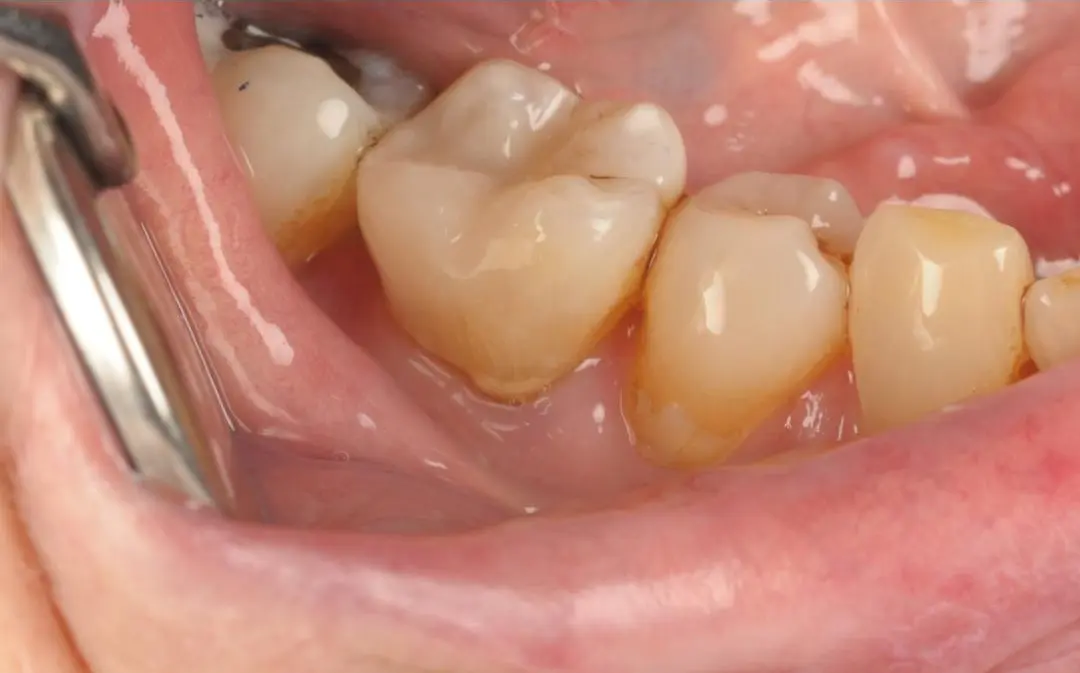
Real Patient Result: Emergency White Filling
Treatment by Dr Kamran
When fluoride is present during the remineralisation process, it incorporates into the reformed mineral structure, creating a stronger and more acid-resistant tooth surface. This enhanced enamel structure can become more resistant to decay than the original tooth material in some cases, potentially providing longer-lasting protective benefits.
The effectiveness of this process depends on several factors, including the concentration of fluoride applied, the duration of contact with tooth surfaces, and the individual's overall oral health status. Professional application techniques ensure optimal conditions for fluoride uptake whilst minimising any potential for excess exposure.
When Professional Fluoride Treatments May Be Recommended
Dental professionals may suggest fluoride treatments for patients showing early signs of enamel demineralisation, such as white spot lesions or areas of increased sensitivity. These treatments can be particularly valuable for individuals with a history of frequent cavities or those experiencing changes in their oral health status.
Patients undergoing orthodontic treatment often benefit from additional fluoride protection, as brackets and wires can create areas that are more difficult to clean thoroughly. Similarly, individuals taking medications that reduce saliva production may require enhanced mineralisation support to maintain optimal oral health.
Those with dietary habits that increase acid exposure, such as frequent consumption of citrus fruits or carbonated beverages, might also be candidates for professional fluoride treatments. The additional protection can help counteract the effects of dietary acids on tooth enamel.
Preventive Oral Health Strategies
Professional fluoride treatments work most effectively when combined with comprehensive daily oral hygiene practices. Regular brushing with fluoride toothpaste, flossing, and maintaining consistent dental check-ups create a foundation for optimal oral health that professional treatments can enhance.
Dietary considerations also play an important role in preventive care. Limiting sugary snacks and acidic beverages, particularly between meals, helps reduce the frequency of acid attacks on tooth enamel. Drinking water throughout the day helps maintain natural cleansing action and supports the remineralisation process.
Patients can support the effectiveness of professional fluoride treatments by avoiding eating or drinking for at least 30 minutes after application, allowing maximum fluoride uptake into tooth surfaces. Regular preventive dental care appointments enable dental professionals to monitor oral health changes and adjust treatment recommendations accordingly.
Key Points to Remember
• Professional fluoride treatments benefit patients of all ages by strengthening tooth enamel and preventing decay
• The remineralisation process may create stronger, more acid-resistant tooth surfaces than the original enamel structure
• Treatment types include varnishes, gels, and foams, each suited to different patient needs and preferences
• Adults and children can both gain protective advantages, particularly those with increased decay risk factors
• Treatments work most effectively when combined with consistent daily oral hygiene practices
• Professional assessment determines the most appropriate fluoride treatment approach for individual patients
Frequently Asked Questions
How often should fluoride treatments be applied professionally?
The frequency of professional fluoride treatments varies based on individual risk factors and oral health status. Many patients benefit from treatments every 3-6 months, though those with higher decay risk may require more frequent applications. Your dental professional will recommend an appropriate schedule based on clinical assessment of your specific needs and oral health history.
Are professional fluoride treatments safe for young children?
Professional fluoride treatments are considered safe and effective for children when applied by qualified dental professionals using age-appropriate concentrations and techniques. The fluoride varnish commonly used for children adheres well to teeth and minimises the risk of ingestion. Dental professionals carefully control application amounts and monitor children throughout the procedure.
Can adults with dental restorations benefit from fluoride treatments?
Adults with fillings, crowns, or other dental restorations can still benefit from fluoride treatments, as these applications primarily protect natural tooth structure. Fluoride helps strengthen the areas where restorations meet natural teeth and can provide additional protection for remaining natural tooth surfaces. The treatment may be particularly beneficial for preventing decay around existing dental work.
What should patients expect during a professional fluoride treatment?
Professional fluoride treatments are typically quick and comfortable procedures that take just a few minutes to complete. The fluoride material is painted or applied directly to clean, dry teeth using brushes or trays. Patients may notice a mild taste from the fluoride material, and they're usually advised to avoid eating or drinking for 30 minutes after application to maximise effectiveness.
Do professional fluoride treatments replace the need for fluoride toothpaste?
Professional fluoride treatments complement rather than replace daily fluoride toothpaste use. Regular brushing with fluoride toothpaste provides ongoing protection, whilst professional treatments deliver higher concentrations for enhanced strengthening effects. The combination of daily fluoride toothpaste use and periodic professional treatments offers comprehensive preventive protection against tooth decay.
How long do the protective effects of fluoride treatments last?
The protective benefits of professional fluoride treatments can last several months, though the duration varies based on individual factors such as oral hygiene habits, diet, and saliva production. The fluoride continues to provide some protective benefit as it gradually releases from tooth surfaces over time. Regular reapplication maintains consistent protection and supports ongoing oral health maintenance.
Conclusion
Professional fluoride treatments offer valuable preventive benefits for patients across all age groups, supporting oral health through enhanced enamel strengthening and decay prevention. Understanding how these treatments work and their role in comprehensive oral care helps patients make informed decisions about incorporating professional fluoride applications into their dental health routine.
The science behind fluoride remineralisation demonstrates how professional treatments can create stronger, more resistant tooth surfaces that provide lasting protection against decay-causing bacteria and dietary acids. When combined with consistent daily oral hygiene practices and regular dental care, fluoride treatments contribute to a proactive approach to maintaining optimal oral health throughout life.
For those considering fluoride treatments or experiencing concerns about tooth decay prevention, professional dental guidance can help determine the most appropriate treatment approach. Dental symptoms and treatment options should always be assessed individually during a clinical examination.
Disclaimer: This article is provided for general educational purposes only and does not constitute professional dental advice, diagnosis, or treatment. Individual oral health needs vary and all dental concerns should be assessed by a qualified dental professional. Treatment outcomes cannot be guaranteed and this content should not delay seeking appropriate care.