
Severe dental pain is one of the most distressing symptoms a person can experience. Whether it arrives suddenly in the middle of the night or intensifies over a weekend, the urge to find answers and fast relief is completely understandable. Many adults across London turn to the internet when dental discomfort becomes difficult to manage, searching for guidance on what their symptoms might mean and where to turn for help.
Knowing how to access fast triage for severe dental pain — including around-the-clock online booking — can make a meaningful difference in how quickly appropriate care is received. Early professional assessment is often key to preventing a dental problem from becoming more complex.
This article explains the most common causes of severe dental pain, what the triage process involves, how 24/7 online booking works in an emergency dental setting, and what patients in London can reasonably expect when they seek urgent dental care. It also covers useful preventative advice to help reduce the risk of acute dental episodes occurring in the first place.
Experiencing these symptoms?
Delaying treatment can lead to tooth loss. We have slots available today.
Featured Snippet: What Is Fast Triage for Severe Dental Pain?
Fast triage for severe dental pain is a process by which dental professionals quickly assess the urgency and likely cause of a patient's symptoms — either remotely via an online booking system or in person upon arrival. It enables timely access to emergency dental care and helps prioritise patients who may have an infection, nerve involvement, or acute trauma requiring prompt clinical attention.
Common Causes of Severe Dental Pain
Severe dental pain can arise from several underlying conditions, and while it is not possible to diagnose a cause without a clinical examination, understanding common triggers may help patients describe their symptoms more clearly when seeking help.
Dental abscess — A bacterial infection that develops within or around a tooth can cause intense, throbbing pain. Swelling of the gum or face may also be present. This type of pain often worsens without treatment and warrants prompt professional assessment.
Meet Dr. Yasha Shirazi
Principal Dentist at Emergency Dentist London
"We treat hundreds of dental emergencies every month. The sooner you come in, the easier the fix usually is."
Book an appointment with our team →Irreversible pulpitis — When the soft inner tissue of a tooth (the pulp) becomes severely inflamed — often as a result of deep decay — the pain may be persistent, spontaneous, and difficult to relieve with over-the-counter pain relief.
Cracked or fractured tooth — A crack in a tooth can expose sensitive dentinal tubules or even the pulp, causing sharp pain, particularly when biting or releasing pressure.
Pericoronitis — This refers to inflammation of the gum tissue surrounding a partially erupted tooth, commonly a lower wisdom tooth. It can cause significant localised pain and difficulty opening the mouth.
Lost or damaged restoration — A broken filling or crown can leave vulnerable tooth structure exposed, leading to acute sensitivity and discomfort.
Each of these conditions responds differently to treatment, which is why a clinical assessment is always necessary before any intervention is recommended.
Understanding the Dental Science Behind Severe Pain
To appreciate why dental pain can feel so acute, it helps to understand a little about tooth anatomy.
Each tooth contains a central chamber called the pulp, which houses nerves and blood vessels. This tissue is surrounded by dentine — a porous layer of calcified tissue containing microscopic tubules — and protected on the outer surface by enamel above the gumline and cementum below it.
When bacteria penetrate through enamel (commonly via decay or a crack), they can reach the dentine and eventually the pulp. The nerve endings within the pulp respond to this bacterial invasion with inflammation. Because the pulp is enclosed within a rigid tooth structure, there is limited space for swelling, which is why pulp inflammation is often experienced as severe, throbbing pain.
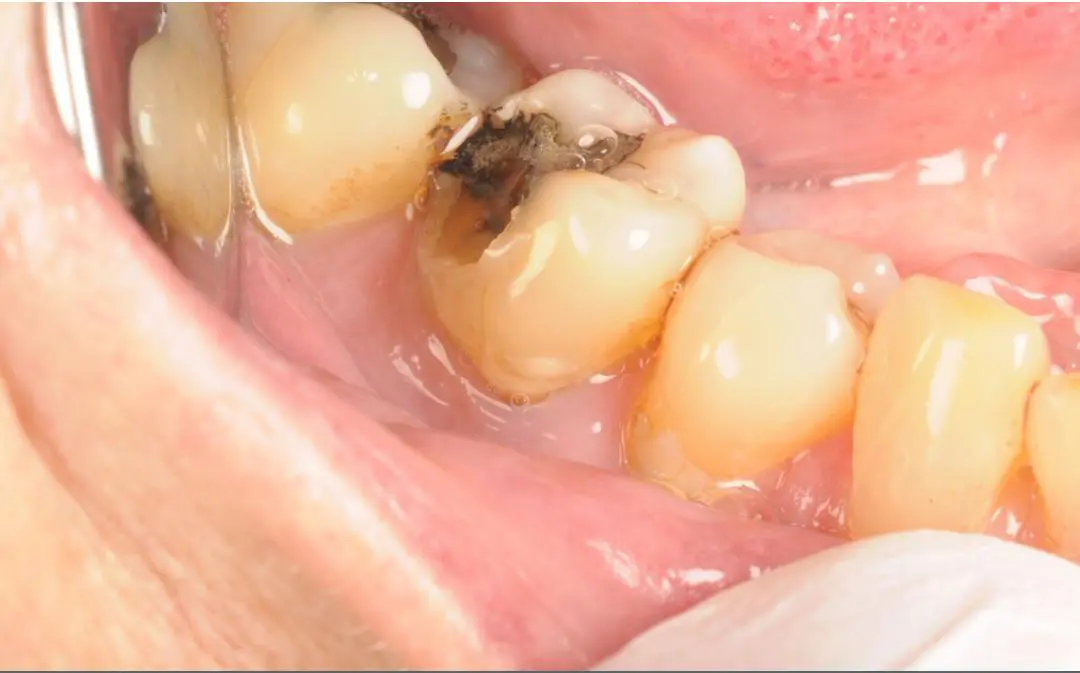
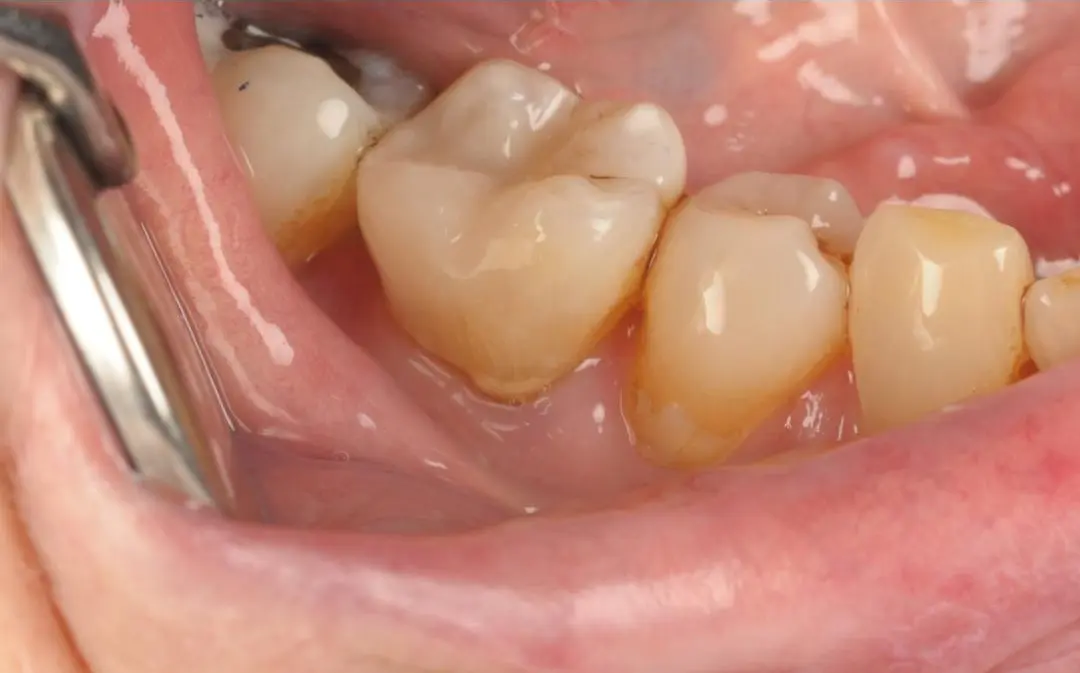
Real Patient Result: Emergency White Filling
Treatment by Dr Kamran
If the infection spreads beyond the root tip into surrounding bone and tissue, a periapical abscess may develop — a condition that typically requires urgent dental intervention. Understanding this progression underscores why early triage and prompt professional assessment are genuinely important rather than merely precautionary.
How 24/7 Online Booking Supports Emergency Dental Triage
One of the most significant developments in modern patient-centred dental care has been the introduction of 24/7 online booking systems for emergency and urgent appointments. For patients experiencing severe dental pain outside of standard working hours, these platforms offer a practical pathway to care without the stress of waiting for a phone line to open.
At Emergency Dentist in London, online booking is available around the clock, allowing patients to secure an appointment at any time of day or night. The online process typically involves entering basic contact details, briefly describing the nature of the dental concern, and selecting an available appointment slot.
This initial information contributes to the triage process — giving the dental team a preliminary understanding of the patient's situation so that the appropriate time, resources, and clinical support can be arranged ahead of the appointment. It also means patients do not arrive without a confirmed slot during what may already be a stressful situation.
It is important to note that online booking does not replace or substitute a clinical examination. Any treatment decisions are made only after a qualified dental professional has assessed the patient in person.
When to Seek Urgent Dental Assessment
Certain symptoms suggest that professional dental assessment should be sought without delay. The following are situations where arranging an emergency dental appointment is advisable:
- Persistent, severe toothache that does not respond to standard over-the-counter pain relief
- Facial or gum swelling, particularly if it appears to be spreading or affects swallowing or breathing
- A knocked-out or severely damaged tooth following trauma
- Signs of infection, such as a bad taste in the mouth, discharge from the gum, or fever accompanying dental pain
- Difficulty opening the mouth in combination with pain around the jaw or a wisdom tooth
None of these symptoms can be diagnosed remotely, and the above list is not exhaustive. If in any doubt about the severity of a dental symptom, it is always appropriate to seek professional guidance. For patients who are also experiencing difficulty breathing or swallowing alongside facial swelling, attending an Accident and Emergency department is recommended as a priority.
If you are unsure whether your symptoms require urgent dental care, you can find further guidance on our emergency dental services page.
Managing Discomfort While Awaiting Your Appointment
Whilst awaiting a dental appointment, there are some general comfort measures that may help reduce discomfort without substituting for clinical care:
- Over-the-counter analgesics such as ibuprofen or paracetamol, taken as directed on the packaging, may provide temporary relief. Patients should check for any contraindications before use.
- Avoiding very hot, cold, or sweet foods and drinks may reduce sensitivity around an affected tooth.
- Rinsing gently with warm, slightly salted water may provide mild temporary comfort if gum inflammation is present, though this should not be considered a treatment.
- Keeping the head elevated when resting may help reduce the sensation of throbbing pain.
These measures are supportive only and do not address the underlying dental cause. They are not a substitute for professional assessment and treatment.
Prevention and Oral Health Advice
Whilst not all dental emergencies are preventable, maintaining good oral health practices can significantly reduce the risk of developing conditions that lead to severe pain.
- Regular dental check-ups — Attending routine appointments (typically every six to twelve months, depending on individual risk) allows dental professionals to identify issues such as early decay or gum changes before they progress to more acute problems.
- Twice-daily brushing with fluoride toothpaste helps protect enamel and reduce the bacterial load in the mouth.
- Interdental cleaning — Using floss or interdental brushes helps remove plaque from areas that toothbrush bristles cannot reach, reducing the risk of decay and gum disease between teeth.
- Dietary awareness — Reducing the frequency of sugary or acidic food and drink consumption supports enamel integrity over time.
- Wearing a mouthguard during contact sports can help protect teeth from trauma-related damage.
- Addressing dental anxiety — Patients who avoid routine care due to dental anxiety may benefit from speaking with their dental team about anxiety management options. Avoiding dental visits can allow minor issues to progress to more complex, painful conditions.
For patients who have not attended a dental appointment in some time, an oral health examination is a helpful starting point for understanding the current state of their dental health.
Key Points to Remember
- Severe dental pain is a signal that professional assessment is needed — it should not be managed with self-treatment indefinitely.
- Fast triage for severe dental pain involves a preliminary evaluation of symptoms to determine urgency and appropriate care pathways.
- 24/7 online booking provides patients with a practical and accessible way to secure an emergency dental appointment at any time.
- Common causes of acute dental pain include abscesses, pulp inflammation, cracked teeth, and pericoronitis — all of which require clinical assessment for accurate diagnosis.
- Temporary comfort measures may help manage discomfort whilst awaiting an appointment but do not address the underlying dental cause.
- Routine dental care and good oral hygiene remain the most effective strategies for reducing the risk of dental emergencies.
Frequently Asked Questions
How quickly can I be seen for severe dental pain in London?
Emergency dental practices in London, including those offering 24/7 online booking, often aim to see patients with severe dental pain on the same day or within twenty-four hours of booking. The availability of appointments may vary depending on the time of booking and the demand on the practice at that time. Using an online booking system outside of standard hours ensures you can secure a slot as soon as one becomes available, rather than waiting for phone lines to open the following morning.
Is online dental triage as effective as calling the practice directly?
Online triage systems are designed to gather the essential information needed to prioritise and prepare for a patient's appointment. While a phone call allows for real-time dialogue, online booking provides a convenient, accessible alternative — particularly outside of business hours. Both methods ultimately lead to the same outcome: a clinical examination with a qualified dental professional who can accurately assess your symptoms and recommend appropriate care.
Can I take painkillers before a dental appointment for severe pain?
Over-the-counter pain relief such as paracetamol or ibuprofen may be taken prior to a dental appointment to help manage discomfort, provided there are no medical contraindications and the medication is taken as directed on the packaging. It is worth informing your dental team of any medications taken before your visit. Pain relief does not treat the underlying dental problem and should not delay seeking professional assessment.
What happens if a dental abscess is left untreated?
A dental abscess is a bacterial infection that requires professional dental treatment. If left untreated, the infection may spread to surrounding teeth, bone, or soft tissue. In some cases, spread of dental infection can become a medical concern. Early dental assessment is advisable if an abscess is suspected. Patients experiencing facial swelling that affects breathing or swallowing should seek emergency medical care immediately.
Will I need a tooth extraction for severe dental pain?
Not all cases of severe dental pain result in tooth extraction. The appropriate treatment depends entirely on the nature and extent of the underlying dental problem, which can only be determined through a clinical examination and, where necessary, dental radiographs. Depending on the diagnosis, treatment options may include root canal treatment, prescription medication, drainage of an abscess, or restorative work. Treatment recommendations are always made on an individual basis.
How can I prevent severe dental pain from occurring?
Regular dental check-ups allow problems such as early decay or gum disease to be identified and managed before they progress to acute, painful episodes. Combined with twice-daily brushing with fluoride toothpaste, daily interdental cleaning, and a balanced diet low in frequent sugar consumption, routine dental care remains the most effective approach to reducing the risk of dental emergencies.
Conclusion
Severe dental pain is a symptom that understandably causes concern and distress, and knowing how to access fast, appropriate care can make a real difference to patient wellbeing. Fast triage for severe dental pain — supported by 24/7 online booking — provides a structured and accessible pathway to emergency dental assessment, ensuring that patients in London can seek help at any hour without unnecessary delays.
Understanding the common causes of acute dental pain, recognising when professional assessment is appropriate, and maintaining good oral health habits are all important components of responsible dental self-care. However, it is equally important to recognise the limits of self-management and to seek qualified dental advice when symptoms are persistent, worsening, or causing significant disruption to daily life.
Dental symptoms and treatment options should always be assessed individually during a clinical examination.
If you are experiencing severe dental pain and would like to arrange an urgent appointment, book online now at any time — day or night.
Disclaimer: This article is intended for general educational purposes only and does not constitute personalised dental advice. Individual diagnosis and treatment recommendations require a clinical examination by a qualified dental professional.
Next Review Due: 13 November 2027