
Introduction: A Pain That Is Easy to Misread
Have you ever experienced a persistent ache around your ear, only to visit your GP and be told your ear appears completely healthy? This is a surprisingly common experience, and for many people, the true source of discomfort is not the ear at all — it originates from the jaw.
Referred pain from jaw tension is one of the most frequently misunderstood dental concerns. Because the jaw joint sits so close to the ear canal, tension and dysfunction in that area can produce sensations that feel remarkably like an earache. Many people spend considerable time searching online, uncertain whether their symptoms relate to an ear infection, sinusitis, or something else entirely.
If this pattern feels familiar, these practical jaw pain relief approaches may provide useful interim background before a clinical review.
Experiencing these symptoms?
Delaying treatment can lead to tooth loss. We have slots available today.
This article explores the relationship between jaw tension and referred earache symptoms. It covers the underlying anatomy, common causes, clinical explanations, and the kinds of symptoms that may benefit from professional dental assessment. Understanding referred pain from the jaw can help you make sense of confusing symptoms and take informed steps toward appropriate care.
Can Jaw Tension Really Cause Earache?
Yes. Jaw tension — particularly associated with temporomandibular joint (TMJ) dysfunction — is a recognised cause of referred pain that closely mimics earache. Because the jaw joint sits immediately in front of the ear canal, muscle tension and joint irritation in this area can produce sensations felt deep within or around the ear, even when the ear itself is entirely healthy.
What Is Referred Pain and Why Does It Occur?
Referred pain is a well-documented phenomenon in which discomfort is felt in a location other than its actual source. It occurs because nerve pathways in the body share routes, and the brain can sometimes misinterpret where a pain signal is coming from.
Meet Dr. Yasha Shirazi
Principal Dentist at Emergency Dentist London
"We treat hundreds of dental emergencies every month. The sooner you come in, the easier the fix usually is."
Book an appointment with our team →In the case of jaw tension and earache, the trigeminal nerve — the primary nerve responsible for sensation across the face, jaw, teeth, and surrounding structures — plays a central role. When muscles around the jaw become tense or inflamed, or when the temporomandibular joint is under strain, signals travelling along shared nerve pathways can be perceived as pain in or around the ear.
This is not an unusual or rare occurrence. Referred pain is commonly seen across many areas of medicine. In dentistry, it is particularly relevant because the jaw, teeth, and ear share a closely connected network of nerves and muscles. Understanding this helps explain why an apparently normal ear examination can coexist with significant discomfort that a patient describes as "earache."
Referred pain from jaw tension does not mean the pain is imagined. It is a genuine physiological response that deserves careful, professional investigation to identify its true source.
Understanding the Temporomandibular Joint (TMJ)
The temporomandibular joint is the hinge joint that connects your lower jaw (mandible) to your skull, just in front of each ear. You use this joint constantly — every time you chew, speak, yawn, or swallow.
The TMJ is one of the most complex joints in the human body. It combines both a hinging movement and a sliding movement, allowing the wide range of motion the jaw requires. This joint is cushioned by a small disc of cartilage that helps the surfaces move smoothly against each other.
When this joint is placed under stress — through teeth clenching, grinding (known as bruxism), dental misalignment, or injury — the surrounding muscles, ligaments, and joint structures can become irritated, inflamed, or strained. This group of related conditions is often referred to as temporomandibular joint dysfunction, or TMD.
Because the TMJ sits directly adjacent to the ear canal, any dysfunction in this area can very easily produce sensations felt within and around the ear. Patients commonly describe this as a deep, dull ache, a sense of fullness in the ear, or occasional sharp discomfort — all of which may be attributed to the jaw rather than any issue with the ear itself. If you are concerned about jaw-related discomfort, learning about jaw pain and TMJ disorder relief may be a useful starting point.
Common Causes of Jaw Tension and TMD
There are several recognised factors that may contribute to jaw tension and TMJ dysfunction. These include:
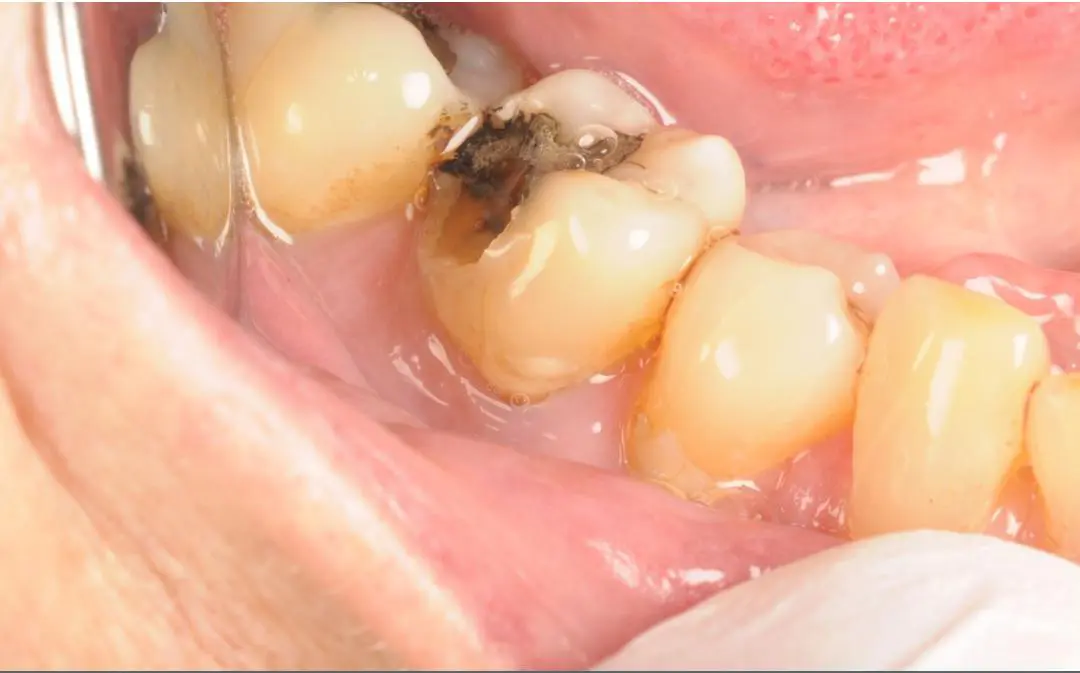
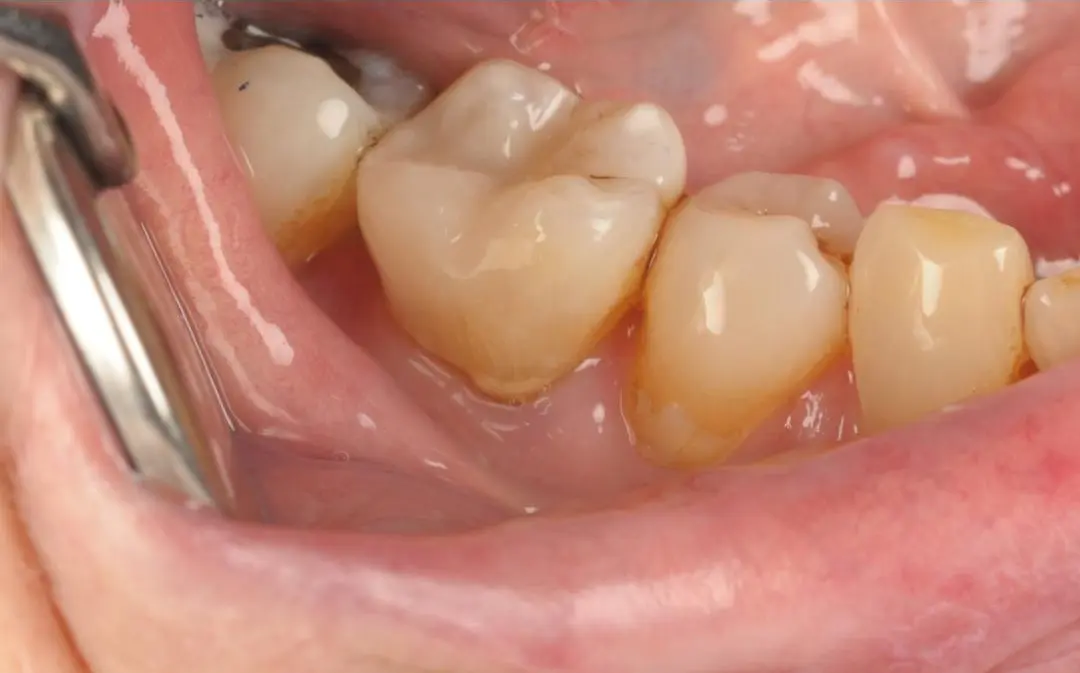
Real Patient Result: Emergency White Filling
Treatment by Dr Kamran
Teeth Grinding and Clenching (Bruxism)
Bruxism — the unconscious grinding or clenching of teeth, often during sleep — places significant and repetitive strain on the jaw muscles and TMJ. Over time, this sustained pressure can contribute to chronic muscle tension, joint inflammation, and referred pain around the ear region. For a fuller overview, see grinding teeth at night and waking with jaw pain.
Stress and Anxiety
Psychological stress is closely linked to increased muscle tension throughout the body, including the jaw. Many people clench their teeth or tighten their jaw muscles without realising it, particularly during periods of heightened stress or poor sleep.
Dental Misalignment or Bite Issues
If the upper and lower teeth do not meet evenly when biting, this can place uneven pressure on the jaw joint and surrounding muscles, potentially contributing to TMD symptoms over time.
Joint Injury or Trauma
A direct blow to the jaw, whiplash, or even extended dental appointments that require the mouth to remain open for long periods can occasionally contribute to joint discomfort.
Postural Habits
Forward head posture, prolonged use of screens, and resting the chin on the hand are postural habits that may contribute to jaw and neck muscle tension. Because the jaw muscles are connected to the neck and shoulder musculature, broader postural issues can sometimes influence jaw function.
Understanding the underlying cause of jaw tension is an important step, and this is best explored through a clinical dental or specialist assessment.
The Clinical Anatomy: Why Jaw Pain Feels Like Earache
To understand why jaw tension so effectively mimics earache, it helps to appreciate the anatomical proximity involved.
The temporomandibular joint sits immediately in front of the external ear canal. The muscles of mastication — which include the masseter, temporalis, and pterygoid muscles — wrap around the jaw, temple, and base of the skull. All of these structures are supplied by branches of the trigeminal nerve, specifically the auriculotemporal nerve, which passes directly through the parotid gland and wraps around the jaw joint before ascending toward the ear and temple.
When this nerve or the muscles it supplies are under tension or irritation, sensory signals can be referred upward and inward, producing earache-like sensations even though the ear itself is entirely unaffected. Patients may also notice that jaw tension causes a sense of fullness in the ear — similar to the sensation experienced during altitude change — alongside clicking, popping, or locking of the jaw joint.
Additionally, the muscles of mastication are closely connected to the muscles of the neck and throat, which is why some patients with TMD also experience headaches, neck stiffness, and even tinnitus (ringing in the ears). This interconnected anatomy explains the wide variety of symptoms that can arise from a single source of jaw tension.
Recognising the Symptoms: Jaw Tension or Ear Problem?
Distinguishing between an earache caused by an ear condition and one caused by jaw tension can be challenging without professional assessment. However, there are some symptom patterns that may be helpful to note:
Symptoms that may suggest jaw-related referred pain:
- Ear discomfort without any signs of infection (no fever, no discharge, no itching)
- Pain that worsens when chewing, yawning, or speaking
- A clicking, popping, or grinding sensation when opening or closing the mouth
- Morning ear or jaw ache, which may relate to nighttime grinding or clenching
- Tenderness in the jaw muscles when pressing gently on the cheeks or temples
- Headaches around the temples, particularly in the mornings
- A sensation of fullness or pressure in the ear
- Limited or uncomfortable jaw opening
Symptoms more likely to indicate an ear condition:
- Visible redness or discharge from the ear
- Fever alongside ear pain
- Hearing loss or muffled sounds
- Pain that worsens with movement of the outer ear
It is important to remember that symptoms can overlap, and professional assessment — dental or medical — is always the appropriate route to understanding the true cause of ongoing ear or jaw discomfort. This article is educational in nature and does not constitute a clinical diagnosis.
When Professional Dental Assessment May Be Appropriate
If you are experiencing persistent discomfort around your ear or jaw, it is sensible to seek a professional evaluation. A dental assessment can help identify whether jaw tension, TMJ dysfunction, or dental issues such as bite problems or bruxism are contributing to your symptoms.
The following situations may indicate that a dental consultation could be helpful:
- Ear-area discomfort lasting more than a few days without an identified cause
- Jaw clicking, popping, locking, or restricted mouth opening
- Regular morning jaw stiffness or headaches
- Awareness of teeth grinding or clenching, either during the day or at night
- Tooth sensitivity or worn-down teeth alongside ear or jaw discomfort
- Difficulty chewing or changes in how your bite feels
None of these symptoms are cause for alarm, but they are worth discussing with a dental professional. An examination can help establish whether a dental cause is contributing to your experience and what options may be appropriate.
Watch: Dental Emergency Consultations in London
If your jaw or tooth-related symptoms are causing significant discomfort, you may wish to understand your options for a prompt dental consultation. The video below provides useful information about emergency dental consultations available in London.
Treatment Approaches That May Be Considered
Treatment for jaw tension and TMD is not a single fixed pathway. Clinical management depends on the underlying cause, severity of symptoms, and an individual's specific dental health picture. Treatment suitability is always determined through individual clinical examination, and no single approach suits every patient.
Some approaches that a dentist may discuss or consider include:
Occlusal Splints (Night Guards)
A custom-fitted dental splint or night guard is one of the most commonly considered options for patients with bruxism. Worn over the teeth during sleep, a splint helps to cushion the forces of grinding or clenching and may reduce associated muscle tension and joint strain. You can explore more about night guards for bruxism support on our website.
Physiotherapy and Jaw Exercises
Guided physiotherapy or specific jaw exercises may be recommended to help restore comfortable jaw movement and reduce muscle tension. This is often a gradual process that requires consistency.
Stress Management
Since psychological stress is closely associated with jaw clenching, addressing stress through lifestyle adjustments, mindfulness, or counselling can form a complementary part of managing jaw tension.
Bite Assessment and Occlusal Adjustment
Where dental misalignment or bite irregularities are identified as a contributing factor, a dentist may explore whether adjustments to the bite could reduce strain on the jaw joint. This always requires careful, individual clinical assessment before any intervention is considered.
Referral to a Specialist
For complex or persistent TMD presentations, referral to an oral medicine specialist, maxillofacial consultant, or specialist physiotherapist may be appropriate.
Prevention and Oral Health Advice for Jaw Tension
While not all cases of jaw tension are entirely preventable, there are a number of practical habits that may help support jaw health and reduce the likelihood of symptoms developing or worsening.
Be mindful of clenching habits
Many people clench their teeth during concentration, exercise, or stress without realising it. A useful awareness technique is to periodically check whether your teeth are resting apart with the lips closed — teeth should generally not be in contact except during chewing and swallowing.
Review your sleeping position
Sleeping on your stomach or with your jaw pressing into a pillow can place additional strain on the jaw joint over time. Side or back sleeping with appropriate head and neck support is generally more neutral for jaw posture.
Reduce dietary triggers where relevant
During periods of jaw discomfort, avoiding very hard, chewy, or tough foods may help reduce mechanical strain on the jaw joint. Chewing on one side or biting large items directly with the front teeth can also increase joint stress.
Attend regular dental check-ups
Routine dental examinations allow your dentist to observe signs of tooth wear, bite changes, or muscle tension that may not yet be causing noticeable symptoms. Early identification may allow for earlier management. Booking a dental appointment is a simple and proactive step toward maintaining overall oral health.
Manage stress where possible
Because stress is a well-recognised contributor to jaw clenching and bruxism, general stress management techniques — including physical exercise, adequate sleep, and relaxation practices — may support jaw health alongside broader wellbeing.
Key Points to Remember
- Referred pain from jaw tension is a genuine and recognised cause of earache-like symptoms, even when the ear itself is healthy.
- The temporomandibular joint (TMJ) sits directly adjacent to the ear canal, making jaw dysfunction and ear discomfort difficult to distinguish without professional assessment.
- Common contributors to jaw tension include teeth grinding (bruxism), stress, dental misalignment, and postural habits.
- Symptoms such as morning jaw stiffness, clicking, limited mouth opening, or ear discomfort during chewing are worth discussing with a dental professional.
- Treatment options vary depending on individual clinical findings and may include splints, physiotherapy, or bite assessment.
- Regular dental check-ups provide an opportunity for early identification of jaw tension and bite-related changes before symptoms become more disruptive.
Frequently Asked Questions
Can a dentist help with earache caused by jaw tension?
A dentist is well placed to assess whether jaw tension, TMJ dysfunction, or dental factors such as bite issues or bruxism may be contributing to earache-like symptoms. Following a thorough clinical examination, a dentist can discuss whether a dental management approach — such as an occlusal splint or bite assessment — may be appropriate. In some cases, onward referral to a physiotherapist or specialist may also be recommended. It is always advisable to have persistent earache assessed professionally to rule out any ear-related cause alongside a dental evaluation.
How do I know if my earache is coming from my jaw rather than my ear?
It can be genuinely difficult to tell without professional assessment. Some patterns that may suggest a jaw-related cause include: ear discomfort that worsens when chewing or yawning, jaw clicking or stiffness alongside the ache, morning symptoms consistent with nighttime grinding, and normal findings on examination of the ear by a GP or ENT specialist. However, these patterns are not definitive indicators, and both dental and medical evaluation may be needed to identify the true source of ongoing symptoms.
Is teeth grinding always the cause of jaw-referred ear pain?
No. Whilst bruxism (teeth grinding and clenching) is a common contributor to jaw tension and referred ear discomfort, it is not the only cause. TMJ dysfunction can arise from dental misalignment, joint injury, stress-related muscle tension, or a combination of factors. A clinical dental examination helps identify which contributing factors may be relevant in each individual case.
Can jaw tension cause tinnitus (ringing in the ears)?
Some patients with TMJ dysfunction report experiencing tinnitus alongside other jaw and ear-area symptoms. This is thought to relate to the proximity of the jaw joint to structures associated with hearing and the shared nerve pathways in the area. However, tinnitus has many possible causes, and it is important to have this symptom evaluated both medically and dentally to explore any potential connections relevant to your specific situation.
Will a night guard completely stop jaw tension symptoms?
An occlusal splint or night guard is one tool that may help reduce the mechanical impact of teeth grinding during sleep, and some patients find it helpful in managing associated symptoms. However, outcomes vary between individuals, and a night guard is not a guaranteed solution for all jaw tension presentations. Its suitability and effectiveness depend on the underlying cause of symptoms, which is why individual clinical assessment is always needed before recommending or fitting one.
Should I see my GP or a dentist first if I have jaw and ear pain?
Either is a reasonable starting point. If you have not yet had your ear examined, visiting your GP or an ENT specialist to rule out ear infection or other ear conditions is a sensible first step. Equally, if you are aware of jaw clicking, teeth grinding, or morning jaw stiffness alongside your ear discomfort, raising this with a dentist early can help assess whether a dental or jaw-related cause may be relevant.
Conclusion
Referred pain from the jaw is a well-established phenomenon that can produce earache-like symptoms that are genuinely difficult to distinguish from discomfort originating in the ear itself. Understanding the anatomical and neurological relationship between the jaw joint and the surrounding structures helps to explain why jaw tension — whether related to bruxism, stress, bite irregularities, or TMJ dysfunction — can be felt as deep, persistent discomfort around or within the ear.
If you have experienced this kind of discomfort, it is reassuring to know that it is a recognised pattern with established management options. A thorough professional assessment — dental or medical — remains the appropriate starting point for understanding and addressing your symptoms.
Referred pain from jaw tension is manageable in many cases, and early attention to signs of jaw strain, teeth grinding, or bite changes can make a meaningful difference to long-term comfort and oral health.
Dental symptoms and treatment options should always be assessed individually during a clinical examination.
Disclaimer
This article is for general educational information only and does not constitute dental or medical advice.
It does not replace a face-to-face assessment by a GDC-registered clinician.
Treatment suitability and outcomes vary by individual and can only be confirmed after clinical examination.
This content is prepared in line with GDC, CQC, and ASA CAP communication principles.