
Dental discomfort can arise without warning, and when it does, one of the first concerns many people have is the cost of seeking professional help. Searching online for an affordable emergency dental exam in London is something thousands of patients do every month, often while dealing with pain, swelling, or a damaged tooth. The uncertainty of not knowing what is wrong — or how much an appointment might cost — can make an already stressful situation feel even more overwhelming.
This article explains what is involved in an emergency dental exam, why timely assessment matters, and how our £30 emergency dental exam for new patients provides an accessible route to professional dental evaluation. We will cover common reasons patients seek urgent dental appointments, what happens during an examination, and how early clinical assessment can help identify issues before they progress.
Understanding what to expect from an emergency dental visit can help patients feel more confident about seeking the care they need. If you are experiencing dental symptoms that concern you, professional advice from a qualified dentist is always the most reliable way to understand your options.
Experiencing these symptoms?
Delaying treatment can lead to tooth loss. We have slots available today.
What Is an Emergency Dental Exam for £30?
An emergency dental exam for £30 is a new patient introductory appointment designed to provide an affordable, accessible clinical assessment for individuals experiencing urgent dental concerns. During this appointment, a qualified dentist will examine the affected area, assess your symptoms, and discuss potential next steps based on their clinical findings.
This special offer is intended to reduce financial barriers that may prevent patients from seeking timely dental advice. The examination typically includes a visual and clinical assessment of the teeth, gums, and surrounding oral structures. Where clinically indicated, the dentist may recommend further diagnostic steps such as dental X-rays to gain a more detailed understanding of the issue.
It is important to note that the £30 fee covers the examination and initial consultation. Any subsequent treatment that may be recommended would be discussed with you, including associated costs, before proceeding. Treatment suitability always depends on the findings of the clinical assessment, and your dentist will explain all available options so that you can make an informed decision about your care.
Meet Dr. Yasha Shirazi
Principal Dentist at Emergency Dentist London
"We treat hundreds of dental emergencies every month. The sooner you come in, the easier the fix usually is."
Book an appointment with our team →This offer is available to new patients attending our London practice and is designed to ensure that cost does not stand in the way of receiving a professional dental evaluation when you need one most.
Common Reasons Patients Seek Emergency Dental Appointments
There are a wide range of situations that may lead someone to seek an urgent dental appointment. Understanding the most common reasons can help patients recognise when professional assessment may be beneficial.
Toothache and Dental Pain
Persistent or severe toothache is one of the most frequent reasons for emergency dental visits. Pain may be constant, intermittent, or triggered by hot, cold, or sweet foods and drinks. While mild sensitivity can sometimes be a temporary occurrence, ongoing pain may indicate an underlying issue such as tooth decay, a crack, or an infection that warrants clinical evaluation.
Broken or Chipped Teeth
Accidents, falls, or biting down on hard foods can result in a broken or chipped tooth. Depending on the extent of the damage, this may cause pain, sensitivity, or sharp edges that irritate the tongue or cheek. A dentist can assess the damage and advise on appropriate management.
Swelling or Signs of Infection
Swelling in the gums, face, or jaw area may sometimes be associated with a dental infection or abscess. If you notice swelling alongside pain, a raised temperature, or a persistent unpleasant taste, it is sensible to seek professional dental advice promptly. Early assessment of dental infections and abscesses can help your dentist determine the most suitable course of action.
Lost Fillings or Crowns
A filling or crown that has become dislodged can leave the underlying tooth structure exposed, potentially causing sensitivity or discomfort. Prompt assessment allows a dentist to evaluate the tooth and discuss options for restoration.
What Does an Emergency Dental Exam Involve?
Many patients feel uncertain about what happens during an emergency dental appointment, particularly if they have not visited a dentist recently. Knowing what to expect can help ease any anxiety about the process.
Initial Discussion
The appointment typically begins with your dentist asking about your symptoms, including when they started, the type of discomfort you are experiencing, and any factors that make the symptoms better or worse. Your dental and medical history will also be reviewed, as this information helps the dentist build a complete clinical picture.
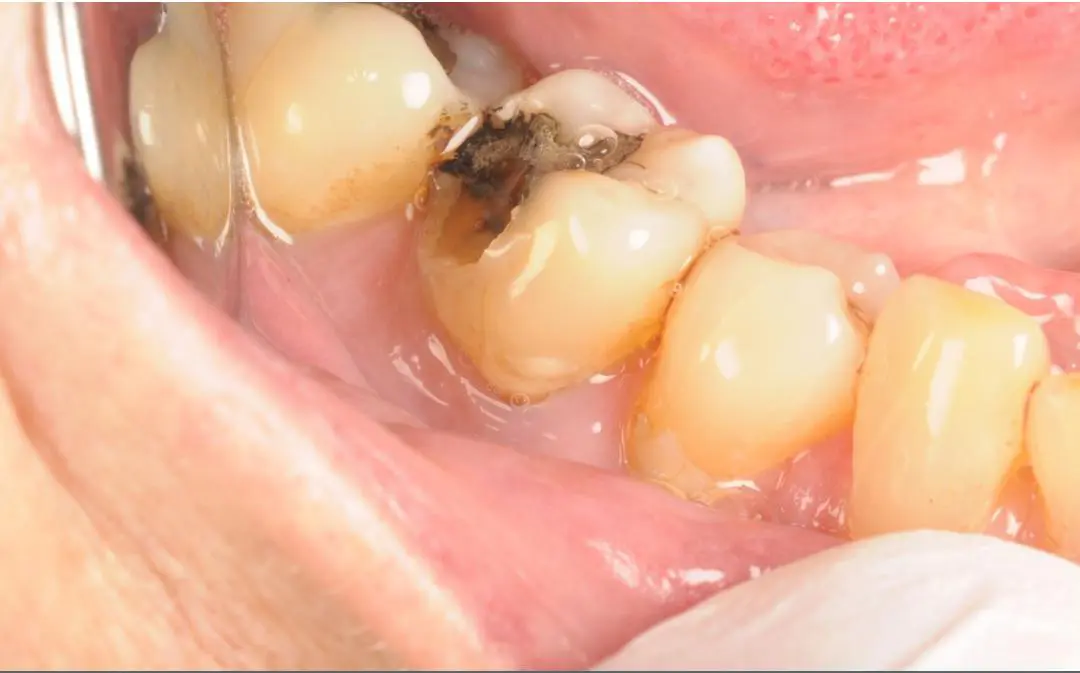
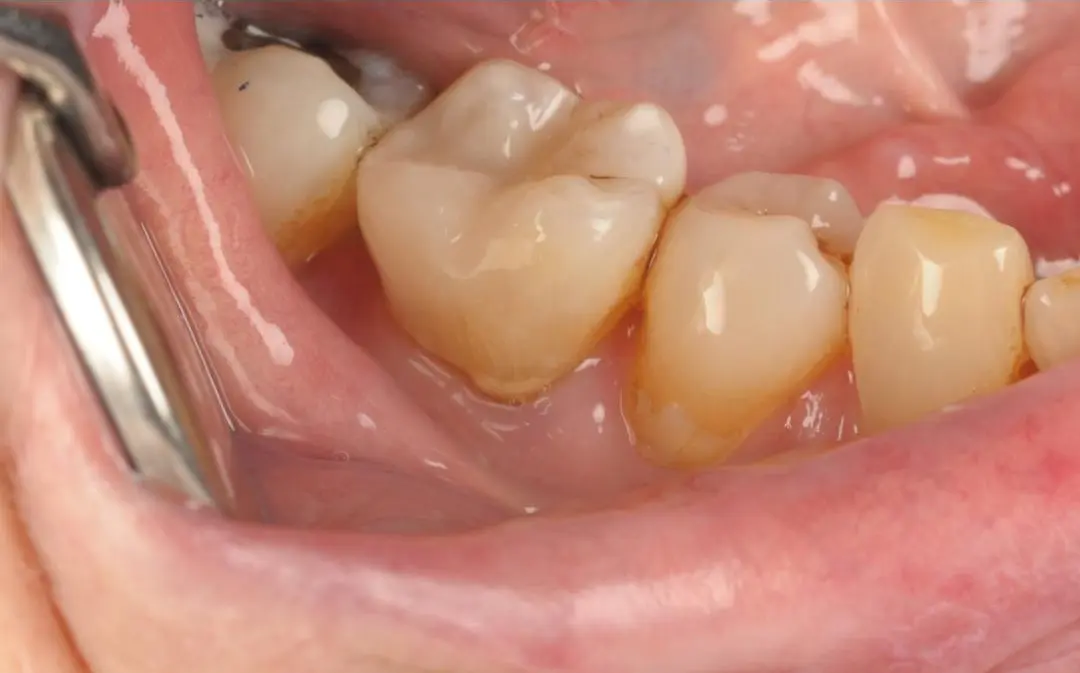
Real Patient Result: Emergency White Filling
Treatment by Dr Kamran
Clinical Examination
The dentist will then carry out a thorough examination of your teeth, gums, and the soft tissues of your mouth. This includes a visual inspection and, where appropriate, gentle probing to assess areas of concern. The aim is to identify the likely source of your symptoms and evaluate the overall health of the surrounding structures.
Diagnostic Imaging
In some cases, a dental X-ray may be recommended to provide additional detail that is not visible during a clinical examination alone. X-rays can reveal issues beneath the surface of the tooth or within the jawbone, such as infection at the root tip, hidden decay, or bone loss. Your dentist will explain whether imaging is advisable and why.
Discussion of Findings
Following the examination, your dentist will explain their findings in clear, straightforward language. If treatment is recommended, the available options will be discussed along with the benefits, considerations, and costs involved. You will have the opportunity to ask questions before making any decisions about your care.
The Dental Science Behind Common Emergencies
Understanding a little about tooth structure and oral anatomy can help patients appreciate why certain dental problems cause the symptoms they experience.
Tooth Anatomy
Each tooth is made up of several layers. The outermost layer, known as enamel, is the hardest substance in the human body and acts as a protective shield. Beneath the enamel lies dentine, a slightly softer layer that contains microscopic tubules leading towards the innermost part of the tooth. At the centre is the dental pulp, a soft tissue containing nerves and blood vessels.
Why Damage Causes Pain
When enamel is compromised — whether through decay, a crack, or erosion — the underlying dentine becomes exposed. Because dentine contains pathways to the nerve-rich pulp, stimuli such as temperature changes, sweet foods, or even air can trigger sensitivity or pain. If decay or damage progresses to the pulp itself, the resulting inflammation can cause significant discomfort and may lead to infection if bacteria reach this area.
How Infections Develop
A dental infection, or abscess, typically develops when bacteria penetrate the inner structures of a tooth, often through deep decay or a fracture. The body's immune response to this bacterial invasion can cause swelling, pain, and the accumulation of pus. Without professional management, dental infections may persist or worsen, which is why timely clinical assessment is important when symptoms of infection are present.
Understanding these processes helps illustrate why addressing dental concerns early — rather than waiting for symptoms to intensify — is generally beneficial for long-term oral health outcomes.
When Professional Dental Assessment May Be Needed
While not every dental symptom requires urgent attention, there are certain situations where seeking professional evaluation is a sensible step. Being aware of these signs can help you make informed decisions about when to book an appointment.
Symptoms Worth Having Assessed
- Persistent toothache lasting more than a day or two, particularly if it is worsening
- Sensitivity to hot or cold that lingers after the stimulus is removed
- Swelling in the gums, cheek, or jaw area
- A tooth that feels loose without an obvious cause
- Bleeding gums that do not resolve with improved oral hygiene
- A broken, cracked, or chipped tooth, especially if accompanied by pain
- A lost filling, crown, or other dental restoration
- Pain when biting or chewing
If you are experiencing any of these symptoms, an emergency dental examination can help identify the cause and guide appropriate next steps. It is always better to have a concern assessed and find that no urgent treatment is needed than to delay and risk a problem progressing.
Our practice offers same-day emergency appointments to help patients in London access timely care when they need it.
How a £30 Emergency Dental Exam Supports Early Intervention
One of the key benefits of an affordable emergency dental exam is that it encourages patients to seek advice earlier rather than later. Cost concerns are a well-documented barrier to dental attendance in the UK, and when patients delay seeking help, relatively straightforward issues can sometimes develop into more complex problems.
Early assessment allows the dentist to identify the cause of symptoms at a stage when management options may be simpler, less invasive, and potentially less costly. For example, a small area of decay identified early may be treatable with a straightforward filling, whereas the same area left unaddressed could eventually affect the dental pulp and require more extensive treatment such as root canal therapy.
The £30 new patient emergency exam is designed to make that first step as accessible as possible. By removing the uncertainty around initial costs, patients can focus on understanding their dental health and making informed decisions about any recommended care.
It is worth noting that every patient's situation is unique. The examination will provide a personalised assessment, and any treatment recommendations will be tailored to your individual clinical needs and preferences.
Prevention and Oral Health Advice
While emergency dental situations cannot always be avoided, there are practical steps that can help reduce the likelihood of experiencing urgent dental problems.
Maintain a Consistent Oral Hygiene Routine
Brushing twice daily with a fluoride toothpaste and cleaning between your teeth with interdental brushes or floss helps remove plaque — the bacterial film that contributes to both tooth decay and gum disease. An effective daily routine is one of the most important things you can do to protect your oral health.
Attend Regular Dental Check-Ups
Routine dental examinations allow your dentist to monitor your oral health over time and identify potential issues at an early stage. The frequency of check-ups recommended for you will depend on your individual risk factors and oral health status.
Be Mindful of Dietary Habits
Frequent consumption of sugary or acidic foods and drinks increases the risk of enamel erosion and decay. Limiting sugary snacks between meals and drinking water after consuming acidic beverages can help protect your teeth.
Wear a Mouthguard During Contact Sports
If you participate in sports where there is a risk of impact to the face, a professionally fitted mouthguard can significantly reduce the risk of dental trauma.
Address Teeth Grinding
If you suspect that you grind or clench your teeth, particularly during sleep, mention this to your dentist. A custom-made night guard may help protect your teeth from wear and reduce the risk of cracks or fractures.
Key Points to Remember
- An emergency dental exam for £30 provides an affordable route to professional assessment for new patients experiencing urgent dental concerns.
- The examination includes a clinical assessment, discussion of symptoms, and explanation of any recommended next steps.
- Common reasons for emergency dental visits include toothache, broken teeth, swelling, and lost restorations.
- Early professional evaluation may help identify issues at a stage when management options are simpler and potentially less invasive.
- Treatment suitability is always determined on an individual basis following a clinical examination.
- Maintaining good oral hygiene, attending regular dental check-ups, and being mindful of dietary habits can all contribute to reducing the risk of dental emergencies.
Frequently Asked Questions
What is included in the £30 emergency dental exam?
The £30 emergency dental exam for new patients includes a thorough clinical examination of your teeth, gums, and oral soft tissues, along with a discussion of your symptoms and dental history. Your dentist will explain their findings and, if treatment is indicated, discuss the available options with you. Any further diagnostic steps, such as X-rays, or subsequent treatment would be discussed separately, including any associated costs. The aim is to provide a clear understanding of your dental situation so that you can make informed decisions about your care.
Is the £30 emergency exam only for new patients?
Yes, this introductory offer is currently available to new patients attending the practice. It is designed to provide an affordable and accessible first appointment for individuals who may not have an existing dental provider or who are seeking urgent care. If you are an existing patient experiencing a dental concern, please contact the practice directly, and the team will arrange an appropriate appointment for you.
Do I need to be in pain to book an emergency dental appointment?
Not necessarily. While many patients book emergency appointments because of pain, other concerns such as a chipped tooth, a lost filling, or noticeable swelling are also valid reasons to seek a prompt clinical assessment. If you are uncertain whether your situation warrants an emergency visit, you are welcome to contact the practice to discuss your symptoms. The team can help you determine the most appropriate appointment type for your needs.
Will I receive treatment during the emergency exam appointment?
The primary purpose of the emergency dental exam is to assess your symptoms, identify the likely cause, and discuss potential treatment options. In some cases, simple immediate management may be possible during the same visit, but this depends on the clinical findings and the complexity of the situation. If further treatment is recommended, your dentist will explain the options, the process involved, and the associated costs before proceeding, ensuring you are fully informed at every stage.
How quickly can I get an emergency dental appointment?
Our practice aims to offer same-day emergency dental appointments wherever possible, subject to availability. We understand that dental emergencies can be time-sensitive and that patients benefit from prompt assessment. We recommend contacting the practice as early in the day as possible to maximise the likelihood of securing a convenient appointment time. You can reach our team by telephone or through the online booking facility on our website.
Can an emergency dental exam identify all dental problems?
A clinical examination provides valuable information about the likely cause of your symptoms and the overall health of your teeth and gums. However, some conditions may require additional diagnostic tools, such as dental X-rays, to be fully evaluated. Your dentist will advise if further investigation is recommended and explain the reasoning clearly. The goal of the initial examination is to establish a clear clinical picture and create a pathway for any further care that may be needed.
Conclusion
Experiencing a dental emergency can be unsettling, but understanding what to expect from an emergency dental exam — and knowing that an affordable option is available — can make the process of seeking help feel more manageable. Our emergency dental exam for £30 is designed to give new patients in London a straightforward, accessible way to receive a professional clinical assessment when they need it.
From persistent toothache and broken teeth to swelling and lost restorations, the range of dental concerns that prompt emergency visits is broad. What they all have in common is that early professional evaluation can help identify the issue, guide appropriate management, and support better long-term oral health outcomes.
If you are experiencing dental symptoms that are causing you concern, we encourage you to contact our practice to arrange an appointment. A qualified dentist can assess your individual situation, explain what they find, and help you understand your options.
Dental symptoms and treatment options should always be assessed individually during a clinical examination.
Disclaimer
This article is for general educational purposes only and does not constitute professional dental advice, diagnosis, or treatment. Every patient's circumstances are unique; dental symptoms and treatment options should always be assessed during a clinical examination by a qualified dental professional. No specific outcomes are guaranteed. This content has been prepared in line with GDC, CQC, ASA CAP Code, and GMC communication standards. If you have concerns about your oral health, please contact a registered dentist.