
For many older adults and their carers, discovering a loose crown, bridge, or filling can be an unsettling experience — particularly when it happens unexpectedly or outside of regular dental appointments. It is entirely understandable that people turn to the internet for guidance when they notice a dental restoration feels different, mobile, or uncomfortable. Knowing what steps to take and when to seek professional help can make an important difference to patient comfort and long-term dental health.
Loose dental restorations in elderly patients are not uncommon. As we age, natural changes in the mouth — including bone loss, gum recession, and wear on existing dental work — can gradually affect how well restorations fit and function. Understanding the nature of loose dental restorations in elderly patients, the factors that contribute to this issue, and the importance of timely professional assessment is valuable for patients, families, and carers alike. This article aims to provide clear, balanced, and educational information to help you feel more informed and confident about next steps.
Featured Snippet: What Should You Do If an Elderly Patient Has a Loose Dental Restoration?
If an elderly patient has a loose dental restoration, the safest course of action is to avoid attempting home repairs and to contact a dental practice promptly. Loose dental restorations in elderly patients may cause discomfort, risk of swallowing, or further damage to the underlying tooth. A clinical assessment is always required to determine appropriate management.
Experiencing these symptoms?
Delaying treatment can lead to tooth loss. We have slots available today.
Why Dental Restorations May Become Loose in Older Age
Dental restorations — including crowns, bridges, fillings, inlays, and onlays — are designed to be durable, but they are not permanent in the strictest sense. Over time, several factors can contribute to them loosening, particularly in older patients.
Natural wear and tear plays a significant role. Restorations placed many years ago may have reached the end of their functional lifespan. The adhesive cements used to secure crowns and bridges can gradually weaken, especially if exposed to repeated forces from chewing or clenching.
Changes in the underlying tooth structure are also relevant. The tooth beneath a crown may develop decay, particularly if oral hygiene has become more difficult to maintain due to reduced dexterity, dry mouth (xerostomia), or medical conditions common in later life.
Meet Dr. Yasha Shirazi
Principal Dentist at Emergency Dentist London
"We treat hundreds of dental emergencies every month. The sooner you come in, the easier the fix usually is."
Book an appointment with our team →Dry mouth, a frequent side effect of many medications taken by older adults, reduces the natural protective qualities of saliva. This can accelerate decay around restoration margins, undermining their stability over time.
Bone and gum changes associated with ageing or periodontal disease can affect how dental bridges sit and function, potentially leading to rocking or movement.
Understanding these contributing factors can help carers and patients recognise why routine dental monitoring is especially important in later life.
Recognising the Signs of a Loose or Failing Restoration
Being able to identify early signs that a dental restoration may be failing is helpful for both patients and carers. Common indicators may include:
- A crown, bridge, or filling that feels different when biting or chewing
- A noticeable movement or rocking sensation in a tooth or restoration
- A sharp edge or rough surface where none existed before
- Increased sensitivity to temperature, sweetness, or pressure
- A bad taste or odour that persists despite normal oral hygiene
- Visible gaps between the restoration and the natural tooth
It is worth noting that some individuals — particularly those living with dementia or other cognitive conditions — may not be able to communicate dental discomfort clearly. Carers should be attentive to behavioural changes such as reluctance to eat, facial discomfort, or changes in chewing habits, as these may indicate an oral health issue requiring professional attention.
If you notice any of these signs, arranging a dental assessment sooner rather than later is generally advisable.
The Dental Science Behind Restoration Failure
To understand why restorations fail, it helps to consider the anatomy of a restored tooth. When a dentist places a crown, for example, it is designed to fit precisely over the prepared tooth and is secured using dental cement. This creates a seal that protects the underlying dentine and pulp from bacteria and mechanical stress.
Over time, the cement layer can be gradually dissolved or eroded, particularly in acidic oral environments or in the presence of decay-causing bacteria. Once this marginal seal is compromised, bacteria can penetrate beneath the restoration — a process known as microleakage. This leads to secondary decay (caries beneath the crown), which progressively weakens the tooth structure that the restoration depends upon for support.
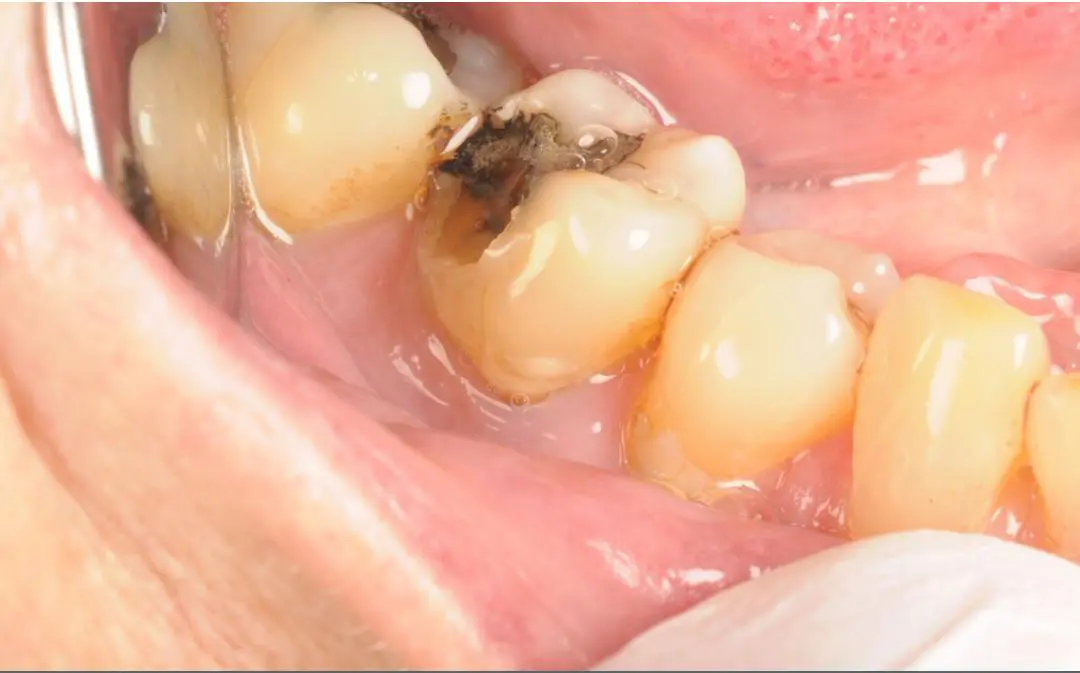
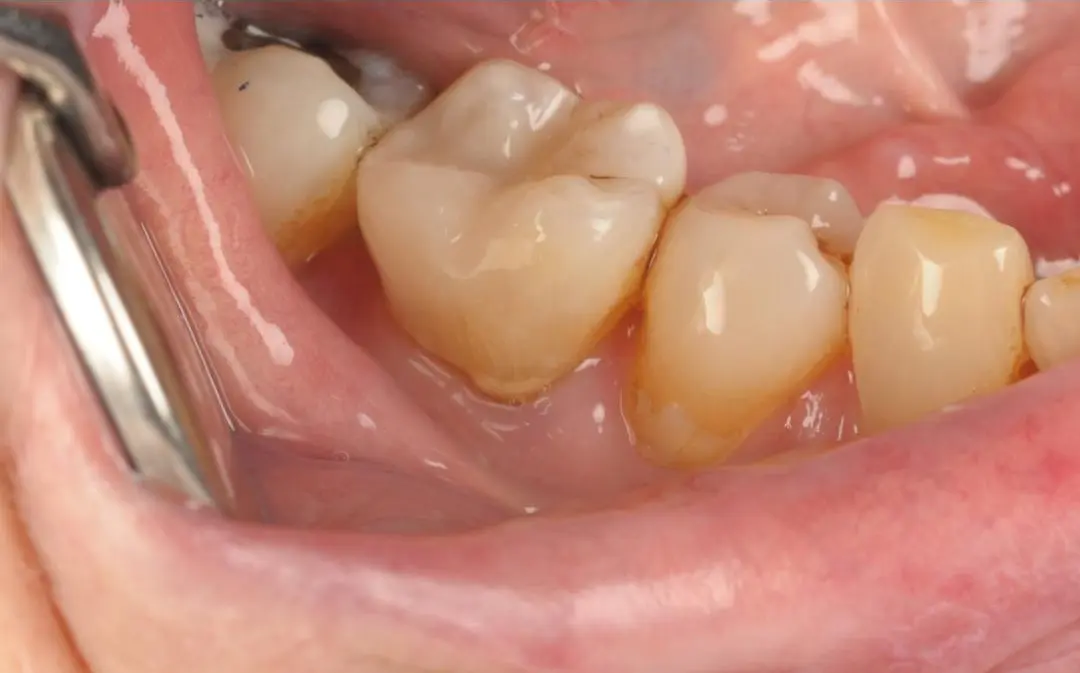
Real Patient Result: Emergency White Filling
Treatment by Dr Kamran
In the case of fillings, repeated expansion and contraction due to temperature changes in the mouth can cause tiny fractures at the interface between the filling material and the natural tooth. Combined with the natural brittleness of aged enamel, this can result in sections of a filling becoming loose or fracturing away.
For elderly patients with complex dental restorations, understanding this process underscores why regular professional monitoring is so valuable — even when no symptoms are yet apparent.
When Professional Dental Assessment May Be Needed
Whilst a loose restoration may sometimes cause minimal immediate discomfort, it is important not to delay seeking professional assessment. There are several situations in which arranging a dental appointment promptly is particularly advisable:
- The restoration has become fully dislodged — there is a risk of accidental swallowing, particularly in patients with swallowing difficulties
- There is pain or discomfort around the affected tooth, which may suggest the underlying tooth is exposed or has developed further problems
- Swelling of the gum, face, or jaw — this may indicate an underlying infection requiring timely attention
- Visible decay or damage to the tooth beneath the restoration
- Persistent sensitivity that does not resolve after a few days
- Difficulty eating or chewing as a result of the loose restoration
For elderly patients who may be medically compromised, have anticoagulant medications, or have complex care needs, it is especially important that any dental treatment is planned carefully with awareness of their overall health status. If you require urgent assistance, an emergency dental appointment can help address immediate concerns safely.
Practical Prevention and Oral Health Maintenance for Older Adults
Whilst not all cases of restoration failure can be prevented, there are practical steps that can help maintain oral health and extend the life of existing dental work in elderly patients:
- Regular dental check-ups — at least once a year, or as recommended by the dental team, allows restorations to be monitored and minor issues addressed before they become significant
- Gentle but thorough oral hygiene — using a soft-bristled toothbrush, fluoride toothpaste, and interdental cleaning aids appropriate to the patient's dexterity
- Managing dry mouth — staying well hydrated, using saliva substitutes if recommended, and avoiding very sugary or acidic foods and drinks
- Wearing a night guard if recommended — for patients who clench or grind their teeth, a protective appliance can significantly reduce wear on restorations
- Adapting oral care routines — for patients with limited dexterity or cognitive impairment, electric toothbrushes, adapted grip handles, or carer-assisted brushing can make a meaningful difference
- Maintaining a balanced diet — limiting sugary snacks and drinks reduces the risk of secondary decay around restoration margins
Carers supporting elderly patients with their oral hygiene play an invaluable role in maintaining dental health. Guidance from a dental hygienist can be especially helpful in developing an individualised routine. Learning more about preventative dental care may also provide useful practical advice.
Key Points to Remember
- Loose dental restorations in elderly patients are not uncommon and may result from wear, decay, dry mouth, or gum and bone changes
- Early signs include movement in a tooth, sensitivity, rough edges, or persistent bad taste
- Carers should be alert to behavioural changes in patients who cannot communicate discomfort easily
- Home repair attempts using adhesives or over-the-counter products are not recommended and may cause further problems
- Prompt professional dental assessment is always the safest course of action
- Regular dental monitoring and good oral hygiene routines are the most effective long-term preventative strategy
Frequently Asked Questions
Can a loose dental crown in an elderly patient wait until a routine appointment?
It depends on the circumstances. If the crown is fully dislodged, causing pain, or there is any swelling, it is advisable to seek a dental assessment as soon as possible rather than waiting for a routine appointment. If the crown is slightly mobile but still in place and causing no discomfort, contacting the dental practice for guidance is a sensible first step. The dental team will advise on the appropriate urgency based on the symptoms described. Avoid attempting to re-cement a crown at home without professional guidance.
Is it safe to use over-the-counter dental adhesive to temporarily re-attach a loose crown?
Some pharmacies stock temporary dental cement products, and in certain situations a dental practice may advise their short-term use as a temporary measure. However, this should only be considered as a very short-term solution whilst awaiting professional care, and only if advised by a dental professional. Improper application can trap bacteria beneath the restoration, make professional removal more difficult, or cause damage to the surrounding gum tissue. Always seek professional guidance before using such products.
Why do elderly patients seem more prone to loose fillings and crowns than younger adults?
Several age-related factors contribute to this. Older restorations may simply have reached the end of their functional lifespan. Dry mouth — common due to medications frequently taken in later life — reduces saliva's protective effect and accelerates decay. Reduced manual dexterity can make thorough oral hygiene more challenging, increasing the risk of decay around restoration margins. Additionally, changes in bone density and gum tissue can affect how restorations fit and function over time.
How can carers best support elderly patients with their dental health?
Carers can play a vital role by assisting with or supervising oral hygiene routines, ensuring dental appointments are attended regularly, and monitoring for signs of dental discomfort — particularly in patients who cannot easily communicate pain. Using appropriate aids such as electric toothbrushes or adapted handles can make brushing more effective. Carers should feel encouraged to raise any concerns with the patient's dental team, who can offer tailored practical advice for the individual's care needs.
What happens if a loose dental restoration is left untreated for a long time?
If left without assessment, a loose restoration may fully dislodge, exposing the underlying tooth to bacteria and further decay. The tooth structure beneath may deteriorate to a point where more complex treatment is required. In some cases, infection of the pulp or surrounding tissues may develop. Early professional assessment generally allows for simpler and more conservative management. Treatment suitability will always depend on a clinical examination of the individual patient.
Are there particular medical conditions that increase the risk of dental restoration failure in elderly patients?
Certain medical conditions and their associated treatments can increase the risk of restoration failure. These include conditions causing dry mouth (such as Sjögren's syndrome), diabetes (which can affect healing and increase infection risk), and osteoporosis (sometimes treated with medications that affect jaw bone health). Patients who are immunocompromised or take multiple medications should ensure their dental team is aware of their full medical history so that care can be planned appropriately and safely.
Conclusion
Managing loose dental restorations safely in elderly patients requires a calm, informed, and timely approach. Whether you are an older adult experiencing this issue yourself or a carer supporting a loved one, understanding the causes, recognising the signs, and knowing when to seek professional help are all important steps in protecting long-term dental health.
Whilst it can be tempting to manage the situation at home, professional dental assessment remains the most appropriate and safe course of action. Regular check-ups, attentive oral hygiene, and open communication with the dental team are the most effective ways to support the dental wellbeing of elderly patients.
Dental symptoms and treatment options should always be assessed individually during a clinical examination.
If you are concerned about a loose dental restoration, we encourage you to contact a qualified dental professional who can assess your individual circumstances and advise on the most appropriate next steps.
Disclaimer: This article is intended for general educational purposes only and does not constitute personalised dental advice. Individual diagnosis and treatment recommendations require a clinical examination by a qualified dental professional.
Next Review Due: 23 November 2027