
Dental emergencies have an unfortunate habit of arriving at the worst possible moments — mid-presentation, between client meetings, or just as a major conference is getting underway. If you are visiting or working in the City of London and you suddenly experience acute tooth pain, a chipped tooth, or a lost crown, it can feel overwhelming when you are far from your regular dental practice.
Searching for an emergency dentist in the City of London with same-day availability is an increasingly common response, and understandably so. Business professionals, conference delegates, and visitors to London's financial district often need prompt, accessible dental care without the disruption of a lengthy wait or complex referral process.
This article explains what constitutes a dental emergency, what symptoms may warrant same-day attention, what you might expect during an urgent dental appointment, and how to look after your oral health while managing a busy professional schedule in London.
Experiencing these symptoms?
Delaying treatment can lead to tooth loss. We have slots available today.
Featured Snippet: What Should You Do If You Have a Dental Emergency During a Conference in the City of London?
If you experience a dental emergency in the City of London — such as severe tooth pain, a broken tooth, or a lost restoration — contact an emergency dentist offering same-day slots as soon as possible. Avoid self-medicating beyond over-the-counter pain relief, and seek professional dental assessment promptly to prevent symptoms from worsening.
What Counts as a Dental Emergency?
Not every dental concern requires immediate same-day care, but certain symptoms are best assessed by a dental professional without delay. A dental emergency in the City of London can take several forms, including:
- Severe or persistent toothache that does not subside with standard over-the-counter pain relief
- A broken, chipped, or fractured tooth — particularly if sharp edges are causing soft tissue irritation
- A lost crown, bridge, or veneer leaving a tooth exposed or uncomfortable
- A dental abscess — characterised by localised swelling, throbbing pain, and sometimes a visible or felt lump near the gum
- Trauma to the mouth following an accident or impact
- A partially or fully dislodged tooth — time is an important factor in these situations
It is worth noting that not all of these situations carry the same clinical urgency. A dental professional will assess your symptoms and determine the most appropriate and timely course of action. If you are unsure whether your situation requires urgent care, contacting a dental practice directly for guidance is always a sensible first step.
Meet Dr. Yasha Shirazi
Principal Dentist at Emergency Dentist London
"We treat hundreds of dental emergencies every month. The sooner you come in, the easier the fix usually is."
Book an appointment with our team →Understanding the Dental Science Behind Common Emergencies
To understand why some dental emergencies feel so acute, it helps to consider the structure of a tooth. Each tooth is composed of several layers: the hard outer enamel, the underlying dentine, and the innermost pulp — a soft tissue containing nerves and blood vessels.
When enamel or dentine is damaged — through fracture, decay, or trauma — the sensitive dentinal tubules beneath become exposed. These microscopic channels transmit sensation directly to the pulp, which is why a cracked or broken tooth can produce sharp, intense discomfort, particularly when exposed to temperature changes or pressure.
Dental abscesses develop when bacteria penetrate the pulp — often through deep decay or a crack — and cause infection. This infection produces localised swelling and throbbing pain as the body attempts to respond to the bacterial presence. Left unassessed, dental infections can, in some cases, spread beyond the oral cavity, which is why prompt professional evaluation is clinically important.
Understanding this process helps explain why dental emergencies should be assessed by a qualified dental professional rather than managed solely with pain relief.
Navigating Same-Day Dental Appointments in the City of London
The City of London and surrounding EC postcodes are served by a number of dental practices offering urgent and same-day appointments. For professionals attending conferences at venues such as the Guildhall, Mansion House, or Bloomberg Headquarters, finding accessible care close to your location is feasible.
When contacting a dental practice for an emergency appointment, it is helpful to:
- Describe your symptoms clearly — including duration, severity, and any visible changes
- Mention any relevant dental history — such as recent treatment, existing restorations, or known sensitivities
- Ask about accessibility and location — many City dental practices are within walking distance of key tube stations
If you have a dental abscess or infection, the dental professional will assess whether antibiotics are appropriate alongside any procedural treatment. Treatment suitability always depends on a clinical examination.
For patients who require same-day dental assessment, visiting Emergency Dentist in London provides information on how to access urgent dental care promptly across London.
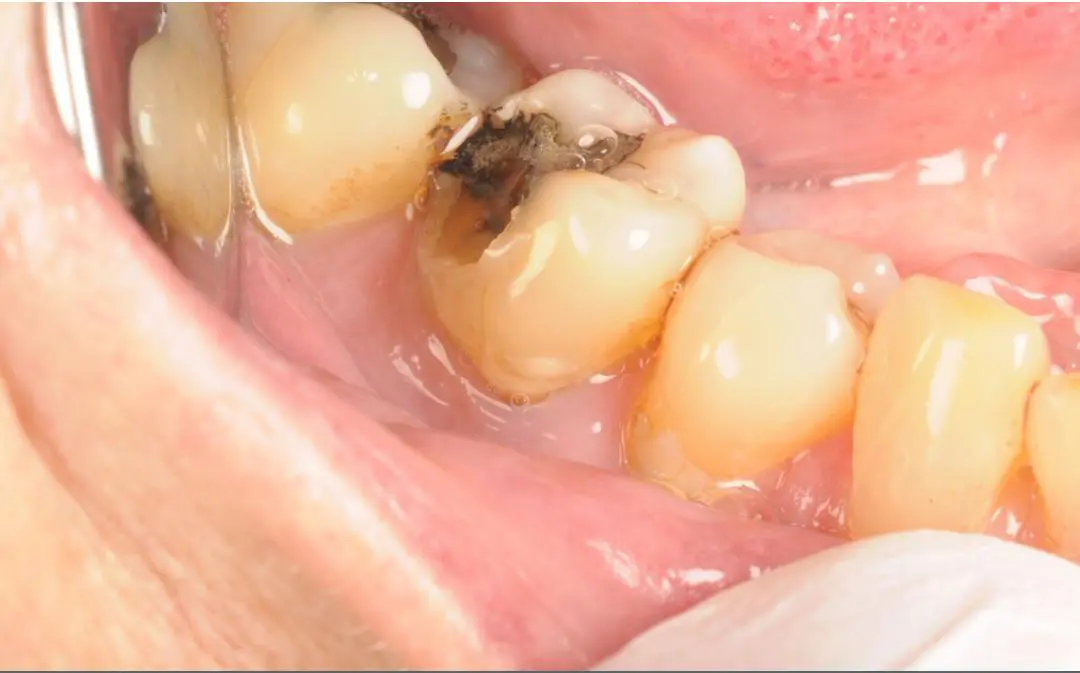
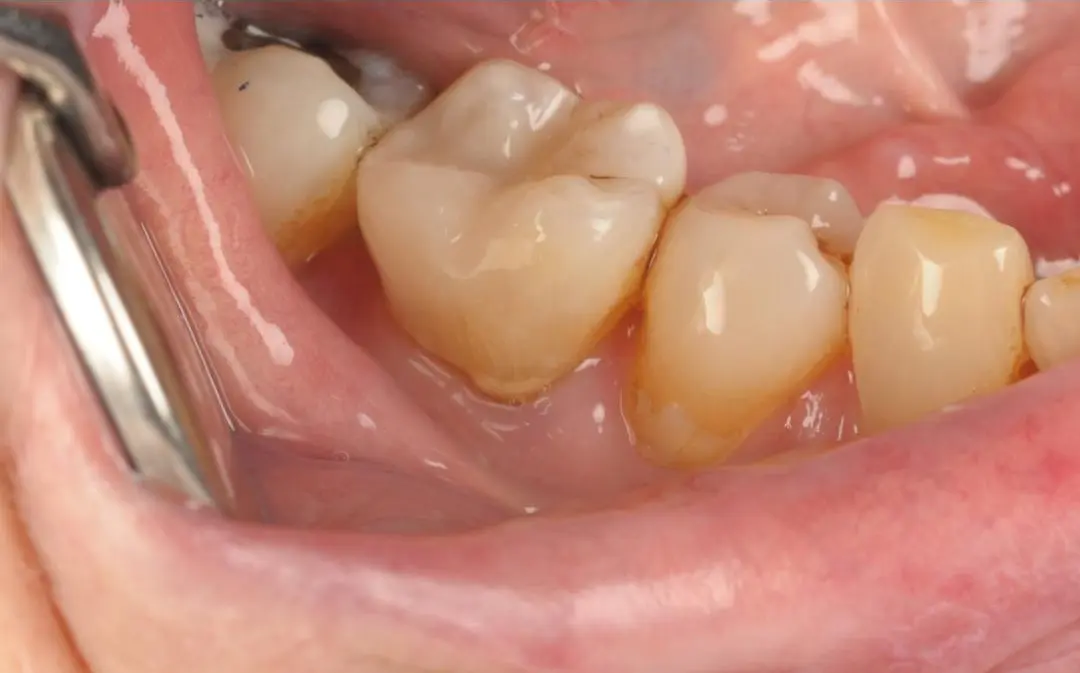
Real Patient Result: Emergency White Filling
Treatment by Dr Kamran
When Professional Dental Assessment May Be Needed
Certain symptoms suggest that early dental evaluation would be appropriate, even if the discomfort feels manageable in the short term:
- Persistent pain lasting more than a day or two, particularly if it is worsening
- Visible swelling around the jaw, cheek, or gum — especially if accompanied by a fever
- Difficulty swallowing or opening the mouth — which may indicate a spreading infection requiring urgent attention
- A tooth that feels loose without an obvious explanation
- Bleeding that does not resolve following a mouth injury
It is important to note that not all oral discomfort is immediately serious, but symptoms that persist or worsen benefit from a professional assessment. A dentist can provide an accurate diagnosis based on examination and, if necessary, imaging — something that is not possible through self-assessment alone.
Patients experiencing facial swelling accompanied by difficulty breathing or swallowing should seek emergency medical care immediately, as this may indicate a more serious systemic issue.
Managing Discomfort While Awaiting Your Appointment
While waiting for a same-day dental slot, there are a few sensible steps that may help you manage discomfort:
- Over-the-counter analgesics such as paracetamol or ibuprofen, taken according to the manufacturer's guidance, may provide temporary relief. Always check suitability if you have existing health conditions or take other medications.
- Avoid very hot, cold, or sweet foods and drinks that may aggravate sensitivity
- Clove oil, applied sparingly to the affected area on a cotton bud, is a traditional remedy that some patients find soothing — though it is not a substitute for professional treatment
- Keep the area clean by gently rinsing with warm, slightly salted water
- For a lost crown or veneer, dental repair kits available from pharmacies can offer a temporary fix, though professional reattachment should be arranged as soon as possible
If you have experienced dental trauma, understanding your options for urgent dental treatment in London may help you make an informed decision about your next steps.
Prevention and Oral Health Advice for Busy Professionals
For those who travel frequently or spend extended periods away from their regular dental practice, a few proactive habits can reduce the likelihood of a dental emergency arising at an inconvenient time:
- Attend routine dental check-ups at six- or twelve-monthly intervals as recommended by your dentist. Many problems — including developing decay or early-stage cracks — can be identified and addressed before they become acute
- Wear a custom-fitted night guard if you are known to grind your teeth, particularly during periods of professional stress
- Maintain consistent oral hygiene even when travelling — a compact travel kit with a toothbrush, fluoride toothpaste, and interdental brushes or floss is straightforward to carry
- Avoid using teeth as tools to open packaging or bottles, which can cause unexpected fractures
- Stay hydrated, as a dry mouth can increase the risk of decay over time — particularly relevant during long conference days with limited water breaks
Learning about preventative dental care in London can support longer-term oral health planning alongside reactive emergency care.
Key Points to Remember
- A dental emergency in the City of London can be addressed promptly through practices offering same-day appointments
- Severe toothache, broken teeth, lost restorations, and dental abscesses are among the most common situations requiring urgent dental attention
- Dental pain often originates from exposed dentine or pulp — understanding this helps explain the urgency of professional care
- Over-the-counter pain relief and gentle rinsing can offer temporary comfort, but are not a substitute for professional assessment
- Routine dental check-ups remain the most effective way to reduce the risk of unexpected dental emergencies
- Always seek professional dental advice if symptoms persist, worsen, or are accompanied by swelling or fever
Frequently Asked Questions
Can I get a same-day dental appointment in the City of London?
Yes, a number of dental practices serving the City of London and EC postcodes offer same-day or urgent appointments for dental emergencies. It is advisable to contact the practice by telephone rather than booking online when you require urgent care, as this allows the reception team to assess the nature of your symptoms and prioritise your appointment accordingly. Availability will vary between practices and times of day.
What should I do if a tooth is knocked out during an accident?
If a tooth is completely dislodged, time is an important factor. Where possible, handle the tooth by the crown (the visible white part) rather than the root. Gently rinse it with milk or the patient's own saliva, and either place it back in the socket — if the patient is conscious and cooperative — or store it in milk or saliva whilst seeking immediate dental care. Contact an emergency dentist as promptly as possible, as the likelihood of successful reimplantation is influenced by the time elapsed.
Is a dental abscess a dental emergency?
A dental abscess should be assessed by a dental professional as soon as reasonably possible. Abscesses are caused by bacterial infection and can produce significant pain, swelling, and in some cases, systemic symptoms such as fever. A dentist will assess whether drainage, prescription medication, or further treatment is required. It is not advisable to attempt to manage a dental abscess without professional guidance.
What if I am not registered with a dentist in London?
Emergency dental care in London is accessible to both registered and unregistered patients at many private dental practices. If you are visiting from outside London for a conference or business appointment, you do not need to be an existing patient to request urgent care at most emergency dental clinics. When contacting a practice, simply explain your situation and describe your symptoms clearly.
Can over-the-counter products fix a broken tooth temporarily?
Temporary dental repair kits, available from most UK pharmacies, can provide short-term coverage for a broken tooth or lost restoration. These products are not a permanent solution and should not replace professional dental treatment, but they can offer a degree of comfort and protection until you are able to attend an appointment. A dentist will assess the tooth and recommend the appropriate treatment based on the extent of the damage.
How can I tell if my toothache is serious?
Toothache that is severe, persistent, or accompanied by swelling, fever, or difficulty opening the mouth warrants prompt dental assessment. Pain that is intermittent and mild may still benefit from professional evaluation, as it can indicate early-stage decay or sensitivity that is easier to address before it progresses. It is always advisable to have persistent oral pain assessed by a dentist rather than relying solely on self-diagnosis.
Conclusion
Experiencing a dental emergency in the City of London during a professional engagement is undeniably stressful, but same-day dental care is accessible and available across the area. Whether you are dealing with acute toothache, a fractured restoration, or early signs of dental infection, seeking professional assessment promptly is always the most appropriate course of action.
Understanding the dental science behind common emergencies, knowing what to do in the interim, and maintaining consistent preventative habits can all contribute to better oral health outcomes — even when your schedule leaves little room for unexpected disruptions.
Dental symptoms and treatment options should always be assessed individually during a clinical examination.
If you are experiencing dental discomfort or require urgent dental advice, contact a dental professional as soon as possible. Early assessment often leads to simpler, more straightforward treatment.
Disclaimer: This article is intended for general educational purposes only and does not constitute personalised dental advice. Individual diagnosis and treatment recommendations require a clinical examination by a qualified dental professional.
Next Review Due: 27 November 2027
Disclaimer
This article is for general educational purposes only and does not constitute dental advice, diagnosis, or treatment. Every patient is different, so symptoms and treatment options should be assessed by a qualified dental professional during a clinical examination. No specific outcomes are guaranteed.