
For thousands of adults across London, rugby and football are far more than a weekend hobby — they are a passion. Yet these high-impact, contact-based sports carry a well-recognised risk of dental and facial injuries. Whether it is a clash of heads during a lineout, an elbow to the mouth in a tackle, or a stray boot during a goal-mouth scramble, contact sports dental trauma can happen suddenly and without warning.
Many players search online in the immediate aftermath of an injury, unsure of what to do first, how serious the damage is, or whether they need urgent professional attention. Understanding the types of dental injuries that commonly occur in rugby and football — and knowing the appropriate steps to take — can make a meaningful difference to long-term outcomes.
This article explains the most common dental injuries sustained in contact sports, what happens to the teeth and surrounding structures when trauma occurs, and when it is appropriate to seek emergency dental care in London.
Experiencing these symptoms?
Delaying treatment can lead to tooth loss. We have slots available today.
Featured Snippet: What Should You Do After a Dental Injury in Contact Sports?
Contact sports dental trauma refers to injuries to the teeth, gums, and jaw sustained during physical sports such as rugby and football. Immediate steps include locating any knocked-out tooth, keeping it moist, and seeking emergency dental care as soon as possible — ideally within 30 to 60 minutes of the incident.
Common Types of Dental Injuries in Rugby and Football
Contact sports involve physical force, speed, and unpredictable collisions — all of which create conditions where dental injuries are more likely than in non-contact sports. The most frequently reported injuries include:
- Tooth avulsion – where a tooth is completely knocked out of its socket
- Tooth fracture – ranging from minor enamel chips to deep cracks through the root
- Tooth luxation – where the tooth is displaced but not fully removed from the socket
- Soft tissue injuries – lacerations to the lips, gums, tongue, and inner cheeks
- Jaw injuries – including bruising, dislocation, or fractures to the mandible or maxilla
Studies published in dental trauma literature consistently identify rugby as one of the highest-risk sports for orofacial injury in the United Kingdom. Football, though involving less physical contact by rule, still accounts for a significant proportion of sports-related dental trauma cases attended in emergency dental settings.
Meet Dr. Yasha Shirazi
Principal Dentist at Emergency Dentist London
"We treat hundreds of dental emergencies every month. The sooner you come in, the easier the fix usually is."
Book an appointment with our team →Understanding what type of injury has occurred is a key part of determining how urgently professional care is needed.
The Dental Science Behind Trauma Injuries
When a tooth receives a significant impact, the forces travel through the enamel — the outer protective layer — through the dentine beneath it, and potentially into the pulp, which is the soft inner tissue containing nerves and blood vessels.
A minor chip may affect only the enamel and cause little discomfort beyond mild sensitivity. However, deeper fractures that reach the dentine or pulp can expose nerve endings, resulting in sharp pain, temperature sensitivity, and increased vulnerability to bacterial infection.
In the case of an avulsed (knocked-out) tooth, the periodontal ligament fibres that anchor the tooth to the bone become severed or damaged. If the tooth is kept moist and replanted promptly, there is a possibility that some of these fibres may reattach — though outcomes depend heavily on the time elapsed and the condition of the tooth on arrival at the dental practice.
For those who play contact sports regularly, understanding emergency dental treatment options in advance can help reduce anxiety and response time following an unexpected injury.
Immediate First Aid Steps After a Dental Injury
The actions taken in the minutes following a dental injury can significantly influence what treatment options remain available. Here is a calm, practical guide:
If a tooth has been knocked out:
- Find the tooth and pick it up by the crown (the white part), not the root
- If dirty, rinse gently with milk or saline — do not scrub
- If possible, reinsert the tooth into its socket and hold gently in place
- If reinsertion is not possible, store the tooth in milk, saline, or the player's saliva
- Seek emergency dental attention within 30 to 60 minutes
If a tooth is chipped or cracked:
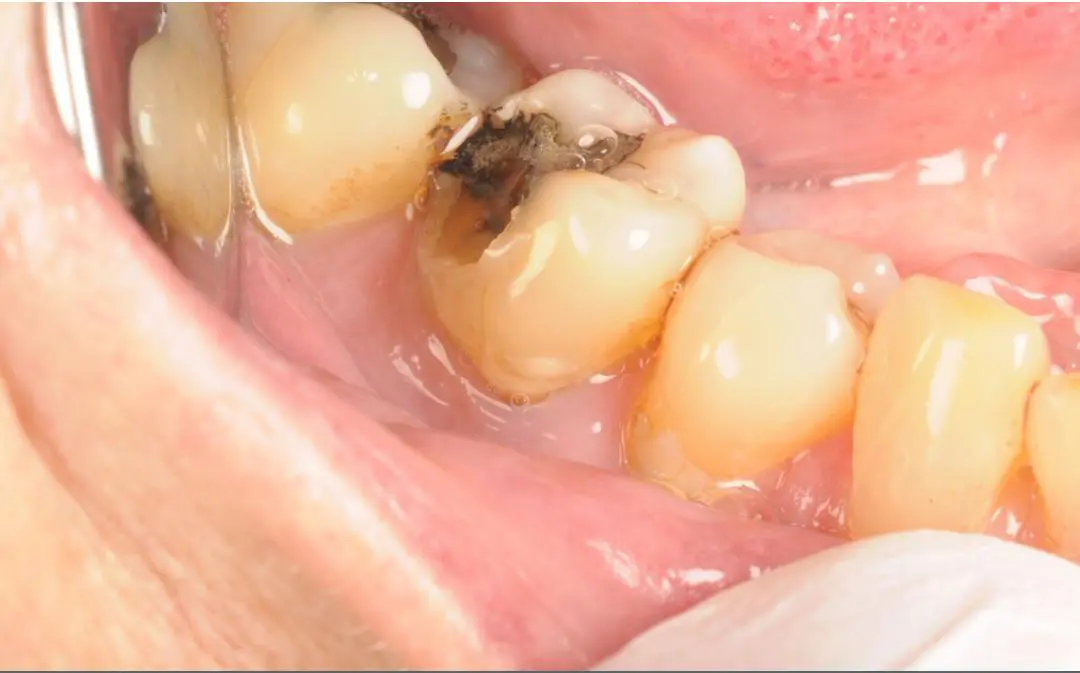
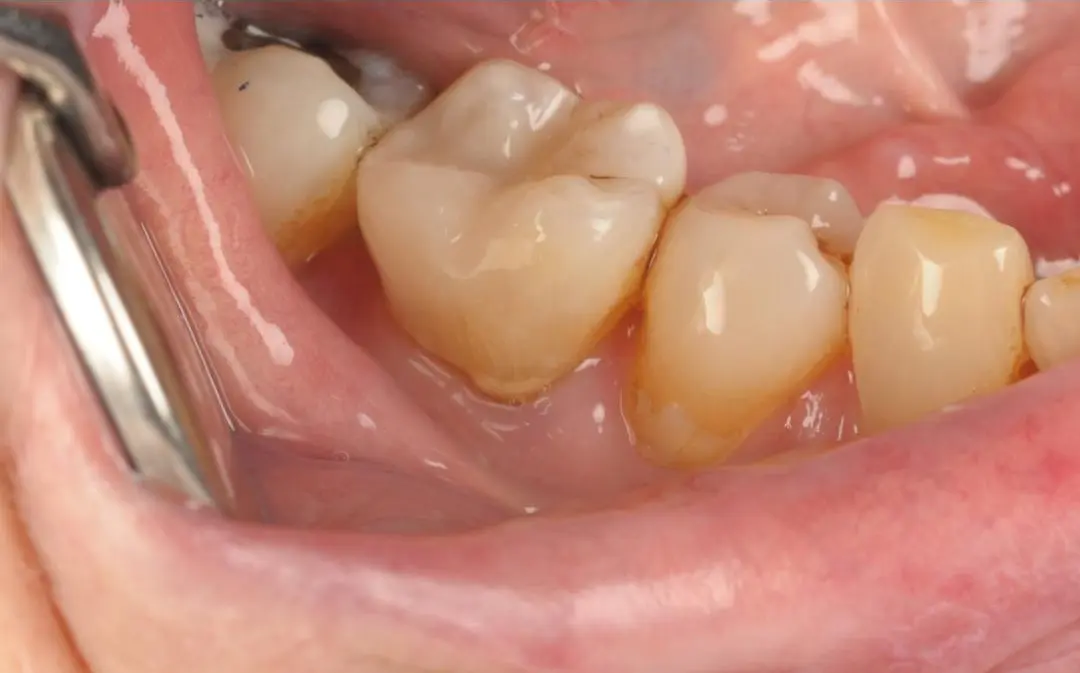
Real Patient Result: Emergency White Filling
Treatment by Dr Kamran
- Rinse the mouth with lukewarm water
- Apply a cold compress to the outside of the face if there is swelling
- Avoid eating on the affected side
- Contact an emergency dental practice as soon as possible
For soft tissue injuries:
- Apply gentle pressure with a clean cloth to control bleeding
- If bleeding does not reduce or is significant, attend an urgent care or A&E facility
It is worth noting that players should avoid taking aspirin immediately after oral trauma, as this may increase bleeding.
When Professional Dental Assessment May Be Needed
Not every sports-related dental incident requires a same-day emergency appointment, but several signs suggest prompt professional evaluation is advisable:
- A tooth has been knocked out or displaced
- There is visible cracking or significant chipping
- Pain is persistent, throbbing, or worsening
- There is swelling to the face, jaw, or gums
- Difficulty opening or closing the mouth
- Numbness or unusual sensation in the jaw, teeth, or lips
- Bleeding from the gums that does not settle within 20 minutes
Even injuries that initially appear minor — such as a tooth that feels slightly loose or a small chip — should be assessed by a dentist, as internal structural damage is not always visible from the surface. If you are in London and have sustained an injury during sport, emergency dental appointments are available to help evaluate your situation promptly.
Dental symptoms and treatment options should always be assessed individually during a clinical examination.
The Role of Mouthguards in Preventing Contact Sports Dental Trauma
Prevention remains the most effective strategy for managing contact sports dental trauma. A well-fitted mouthguard is widely regarded by dental professionals and sports governing bodies — including the Rugby Football Union (RFU) — as an essential piece of protective equipment.
Custom-fitted mouthguards, made from impressions of an individual's teeth by a dental professional, offer superior protection compared to over-the-counter variants. They are designed to absorb and distribute impact forces, reducing the risk of tooth fractures, avulsions, and soft tissue injuries.
Key advantages of a custom mouthguard include:
- Better fit and retention during play
- Less interference with breathing and speaking
- Greater durability over multiple seasons
- Appropriate thickness in areas of highest impact
Players of all levels — from grassroots club rugby to competitive five-a-side football — are encouraged to discuss custom sports mouthguard options with their dental practice before each season begins.
Replacing a mouthguard regularly, particularly following any significant impact, ensures continued protection.
Key Points to Remember
- Contact sports dental trauma is common in rugby and football at all levels of play
- Quick, calm action after an injury — particularly with an avulsed tooth — may help preserve treatment options
- A knocked-out tooth should be kept moist and emergency dental care sought within 30 to 60 minutes
- Not all injuries are visibly obvious; internal damage to the root or pulp requires professional assessment
- Custom-fitted mouthguards offer a high level of protection for contact sports players
- Early dental evaluation is advisable for any persistent pain, swelling, or mobility of teeth following trauma
Frequently Asked Questions
Can a knocked-out adult tooth be saved?
In some cases, yes — but time is a critical factor. If the avulsed tooth is kept moist and a dentist is seen within 30 to 60 minutes, there may be a possibility of replantation. However, outcomes depend on a number of factors, including the condition of the tooth's root and the degree of damage to surrounding structures. This can only be properly assessed during a clinical examination. Immediate professional attention is always advisable following tooth avulsion.
Is a cracked tooth always painful?
Not necessarily. Some cracks in teeth can be present without causing noticeable discomfort, particularly if the fracture has not yet reached the inner pulp. However, a cracked tooth may still be vulnerable to further damage, infection, or sensitivity — especially when exposed to temperature changes or biting pressure. Even a crack that appears minor warrants a dental assessment to determine whether any treatment or protective measures are appropriate.
How long does it take to recover from dental trauma?
Recovery varies considerably depending on the type and severity of the injury. A minor enamel chip may require only a single appointment to smooth or restore, whilst an avulsed or severely fractured tooth may involve several stages of treatment over weeks or months. A dentist will explain likely timescales following a thorough examination. It is important to attend any recommended follow-up appointments, as some complications — such as root changes — can develop gradually after the initial injury.
Do mouthguards completely prevent dental injuries?
Mouthguards significantly reduce the risk and severity of dental injuries in contact sports, but they cannot guarantee complete prevention. Custom-fitted mouthguards provide a high level of protection and are widely recommended by dental professionals and sports authorities. However, they should be considered part of a broader approach to player safety that includes appropriate protective headgear, adherence to rules of play, and regular dental check-ups throughout a sporting season.
What should I do if my tooth feels loose after a rugby match?
A tooth that feels loose following contact should be assessed by a dentist as soon as possible, even if there is no significant pain. Tooth mobility after trauma can indicate damage to the supporting ligament or surrounding bone, and early evaluation helps determine the most appropriate course of management. In the meantime, avoid applying pressure to the tooth, eat soft foods on the opposite side of the mouth, and contact an emergency dental practice to arrange an appointment.
Are children who play football at greater risk of dental injuries?
Children and adolescents can be at heightened risk during contact or semi-contact sports, particularly because their permanent teeth may still be developing and their reflexes and protective instincts are still maturing. Parents and coaches are encouraged to ensure young players wear appropriate mouthguards during training and matches. Following any dental injury in a child, professional assessment is particularly important to evaluate potential impact on developing teeth and surrounding structures.
Conclusion
Contact sports dental trauma is a genuine occupational hazard for rugby and football players across London and the wider United Kingdom. From chipped enamel to fully avulsed teeth, the range of potential injuries is wide — and the importance of knowing what to do in the immediate aftermath cannot be overstated.
Understanding which injuries require urgent attention, taking appropriate first aid measures, and attending a dental practice promptly can make a meaningful difference to the options available. At the same time, prevention through the consistent use of a custom-fitted mouthguard remains the most practical step any player can take to protect their dental health season after season.
If you have experienced contact sports dental trauma or would like advice about protective dental equipment, seeking a professional assessment is always the most appropriate next step.
Dental symptoms and treatment options should always be assessed individually during a clinical examination.
Disclaimer: This article is intended for general educational purposes only and does not constitute personalised dental advice. Individual diagnosis and treatment recommendations require a clinical examination by a qualified dental professional.
Next Review Due: 23 November 2027