
Many people in London experience ongoing dental discomfort but often delay seeking professional care, hoping the issue will resolve naturally. Persistent dental discomfort affects millions of adults and can significantly impact daily activities such as eating, sleeping, and concentration. Understanding when dental symptoms require professional assessment helps patients make informed decisions about their oral health.
At Emergency Dentist London, with clinics in South Kensington (SW7) and the City of London, patients can access same-day appointments from £30 for an initial assessment of persistent dental discomfort — treatment costs are additional and will be discussed following examination.
This article provides clinical guidance on recognising persistent dental discomfort, understanding its potential causes, and knowing when professional dental evaluation may be appropriate. Dental discomfort can manifest in various ways, from mild sensitivity to more pronounced pain, and each type may indicate different underlying conditions. The timing and nature of symptoms often provide important clues about the oral health issue involved.
Experiencing these symptoms?
Delaying treatment can lead to tooth loss. We have slots available today.
Early recognition of dental problems through prompt professional assessment can help address issues before they develop into more complex conditions. Many dental concerns respond well to early intervention, making timely evaluation an important aspect of maintaining oral health. Understanding the signs that warrant professional attention empowers patients to seek appropriate care when needed.
When Should You Seek Prompt Dental Care for Persistent Discomfort?
Seek prompt dental care for persistent discomfort lasting more than 48 hours, especially when accompanied by swelling, temperature sensitivity, or pain that interferes with daily activities, as these symptoms may indicate underlying dental conditions requiring professional assessment.
Understanding Dental Discomfort and Its Causes
Dental discomfort encompasses a range of sensations from mild sensitivity to more intense pain. Common causes include tooth decay, gum inflammation, dental trauma, or issues with existing dental work. Temperature-related sensitivity often indicates enamel wear or exposed tooth roots, whilst throbbing pain may suggest deeper tooth involvement.
Meet Dr. Yasha Shirazi
Principal Dentist at Emergency Dentist London
"We treat hundreds of dental emergencies every month. The sooner you come in, the easier the fix usually is."
Book an appointment with our team →The location and timing of discomfort provide valuable diagnostic information. Pain that worsens when lying down or occurs spontaneously during the night often differs from discomfort triggered only by specific foods or temperatures. Understanding these patterns helps dental professionals identify the most likely causes and appropriate treatment approaches.
Dental infections can cause progressive symptoms that worsen without treatment. Early signs may include mild discomfort that gradually intensifies, sometimes accompanied by localised swelling or changes in taste. The bacterial involvement in dental infections typically requires professional intervention to resolve effectively.
The Science Behind Dental Pain Signals
Dental pain originates from the pulp tissue inside teeth, which contains nerves and blood vessels. When this tissue becomes irritated through decay, trauma, or infection, it sends pain signals through the trigeminal nerve system. The pulp cannot repair itself like other body tissues, making professional intervention often necessary.
Enamel, the tooth's outer layer, lacks nerve endings but protects the underlying dentine, which contains microscopic tubules connecting to the pulp. When enamel becomes compromised, stimuli can reach these tubules, creating sensitivity or pain. This process explains why temperature changes, sweet foods, or pressure can trigger discomfort in affected teeth.
Gum tissues also contain extensive nerve networks that respond to inflammation or infection. Periodontal problems can cause referred pain that feels like it originates from teeth when the issue actually involves the surrounding tissues. This complex nerve arrangement demonstrates why accurate diagnosis requires professional clinical assessment.
Recognising Symptoms That May Require Professional Assessment
Several symptoms suggest that dental discomfort warrants professional evaluation. Persistent pain lasting more than 48 hours, especially when it interferes with sleep or eating, often indicates conditions that benefit from clinical assessment. Swelling around teeth or gums, particularly when accompanied by a bad taste or fever, may suggest infection.
Temperature sensitivity that develops suddenly or worsens progressively can indicate advancing tooth decay or failing dental work. Pain when biting down might suggest a cracked tooth or problems with existing fillings or crowns. These mechanical symptoms often require clinical examination to identify the precise cause.
Changes in gum appearance, such as redness, swelling, or bleeding during routine oral hygiene, may indicate inflammatory conditions. Persistent bad breath or taste changes, especially when accompanied by discomfort, can also signal underlying dental issues that benefit from professional evaluation.
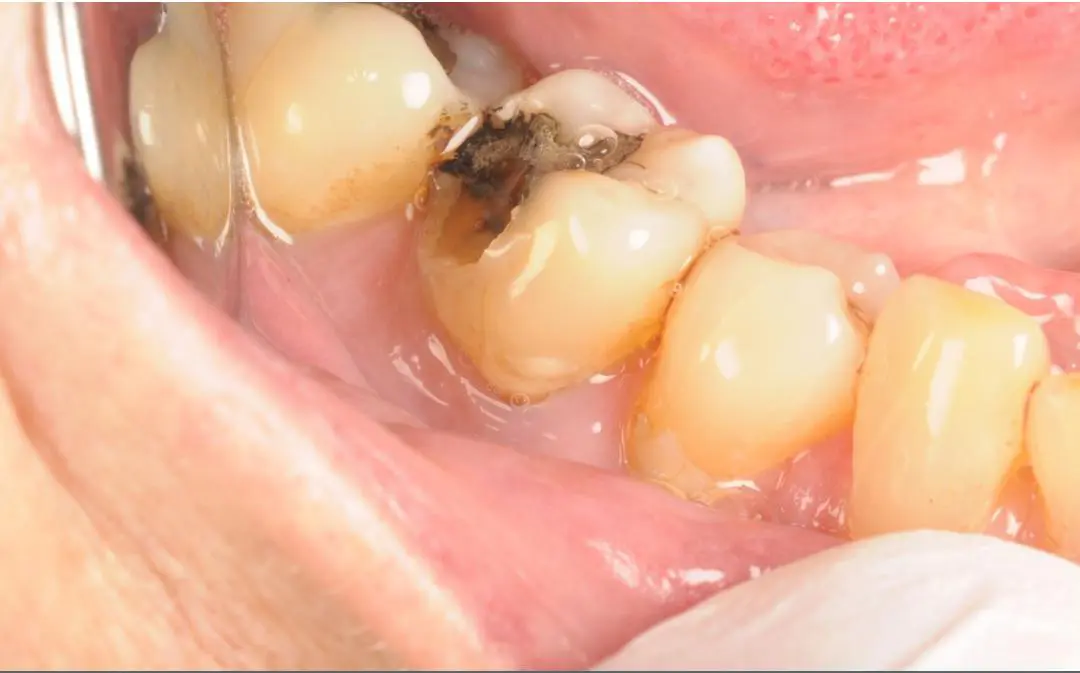
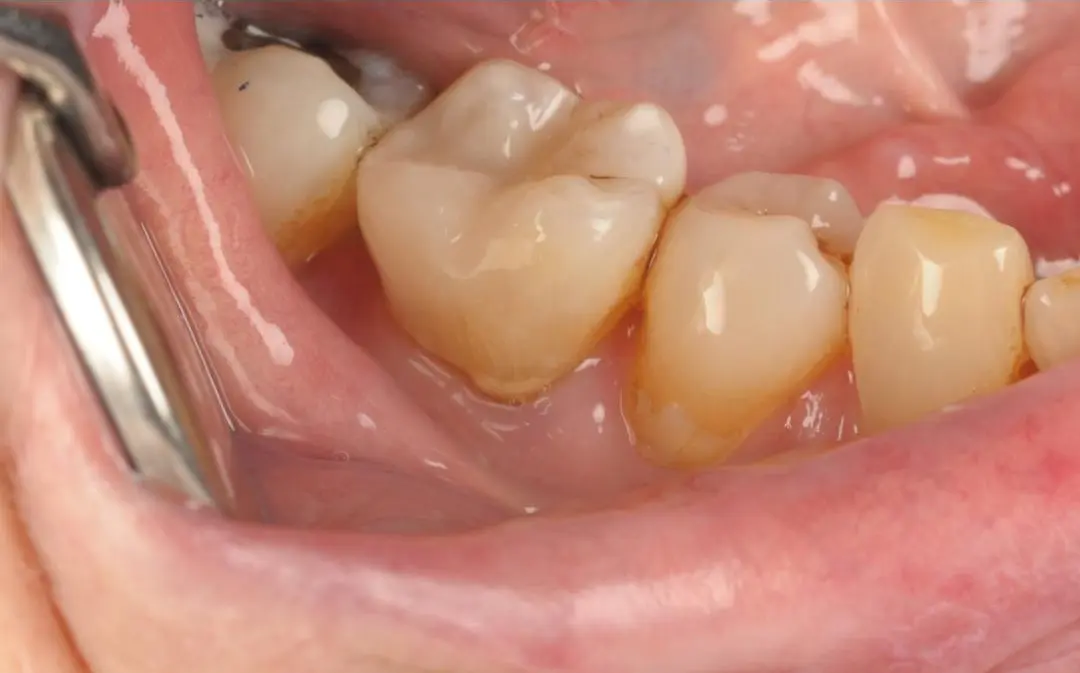
Real Patient Result: Emergency White Filling
Treatment by Dr Kamran
Treatment Approaches for Dental Discomfort
Modern dentistry offers various approaches to address dental discomfort, depending on the underlying cause. Simple cases involving mild sensitivity might respond to specialised toothpastes or fluoride applications, whilst more complex issues may require restorative procedures or endodontic treatment.
For decay-related discomfort, treatment typically involves removing the affected tissue and restoring the tooth with appropriate materials. The specific approach depends on the extent of damage and the tooth's location. Early intervention often allows for more conservative treatment options.
Gum-related discomfort usually responds to professional cleaning combined with improved home oral hygiene. More advanced periodontal conditions may require specialized treatments. The key principle in all cases remains addressing the underlying cause rather than merely managing symptoms, which is why professional diagnosis proves essential.
Maintaining Oral Health to Prevent Discomfort
Effective oral hygiene forms the foundation of preventing dental discomfort. Regular brushing with fluoride toothpaste, daily flossing, and using antimicrobial mouthwash help control bacterial accumulation that leads to decay and gum problems. Proper technique in these practices maximises their protective benefits.
Dietary choices significantly influence oral health outcomes. Limiting frequent sugar exposure, choosing tooth-friendly snacks, and drinking water throughout the day help maintain a healthy oral environment. Acidic beverages should be consumed in moderation and followed by water rinsing to neutralise pH levels.
Regular dental examinations allow for early detection of problems before they cause discomfort. Professional cleanings remove bacterial deposits that home care cannot eliminate completely. Many dental issues develop gradually and may be addressed more conservatively when identified early through routine monitoring.
Key Points to Remember
• Persistent dental discomfort lasting more than 48 hours often warrants professional evaluation
• Temperature sensitivity and spontaneous pain may indicate advancing dental conditions
• Early professional assessment can lead to more conservative treatment options
• Swelling, fever, or bad taste alongside discomfort may suggest infection requiring prompt attention
• Effective home oral hygiene and regular dental visits help prevent many causes of dental discomfort
• Understanding pain patterns helps dental professionals identify appropriate treatment approaches
Frequently Asked Questions
How long should I wait before seeking dental care for tooth pain?
Generally, persistent pain lasting more than 48 hours, especially if it interferes with daily activities, suggests professional assessment may be beneficial. However, severe pain, swelling, or fever warrant more immediate attention. The intensity and nature of symptoms, rather than duration alone, often guide the urgency of dental evaluation.
Can dental pain resolve without treatment?
Whilst mild sensitivity may improve with appropriate home care, more significant dental pain rarely resolves permanently without addressing its underlying cause. Temporary improvement doesn't necessarily mean the problem has resolved, as bacterial infections and structural damage typically require professional intervention to prevent progression.
What can I do to manage dental discomfort before seeing a dentist?
Over-the-counter pain relief medications, used according to package directions, may provide temporary comfort. Avoiding extreme temperatures, chewing on the unaffected side, and maintaining gentle oral hygiene can help. However, these measures address symptoms rather than underlying causes, making professional evaluation important for persistent issues.
Are there warning signs that indicate urgent dental care is needed?
Facial swelling, fever, severe pain that prevents sleep or eating, or signs of spreading infection such as swollen lymph nodes may indicate conditions requiring prompt professional attention. These symptoms can suggest bacterial infections that benefit from timely clinical assessment and appropriate management.
How can I prevent dental pain from occurring?
Regular oral hygiene including proper brushing and flossing, limiting sugary and acidic foods, using fluoride toothpaste, and attending routine dental examinations help prevent many conditions that cause dental discomfort. Wearing protective mouthguards during sports and avoiding habits like ice chewing also reduce injury risk.
What should I expect during a dental examination for pain?
A comprehensive examination typically includes reviewing your symptoms, visual inspection of teeth and gums, gentle testing for sensitivity or mobility, and possibly dental radiographs to assess internal structures. The dentist will explain findings and discuss appropriate treatment options based on the clinical assessment.
Conclusion
Understanding when dental discomfort requires professional attention helps patients make informed decisions about their oral health care. Persistent symptoms, particularly those lasting more than 48 hours or accompanied by swelling and temperature sensitivity, often benefit from clinical evaluation. Early professional assessment can identify underlying causes and enable appropriate treatment before conditions progress.
The complex nature of dental pain, involving various tissues and nerve pathways, demonstrates why accurate diagnosis requires clinical examination. Modern dental treatments offer effective solutions for most causes of dental discomfort, with better outcomes typically achieved through early intervention.
Maintaining excellent oral hygiene and attending regular dental examinations remain the most effective strategies for preventing dental discomfort. When symptoms do occur, seeking timely professional guidance ensures appropriate care and helps maintain long-term oral health. Dental symptoms and treatment options should always be assessed individually during a clinical examination.
Medical Disclaimer
This article is for educational purposes only and does not constitute dental advice, diagnosis, or treatment. Dental symptoms and treatment options vary between patients and should be assessed by a qualified dental professional during a clinical examination. Do not delay seeking professional care based on information in this article.