
Clinical Awareness: Recognising Systemic Indicators of Spreading Dental Infection
Many people experience dental discomfort and wonder whether their symptoms are something to be concerned about or simply a passing issue. When a toothache, swelling, or sensitivity lingers or begins to feel more intense, it is entirely natural to search online for guidance. One of the most important, and sometimes overlooked, aspects of oral health is understanding when a dental infection may be doing more than causing localised discomfort — and when it might be producing systemic indicators of spreading infection that warrant professional attention.
Dental infections can originate from a variety of sources — a decayed tooth, a cracked filling, or gum disease — and in most cases, they remain localised and manageable with timely dental treatment. However, in some circumstances, infection can spread beyond the immediate area, triggering responses throughout the body that signal the need for prompt clinical assessment.
This article aims to educate patients on what systemic signs may look like, why they occur, how the infection process works, and when seeking professional dental evaluation is appropriate. Understanding these indicators can support informed, timely decision-making about your oral health.
Experiencing these symptoms?
Delaying treatment can lead to tooth loss. We have slots available today.
What Are Systemic Indicators of a Spreading Dental Infection?
Systemic indicators of a spreading dental infection include fever, general malaise, difficulty swallowing, swelling that extends beyond the jaw, swollen lymph nodes, and fatigue. These signs suggest that the infection may be affecting areas beyond the tooth itself. Anyone experiencing these symptoms alongside dental pain should seek professional dental or medical assessment promptly.
Understanding How Dental Infections Begin
Dental infections typically originate in one of two ways: within the tooth itself (periapical infection) or in the surrounding gum tissue (periodontal infection). A periapical abscess forms when bacteria enter the pulp — the soft tissue at the centre of the tooth — usually through deep decay, a crack, or a damaged restoration. Once bacteria colonise the pulp, they can spread through the tooth's root canals into the surrounding bone and soft tissue.
Periodontal infections develop in the space between the tooth and the gum, often in patients with untreated gum disease. As the infection progresses, it can work its way deeper into the supporting structures around the tooth.
Meet Dr. Yasha Shirazi
Principal Dentist at Emergency Dentist London
"We treat hundreds of dental emergencies every month. The sooner you come in, the easier the fix usually is."
Book an appointment with our team →In both cases, the body's immune response is triggered. White blood cells rush to the site, pus accumulates, and localised swelling and pain occur. In most situations, this infection remains contained. However, when host defences are overwhelmed or treatment is delayed, bacteria can begin to spread along the tissue planes of the face and neck — a process that can produce both localised and systemic signs.
Understanding how infections begin is an important first step in appreciating why early assessment matters. If you are concerned about dental pain or swelling, a dental professional can help evaluate the source and extent of any infection.
Patients who want a broader overview can also read this guide on what a dental abscess is and how symptoms can progress.
Localised Versus Systemic Signs: Knowing the Difference
Not every dental infection will produce systemic effects. Many patients experience only localised symptoms — a sore, swollen area near the affected tooth, sensitivity to pressure, or a bad taste in the mouth from a draining abscess. These signs, while requiring dental attention, generally indicate that the infection is contained.
Systemic signs are different. They suggest that the infection may have moved beyond the initial site and is beginning to affect the body more broadly. Recognising this distinction is important for patients assessing their own symptoms.
Localised signs may include:
- Toothache or throbbing pain around a specific tooth
- Sensitivity to hot, cold, or biting pressure
- Swelling of the gum near one tooth
- A small pimple-like bump (dental sinus tract) on the gum
- Unpleasant taste due to pus drainage
Systemic indicators to be aware of may include:
- A raised body temperature or fever
- Facial swelling that seems to be expanding or shifting downward
- Swollen, tender lymph nodes in the neck or under the jaw
- Difficulty opening the mouth (trismus)
- Difficulty or pain when swallowing
- A general feeling of illness, tiredness, or malaise
- Breathing that feels slightly restricted
The presence of one or more systemic signs does not automatically mean a severe outcome, but it does indicate that a professional clinical assessment should be sought without delay.
If you are unsure whether your symptoms may be escalating, this article on warning signs of infection spread may be helpful alongside professional advice.
The Clinical Science Behind Infection Spreading
To understand why dental infections sometimes spread, it helps to have a basic understanding of the anatomy of the jaw and surrounding tissues. The face, jaw, and neck contain a complex series of fascial spaces — potential compartments between layers of tissue where infection can travel. These spaces are connected, meaning that an infection originating in a lower back tooth, for example, can potentially spread to areas far from its origin.
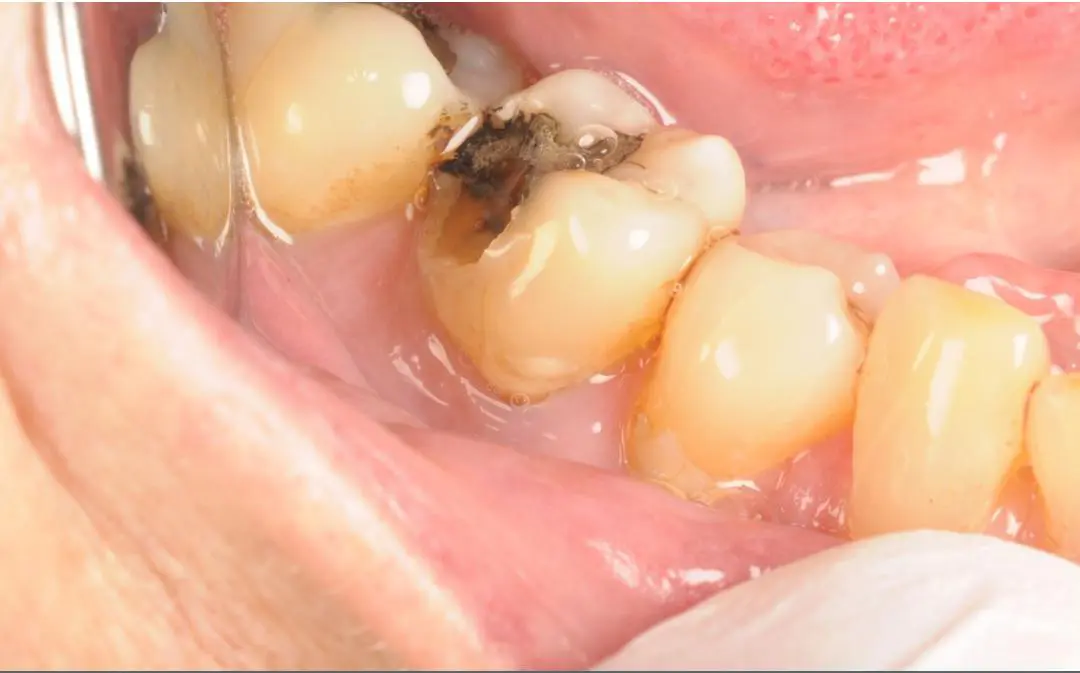
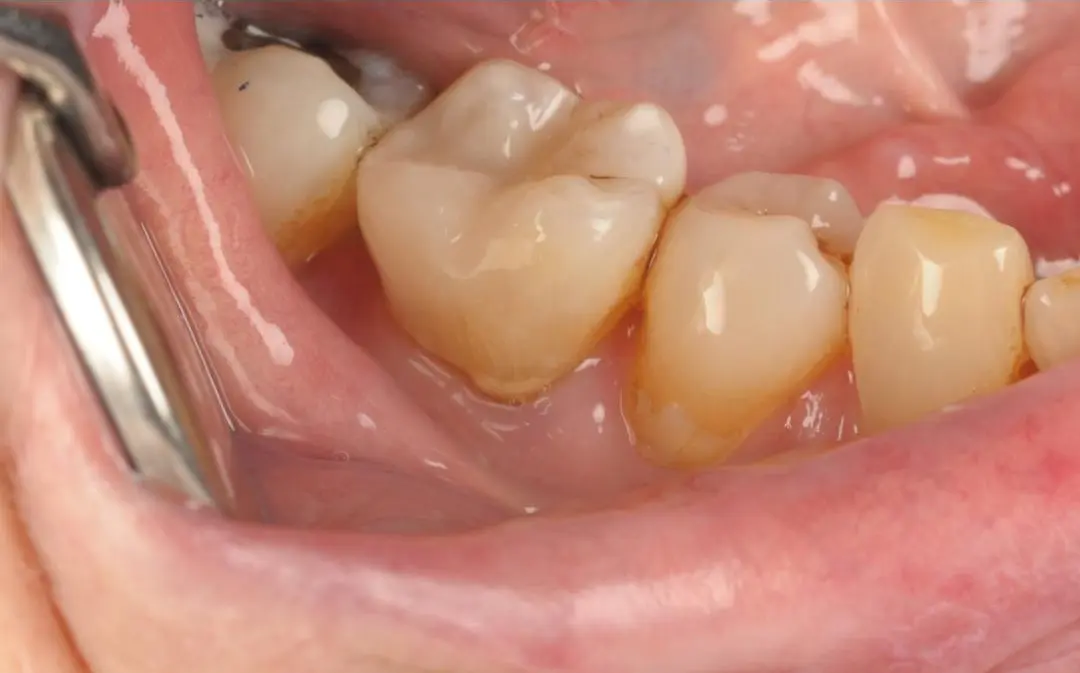
Real Patient Result: Emergency White Filling
Treatment by Dr Kamran
When bacteria enter these fascial spaces, they can cause cellulitis — a diffuse, spreading infection of the soft tissues — or Ludwig's angina, a rare but serious infection of the floor of the mouth. The mediastinum (the cavity in the chest between the lungs) can, in very rare circumstances, also be affected if infection tracks down the neck.
The body responds to spreading infection with an inflammatory cascade. The release of cytokines and other inflammatory mediators triggers a fever as the body attempts to kill bacteria by raising its temperature. The lymph nodes filter bacteria and immune cells, which is why they become swollen and tender. A general sense of fatigue and malaise reflects the systemic energy demand of fighting infection.
This is also why systemic indicators of spreading infection are taken seriously in clinical practice — they signal that the infection is no longer simply a local dental problem, but a condition with broader physiological implications.
When Professional Dental Assessment May Be Needed
Patients often wonder when home management of dental pain is appropriate and when they should see a professional. While mild, intermittent toothache may resolve or wait for a routine appointment, certain symptoms should prompt earlier evaluation.
Consider seeking professional dental assessment if you notice:
- Swelling that is growing larger, harder, or moving towards the throat or eye
- Fever or chills alongside dental pain
- Pain when swallowing or a sensation that your throat is narrowing
- Difficulty opening your mouth fully
- Feeling generally unwell alongside ongoing dental pain
- Swollen or tender glands in the neck or under the jaw
- Pain not responding to over-the-counter pain relief
It is important to approach these symptoms calmly. The majority of dental infections are successfully managed with dental treatment, including drainage of the abscess and appropriate antibiotic therapy when indicated. However, a clinical examination is essential to determine the nature and extent of any infection.
If you are in London and are experiencing symptoms that concern you, same-day emergency dental appointments may be available and can provide timely clinical assessment. Appointment availability is subject to clinical demand. A full treatment plan with associated costs will be provided following your consultation.
The following video offers helpful context on accessing emergency dental care in London:
Please note: Pricing referenced in the video above is indicative only. Actual costs will vary depending on your individual clinical needs. A full written treatment plan with costs will be provided at your consultation.
Risk Factors That May Influence Infection Spread
Whilst any untreated dental infection can potentially progress, certain factors may influence how quickly or significantly an infection spreads beyond its initial site.
Factors that may be relevant include:
- Delayed treatment — The longer a dental infection remains untreated, the greater the opportunity for spread.
- Compromised immune function — Individuals with conditions that affect immune response, such as uncontrolled diabetes, or those taking immunosuppressive medications, may be more susceptible to rapid infection progression.
- The tooth involved — Lower back teeth (particularly lower molars) are anatomically closer to fascial spaces connected to the throat and neck, which can be clinically significant in terms of infection pathways.
- Virulence of the bacteria — Certain bacterial strains are more aggressive than others.
- Previous incomplete treatment — A tooth that has had prior treatment without complete resolution may harbour persisting infection.
It is important to note that these are general educational points. Whether any of these factors apply to an individual's situation can only be assessed properly during a clinical examination. Assumptions should not be made without professional evaluation.
What a Dentist May Assess During an Examination
When a patient presents with signs of dental infection, a clinical dental assessment will typically include several elements designed to understand both the source and the extent of the problem.
A dentist may:
- Take a detailed history of symptoms, including onset, progression, and associated systemic signs
- Conduct a visual and tactile examination of the oral cavity, including the gums, teeth, and soft tissues
- Assess the degree of facial swelling and identify whether it appears localised or diffuse
- Palpate the lymph nodes of the neck and submandibular region
- Take dental X-rays to assess the periapical region around suspected teeth
- Assess mouth opening to check for trismus
- Ask about the patient's temperature, general wellbeing, and any difficulty swallowing or breathing
In cases where the infection appears significant or systemic signs are present, the dentist may liaise with or refer to a hospital dental unit or oral and maxillofacial surgery team to ensure appropriate care is provided. This is a standard part of professional clinical management and reflects patient-centred practice.
If you have concerns about an ongoing dental infection or abscess, seeking an assessment sooner rather than later allows for a thorough evaluation.
Prevention and Oral Health Advice
The most effective way to reduce the risk of dental infections developing or spreading is through consistent preventative care and early intervention when dental concerns arise.
Practical steps to support good oral health include:
- Attending regular dental check-ups — Routine examinations allow dentists to identify decay, gum disease, and other concerns before they develop into infections.
- Maintaining a thorough daily oral hygiene routine — Brushing twice daily with a fluoride toothpaste and cleaning between teeth with floss or interdental brushes helps to reduce bacterial load.
- Not ignoring dental pain or sensitivity — Mild symptoms can indicate early-stage problems that are far more straightforward to manage before they escalate.
- Seeking timely treatment for decay or damaged teeth — Untreated decay is one of the most common pathways to dental infection. Addressing it early avoids the need for more complex treatment later.
- Staying well-hydrated and avoiding excessive sugar — A balanced diet and adequate hydration support both general and oral health.
- Being aware of your medical history — Patients with conditions that may affect immune function should inform their dentist, as this context is relevant to their dental care planning.
Prevention is always preferable to treatment. Building a relationship with a trusted dental professional and attending regularly is one of the most effective ways to protect long-term oral health.
Key Points to Remember
- Systemic indicators of spreading infection include fever, expanding facial swelling, difficulty swallowing, swollen lymph nodes, and general malaise.
- Dental infections can spread along facial and neck tissue planes if left untreated, though severe outcomes are uncommon with timely care.
- Not all dental infections produce systemic signs; many remain localised and are managed effectively with routine dental treatment.
- Certain factors, including delayed treatment and compromised immunity, may influence how an infection behaves.
- Early professional assessment is important — a dentist can determine the extent of infection and advise on appropriate management.
- Consistent oral hygiene and regular dental check-ups are the most effective preventative strategies.
Frequently Asked Questions
Can a dental infection really affect the whole body?
In some circumstances, a dental infection can produce systemic effects, particularly if left untreated or if it begins to spread beyond the original site. The body's immune response to spreading bacteria can cause fever, swollen lymph nodes, and general malaise. These signs indicate that the infection is no longer purely localised. Whilst severe systemic complications are uncommon, their possibility underscores the importance of seeking professional dental assessment promptly when symptoms are present or progressing. Individual circumstances always vary.
How do I know if my toothache is becoming something more serious?
If your dental pain is accompanied by fever, swelling that appears to be growing, difficulty swallowing or opening your mouth, or you feel generally unwell, these may be signs that the infection is spreading beyond the tooth. It is advisable to seek a professional dental assessment rather than waiting to see if the symptoms resolve on their own. A dentist can examine the area, take appropriate X-rays, and advise on the most suitable course of action for your individual situation.
Will antibiotics alone clear a dental infection?
Antibiotics may help to manage the systemic component of a dental infection, but they do not address the underlying source. A dental abscess, for example, requires drainage — which typically involves dental treatment such as root canal therapy, incision and drainage, or extraction — to fully resolve the problem. Antibiotics are often used as an adjunct to, not a replacement for, clinical dental treatment. Your dentist will advise on whether antibiotics are appropriate as part of an overall treatment plan following examination.
What is Ludwig's angina and should I be concerned?
Ludwig's angina is a rare but serious bilateral infection of the floor of the mouth that can develop from an untreated lower tooth infection. It is characterised by firm swelling under the chin and in the neck, difficulty swallowing, and potential airway compromise. It requires urgent medical and dental attention. Whilst it is uncommon, awareness of its signs is useful. If you experience rapidly spreading neck or floor-of-mouth swelling, seek urgent care. A dental or medical professional can assess your symptoms appropriately.
Can gum disease lead to spreading infection?
Severe or long-standing gum disease (periodontitis) can create pathways for bacteria to accumulate in deep periodontal pockets. In some cases, a periodontal abscess can develop and, if untreated, may cause localised spreading. Whilst gum disease-related infections are generally slower to develop than acute tooth abscesses, they should not be ignored. Regular dental examinations allow gum health to be monitored and treated before infections develop. Patients who notice gum swelling, bleeding, or pain should arrange a dental assessment.
How quickly can a dental infection spread?
The rate at which a dental infection spreads varies considerably between individuals and depends on factors including the type of bacteria involved, the anatomy of the affected area, and the individual's immune response. Some infections remain localised and stable for extended periods, whilst others can progress more rapidly. There is no universal timeline, which is why monitoring symptoms and seeking professional evaluation promptly — particularly when symptoms change or worsen — is considered best practice. A clinical examination provides the most accurate picture of an individual's situation.
Conclusion
Understanding the systemic indicators of spreading dental infection is an important part of patient health literacy. Whilst the vast majority of dental infections are localised and respond well to timely dental treatment, recognising when symptoms may suggest a broader picture empowers patients to seek care at the right time.
From the way infections begin within the tooth or surrounding tissue, to the body's systemic response when bacteria begin to spread, this article has aimed to provide a clear, calm, and clinically responsible overview. The key message remains consistent: dental symptoms should be taken seriously, monitored carefully, and assessed by a professional when they change, persist, or are accompanied by signs of systemic involvement.
Maintaining good oral hygiene, attending regular dental check-ups, and acting promptly when dental concerns arise remain the most effective and straightforward approaches to protecting long-term oral health.
Dental symptoms and treatment options should always be assessed individually during a clinical examination.
If you are in London and have concerns about a dental infection or are experiencing any of the symptoms described in this article, speaking with a qualified dental professional is always the recommended course of action.
Disclaimer
This article is for educational and informational purposes only and is not a diagnosis or treatment recommendation.
Dental symptoms and treatment suitability vary by individual and require a face-to-face clinical examination by a qualified dental professional.
Any references to fees or treatment timelines are indicative only; final recommendations and costs are confirmed after assessment.
This content follows General Dental Council (GDC) communication standards, Care Quality Commission (CQC) patient safety principles, and ASA CAP Code healthcare advertising guidance.
If you have symptoms, seek prompt professional dental assessment.