
Many people notice that toothache or dental discomfort seems to worsen during particularly stressful periods or after a run of poor nights' sleep. If you have ever wondered whether there is a genuine connection between your mental and physical wellbeing and a dental abscess flare-up, you are not alone. This is one of the more common questions patients ask when searching for explanations for worsening oral symptoms.
A dental abscess is a pocket of infection that can develop around a tooth root or within the surrounding gum tissue. While the primary cause is bacterial infection, several factors may influence how the body responds to that infection — and stress and sleep quality are increasingly recognised among those factors.
This article explores what a dental abscess is, how the body's immune response plays a role, and why stress and disrupted sleep may contribute to symptom flare-ups. It also offers practical guidance on prevention and explains when a professional dental assessment may be appropriate.
Experiencing these symptoms?
Delaying treatment can lead to tooth loss. We have slots available today.
Can stress or poor sleep trigger a dental abscess flare-up?
Yes, stress and poor sleep can contribute to a dental abscess flare-up. Both factors are known to suppress immune function, which may reduce the body's ability to control existing oral infections. A dental abscess flare-up may become more noticeable or symptomatic during periods of elevated stress or consistently disrupted sleep, though dental assessment is always needed to confirm the cause.
What Is a Dental Abscess?
A dental abscess is a collection of pus caused by a bacterial infection. It can form in different locations within and around the teeth and gums. The two most common types are:
- Periapical abscess — develops at the tip of the tooth root, usually following untreated tooth decay or damage that allows bacteria to reach the dental pulp
- Periodontal abscess — forms within the gum tissue, often associated with gum disease
Symptoms can include a persistent, throbbing toothache, sensitivity to temperature, swelling of the face or jaw, and a bitter taste in the mouth caused by pus. In some cases, a small raised bump may be visible on the gum near the affected tooth.
Meet Dr. Yasha Shirazi
Principal Dentist at Emergency Dentist London
"We treat hundreds of dental emergencies every month. The sooner you come in, the easier the fix usually is."
Book an appointment with our team →It is important to understand that a dental abscess does not resolve on its own. Even if discomfort temporarily subsides, the underlying infection remains and requires professional treatment. If you are experiencing symptoms consistent with an abscess, you can learn more about professional dental abscess treatment available in London.
How Stress Affects Your Oral Health
The relationship between psychological stress and physical health is well established in medical research. When the body experiences stress, it produces elevated levels of cortisol — commonly referred to as the stress hormone. While cortisol serves an important short-term function, chronically elevated levels can significantly suppress immune function over time.
From a dental perspective, this matters because:
- A weakened immune system may be less effective at controlling bacterial populations in the mouth
- Chronic stress is associated with increased inflammation throughout the body, which may exacerbate existing infections
- Stress often leads to changes in behaviour — such as teeth grinding (bruxism), poorer oral hygiene routines, increased sugar consumption, and reduced dental attendance — all of which can worsen oral health
Research in the field of psychoneuroimmunology suggests that emotional and psychological states directly influence how effectively the body manages infection. For someone who already has an underlying dental abscess or a compromised tooth, stress may reduce the threshold at which symptoms become noticeable or more severe.
Teeth grinding associated with stress can also cause micro-fractures in teeth, creating pathways for bacteria to penetrate deeper structures — potentially contributing to new or worsening infections.
The Role of Poor Sleep in Dental Health
Sleep is not simply a period of rest — it is a time during which the body conducts essential repair and immune regulation processes. Consistently poor or insufficient sleep has been linked to reduced production of cytokines, which are proteins that play a central role in fighting infection and inflammation.
When sleep is disrupted over an extended period:
- The immune system becomes less responsive to bacterial threats
- Existing infections may become more difficult for the body to contain
- Inflammatory responses may be heightened, contributing to increased pain sensitivity
- Recovery from any dental procedure or infection may be prolonged
For individuals who have an existing or previously treated dental abscess, poor sleep may lower the body's tolerance to infection and increase the perception of pain — making a flare-up feel more acute even if the infection itself has not significantly progressed.
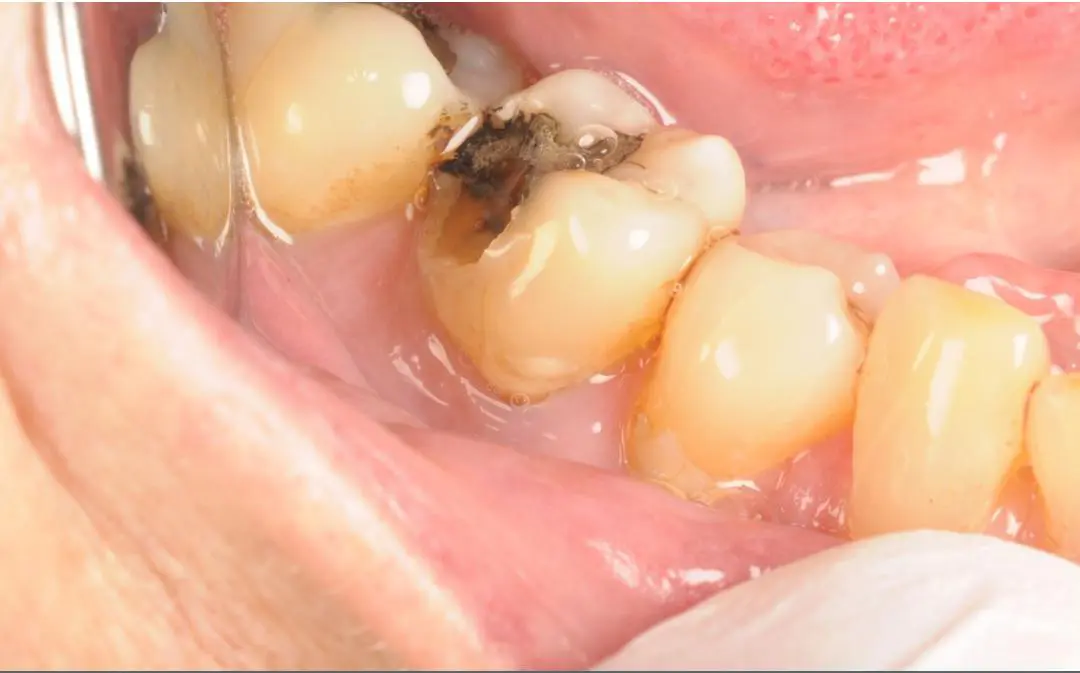
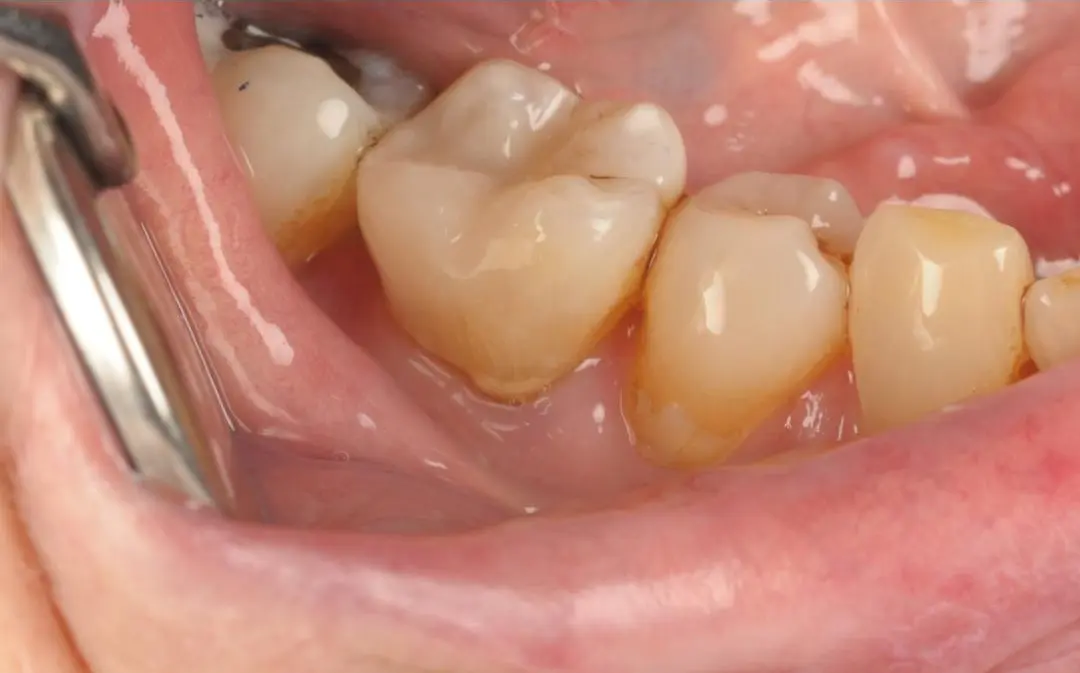
Real Patient Result: Emergency White Filling
Treatment by Dr Kamran
Additionally, many people experiencing sleep difficulties breathe through their mouths at night, which reduces saliva flow. Saliva plays a critical role in neutralising oral bacteria, so reduced salivary flow during sleep may create conditions in which bacterial activity increases.
Clinical Explanation: The Immune System and Oral Infection
Understanding how dental abscesses behave requires a brief look at the body's immune response. When bacteria breach the protective layers of a tooth or surrounding tissues, the immune system sends white blood cells to the site of infection. The resulting battle between immune cells and bacteria produces the pus characteristic of an abscess.
In a healthy individual with a well-functioning immune system, this response is relatively robust. However, when immune function is compromised — whether through stress, poor sleep, nutritional deficiency, or underlying health conditions — the immune system's ability to contain bacterial spread is reduced. Gum tissue can be affected in a similar way, and it is worth understanding the difference between gingivitis and a swollen gum emergency if you are also noticing gum symptoms.
This does not mean stress or sleep problems cause a dental abscess. The initiating cause is always bacterial infection, typically stemming from tooth decay, gum disease, or dental trauma. However, these systemic factors can influence the severity and frequency of flare-ups by altering how effectively the body manages the existing infection.
Prevention and Oral Health Advice
While it may not always be possible to eliminate stress entirely, there are practical steps that may help reduce the risk of dental abscess flare-ups and support overall oral health:
- Maintain a consistent oral hygiene routine — brushing twice daily with fluoride toothpaste and cleaning between teeth daily helps control bacterial levels in the mouth
- Attend regular dental check-ups — routine examinations allow early identification of decay, gum disease, or signs of infection before they escalate
- Address bruxism if present — if you grind your teeth during sleep, speak with a dentist about a custom-fitted night guard to protect your teeth
- Prioritise sleep hygiene — establishing a consistent sleep routine, limiting screen time before bed, and creating a comfortable sleep environment supports overall immune health
- Stay hydrated — adequate hydration supports healthy saliva production, which is a natural defence against oral bacteria
- Manage stress where possible — techniques such as mindfulness, regular physical activity, and speaking with a healthcare professional about stress management can support both general and oral health
Good preventative dental care from our dental team remains one of the most effective strategies for minimising the risk of abscess development and recurrence.
When Professional Dental Assessment May Be Needed
If you notice any of the following symptoms, it is advisable to seek a dental assessment promptly:
- Persistent or worsening toothache, particularly if it is throbbing in nature
- Swelling of the face, cheek, jaw, or neck
- Sensitivity to hot or cold temperatures that does not resolve
- A raised bump or blister on the gum near a tooth
- Fever or general feelings of being unwell alongside dental discomfort
- Difficulty swallowing or opening the mouth
It is important to emphasise that dental abscesses can progress if left untreated. Symptoms should not be managed with pain relief alone without also seeking professional dental advice. If you are in discomfort and require urgent attention, same-day emergency dental appointments may be available in London — you can get in touch with our team to arrange an assessment.
Key Points to Remember
- A dental abscess is caused by bacterial infection and requires professional dental treatment — it will not resolve without clinical intervention
- Stress and poor sleep can suppress immune function, which may contribute to dental abscess flare-ups or worsen existing symptoms
- Elevated cortisol from chronic stress and reduced immune regulation from sleep deprivation may lower the body's ability to control oral infections
- Behavioural changes associated with stress — such as teeth grinding and neglecting oral hygiene — can also increase risk
- Maintaining a consistent oral hygiene routine and attending regular dental check-ups are important preventative measures
- Symptoms such as swelling, persistent toothache, or fever alongside dental discomfort warrant prompt professional assessment
Frequently Asked Questions
Can stress alone cause a dental abscess?
Stress alone is unlikely to directly cause a dental abscess. An abscess develops due to bacterial infection, which typically originates from untreated tooth decay, gum disease, or dental trauma. However, chronic stress can compromise immune function and contribute to behaviours — such as poor oral hygiene or teeth grinding — that increase infection risk. Stress may also make existing symptoms feel more pronounced. A dental examination is always required to determine the cause of any oral discomfort.
How do I know if I have a dental abscess flare-up or a new infection?
It can be difficult to distinguish between a flare-up of an existing abscess and a new infection without a clinical examination. Both may produce similar symptoms, including throbbing pain, swelling, and sensitivity. If you have previously been treated for a dental abscess and notice similar symptoms returning, it is important to contact a dentist promptly rather than assuming the issue has resolved. Only a professional assessment, which may include dental X-rays, can determine the current state of the infection.
Is it safe to take painkillers and wait for a dental abscess to resolve?
Pain relief may help manage discomfort temporarily, but it does not treat the underlying infection. A dental abscess requires professional dental treatment — typically drainage of the abscess combined with antibiotics if appropriate, or root canal treatment in cases involving the tooth pulp. Waiting without treatment carries the risk of the infection spreading. If you are in pain, seek dental advice as soon as possible rather than relying solely on over-the-counter medication.
Does poor sleep make toothache feel worse?
There is evidence to suggest that sleep deprivation can increase pain sensitivity. Poor sleep affects the body's ability to regulate inflammatory responses and may lower the pain threshold, meaning existing dental discomfort may feel more intense during or after periods of disrupted sleep. This heightened perception of pain does not necessarily indicate that the infection has worsened, but it does highlight the importance of both addressing sleep quality and seeking dental assessment for any underlying dental issues.
Can a dental abscess go away on its own?
A dental abscess does not typically resolve without treatment. While the pain may temporarily decrease — for example, if the abscess ruptures and drains — the underlying infection remains. Without appropriate dental treatment, the infection can spread to surrounding teeth, bone, or other areas. This is why professional dental care is always recommended when abscess symptoms are present, regardless of whether discomfort appears to have eased.
What happens during treatment for a dental abscess?
Treatment for a dental abscess depends on its location and severity, and suitability is always determined following a clinical examination. Options may include drainage of the abscess, a course of antibiotics, root canal treatment to remove infected pulp tissue, or in some cases extraction of the affected tooth. The aim of treatment is to eliminate the source of infection and prevent recurrence. Your dentist will discuss the most appropriate course of action based on a thorough assessment of your individual situation.
Conclusion
The connection between stress, poor sleep, and a dental abscess flare-up is grounded in well-understood immune physiology. While neither stress nor sleep deprivation directly causes an abscess, both can impair the body's ability to manage bacterial infection effectively — potentially making existing dental conditions more symptomatic or more difficult to control.
Understanding this relationship encourages a more holistic approach to oral health — one that recognises the importance of both good dental hygiene and general wellbeing. Maintaining consistent oral care routines, attending regular dental appointments, and seeking prompt professional advice when symptoms arise remain the most reliable approaches to protecting your dental health.
If you are experiencing dental discomfort, swelling, or other symptoms that concern you, please seek a professional dental assessment rather than waiting to see whether symptoms improve on their own. Dental symptoms and treatment options should always be assessed individually during a clinical examination.
Disclaimer: This article is for general educational purposes only and does not constitute professional dental advice, diagnosis, or treatment. Every patient's circumstances are unique; dental symptoms and treatment options should always be assessed during a clinical examination by a qualified dental professional. No specific outcomes are guaranteed. This content has been prepared in line with GDC, CQC, ASA CAP Code, and GMC communication standards. If you have concerns about your oral health, please contact a registered dentist.
Next Review Due: 09 September 2027