
Waking up with sudden tooth pain, a lost filling, or a cracked tooth is an unsettling experience — particularly when you have a full working day ahead of you. For many Londoners, the first instinct is to wonder whether emergency dental treatment before work is even possible, or whether they simply have to endure the discomfort until the evening.
The good news is that emergency dental care in London is far more accessible than many people realise. A growing number of private dental clinics offer early morning and same-day appointments specifically to accommodate patients with busy professional schedules. Understanding what qualifies as a dental emergency, what treatment may be available at short notice, and how to prepare for a pre-work appointment can help you act quickly and calmly.
This article explains what emergency dental treatment involves, the types of situations that may warrant urgent care, and how to find appropriate support in London before your working day begins.
Experiencing these symptoms?
Delaying treatment can lead to tooth loss. We have slots available today.
Featured Snippet: Can You Get Emergency Dental Treatment Before Work in London?
Yes, emergency dental treatment before going to work in London is available. Many private emergency dental clinics offer early morning appointments, sometimes from 7:00 or 8:00 am, to treat urgent conditions such as severe toothache, broken teeth, lost fillings, or dental swelling. Treatment suitability always depends on a clinical assessment by a qualified dentist.
What Counts as a Dental Emergency?
Not every dental concern requires immediate same-day attention, but several situations are generally considered urgent and may warrant seeking emergency dental treatment before work in London.
Common dental emergencies include:
Meet Dr. Yasha Shirazi
Principal Dentist at Emergency Dentist London
"We treat hundreds of dental emergencies every month. The sooner you come in, the easier the fix usually is."
Book an appointment with our team →- Severe or persistent toothache that is not relieved by over-the-counter pain relief
- A broken, chipped, or cracked tooth, especially if sharp edges are causing discomfort
- A knocked-out or displaced tooth following an accident or trauma
- A lost filling or crown that is causing pain or sensitivity
- Dental abscess symptoms, such as facial swelling, a persistent bad taste, or throbbing pain
- Soft tissue injuries to the gums, lips, or tongue
If you are experiencing any of the above, it is advisable to contact a dental clinic as soon as possible rather than waiting to see whether the issue resolves on its own. Early intervention may, in many cases, allow for simpler, less involved treatment, though outcomes depend on individual clinical circumstances.
How Early Morning Emergency Dental Appointments Work
Many private dental clinics in London recognise that patients have professional and personal commitments that make daytime appointments difficult. As a result, a number of practices have extended their opening hours to include early morning slots.
When you contact a clinic for an emergency appointment, you will typically be asked to describe your symptoms so that the team can assess the urgency of your situation and allocate an appropriate amount of time. Arriving with a clear description of when the pain started, the nature of the discomfort, and any relevant dental history can help the dentist triage your needs efficiently.
For those based in central London or commuting into the city, it is worth checking whether the clinic is conveniently located near a transport hub. Many emergency dental practices are situated close to tube stations or mainline rail connections, making them accessible during the morning commute.
If you are searching for prompt support, you can explore same-day emergency dental appointments in London to understand what availability may look like and how to book quickly.
The Dental Science Behind Common Morning Emergencies
Understanding why dental pain can feel particularly intense in the morning may help you act more decisively when symptoms arise.
Toothache and infection: Tooth pain often worsens when you lie down, as blood flow to the head increases and places greater pressure on inflamed tissue. If an infection is developing within the tooth pulp — the innermost layer containing nerves and blood vessels — the resulting inflammation can cause significant throbbing pain. Without treatment, dental infections can progress and affect surrounding tissue.
Lost fillings and exposed dentine: When a filling falls out, the underlying dentine — the layer beneath the enamel — becomes exposed. Dentine contains microscopic tubules that connect to the nerve, which is why hot, cold, or even air contact can trigger sharp sensitivity. A temporary dental cement available from pharmacies may provide brief relief, but a clinical assessment is needed to restore the tooth properly.
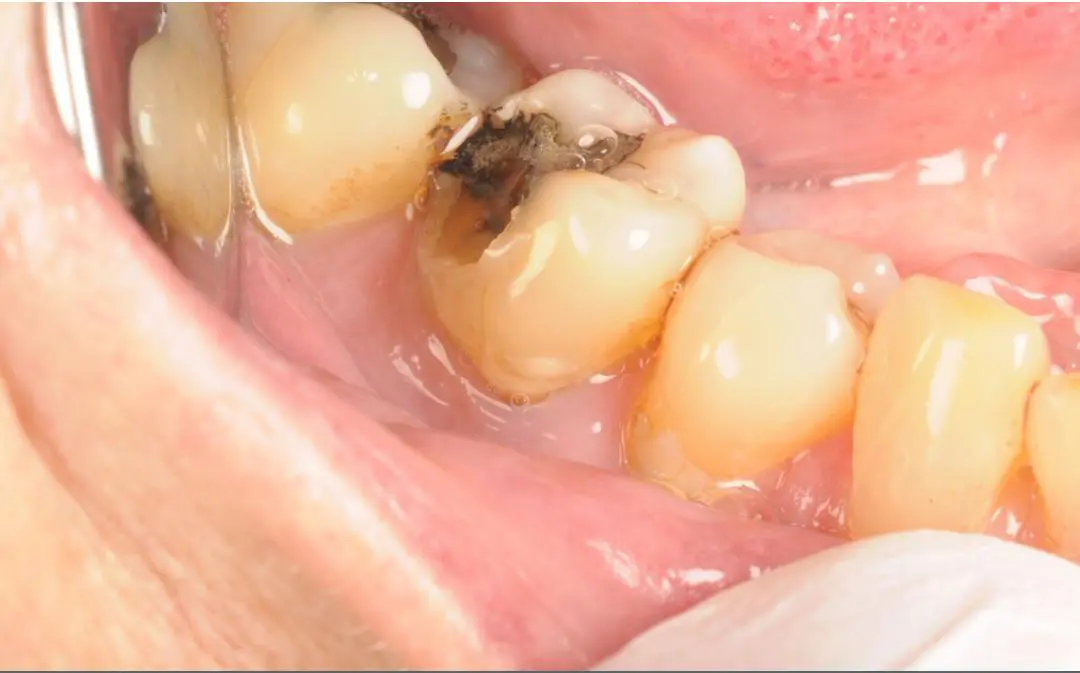
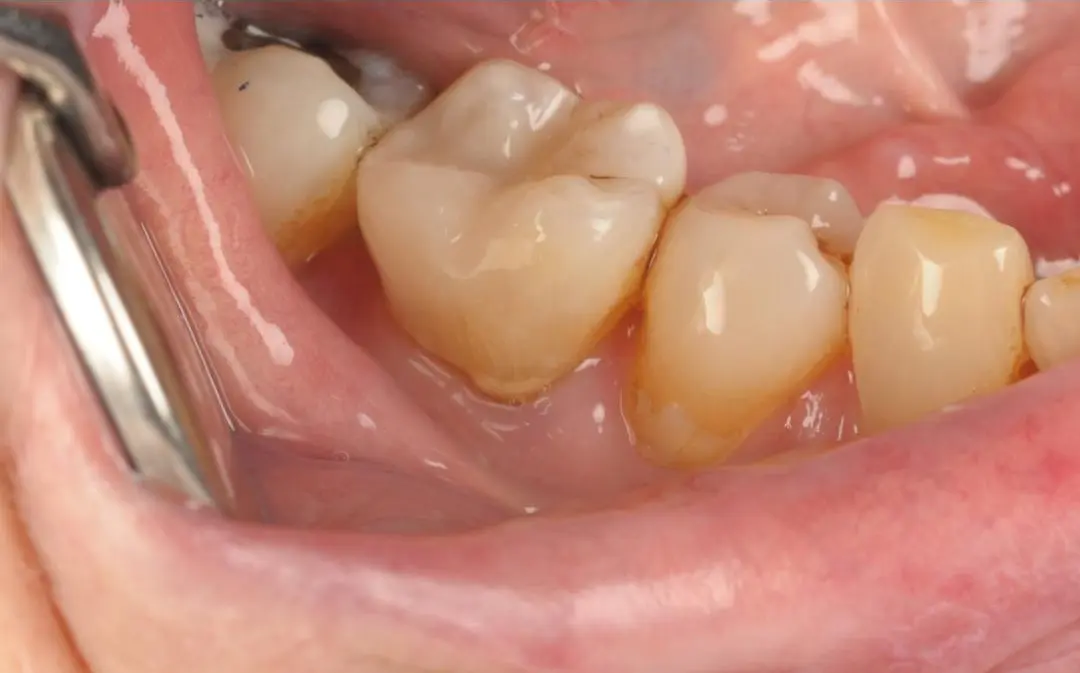
Real Patient Result: Emergency White Filling
Treatment by Dr Kamran
Cracked teeth: Cracks can extend through enamel into the deeper layers of the tooth, sometimes reaching the pulp. Pain that occurs specifically when biting down and then releasing is a common indicator of a cracked tooth. This requires professional evaluation to determine the extent of the damage and appropriate management.
When You Should Seek Professional Dental Assessment
There are certain symptoms that should not be left unaddressed, even if the discomfort feels manageable in the moment. Dental conditions can progress in ways that are not always immediately visible.
Consider contacting an emergency dentist if you notice:
- Swelling of the face, jaw, or gums — this may indicate an infection that requires prompt attention
- Pain that is worsening rather than remaining stable
- Difficulty swallowing or breathing alongside dental pain — seek medical attention immediately in such cases
- A tooth that feels loose without an obvious cause
- Persistent bleeding from the gums or mouth that does not resolve
A dentist will be able to carry out a thorough clinical examination, which may include digital X-rays, to assess the extent of any issue. It is important to note that no diagnosis can be made without a proper examination; the information in this article is intended for general educational guidance only.
For further information about the range of conditions treated urgently, you can read about common dental emergencies and their treatment.
What Emergency Treatment Might Involve
The nature of the treatment provided at an early morning emergency appointment will depend entirely on your clinical assessment. Common emergency dental procedures that may be carried out in a single visit include:
- Temporary or permanent filling replacement for a lost or damaged filling
- Dental bonding or stabilisation for a chipped or cracked tooth
- Pain relief and prescription medication for infection or severe discomfort
- Root canal treatment initiation when the tooth pulp is affected
- Tooth splinting following trauma
- Abscess drainage when localised infection is present
In some cases, the emergency appointment focuses on relieving immediate pain and stabilising the tooth, with follow-up treatment scheduled for a later date. The dentist will discuss all options with you during the appointment.
Preventing Dental Emergencies: Practical Oral Health Advice
Whilst not all dental emergencies are preventable, good daily oral health habits can significantly reduce your risk of developing conditions that may require urgent care.
Practical steps to support your dental health:
- Brush twice daily using fluoride toothpaste, ensuring you clean along the gumline
- Floss or use interdental brushes daily to remove plaque from between teeth
- Attend regular dental check-ups — routine examinations allow your dentist to identify and address small issues before they become emergencies
- Wear a mouthguard during contact sports to protect against trauma
- Avoid using teeth as tools to open packaging or bottles, which can cause cracks or chips
- Limit sugary and acidic foods and drinks, which weaken enamel over time
If you have a known dental condition such as bruxism (teeth grinding), speaking to your dentist about a custom-fitted night guard may help prevent tooth damage occurring overnight — which is a common trigger for morning dental pain. You can learn more about teeth grinding and protective dental solutions from a qualified dental professional.
Key Points to Remember
- Emergency dental treatment before work in London is available at many private clinics offering early morning appointments
- Severe toothache, broken teeth, lost fillings, dental swelling, and abscesses are all situations that may warrant urgent care
- Dental pain often intensifies overnight due to changes in blood pressure and position, making morning symptoms particularly acute
- Early intervention may support simpler treatment in many cases, though this will depend on the nature and extent of the individual condition
- Over-the-counter remedies may offer temporary relief but do not address the underlying cause
- Regular dental check-ups remain the most effective way to prevent emergencies from developing
Frequently Asked Questions
How early can I get an emergency dental appointment in London?
Many private emergency dental clinics in London offer appointments from as early as 7:00 or 8:00 am. Some practices also provide out-of-hours telephone advice to help you decide whether your situation requires urgent attention. It is advisable to contact your chosen clinic directly to confirm their specific opening hours and availability, as this varies between practices. Same-day appointments are often available for genuine dental emergencies.
Will I be able to go to work after emergency dental treatment?
In many cases, yes. Straightforward procedures such as a filling replacement, dental bonding, or pain management are generally well-tolerated, and most patients are able to continue with their day. However, if treatment involves local anaesthetic, you may experience temporary numbness for a few hours. Your dentist will advise you on what to expect following your specific treatment before you leave the appointment.
Is emergency dental treatment expensive in London?
The cost of emergency dental treatment in London varies depending on the nature of the treatment required and the individual clinic's fee structure. Private emergency dental clinics will typically provide a clear breakdown of costs following your clinical assessment. It is worth checking whether your dental insurance policy covers emergency treatment, as many plans include provision for urgent care.
How do I know if my toothache is a genuine emergency?
If your pain is severe, persistent, worsening, or accompanied by swelling, fever, or difficulty swallowing, it is advisable to seek same-day dental attention. If discomfort is mild and manageable with over-the-counter pain relief, it may be possible to arrange a routine urgent appointment rather than an out-of-hours one. When in doubt, contacting a dental clinic by telephone for guidance is always a sensible first step.
Can a dental abscess wait until after work?
A dental abscess should not be left untreated for longer than necessary. Abscesses are bacterial infections that can spread if not managed promptly. Common signs include persistent throbbing pain, facial swelling, a raised temperature, or a bad taste in the mouth. If you notice these symptoms, it is advisable to seek professional dental assessment as soon as possible rather than delaying until the end of the working day.
What should I do if a tooth is knocked out in the morning?
If a tooth is completely knocked out, acting quickly gives a significantly better chance of a positive outcome. Keep the tooth moist — ideally placing it back in the socket gently, or storing it in milk or saliva — and contact an emergency dental clinic immediately. Time is a significant factor in this type of injury, and prompt professional assessment is essential. Do not scrub the tooth root or allow it to dry out.
Conclusion
For many working Londoners, a dental emergency in the early hours of the morning can feel like an overwhelming disruption. However, emergency dental treatment before going to work in London is a genuinely accessible option, with many private clinics offering early appointments designed around busy professional schedules.
Understanding what constitutes a dental emergency, knowing how to access timely care, and maintaining good daily oral health habits can all contribute to better outcomes and greater peace of mind. Whether you are dealing with a lost filling, persistent toothache, or a more complex issue, seeking professional advice promptly is always the most appropriate course of action.
Dental symptoms and treatment options should always be assessed individually during a clinical examination.
If you are experiencing a dental emergency and need guidance, do not hesitate to contact a qualified dental professional who can provide a thorough assessment and discuss the most appropriate next steps for your situation.
Disclaimer: This article is intended for general educational purposes only and does not constitute personalised dental advice. Individual diagnosis and treatment recommendations require a clinical examination by a qualified dental professional.
Next Review Due: 06 November 2027