
Noticing that an adult tooth feels wobbly or unstable can be an unsettling experience. Unlike childhood, when losing teeth is a perfectly natural part of development, adult teeth are designed to last a lifetime. So when one begins to feel loose, it is entirely understandable that many people turn to the internet to find out what might be happening.
One of the most common underlying causes of tooth looseness in adults is gum disease — a progressive bacterial condition affecting the gums and the structures that support the teeth. Despite being widely prevalent, gum disease is frequently misunderstood, and many people are unaware of just how significantly it can affect the stability of their teeth.
This article explains how gum disease can cause an adult tooth to become loose, what the warning signs look like, and what steps may be appropriate if you notice changes in your mouth. Understanding the connection between gum disease and tooth looseness can help you make informed decisions about your oral health and when to seek professional dental guidance.
Experiencing these symptoms?
Delaying treatment can lead to tooth loss. We have slots available today.
What Is Gum Disease and Why Does It Matter?
Gum disease, clinically referred to as periodontal disease, is a bacterial infection that affects the tissues surrounding and supporting the teeth. It develops in stages, beginning with gingivitis — a milder form involving inflammation of the gums — and progressing, if left unaddressed, to periodontitis, which affects the deeper supporting structures of the teeth.
The condition is caused primarily by a build-up of dental plaque, a sticky film of bacteria that forms on teeth and along the gumline. When plaque is not consistently removed through brushing and flossing, it can harden into tartar (calculus), which cannot be removed by home care alone.
Gum disease is extremely common in the UK. According to the Oral Health Foundation, over half of UK adults show signs of gum disease at some point in their lives. Despite this, many people are unaware they have it, partly because the early stages can be painless and easy to overlook.
Meet Dr. Yasha Shirazi
Principal Dentist at Emergency Dentist London
"We treat hundreds of dental emergencies every month. The sooner you come in, the easier the fix usually is."
Book an appointment with our team →Understanding gum disease matters because, when identified early, the condition is typically manageable. However, without appropriate professional care, it can progress to cause significant and lasting damage to oral health.
Can Gum Disease Cause an Adult Tooth to Become Loose?
Yes, gum disease can cause an adult tooth to become loose. As gum disease progresses beyond the early gingivitis stage into periodontitis, it begins to destroy the bone and connective tissue that anchor teeth firmly in place. This gradual loss of supporting structure reduces the tooth's stability, eventually causing it to shift, loosen, or, in advanced cases, require extraction. Early professional assessment is strongly recommended.
How Gum Disease Damages the Tooth's Supporting Structures
To understand why gum disease can loosen teeth, it helps to consider what normally keeps a tooth securely in position. Each tooth is held in place by a combination of the surrounding jawbone, the periodontal ligament (a network of fibrous tissue), and the gum tissue itself. Together, these structures form the tooth's foundation.
When periodontitis develops, the bacterial infection triggers an inflammatory response in the body. While inflammation is a natural defence mechanism, in the context of gum disease, it can cause collateral damage. The body's immune response inadvertently contributes to the breakdown of the bone and ligament tissue surrounding the tooth.
Over time, this results in the formation of periodontal pockets — spaces between the tooth and the gum that deepen as the supporting bone recedes. As these pockets widen and the bone level drops, the tooth loses the structural support it relies upon to remain stable. The greater the bone loss, the more noticeable the tooth movement may become.
It is important to note that this process is often gradual and may not cause significant discomfort in the early stages, which is one reason regular dental check-ups play such an important role in detection.
Recognising the Warning Signs
Gum disease does not always present with obvious pain, particularly in its earlier stages. However, there are several signs that may indicate a developing problem. These include:
- Bleeding gums — particularly when brushing or flossing
- Swollen, red, or tender gums
- Persistent bad breath that does not resolve with normal oral hygiene
- Gum recession — where the gums appear to pull back from the teeth
- Increased sensitivity around the gumline
- A tooth that feels loose or shifts slightly
- Changes in your bite or the way teeth fit together
If you notice one or more of these signs, it may be worth arranging a dental assessment. Many of these symptoms are associated with treatable conditions when identified at an appropriate stage. You can learn more about periodontal and gum disease treatment available at our London clinic.
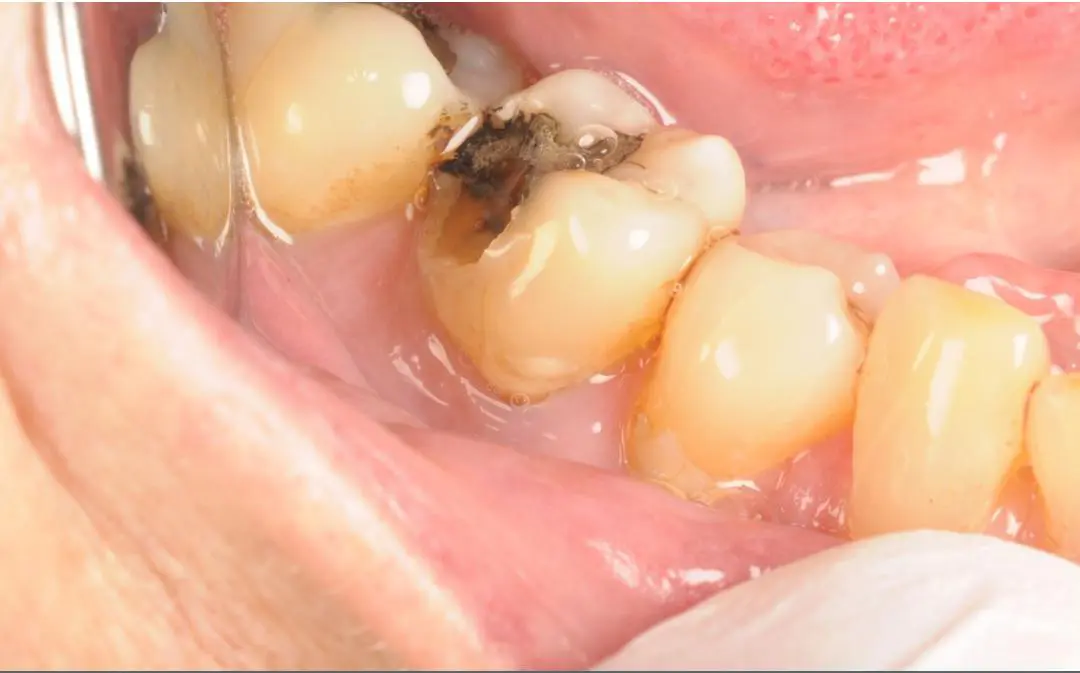
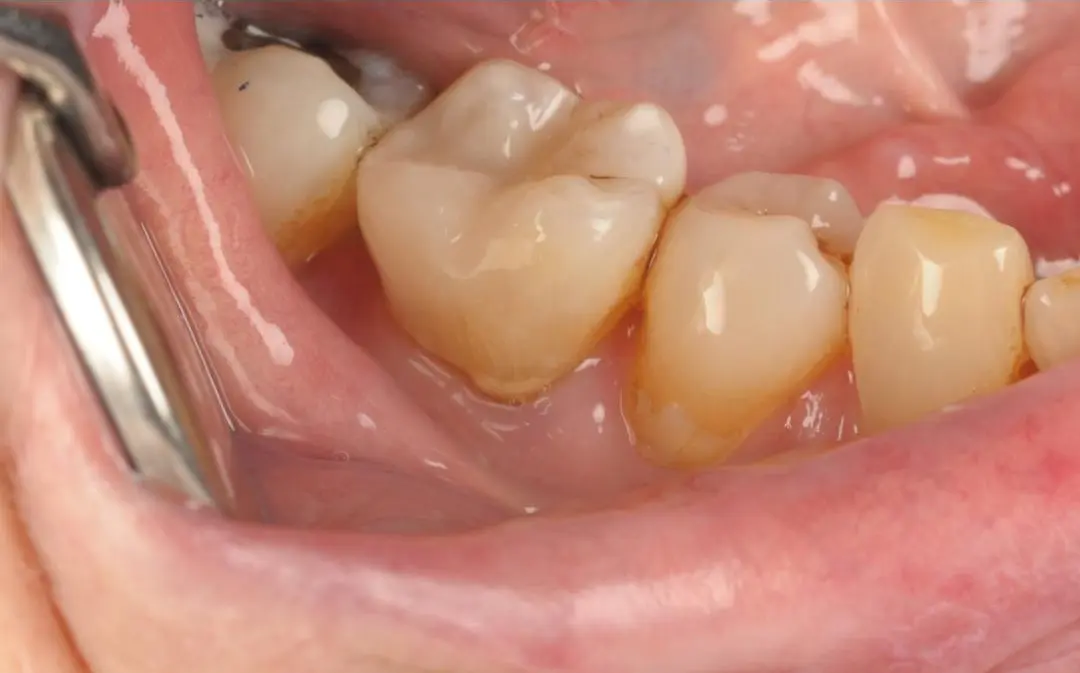
Real Patient Result: Emergency White Filling
Treatment by Dr Kamran
Risk Factors That May Increase Susceptibility
Whilst gum disease can affect anyone, certain factors may increase the likelihood of its development or progression. Understanding these risk factors can support more informed oral health decisions.
- Smoking and tobacco use — a well-established risk factor that can impair gum healing
- Poorly controlled diabetes — which can affect the body's ability to resist infection
- Hormonal changes — including those associated with pregnancy or the menopause
- Certain medications — some drugs can cause dry mouth or gum changes as side effects
- Genetic predisposition — some individuals may be more susceptible regardless of oral hygiene habits
- Stress — which can reduce the body's immune response
- Poor nutrition — particularly a diet low in vitamin C
Being aware of these factors does not mean that gum disease is inevitable. Rather, it highlights the importance of maintaining regular professional dental care, especially for those in higher-risk groups.
When Professional Dental Assessment May Be Appropriate
Certain symptoms are worth discussing with a dental professional sooner rather than later. These include:
- A tooth that feels noticeably loose or that has shifted in position
- Persistent swelling or an abscess near the gumline
- Pain when biting or chewing
- Significant gum recession that appears to be worsening
- Bleeding that does not resolve with improved brushing technique
- Any sudden changes in how your teeth fit together
It is worth emphasising that a loose tooth does not automatically mean tooth loss is inevitable. A number of treatment options may be available depending on the extent of any damage, and these can only be properly assessed through a clinical examination. If you are concerned about a dental emergency related to a loose tooth, you may find it helpful to review our emergency dental services in London.
Prevention and Maintaining Good Oral Health
Whilst gum disease is common, it is largely preventable with consistent oral hygiene habits and regular professional care. The following steps are generally recommended:
- Brush twice daily for at least two minutes using a fluoride toothpaste and a soft-bristled brush
- Clean between your teeth daily using floss, interdental brushes, or a water flosser
- Attend regular dental check-ups and hygienist appointments — the recommended frequency will depend on your individual oral health
- Avoid smoking or seek support to stop
- Maintain a balanced diet low in free sugars
- Stay well hydrated to support saliva production, which helps protect the mouth
Professional hygiene visits are particularly important because a dental hygienist can remove tartar build-up that cannot be addressed through home care alone. Regular professional cleaning supports long-term gum health and may reduce the risk of disease progression. You can find out more about dental hygiene appointments available at our clinic.
Key Points to Remember
- Gum disease is one of the most common causes of tooth looseness in adults and should be taken seriously
- The condition progresses from gingivitis to periodontitis, with increasing damage to the bone and ligament supporting the tooth
- Early-stage gum disease is often painless, which is why regular check-ups are valuable for early detection
- Several risk factors, including smoking and diabetes, may increase susceptibility
- Professional dental care is essential — home hygiene alone cannot remove tartar once it has formed
- Treatment options exist for various stages of gum disease, and suitability depends on individual clinical assessment
Frequently Asked Questions
Can a loose tooth caused by gum disease be saved?
Whether a loose tooth can be stabilised depends largely on the extent of the bone and tissue loss, as well as the individual's overall oral health and response to treatment. In earlier stages of periodontitis, professional deep cleaning treatments such as root surface debridement may help halt disease progression and support some degree of recovery. In more advanced cases, other clinical interventions may be considered. A dentist can only advise on the most appropriate course of action following a thorough clinical examination.
How quickly does gum disease progress to cause a loose tooth?
The rate of progression varies considerably between individuals. Some people may experience slow, gradual bone loss over many years, while others — particularly those with certain risk factors such as smoking or diabetes — may see more rapid changes. This variability is one reason why regular dental check-ups are valuable, as they enable monitoring of gum health over time. Gum disease rarely causes dramatic symptoms in its early stages, which can mean it goes unnoticed without professional review.
Is gum disease the only reason an adult tooth might become loose?
No. Whilst gum disease is among the most common causes of a loose adult tooth, other factors can also contribute. These include dental trauma or injury, teeth grinding (bruxism), bone loss associated with certain systemic conditions, or localised infection such as a dental abscess. A dental professional will consider a range of possible causes during a clinical assessment and will typically use dental X-rays to evaluate the level of supporting bone and identify any underlying issues.
Does a loose tooth always mean it needs to be extracted?
Not necessarily. Whether extraction is required depends on the degree of looseness, the amount of supporting bone remaining, and the overall clinical picture. In some cases, treatment to address the underlying gum disease may improve stability to a clinically acceptable level. In others, extraction may be the most appropriate option, after which tooth replacement options such as implants, bridges, or dentures can be discussed. Treatment decisions are always based on individual clinical assessment.
Can I improve gum disease at home?
Improving your oral hygiene habits at home — including thorough twice-daily brushing and daily interdental cleaning — is an important part of managing gum health. However, once gum disease has progressed and tartar has accumulated below the gumline, professional treatment is necessary to address the deeper infection. Home care alone is not sufficient to treat established periodontitis. A dental professional can advise on the most appropriate combination of professional treatment and home care for your specific situation.
Is gum disease linked to any other health conditions?
Research has identified associations between periodontal disease and a number of systemic health conditions, including cardiovascular disease, diabetes, and respiratory conditions. Whilst the nature of these relationships is still being studied and causation has not been definitively established in all cases, the findings highlight that oral health is closely connected to overall health. This is another reason why maintaining good gum health is considered important not just for the mouth, but for general wellbeing.
Conclusion
Gum disease is one of the most significant causes of tooth looseness in adults, and understanding how it progresses can help people recognise early warning signs and seek appropriate professional advice. The condition works by gradually breaking down the bone and connective tissue that support the teeth, reducing their stability over time. Whilst this can sound concerning, it is important to know that gum disease is a manageable condition — particularly when identified and addressed at an appropriate stage.
If you have noticed that a tooth feels loose, that your gums bleed regularly, or that you have other signs of gum problems, a dental assessment can provide clarity and guide you towards the most suitable care for your situation.
Maintaining a consistent oral hygiene routine, attending regular dental appointments, and understanding your individual risk factors are all important steps in supporting long-term gum and tooth health.
Dental symptoms and treatment options should always be assessed individually during a clinical examination.
Disclaimer: This article is intended for general educational purposes only and does not constitute personalised dental advice. Individual diagnosis and treatment recommendations require a clinical examination by a qualified dental professional.
Next Review Due: 30 September 2027