
Severe tooth pain is one of the most distressing dental experiences a person can face. Whether it strikes in the early hours of the morning, over a weekend, or during a busy working day, the urgency of finding relief is understandable. Many people turn to online searches for answers, wondering whether emergency root canal treatment could be the solution they need — and, crucially, whether it can stop the pain the same day.
Emergency root canal treatment is a well-established dental procedure designed to address the source of intense tooth pain by treating infection or inflammation within the tooth's inner structure. Understanding what this procedure involves, how quickly it may bring relief, and when it is clinically appropriate can help patients make more informed decisions about seeking urgent dental care.
This article explains the background of root canal treatment in an emergency context, what patients might reasonably expect, and why professional dental assessment is always the essential first step.
Experiencing these symptoms?
Delaying treatment can lead to tooth loss. We have slots available today.
Featured Snippet Answer
Can emergency root canal treatment stop severe tooth pain the same day?
Emergency root canal treatment can significantly reduce severe tooth pain during or shortly after the procedure in many cases. By removing infected or inflamed pulp tissue, the source of pain is addressed directly. However, the degree and speed of relief depends on individual clinical factors assessed by a dentist during examination.
What Causes the Type of Tooth Pain That May Require a Root Canal?
Severe tooth pain that might indicate a need for root canal treatment typically originates from within the tooth itself — specifically from the dental pulp. The pulp is the soft inner tissue containing nerves and blood vessels that helped form the tooth during development.
Meet Dr. Yasha Shirazi
Principal Dentist at Emergency Dentist London
"We treat hundreds of dental emergencies every month. The sooner you come in, the easier the fix usually is."
Book an appointment with our team →When bacteria penetrate the tooth's outer layers — usually through deep decay, a crack, or a damaged filling — they can reach the pulp and cause infection or inflammation. This triggers the nerves inside the tooth to send intense pain signals. The pain may be:
- Continuous and throbbing, particularly at night
- Worsened by heat, cold, or biting pressure
- Accompanied by swelling around the jaw or gum
- Associated with a persistent bad taste or discharge
The infection can also spread beyond the tooth root into surrounding bone and soft tissue if left untreated, which is why timely professional evaluation is important. Understanding the cause of your pain is the first step, and this always requires a clinical examination rather than self-diagnosis.
What Does Emergency Root Canal Treatment Involve?
Root canal treatment, sometimes called endodontic treatment, is a procedure in which the infected or inflamed pulp tissue is carefully removed from inside the tooth. The root canals are then cleaned, shaped, and disinfected before being sealed to prevent further bacterial entry.
In an emergency setting, a dentist will typically:
- Conduct a clinical examination and take dental X-rays to assess the extent of infection
- Administer local anaesthetic to numb the area
- Access the inner chamber of the tooth
- Remove the affected pulp tissue
- Clean and disinfect the root canals
- Apply a temporary or permanent filling depending on clinical circumstances
For many patients, emergency root canal treatment can be completed in a single appointment, though complex cases may require follow-up visits. The procedure itself is performed under local anaesthetic, meaning the tooth and surrounding area should be numb throughout.
How Quickly Might Pain Relief Occur?
This is one of the most common questions patients ask, and the honest answer is that relief varies from person to person. Once the infected or inflamed pulp tissue is removed and the area is treated, many patients report a noticeable reduction in acute pain during or shortly after the procedure.
However, it is important to understand that:
- Some post-procedural tenderness around the tooth and jaw is common for a few days
- Anti-inflammatory or pain relief medication prescribed or recommended by your dentist can help manage residual discomfort
- Patients with significant infection, swelling, or abscess formation may find that full resolution takes longer
The degree of relief achievable on the same day depends on clinical factors including the severity and spread of infection, the tooth's anatomy, and the patient's overall health. A qualified dentist is best placed to advise on realistic expectations following examination.
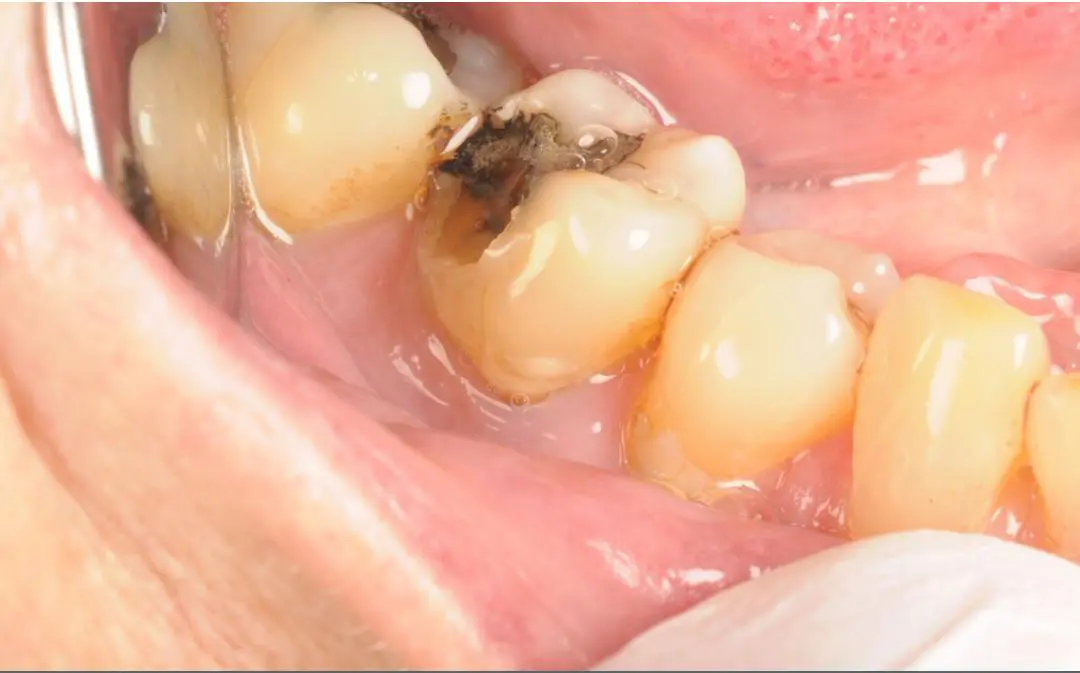
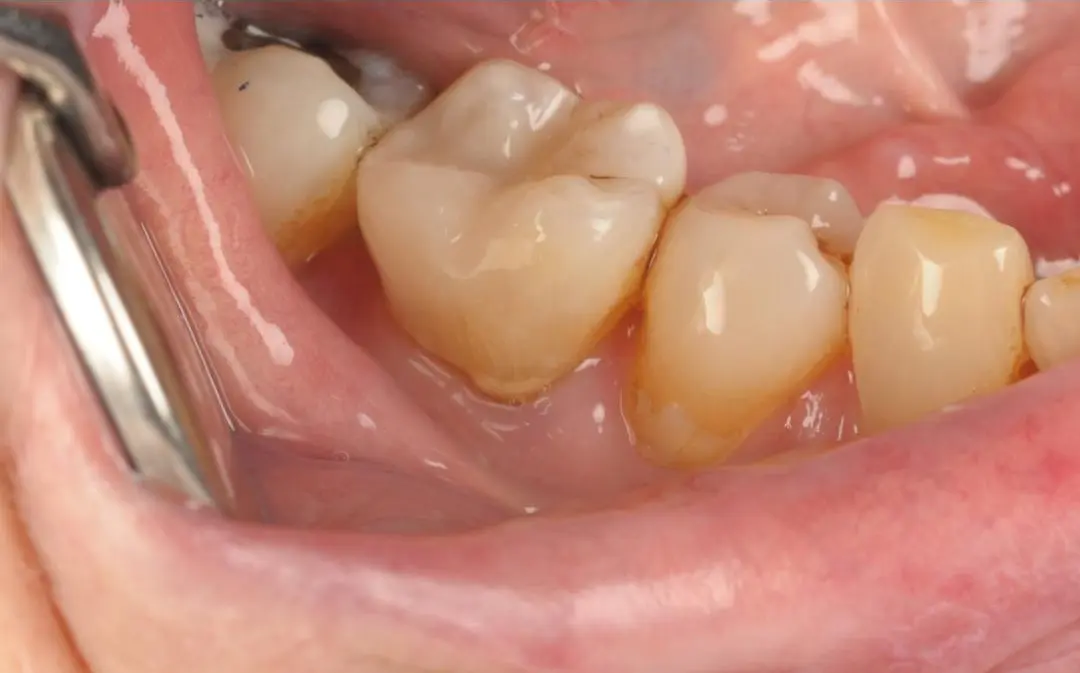
Real Patient Result: Emergency White Filling
Treatment by Dr Kamran
The Dental Science Behind Root Canal Pain
To understand why root canal treatment can be effective for severe pain, it helps to consider the anatomy of a tooth. Each tooth has:
- Enamel — the hard outer layer
- Dentine — the layer beneath enamel, containing microscopic tubules
- Pulp — the innermost tissue housing nerves and blood vessels
When bacteria reach the pulp, the body's immune response causes inflammation. Because the pulp is enclosed within a rigid canal, there is limited space for the tissue to swell, which puts pressure on the nerve fibres and intensifies pain signals.
By removing this inflamed or infected tissue through root canal treatment, the pressure is relieved and the nerve stimulus is eliminated. This is why the procedure can be effective at addressing the direct source of pain, rather than merely masking it.
When Should You Seek Urgent Dental Assessment?
Not all tooth pain requires root canal treatment, and only a clinical examination can determine the appropriate course of action. However, there are situations where seeking prompt dental evaluation is particularly advisable:
- Persistent throbbing pain that does not resolve with over-the-counter pain relief
- Swelling of the gum, jaw, or face around the affected tooth
- Sensitivity to heat that lingers long after the source is removed
- A visible or felt lump (which may indicate an abscess) near the gum line
- Fever or general malaise alongside dental pain, which may suggest spreading infection
- A tooth that has been knocked or cracked and is now causing significant discomfort
If you are experiencing any of these symptoms in London, seeking same-day emergency dental care may help ensure your condition is assessed promptly and appropriately. Delaying treatment for dental infections is not recommended, as the condition may worsen over time.
Prevention and Maintaining Good Oral Health
While emergency treatment addresses urgent dental problems, good preventative habits remain the most effective way to reduce the risk of needing such intervention in the first place. Practical steps include:
- Attending regular dental check-ups — typically every six to twelve months, as recommended by your dentist
- Brushing twice daily with a fluoride toothpaste for at least two minutes
- Cleaning between teeth using floss or interdental brushes to remove plaque from areas a toothbrush cannot reach
- Reducing sugar intake, particularly between meals, to limit the risk of tooth decay
- Wearing a custom mouthguard if you grind your teeth at night, as this can crack teeth and compromise their structure over time
- Addressing dental concerns early — a small cavity treated promptly is far less likely to progress to pulp infection
Understanding the importance of preventative dental care can help patients take a proactive approach to their oral health and avoid more complex interventions later on.
Key Points to Remember
- Emergency root canal treatment addresses the internal source of severe tooth pain by removing infected or inflamed pulp tissue
- Many patients experience significant pain relief during or shortly after the procedure, though individual outcomes vary
- Post-procedural tenderness for a few days is common and usually manageable with appropriate pain relief
- Only a clinical dental examination can determine whether root canal treatment is the appropriate course of action for your specific situation
- Symptoms such as persistent throbbing pain, facial swelling, or signs of abscess warrant prompt dental assessment
- Regular check-ups and good oral hygiene habits remain the most effective way to reduce the risk of dental emergencies
Frequently Asked Questions
Is root canal treatment painful?
Root canal treatment is performed under local anaesthetic, meaning the tooth and surrounding area are numbed before the procedure begins. Most patients report that the procedure itself is no more uncomfortable than having a standard filling. Some tenderness around the treated tooth in the days following treatment is normal and usually manageable with over-the-counter pain relief. If you have concerns about pain management, discuss these with your dentist before treatment begins so they can advise accordingly.
How long does an emergency root canal appointment take?
The duration depends on the tooth being treated and the complexity of the case. A single-rooted tooth may be treated in approximately sixty to ninety minutes, while multi-rooted teeth such as molars may require longer. In some cases, particularly where infection is extensive, treatment may be spread across two appointments. Your dentist will give you a clearer indication of the timeline following their initial assessment.
Can antibiotics alone resolve a tooth abscess without root canal treatment?
Antibiotics may be prescribed to help manage a dental infection, particularly if there is associated swelling or signs of spreading infection. However, antibiotics address the bacterial component of infection and do not remove the source of the problem within the tooth. In most cases where pulp infection is present, definitive treatment — such as root canal treatment or extraction — is needed to fully resolve the issue. Always follow your dentist's clinical advice regarding antibiotic use.
What happens if I delay getting treatment for severe tooth pain?
Dental infections do not typically resolve on their own and may progress if left untreated. An untreated pulp infection can spread to surrounding bone, adjacent teeth, and in some circumstances to other areas of the head and neck. While not every case of tooth pain represents an immediate emergency, persistent or worsening pain, swelling, or fever should be assessed by a dentist without undue delay. Early intervention generally results in simpler, more predictable treatment outcomes.
Will I need a crown after root canal treatment?
Following root canal treatment, the treated tooth may become more brittle over time because it no longer has a living pulp supplying nutrients. Your dentist may recommend placing a dental crown over the tooth to protect it from fracture and restore its function. This is particularly common for back teeth, which endure greater biting forces. The decision will depend on how much natural tooth structure remains and will be discussed with you as part of your overall treatment plan.
Can a tooth always be saved with root canal treatment?
Root canal treatment is intended to preserve a natural tooth where clinically possible. However, not every tooth is suitable for this procedure — factors such as the severity of infection, the extent of structural damage, and the condition of the surrounding bone all influence whether treatment is appropriate. In some cases, extraction may be the recommended option. A thorough clinical examination, including dental X-rays, allows your dentist to assess all available options and advise you accordingly.
Conclusion
Severe tooth pain can be deeply distressing, and it is entirely understandable that patients seek swift answers and relief. Emergency root canal treatment offers a clinically effective way to address the source of pain caused by pulp infection or inflammation, and many patients do experience meaningful relief following the procedure. However, the speed and degree of relief varies depending on individual clinical circumstances.
The most important step any patient can take when experiencing significant dental pain is to seek professional assessment promptly. Self-diagnosing dental conditions or delaying treatment is not advisable, particularly when symptoms suggest infection. Dental symptoms and treatment options should always be assessed individually during a clinical examination.
Maintaining regular dental check-ups, practising thorough oral hygiene, and addressing minor dental concerns early remain the most reliable strategies for protecting long-term dental health and reducing the likelihood of dental emergencies.
Disclaimer: This article is intended for general educational purposes only and does not constitute personalised dental advice. Individual diagnosis and treatment recommendations require a clinical examination by a qualified dental professional.
Next Review Due: 28 October 2027
Disclaimer
This article is for general educational purposes only and does not constitute dental advice, diagnosis, or treatment. Every patient is different, so symptoms and treatment options should be assessed by a qualified dental professional during a clinical examination. No specific outcomes are guaranteed.