
When a tooth becomes severely damaged, cracked, or infected, one of the most common questions patients ask is whether removing it promptly could prevent further problems from developing. It is a very understandable concern. Many adults find themselves searching online late at night — dealing with persistent dental pain, swelling, or sensitivity — trying to understand their options before they can be seen by a dentist.
An emergency extraction is not always the first line of treatment, but in certain clinical situations, it may be the most appropriate way to address a damaged tooth and reduce the risk of complications spreading. Understanding what this procedure involves, why a dentist might recommend it, and what to expect can help patients feel better informed when making decisions about their dental health.
This article explains the circumstances in which an emergency extraction may be considered, the dental science behind damaged teeth and infection, and what good oral health management looks like after the procedure.
Experiencing these symptoms?
Delaying treatment can lead to tooth loss. We have slots available today.
Featured Snippet: Can an Emergency Extraction Prevent Further Dental Problems?
Yes, in certain clinical situations, an emergency extraction can help prevent a damaged tooth from causing further complications. When a tooth is severely broken, infected, or beyond repair, removing it promptly may reduce the risk of infection spreading to surrounding teeth, gum tissue, or bone. Suitability always depends on individual clinical assessment.
What Is an Emergency Tooth Extraction?
An emergency tooth extraction is the removal of a tooth outside of a routine dental appointment, typically carried out when a patient is experiencing acute symptoms that require prompt clinical attention. These might include severe pain, visible fracture, significant decay, or signs of spreading infection.
Unlike a planned extraction — which may be part of orthodontic treatment or a scheduled procedure — an emergency extraction is usually performed when the condition of the tooth or the surrounding tissues has deteriorated to a point where delay could lead to further complications.
Meet Dr. Yasha Shirazi
Principal Dentist at Emergency Dentist London
"We treat hundreds of dental emergencies every month. The sooner you come in, the easier the fix usually is."
Book an appointment with our team →It is important to understand that extraction is not automatically the first treatment a dentist will recommend. Many dental professionals will explore whether the tooth can be saved through other means, such as root canal treatment or restorative work, before concluding that removal is the most appropriate course of action. The decision always depends on a thorough clinical examination and individual circumstances.
If you are experiencing sudden dental pain or trauma in London, contacting an emergency dentist promptly can ensure your situation is assessed without unnecessary delay.
How a Damaged Tooth Can Affect Surrounding Structures
To understand why an emergency extraction may sometimes be necessary, it helps to consider what happens when a tooth becomes severely damaged or infected.
Each tooth is composed of several layers: the hard outer enamel, the softer dentine beneath it, and at the core, the dental pulp — a soft tissue containing nerves and blood vessels. When decay, trauma, or fracture penetrates deep enough to reach the pulp, bacteria can enter and cause infection.
Once infection takes hold within the pulp, it can spread through the root canals and into the surrounding bone, a condition known as a periapical abscess. If left unaddressed, this infection can progress further — affecting adjacent teeth, the jawbone, and in some cases, soft tissue structures in the neck and face.
This is why the timing of treatment matters. The body has limited ability to resolve a dental infection on its own, and while antibiotics may temporarily manage symptoms, they do not address the underlying structural cause. Only clinical dental treatment — whether that is root canal therapy, drainage of an abscess, or extraction — can resolve the source of infection.
Signs That a Tooth May Require Emergency Dental Assessment
Not all dental discomfort is an emergency, but certain symptoms suggest a tooth may need prompt professional evaluation. These include:
- Persistent or severe toothache that does not respond to over-the-counter pain relief
- Visible damage, such as a cracked, broken, or fractured tooth
- Swelling around the jaw, gum, or face — particularly if it feels warm or is spreading
- A bad taste or discharge in the mouth that may indicate an abscess
- Sensitivity to hot, cold, or pressure that is new or worsening
- Looseness in a previously stable tooth
- Fever or general feeling of being unwell alongside dental symptoms
These signs do not necessarily mean an extraction is required, but they do suggest that professional dental assessment should not be delayed. A dentist will examine the tooth using clinical techniques and, where appropriate, dental X-rays, before recommending the most suitable treatment option.
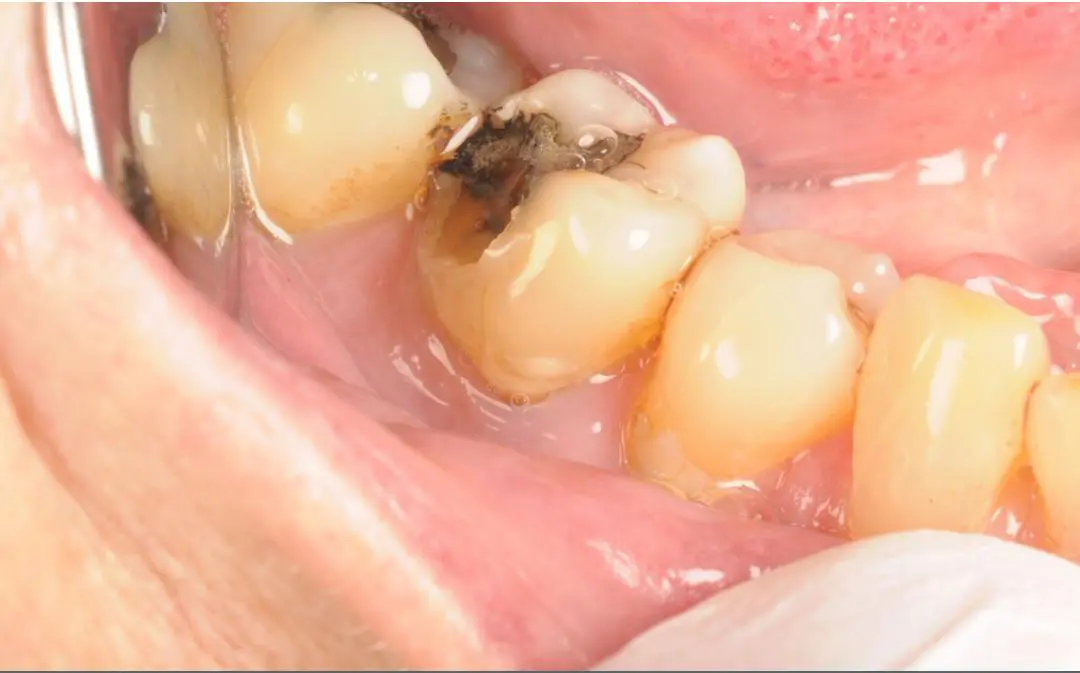
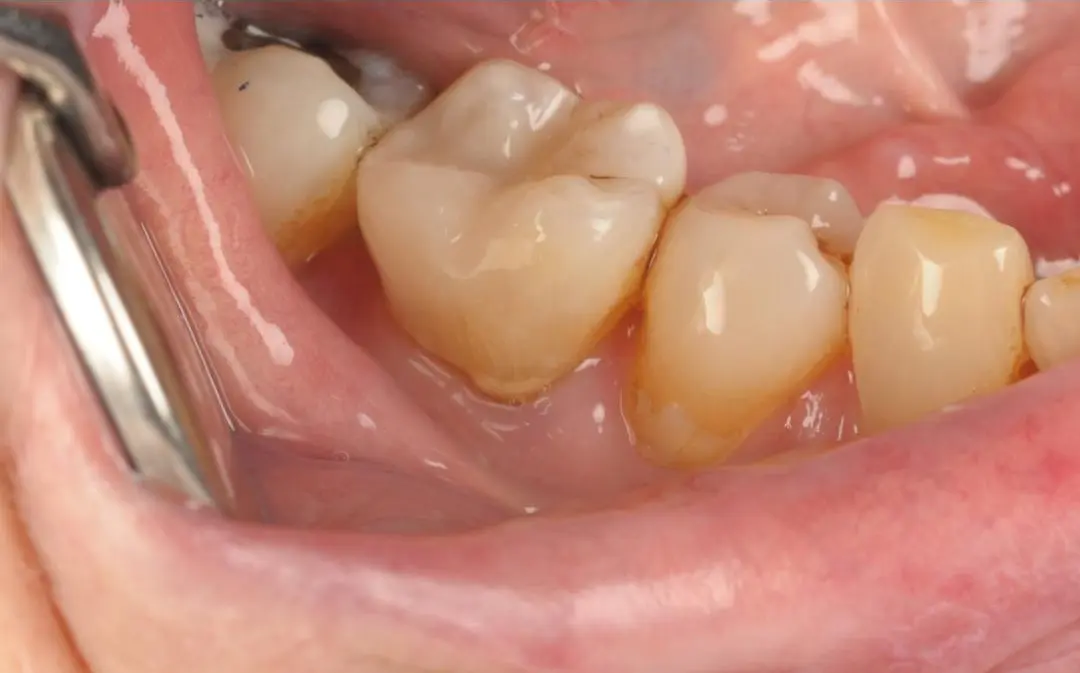
Real Patient Result: Emergency White Filling
Treatment by Dr Kamran
When Extraction May Be the Most Appropriate Option
A dental professional may consider an extraction when other treatment options are either not clinically viable or not in the patient's best interest. Common scenarios include:
- The tooth has fractured below the gum line and cannot be restored
- The tooth has advanced decay that has destroyed too much of its structure
- Infection is severe and the tooth cannot support root canal treatment effectively
- Bone loss around the tooth is significant due to advanced gum disease
- The patient has a medical history that makes complex restorative procedures inadvisable
Even in these situations, the dentist will explain all available options clearly so the patient can make an informed decision. Treatment recommendations are always tailored to individual needs and are never a one-size-fits-all conclusion.
For patients who are anxious about the procedure itself, it may be helpful to know that emergency extractions are carried out under local anaesthetic, meaning the area is numbed before treatment begins. Many patients find the procedure more straightforward than they had anticipated.
What Happens After an Emergency Extraction?
Following an extraction, the body begins the process of healing the socket — the space left by the removed tooth. The dentist will provide aftercare guidance, which typically includes:
- Avoiding rinsing the mouth forcefully for the first 24 hours
- Eating soft foods and avoiding very hot drinks initially
- Keeping the area clean once healing has begun
- Avoiding smoking, which can impair the healing process
- Returning for a follow-up if symptoms worsen or do not improve
It is also worth considering tooth replacement options once the site has healed. Missing teeth can, over time, affect the alignment of surrounding teeth and overall bite function. Options such as dental implants, a bridge, or a partial denture may be discussed with your dentist at a follow-up appointment.
If you would like to understand your options following an extraction, exploring tooth replacement treatments can provide useful background information before your next consultation.
Preventing Dental Emergencies: Oral Health Advice
While not all dental emergencies can be predicted or prevented, maintaining good oral health significantly reduces the risk of a tooth reaching a point where emergency treatment becomes necessary. Practical steps include:
- Brushing twice daily with a fluoride toothpaste, using a soft-bristled brush
- Flossing or using interdental brushes to clean between teeth where a brush cannot reach
- Attending regular dental check-ups, typically every six to twelve months as recommended by your dentist
- Wearing a mouthguard during contact sports or activities where dental trauma is a risk
- Addressing dental issues promptly — a small cavity or crack is far easier and less costly to treat than advanced decay or infection
- Reducing sugar intake in the diet, particularly between meals, which helps protect enamel from acid erosion
Routine preventative care remains one of the most effective tools in avoiding dental emergencies and preserving your natural teeth long term.
Key Points to Remember
- An emergency extraction may help prevent a damaged tooth from causing further complications, but suitability depends on clinical assessment
- Severe tooth damage or infection can spread to surrounding teeth, gum tissue, and bone if left unaddressed
- Not all damaged teeth require extraction — a dentist will explore all treatment options before making a recommendation
- Symptoms such as swelling, persistent pain, discharge, or fever alongside dental pain warrant prompt professional evaluation
- Aftercare following an extraction is important for healthy healing and reducing the risk of complications
- Maintaining regular dental check-ups is one of the most effective ways to prevent dental emergencies
Frequently Asked Questions
Will an emergency extraction completely stop an infection from spreading?
An emergency extraction removes the source of infection within or around the tooth, which can significantly reduce the risk of further spread. However, if infection has already affected surrounding bone or tissue, additional treatment — such as antibiotics or further dental procedures — may also be required. A dentist will assess the full extent of the infection during examination and advise on the most appropriate course of action for your individual situation.
Is an emergency tooth extraction painful?
The extraction itself is carried out under local anaesthetic, so the immediate area is numbed before the procedure begins. Most patients report feeling pressure rather than pain during the extraction. Some discomfort and mild swelling in the days following the procedure are normal and usually manageable with over-the-counter pain relief, as advised by the dental team. If pain is severe or worsening after a few days, it is advisable to contact your dentist.
How quickly should I seek help for a damaged tooth?
If you are experiencing significant pain, visible damage to a tooth, swelling around the jaw or face, or any signs of infection, it is advisable to seek professional dental assessment as soon as possible. Dental problems that may seem manageable in the short term can deteriorate quickly. Prompt assessment allows a dentist to determine whether urgent treatment is needed and to begin appropriate care without delay.
Can a cracked tooth always be saved, or might extraction be necessary?
Whether a cracked tooth can be saved depends on the nature, location, and extent of the crack. Superficial cracks may be repaired with bonding or a crown, while cracks that extend below the gum line or through the root are often not restorable. A dentist will assess the full extent of the damage — often using X-rays — before advising whether restoration or extraction is the more appropriate option for that specific tooth.
What is a dry socket, and how can I avoid it after an extraction?
A dry socket occurs when the blood clot that forms in the extraction site is dislodged or dissolves before the wound has healed, leaving the bone and nerve endings exposed. It can cause significant pain. To reduce the risk, follow your dentist's aftercare instructions closely: avoid rinsing forcefully for the first 24 hours, do not smoke, and avoid drinking through a straw. If you experience worsening pain several days after extraction, contact your dental practice for advice.
Are there alternatives to extraction for a severely damaged tooth?
In many cases, yes. Root canal treatment can save a tooth where the pulp has become infected, while crowns and other restorations can reinforce a significantly damaged tooth. However, if the tooth's structure is too compromised to support restoration, or if infection is too advanced, extraction may be the most clinically appropriate option. A dentist will always discuss available alternatives before proceeding with any treatment. You can learn more about restorative options by reading about emergency dental treatments available in London.
Conclusion
A damaged tooth that is left unaddressed can, in certain circumstances, give rise to further complications — including spreading infection, damage to adjacent teeth, and broader effects on oral health. An emergency extraction, when clinically indicated, may help prevent these outcomes by removing the source of the problem promptly.
However, it is important to understand that emergency extraction is not automatically the right answer for every situation. Dental professionals carefully assess each case on its individual merits, considering whether the tooth can be saved before recommending removal. If you are experiencing dental pain, visible damage, swelling, or other concerning symptoms, seeking professional advice sooner rather than later is always the most sensible course of action.
Good oral health habits — including regular check-ups, twice-daily brushing, and prompt attention to any changes in your teeth or gums — remain the most effective long-term strategy for avoiding dental emergencies.
Dental symptoms and treatment options should always be assessed individually during a clinical examination.
Disclaimer: This article is intended for general educational purposes only and does not constitute personalised dental advice. Individual diagnosis and treatment recommendations require a clinical examination by a qualified dental professional.
Next Review Due: 06 November 2027