
Severe tooth pain can be one of the most disruptive and distressing experiences a person faces. Whether it appears suddenly in the night or escalates over several days, the discomfort can interfere significantly with sleep, eating, and concentration. It is entirely understandable why so many people in London immediately turn to online searches, looking for fast answers and accessible care.
The question of whether an emergency dentist can treat severe tooth pain without a long wait is one of the most commonly searched dental queries in the UK. Many patients are unsure whether emergency dental appointments are genuinely accessible, what they involve, or whether they differ meaningfully from a standard dental visit.
This article explains how emergency dental care works, what causes severe tooth pain, what a dentist may be able to offer during an urgent appointment, and when seeking professional assessment is particularly important. Understanding your options can help you make informed decisions about your dental health with greater confidence and calm.
Experiencing these symptoms?
Delaying treatment can lead to tooth loss. We have slots available today.
Featured Snippet: Can an Emergency Dentist Treat Severe Tooth Pain Quickly?
Yes, an emergency dentist can often assess and begin treating severe tooth pain on the same day. Emergency dental appointments are specifically designed to address urgent pain, infection, or trauma. Treatment suitability depends on a clinical examination, but patients can typically expect prompt triage, pain assessment, and an appropriate care plan during an emergency visit.
What Causes Severe Tooth Pain?
Severe tooth pain is rarely without an underlying cause. Understanding what may be driving the discomfort is an important first step in seeking appropriate care.
Common causes of significant dental pain include:
Meet Dr. Yasha Shirazi
Principal Dentist at Emergency Dentist London
"We treat hundreds of dental emergencies every month. The sooner you come in, the easier the fix usually is."
Book an appointment with our team →- Tooth decay that has reached the inner pulp – When a cavity progresses deeply enough to affect the nerve-rich pulp tissue inside a tooth, it can produce sharp, intense, or throbbing pain.
- Dental abscess – A bacterial infection that forms at the root tip or in the surrounding gum tissue. This can cause persistent, pulsating pain and may be accompanied by swelling or a raised temperature.
- Cracked or fractured teeth – A crack in a tooth can expose sensitive inner layers, causing pain that is particularly noticeable when biting or chewing.
- Gum disease at an advanced stage – Severe periodontal disease can cause significant discomfort, particularly around affected teeth and the surrounding tissue.
- Wisdom tooth impaction – Wisdom teeth that cannot erupt properly can press against neighbouring teeth and surrounding tissue, causing localised pain and tenderness.
Identifying the precise cause requires a clinical examination, which is why booking an emergency dental appointment is so important when pain is severe or persistent.
How Does Emergency Dental Care Work in London?
For patients experiencing severe tooth pain, emergency dental appointments in London are structured to provide prompt assessment and appropriate initial treatment, often on the same day.
Emergency dental clinics typically offer extended opening hours, including evenings and weekends, to accommodate urgent cases. When you contact a clinic, a member of the team will gather brief details about your symptoms to help determine the urgency of your situation.
During the appointment itself, the dentist will carry out a clinical examination, which may include dental X-rays, to identify the source of the pain. Based on their findings, they can discuss appropriate treatment options with you. These may include:
- Prescription of antibiotics if an infection is suspected
- Pain relief or anti-inflammatory medication guidance
- Temporary or permanent restoration of a damaged tooth
- Drainage of an abscess where clinically appropriate
- Referral for further specialist treatment if required
It is important to note that treatment options will always depend on what the dentist finds during the examination. No specific outcome can be guaranteed in advance of a clinical assessment.
The Dental Science Behind Tooth Pain: Understanding the Pulp
To understand why tooth pain can become so severe, it helps to know a little about tooth anatomy.
Each tooth contains a soft inner chamber called the dental pulp, which is rich in nerve fibres and blood vessels. This pulp is protected by layers of dentine and the hard outer enamel. When enamel and dentine are compromised — through decay, fracture, or wear — bacteria or pressure can reach the pulp, triggering an inflammatory response.
Inflammation within the pulp increases pressure inside the tooth's enclosed space, which is why dental pain can feel so intense and difficult to ignore. If infection spreads beyond the tooth root into surrounding bone or tissue, an abscess may develop, adding further complexity to the clinical picture.
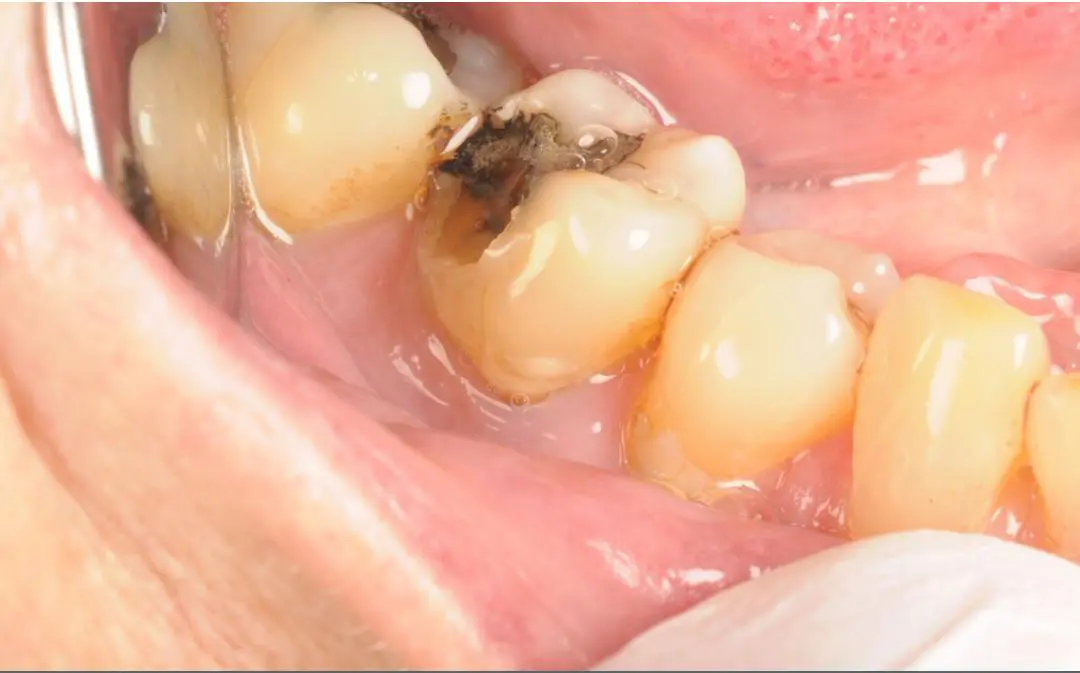
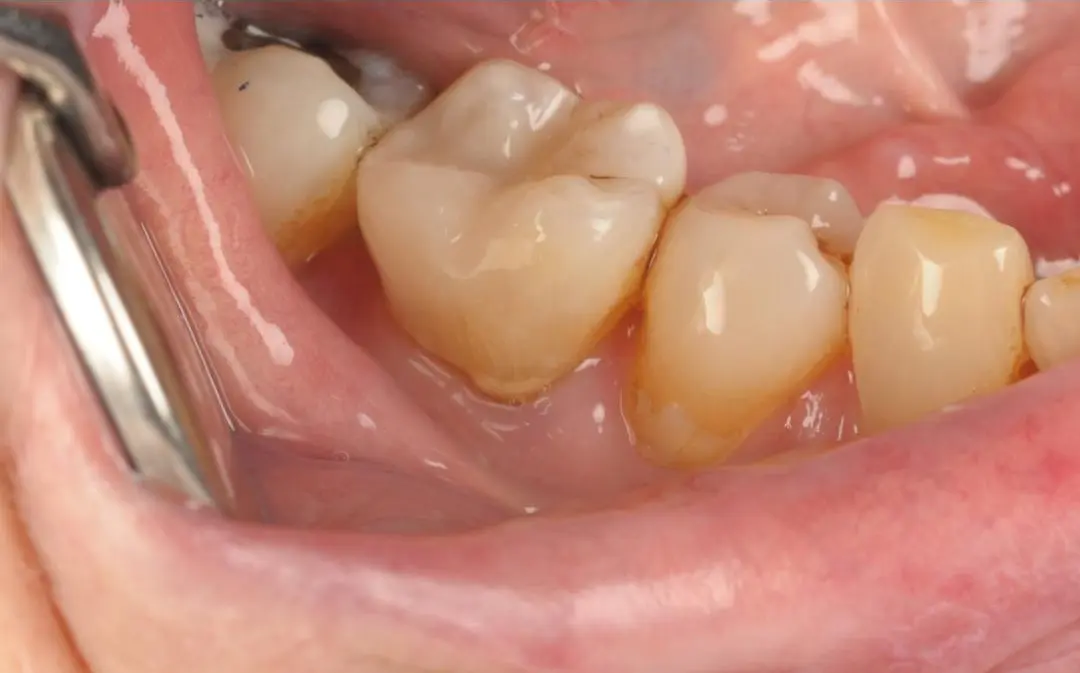
Real Patient Result: Emergency White Filling
Treatment by Dr Kamran
This is why early dental intervention matters. Addressing decay or damage before it reaches the pulp can prevent significant pain from developing in the first place. If you are concerned about an existing dental condition, speaking with a dentist sooner rather than later is generally advisable.
When Professional Dental Assessment May Be Particularly Important
Whilst mild tooth sensitivity or occasional discomfort may resolve with time, certain symptoms suggest that a professional dental evaluation is worth seeking promptly. These include:
- Persistent or worsening pain that does not ease with over-the-counter pain relief
- Visible swelling around a tooth, the jaw, or the neck
- A raised temperature or general feeling of being unwell, which may indicate infection
- Pain accompanied by difficulty swallowing or breathing, which warrants immediate medical attention
- A tooth that has been knocked loose, broken, or displaced following trauma
- Spontaneous pain that occurs without any obvious trigger
None of these symptoms should cause undue alarm, but they do serve as useful indicators that professional input would be beneficial. If you are experiencing any of the above, contacting an emergency dentist at the earliest opportunity is a sensible course of action.
Prevention and Oral Health Advice
Whilst emergency dental care is available when needed, maintaining good oral health routinely is the most effective way to reduce the likelihood of severe tooth pain arising in the first place.
Practical steps that may support long-term dental health include:
- Brushing twice daily with a fluoride toothpaste, using a soft-bristled toothbrush
- Flossing or using interdental brushes daily to remove plaque between teeth
- Attending regular dental check-ups — typically every six to twelve months, depending on individual needs
- Reducing sugar intake, particularly between meals and before bedtime
- Avoiding using teeth as tools to open packaging or bite hard objects
- Wearing a mouthguard during contact sports to protect against dental trauma
- Speaking with your dentist about fissure sealants if you are prone to decay in back teeth
Preventative dentistry is at the heart of good dental care. Identifying small problems before they escalate can save both discomfort and more complex treatment down the line. If it has been some time since your last dental check-up, booking a routine dental examination can help ensure any early concerns are addressed promptly.
Key Points to Remember
- An emergency dentist can often see patients with severe tooth pain on the same day, without extended waiting times.
- Severe tooth pain is frequently caused by decay, infection, fracture, or other dental conditions that require clinical assessment.
- Emergency dental appointments involve a clinical examination and appropriate treatment, which may include pain relief, antibiotics, or restorative care depending on findings.
- Treatment outcomes cannot be guaranteed in advance and depend entirely on what the dentist identifies during examination.
- Symptoms such as facial swelling, persistent pain, or a raised temperature are indicators that professional dental assessment should be sought promptly.
- Maintaining good oral hygiene and attending regular check-ups are among the most effective strategies for reducing the risk of dental emergencies.
Frequently Asked Questions
How quickly can I be seen by an emergency dentist for tooth pain?
Many emergency dental clinics in London offer same-day appointments, particularly for patients experiencing significant pain. Availability can vary depending on the clinic and time of day, so it is advisable to contact a clinic directly as soon as possible. Most clinics will ask brief questions about your symptoms to help triage your case appropriately. Waiting times are generally significantly shorter than those associated with routine appointments, as emergency slots are reserved for urgent dental presentations.
Will an emergency dentist always extract the tooth if I am in severe pain?
Not necessarily. Tooth extraction is only one of several options a dentist may consider, and it is not automatically the first choice. Depending on the clinical findings, a dentist may recommend alternative treatments such as root canal therapy, temporary restoration, or antibiotics to address infection. The most appropriate approach will be determined by what the dentist finds during the examination, alongside discussion of your preferences and clinical circumstances.
Can I take painkillers at home while waiting for a dental appointment?
Over-the-counter pain relief, such as paracetamol or ibuprofen (taken as directed on the packaging and if appropriate for your health circumstances), may help manage discomfort temporarily while you await a dental appointment. However, pain relief medication does not address the underlying cause of tooth pain, so it should not be used as a substitute for professional dental care. If you are unsure which pain relief is suitable for you, speak with a pharmacist before taking any medication.
Is dental infection serious if left untreated?
Dental infections, such as those associated with an abscess, are caused by bacterial activity and can progress if not treated. In some cases, untreated dental infections can spread to surrounding tissue, the jaw, or other areas. Whilst this is not intended to cause alarm, it does illustrate the importance of seeking professional assessment if you suspect you have a dental infection. Symptoms such as swelling, a persistent bad taste, or feeling unwell alongside tooth pain should be discussed with a dental professional promptly.
What is the difference between an emergency dental appointment and a standard appointment?
Emergency dental appointments are designed to address urgent symptoms such as severe pain, dental trauma, or infection. They tend to be shorter and more focused than routine appointments, with the aim of identifying the cause of the problem and providing immediate relief or interim treatment where possible. Standard appointments, by contrast, are planned visits that allow for comprehensive examinations, preventative care, and elective treatment. Both types of appointment involve a clinical examination and are conducted by a qualified dental professional.
Does emergency dental treatment cost more than a standard appointment?
The cost of emergency dental treatment can vary depending on the clinic, the nature of the treatment required, and whether the clinic operates privately or under NHS provision. It is advisable to ask about fees when contacting a clinic to book an emergency appointment, so that you can make an informed decision. Many private dental clinics in London are transparent about their emergency appointment fees and will outline potential costs before treatment begins.
Conclusion
Severe tooth pain is a dental concern that understandably prompts people to seek information and care urgently. The encouraging reality is that emergency dental care for severe tooth pain is accessible in London, with many clinics offering same-day appointments designed to assess and address the problem promptly.
Whether the pain stems from deep decay, infection, a cracked tooth, or another cause, a clinical examination is the essential first step. Only through professional assessment can the underlying issue be identified and an appropriate, personalised treatment approach be discussed.
Maintaining regular dental check-ups and good oral hygiene remains the most effective way to reduce the likelihood of dental emergencies arising. However, when urgent symptoms do occur, seeking professional advice promptly is always the right course of action.
Dental symptoms and treatment options should always be assessed individually during a clinical examination.
Disclaimer: This article is intended for general educational purposes only and does not constitute personalised dental advice. Individual diagnosis and treatment recommendations require a clinical examination by a qualified dental professional.
Next Review Due: 09 November 2027