
A toothache that seems to appear out of nowhere can be both confusing and uncomfortable — particularly when the affected tooth has already been treated with a filling in the past. Many people assume that once a filling is in place, the tooth is permanently protected. In reality, dental restorations have a lifespan, and over time they can deteriorate, crack, or allow bacteria to reach the underlying tooth structure.
If you are experiencing a toothache caused by an old filling, you are not alone in searching online for answers. Understanding why this type of pain occurs — and whether an emergency dentist can help — is an important first step towards getting the right care.
This article explains the common reasons why old fillings can cause tooth pain, what an emergency dentist may be able to do, and when it is appropriate to seek professional dental assessment. All clinical decisions depend on an individual examination by a qualified dental professional.
Experiencing these symptoms?
Delaying treatment can lead to tooth loss. We have slots available today.
Featured Snippet: Can an Emergency Dentist Treat a Toothache from an Old Filling?
Yes, an emergency dentist can assess and treat a toothache caused by an old filling. Depending on the clinical findings, treatment may include replacing a damaged or failed filling, addressing underlying decay, or providing temporary relief while further restorative work is planned. Suitability for specific treatment always depends on a thorough clinical examination.
Why Do Old Fillings Cause Toothache?
Dental fillings — whether made from amalgam, composite resin, or other materials — are designed to restore a tooth's structure and function following the removal of decay. However, they are not permanent fixtures. Over many years, fillings can begin to wear down, chip, crack, or lose their seal against the tooth.
When the margin between a filling and the natural tooth breaks down, it creates microscopic gaps. Bacteria and food particles can penetrate these gaps, allowing new decay to develop beneath or around the existing restoration. This is sometimes referred to as secondary or recurrent decay.
Meet Dr. Yasha Shirazi
Principal Dentist at Emergency Dentist London
"We treat hundreds of dental emergencies every month. The sooner you come in, the easier the fix usually is."
Book an appointment with our team →Additionally, the natural expansion and contraction of filling materials over time — caused by temperature changes from hot and cold food and drinks — can gradually weaken the bond between the filling and the tooth. A filling that was placed many years ago may no longer offer the same level of protection it once did.
Old amalgam fillings in particular may become more susceptible to corrosion over time, which can affect both their structural integrity and their seal. When any of these factors are present, the tooth beneath may become vulnerable to pain, sensitivity, or infection.
Symptoms That May Indicate a Problem with an Old Filling
Recognising the signs that an old filling may be failing can help you decide when to seek dental advice. Common symptoms that may be associated with a deteriorating or damaged filling include:
- Persistent or sharp toothache, particularly when biting or chewing
- Sensitivity to hot or cold temperatures that lingers for more than a few seconds
- A visible crack or chip in the filling material
- A rough or uneven surface where the filling once felt smooth
- A feeling that the tooth has changed shape or that your bite feels different
- Swelling or tenderness in the gum surrounding the affected tooth
- A bad taste or odour near the tooth, which may indicate bacterial activity
It is important to note that some filling problems may not cause immediate pain. Regular dental check-ups allow a dentist to identify early signs of filling deterioration before symptoms develop.
The Dental Science Behind Filling Failure and Tooth Pain
To understand why a failing filling can cause pain, it helps to consider basic tooth anatomy. A tooth is composed of several layers: the outer enamel, the underlying dentine, and the innermost pulp, which contains the nerve and blood supply.
When a filling's seal breaks down and bacteria reach the dentine, they can irritate the microscopic tubules that run through this layer. Dentine tubules connect the outer tooth surface to the nerve, which is why dentine exposure often causes sensitivity to temperature and pressure.
If bacterial infection progresses further and reaches the pulp, inflammation can develop inside the tooth — a condition that may cause more intense or throbbing pain. In some cases, infection can spread to the surrounding tissues, potentially resulting in a dental abscess.
Understanding this progression reinforces why early assessment is valuable. What begins as a minor filling issue can, if left unaddressed, lead to more complex treatment needs. If you are experiencing persistent dental pain, an emergency dental appointment may allow a dentist to assess the situation promptly.
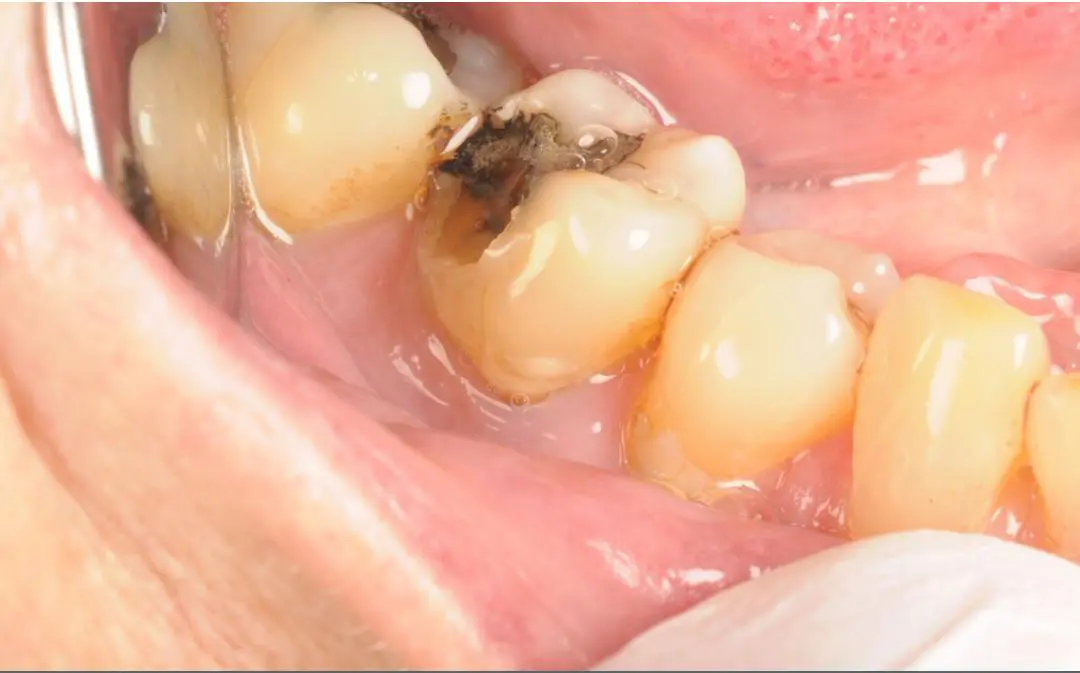
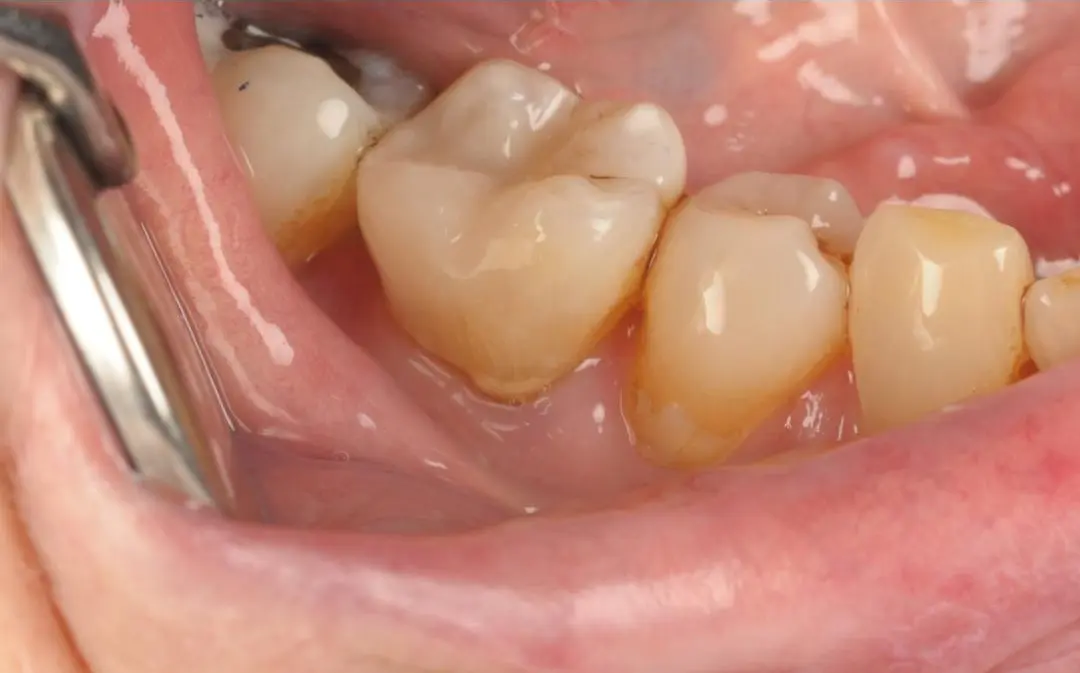
Real Patient Result: Emergency White Filling
Treatment by Dr Kamran
What Can an Emergency Dentist Do for a Toothache Caused by an Old Filling?
An emergency dentist is trained to assess and manage acute dental pain, including discomfort related to old or failed fillings. During an emergency appointment, the dentist will typically:
- Take a thorough dental history and ask about the nature, duration, and location of your pain
- Examine the affected tooth and surrounding area, including checking the existing filling for cracks, gaps, or signs of decay
- Take digital X-rays if clinically appropriate, to assess what is happening beneath the surface of the tooth and within the surrounding bone
- Provide a clinical diagnosis and discuss suitable treatment options
Depending on the findings, the dentist may be able to replace the filling during the same appointment, place a temporary restoration, prescribe appropriate medication if infection is present, or recommend further restorative treatment at a follow-up visit.
Treatment recommendations will always be based on the individual clinical picture. No specific outcome can be guaranteed in advance of a proper examination.
When Should You Seek Emergency Dental Assessment?
While some filling-related discomfort may be mild and intermittent, there are certain situations where seeking prompt professional assessment is advisable. These include:
- Severe or worsening toothache that is not settling or is affecting sleep
- Swelling of the face, jaw, or gum around the affected tooth
- A fever or feeling unwell alongside dental pain, which may indicate spreading infection
- A completely dislodged or broken filling, leaving the tooth exposed and sensitive
- Difficulty swallowing or opening the mouth, which may suggest a more significant infection
In any of these circumstances, contacting an emergency dentist promptly is a sensible course of action. If you are based in London, same-day emergency dental care may be available depending on appointment availability.
Preventing Problems with Dental Fillings
While not all filling deterioration can be prevented, there are steps that may help maintain the longevity of dental restorations and reduce the likelihood of related pain:
- Attend regular dental check-ups — typically every six to twelve months, as recommended by your dentist — so that early filling wear can be detected and monitored
- Maintain a consistent oral hygiene routine, including twice-daily brushing with fluoride toothpaste and daily interdental cleaning
- Avoid excessive consumption of acidic or sugary foods and drinks, which can accelerate enamel erosion and weaken the margins of restorations
- Wear a custom night guard if you grind your teeth (bruxism), as this habit can significantly shorten the lifespan of fillings
- Report any changes in sensitivity or bite to your dentist at your next appointment rather than waiting for symptoms to worsen
Good preventative care, combined with professional monitoring, is the most effective way to extend the life of your dental restorations. For further guidance on maintaining dental restorations, your dentist can provide personalised advice tailored to your oral health needs.
Key Points to Remember
- Old fillings can deteriorate over time, allowing bacteria to cause new decay and toothache beneath or around the restoration
- An emergency dentist can assess and treat a toothache caused by an old filling, depending on clinical findings
- Symptoms such as persistent pain, sensitivity, swelling, or a dislodged filling may warrant prompt dental assessment
- Treatment suitability always depends on a thorough clinical examination and cannot be determined without one
- Regular dental check-ups are one of the most effective ways to identify filling problems early
- Maintaining good oral hygiene and attending routine appointments supports the longevity of dental restorations
Frequently Asked Questions
How long do dental fillings typically last?
The lifespan of a filling depends on several factors, including the material used, the size of the restoration, its location in the mouth, and individual habits such as teeth grinding. Composite resin fillings may last between seven and ten years on average, while amalgam fillings can sometimes remain functional for fifteen years or longer. However, these are general estimates and individual results vary. Regular dental check-ups allow your dentist to monitor the condition of existing fillings and advise when replacement may be needed.
Can a filling fall out without causing pain?
Yes, it is possible for a filling to become loose or partially dislodged without causing immediate significant pain. However, an exposed tooth surface is vulnerable to bacteria, temperature sensitivity, and further structural damage. Even in the absence of pain, a lost or damaged filling should be assessed by a dentist as promptly as possible to avoid further complications.
Is toothache from an old filling always a dental emergency?
Not every instance of filling-related discomfort requires an emergency appointment. Mild, occasional sensitivity may be appropriate to monitor and report at your next scheduled visit. However, severe pain, visible swelling, complete loss of a filling, or any signs of infection — such as fever or facial swelling — are situations where seeking emergency dental care promptly is advisable. If you are unsure, contact a dental practice directly for guidance.
Can I take painkillers to manage the discomfort until I see a dentist?
Over-the-counter analgesics such as ibuprofen or paracetamol, taken in accordance with the manufacturer's instructions, may help manage discomfort temporarily. However, pain relief does not address the underlying cause, and taking medication should not replace professional assessment. If pain is severe, worsening, or accompanied by swelling or fever, seek dental advice as soon as possible rather than relying solely on over-the-counter remedies.
What happens if a failed filling is left untreated?
If a failing filling is not addressed, the underlying tooth may be at risk of progressive decay, structural weakening, or infection reaching the dental pulp. This can lead to more complex treatment being required, such as root canal treatment or, in some cases, tooth extraction. Early assessment and intervention generally offer a greater range of treatment options and may help preserve the natural tooth structure. Seeking advice promptly when symptoms arise is therefore in the patient's best interest.
Will my old filling need to be completely replaced?
Whether a filling requires complete replacement, repair, or a different form of treatment depends entirely on the clinical findings at the time of examination. In some cases, a filling may be repaired or rebonded if the damage is minor. In others, complete replacement with an updated restoration may be more appropriate. Your dentist will assess the tooth comprehensively and discuss the most suitable options with you based on the specific clinical situation.
Conclusion
A toothache caused by an old filling is a common dental concern that many adults in London experience at some point. While it can be unsettling, it is important to understand that this type of pain often has a clear and treatable cause — typically related to filling deterioration, secondary decay, or changes in the tooth's structure over time.
An emergency dentist can assess a toothache caused by an old filling and provide appropriate clinical care based on what is found during examination. Treatment may range from replacing a failed restoration to managing an underlying infection, depending entirely on the individual clinical picture.
If you are experiencing persistent tooth pain, sensitivity, swelling, or any other concerning symptoms, seeking a professional dental assessment is always the most appropriate course of action. Dental symptoms and treatment options should always be assessed individually during a clinical examination.
Maintaining regular dental appointments and a consistent oral hygiene routine remains the most effective way to support long-term dental health and reduce the risk of filling-related problems in the future.
Disclaimer: This article is intended for general educational purposes only and does not constitute personalised dental advice. Individual diagnosis and treatment recommendations require a clinical examination by a qualified dental professional.
Next Review Due: 06 November 2027