
Discovering that a tooth has crumbled, broken away significantly, or lost a large portion of its visible structure can be an unsettling experience. Whether it happens suddenly — through a fall, a bite on something hard, or a pre-existing crack that finally gives way — or gradually due to decay or wear, the immediate concern is almost always the same: can anything be done to save it?
Many people in this situation turn to online searches, hoping to understand their options before contacting a dental professional. This is entirely understandable. Knowing what to expect can make an urgent appointment feel far less daunting.
This article explores what it means when a tooth loses most of its structure, how an emergency dentist may be able to help, and what factors influence the treatment options available. If you are currently experiencing dental pain, sensitivity, or visible tooth damage, seeking a professional clinical assessment promptly is always the most appropriate course of action.
Experiencing these symptoms?
Delaying treatment can lead to tooth loss. We have slots available today.
Featured Snippet: Can an Emergency Dentist Treat a Severely Broken Tooth?
Yes, in many cases an emergency dentist can assess and provide initial or definitive treatment for a severely broken tooth. Treatment suitability depends on how much tooth structure remains, whether the root is intact, and the condition of the surrounding tissues. A clinical examination is essential to determine the most appropriate course of care.
What Does It Mean When a Tooth Loses Most of Its Structure?
Tooth structure loss refers to the reduction of the natural crown — the visible portion of the tooth above the gumline. This can happen in a number of ways:
- Trauma or injury — A knock, fall, or sporting accident can fracture significant portions of a tooth, sometimes extending below the gumline.
- Severe dental decay — Untreated cavities can progressively destroy enamel and dentine until very little natural tooth material remains.
- Cracked tooth syndrome — A tooth that has been weakened by old restorations or grinding may eventually split or fracture extensively.
- Erosion or attrition — Long-term acid erosion (from dietary habits or acid reflux) or tooth grinding (bruxism) can gradually wear the tooth down to a fraction of its original height.
Understanding the cause is important because it directly influences which treatment approaches may be clinically appropriate. An emergency dentist will assess not only the visible damage but also the underlying root and bone support.
Meet Dr. Yasha Shirazi
Principal Dentist at Emergency Dentist London
"We treat hundreds of dental emergencies every month. The sooner you come in, the easier the fix usually is."
Book an appointment with our team →The Dental Science Behind Structural Tooth Loss
To understand why structural loss is significant, it helps to know a little about tooth anatomy. A tooth is composed of several layers:
- Enamel — The hard, protective outer layer that shields the tooth.
- Dentine — The softer layer beneath enamel, which contains microscopic tubules connected to the tooth's nerve.
- Pulp — The innermost tissue containing nerves and blood vessels.
- Cementum and root — The root anchors the tooth into the jawbone via the periodontal ligament.
When the enamel and dentine are significantly damaged or missing, the pulp may become exposed or vulnerable to bacterial infection. If infection reaches the pulp or spreads to the root, the clinical situation becomes more complex. This is why even a tooth that appears to have lost most of its structure above the gumline may still be treatable — provided the root and surrounding bone remain sufficiently healthy and intact.
An emergency dental assessment can help determine the condition of the root and pulp, which is crucial in planning any treatment.
What Treatment Options Might Be Available?
Treatment options for a tooth with significant structural loss vary considerably and depend entirely on individual clinical circumstances. A dentist cannot recommend a specific course of treatment without a thorough examination, which may include dental X-rays.
Possible approaches your dentist may discuss include:
- Build-up and crown — If sufficient root structure remains, a dentist may be able to place a post and core build-up, followed by a dental crown to restore the tooth's function and appearance.
- Root canal treatment — If the pulp is infected or at risk, root canal treatment may be carried out before any restoration is placed. This aims to remove infected tissue and seal the root canals.
- Dental extraction — In cases where the tooth cannot be saved — for example, where the root is fractured, severely infected, or has insufficient bone support — extraction may be the most clinically appropriate recommendation.
- Temporary stabilisation — In an emergency setting, a dentist may first focus on managing pain, covering exposed tissue, and stabilising the situation before planning further treatment.
It is important to note that no outcome can be guaranteed, and all treatment decisions should be made collaboratively between the patient and their dental professional following a proper examination.
When Should You Seek Emergency Dental Care?
Certain situations may indicate a need for prompt dental attention. While not every case of tooth damage is an emergency, the following signs suggest you should contact a dental professional without delay:
- Significant pain, especially if it is throbbing, persistent, or spreading to the jaw or ear
- Visible tooth fracture or large piece of tooth lost
- Swelling around the tooth, jaw, or face
- Sensitivity that does not settle, particularly to temperature or pressure
- Bleeding that does not stop following trauma
- A loose or partially detached tooth
- Any signs of infection, such as a dental abscess, bad taste, or fever
These symptoms do not necessarily mean a tooth cannot be treated, but they do indicate that a clinical evaluation should not be delayed. If you are experiencing any of these, seeking urgent dental care in London promptly is advisable.
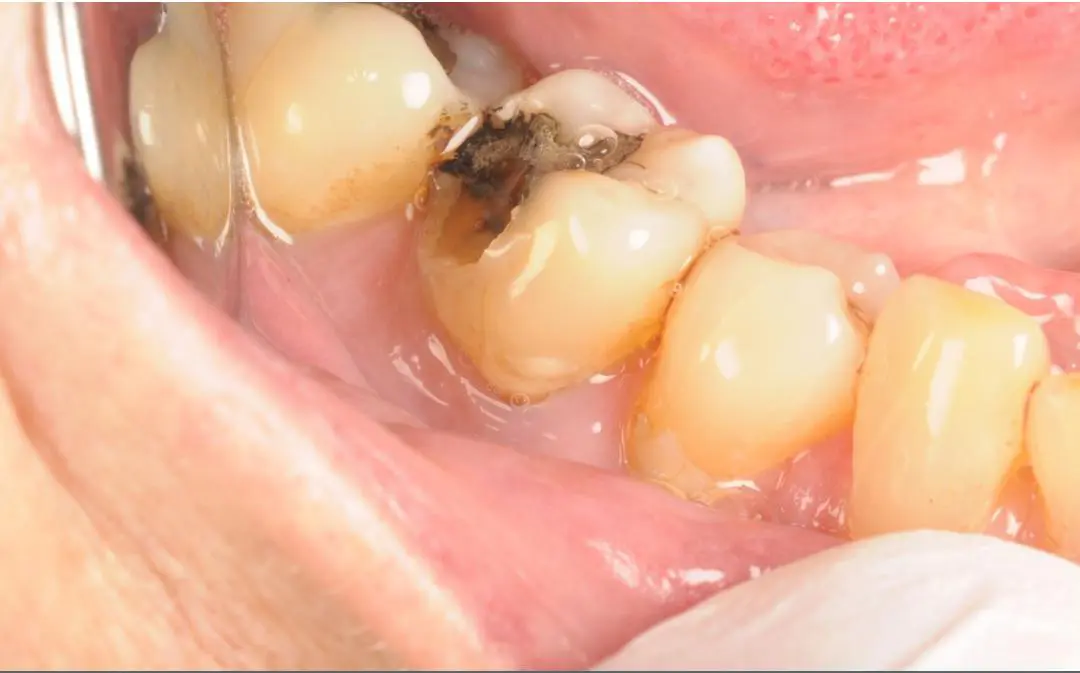
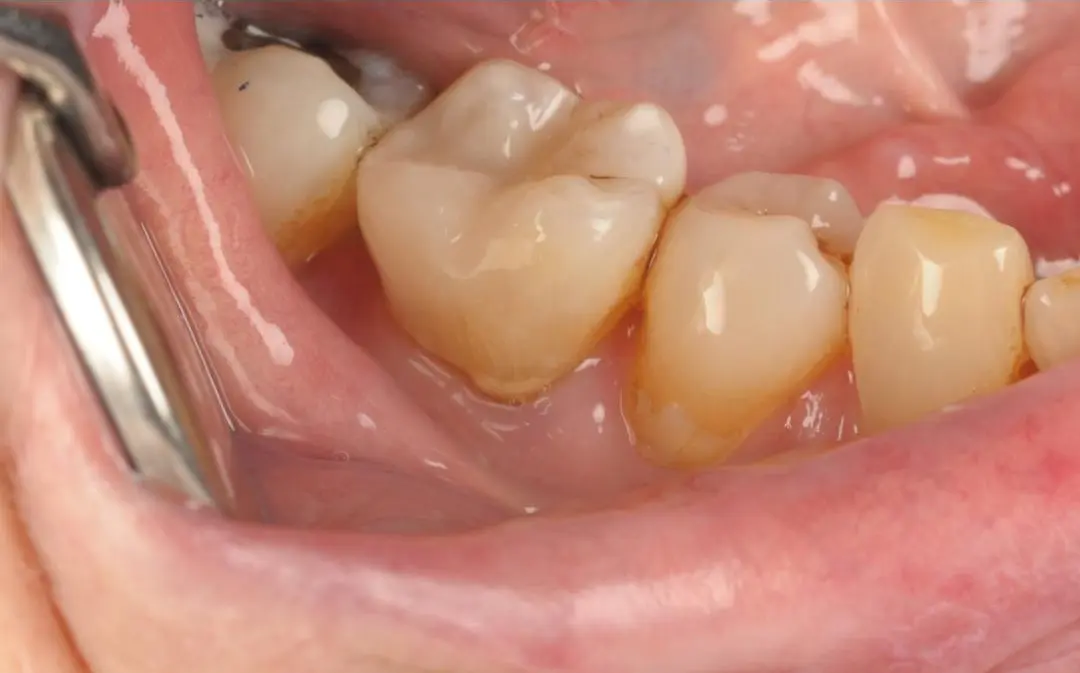
Real Patient Result: Emergency White Filling
Treatment by Dr Kamran
Preventing Further Structural Damage
While not all tooth fractures or structural loss can be prevented, several measures may help protect your teeth:
- Attend regular dental check-ups — Routine examinations allow your dentist to identify early signs of decay, cracks, or wear before they progress significantly.
- Wear a mouthguard — If you grind your teeth at night (bruxism), a custom-fitted nightguard can reduce the mechanical stress placed on teeth during sleep.
- Protect teeth during sport — A well-fitted sports mouthguard provides important protection against dental trauma.
- Manage dietary acid — Limiting acidic foods and drinks, and rinsing with water after consuming them, can help reduce enamel erosion over time.
- Treat decay early — Addressing cavities at an early stage prevents the progressive destruction of tooth structure that can make treatment far more complex later on.
For patients who have already experienced significant dental wear or tooth loss, speaking with a dentist about restorative dental options may help protect remaining teeth and restore function.
Key Points to Remember
- A tooth that has lost most of its structure can, in many cases, still be assessed and potentially treated by an emergency dentist.
- Treatment suitability depends on clinical factors including root integrity, bone support, and the presence of infection — a professional examination is essential.
- Options may include crown restoration with a post and build-up, root canal treatment, or, where necessary, extraction.
- Symptoms such as persistent pain, swelling, or visible tooth damage warrant prompt dental attention.
- Preventative measures including regular check-ups, mouthguards, and early decay treatment can help protect teeth from structural loss.
- All treatment decisions are individual and should be based on a thorough clinical assessment.
Frequently Asked Questions
Can a tooth be saved if it has broken off at the gumline?
In some cases, yes. Whether a tooth broken at or near the gumline can be saved depends on the condition of the root, the depth of the fracture, and the health of the surrounding bone and gum tissue. A dentist will need to take X-rays and examine the area closely before advising on the most appropriate treatment. Where the root is intact and the bone is healthy, restorative options may still be possible. However, in other cases, extraction may be the more clinically suitable recommendation.
Will I need root canal treatment if my tooth has lost most of its structure?
Not necessarily. Root canal treatment is typically recommended when the pulp — the innermost nerve and blood vessel tissue — is infected or at significant risk of infection. Whether this is the case depends on how much of the tooth has been lost and whether bacteria have reached the pulp. Your dentist will assess this during examination, often using dental X-rays to evaluate the root and pulp condition before recommending any course of treatment.
What should I do immediately after a large piece of tooth breaks off?
If a large piece of tooth breaks off, try to keep the area clean by gently rinsing with warm water. Avoid placing pressure on the tooth and contact an emergency dentist as soon as possible. If you have recovered the broken piece of tooth, take it with you to your appointment — while it may not always be usable, your dentist will want to assess it. Avoid taking aspirin directly on the gum, and use over-the-counter pain relief as directed if you are experiencing discomfort.
How long can you leave a severely broken tooth without treatment?
Delaying treatment for a severely broken tooth is generally not advisable. An untreated broken tooth with exposed dentine or pulp can become infected, and dental infections can progress and become more complex to manage over time. Even if you are not experiencing significant pain, it is prudent to seek a dental assessment promptly. Some people experience little pain even when significant damage is present, which is why professional evaluation is always preferable to a wait-and-see approach.
Is it possible to have a crown placed on a tooth with very little structure remaining?
It may be possible in some situations. When very little tooth structure remains, a dentist may use a post and core technique — placing a small post into the root canal and building up the core with composite material — to create a stable foundation for a crown. However, this approach is only suitable when the root is intact and healthy. Each case is assessed individually, and your dentist will advise on whether this is a viable option following a thorough clinical examination.
Can an emergency dentist extract a tooth that cannot be saved on the same day?
In many cases, yes. Emergency dentists are generally equipped to perform tooth extractions when a tooth is assessed as unrestorable or when extraction is the most appropriate immediate course of action. However, certain complex extractions — for example, where the roots are curved, deeply positioned, or the surrounding bone is involved — may require referral to an oral surgeon. Your dentist will discuss all options with you and ensure you understand what to expect before any procedure is carried out.
Conclusion
Losing most of a tooth's structure is an understandably worrying experience, but it does not always mean the tooth cannot be treated. An emergency dentist can assess the situation thoroughly and discuss the clinical options available to you, which may range from restorative treatment to extraction where necessary. The outcome depends heavily on individual clinical factors that can only be properly evaluated during an in-person examination.
If you are experiencing tooth damage, pain, swelling, or any of the symptoms described in this article, contacting an emergency dental practice promptly is the most appropriate step. Acting quickly generally broadens the range of options that may be available.
Dental symptoms and treatment options should always be assessed individually during a clinical examination.
Disclaimer: This article is intended for general educational purposes only and does not constitute personalised dental advice. Individual diagnosis and treatment recommendations require a clinical examination by a qualified dental professional.
Next Review Due: 16 October 2027