
Dental pain can be sudden, intense, and deeply unsettling. Whether it is a throbbing toothache that has worsened overnight or a tooth that has become severely damaged, many people in London find themselves urgently searching online for answers. One of the most common questions patients ask is: can an emergency dentist remove a tooth on the same day?
The answer is not always straightforward, as it depends on a number of clinical factors that only a qualified dental professional can properly assess in person. However, understanding what to expect during an emergency dental appointment — and when a same-day tooth extraction may or may not be possible — can help you make informed decisions during an already stressful situation.
This article explains the circumstances in which same-day emergency tooth removal may be appropriate, the clinical factors that influence that decision, and the steps you can take to protect your oral health in urgent situations. If you are experiencing dental pain, seeking prompt professional assessment is always the most appropriate course of action.
Experiencing these symptoms?
Delaying treatment can lead to tooth loss. We have slots available today.
Featured Snippet: Can an Emergency Dentist Remove a Tooth on the Same Day?
Yes, in many cases an emergency dentist can perform a same-day tooth extraction. Whether same-day removal is possible depends on a clinical assessment of the tooth, surrounding tissues, and your overall health. Factors such as active infection, tooth position, and complexity of the extraction will influence the dentist's decision during your emergency appointment.
What Qualifies as a Dental Emergency?
Not every dental problem constitutes a true emergency, but several situations warrant prompt professional attention. Understanding what counts as an urgent dental issue can help you decide whether to seek same-day care.
Common dental emergencies that may require same-day assessment include:
Meet Dr. Yasha Shirazi
Principal Dentist at Emergency Dentist London
"We treat hundreds of dental emergencies every month. The sooner you come in, the easier the fix usually is."
Book an appointment with our team →- Severe toothache that does not respond to over-the-counter pain relief
- Dental abscess or swelling around the gum or face
- A broken or fractured tooth exposing the nerve
- A tooth that has become very loose due to trauma or advanced gum disease
- A failed or lost filling causing significant pain or structural damage
In these situations, contacting an emergency dentist in London as soon as possible is advisable. Early assessment allows the dental team to determine the most appropriate and clinically safe course of action, which may or may not include same-day extraction.
When Is Same-Day Tooth Extraction Possible?
Same-day tooth removal is clinically possible in a number of circumstances. Emergency dentists are trained and equipped to carry out tooth extractions when the clinical situation allows for it.
Situations where same-day extraction may be appropriate include:
- The tooth is significantly damaged and cannot be restored
- There is no active spreading infection that would impair local anaesthesia
- The tooth is in a straightforward position (i.e., not impacted or severely angled)
- Your general health and medical history do not contraindicate extraction that day
- Adequate anaesthesia can be achieved in most cases, with the goal of minimising discomfort during the procedure
It is important to understand that your dentist will conduct a thorough clinical examination — and often take a dental X-ray — before determining whether immediate extraction is appropriate and safe. Treatment suitability is always determined on an individual basis.
When Same-Day Extraction May Not Be Immediately Possible
There are clinical scenarios in which your emergency dentist may recommend delaying extraction, at least temporarily. This is always in the patient's best interest and reflects sound clinical judgement rather than a lack of urgency.
Reasons same-day extraction may be deferred include:
Active dental abscess with spreading infection: When a significant infection is present, local anaesthesia may be less effective, making pain management during the procedure more difficult. In these cases, the dentist may prescribe antibiotics first to reduce the infection before proceeding with extraction at a subsequent appointment.
Complex or surgical extractions: Some teeth, particularly impacted wisdom teeth or those with curved or multiple roots, may require surgical techniques. These cases are typically referred to an oral surgeon or scheduled under more controlled conditions.
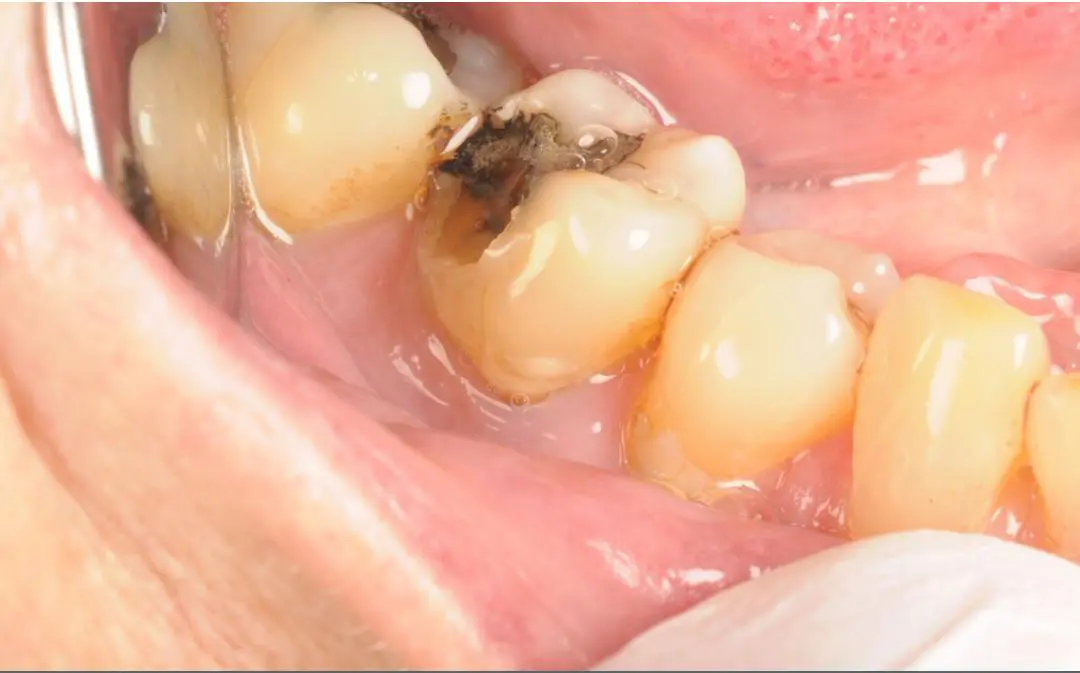
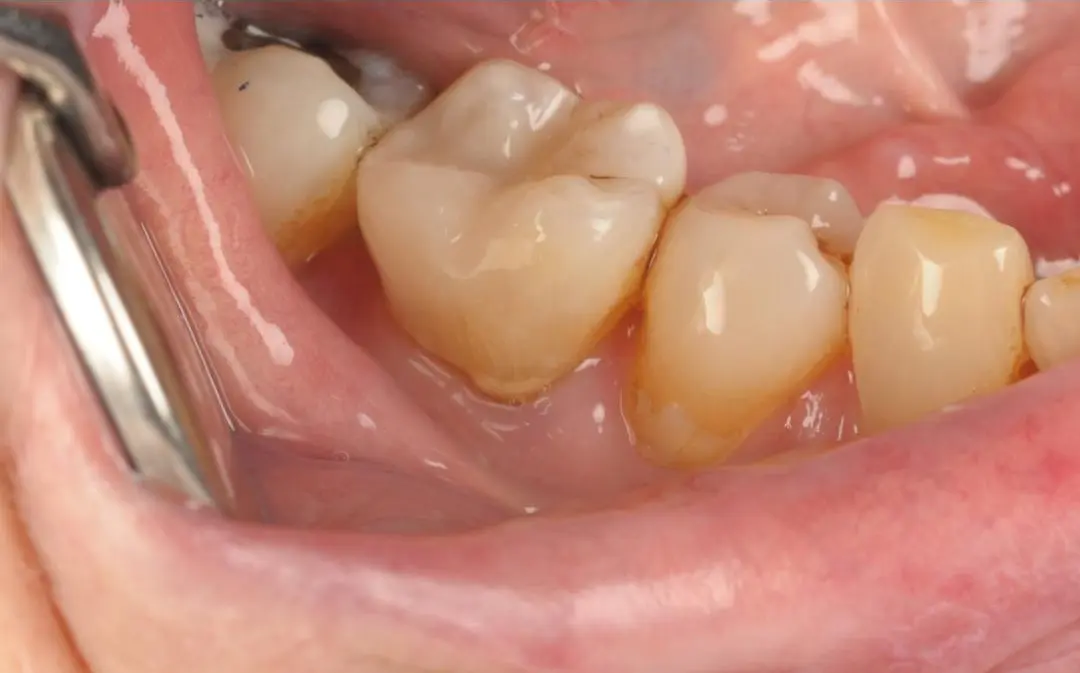
Real Patient Result: Emergency White Filling
Treatment by Dr Kamran
Medical history considerations: Certain medications (such as blood thinners) or underlying health conditions may require additional precautions or liaison with your GP before extraction can safely proceed.
Your emergency dentist will always explain their reasoning and discuss the available options with you during your appointment.
The Clinical Process: What Happens During an Emergency Extraction?
Understanding the process can help reduce anxiety about attending an emergency dental appointment.
1. Assessment and X-rays
The dentist will examine the affected tooth and surrounding tissues. A periapical X-ray is commonly taken to evaluate the root structure, bone levels, and any signs of infection.
2. Discussion of options
The dentist will explain whether extraction is the most appropriate course of action, or whether alternative treatments such as root canal therapy might be considered to save the tooth.
3. Local anaesthesia
If extraction proceeds, local anaesthetic is administered with the aim of numbing the area as thoroughly as possible. Many patients find that, once anaesthetised, the procedure itself is more manageable than they had expected, though experiences will vary depending on individual circumstances.
4. The extraction
The dentist carefully loosens and removes the tooth. Simple extractions are typically completed within a few minutes.
5. Aftercare guidance
Clear post-extraction instructions are provided, covering bleeding management, pain relief, dietary advice, and healing expectations.
For patients who are particularly anxious, it is worth asking about dental sedation options that may be available to help you feel more comfortable during treatment.
The Science Behind Tooth Extraction: Why Timing and Infection Matter
To understand why dentists sometimes delay extraction, it helps to know a little about the biology involved.
Local anaesthetics work by blocking nerve signals in the area surrounding the injection site. However, when tissue is infected and inflamed, the pH level of that tissue becomes more acidic. This chemical change can reduce the effectiveness of local anaesthetic agents, meaning the area may be harder to numb adequately.
Additionally, dental infections do not remain contained. Bacteria from an abscess can spread along tissue planes into the jaw, neck, or beyond — a process that, while uncommon, can become medically serious. This is why your dentist may prioritise controlling infection before proceeding with extraction, not to delay care, but to ensure your safety and comfort during treatment.
When to Seek Professional Dental Assessment
If you experience any of the following, seeking a professional dental assessment promptly is advisable:
- Persistent or worsening dental pain lasting more than one to two days
- Visible swelling around the jaw, gum, or cheek
- Difficulty opening your mouth or swallowing
- A tooth that feels loose or has shifted position
- Fever alongside dental pain (which may indicate spreading infection)
- A tooth that has been knocked out or significantly damaged
None of these symptoms should cause alarm in isolation, but they do suggest that professional evaluation is the appropriate next step. An emergency dental appointment allows a clinician to examine you properly and recommend the safest course of action.
Protecting Your Oral Health: Prevention and Aftercare
Whilst dental emergencies are not always preventable, maintaining good oral health habits significantly reduces the risk of reaching a situation where emergency extraction becomes necessary.
Practical advice to support oral health:
- Brush teeth twice daily with fluoride toothpaste
- Floss or use interdental brushes daily to remove plaque between teeth
- Attend regular dental check-ups — typically every six to twelve months, depending on your dentist's recommendation
- Address early signs of tooth decay or sensitivity promptly rather than waiting until pain becomes severe
- Wear a mouthguard during contact sports to reduce the risk of dental trauma
- Limit sugary food and drink, particularly between meals
If you have had an emergency extraction, following your dentist's aftercare instructions carefully supports healing and reduces the risk of complications such as dry socket. You can learn more about maintaining good oral health after dental treatment by exploring our patient resources.
Key Points to Remember
- Same-day tooth extraction is often possible, but depends on a thorough clinical assessment by your emergency dentist
- Active infection may delay immediate extraction — your dentist may prescribe antibiotics first to reduce infection levels
- Complex or impacted teeth may require referral for surgical extraction under more controlled conditions
- Your overall health and medical history are important factors that influence treatment decisions on the day
- Seeking early professional advice when dental symptoms develop can prevent minor issues from becoming more complex
- Prevention through regular dental care significantly reduces the likelihood of requiring emergency treatment
Frequently Asked Questions
How quickly can I be seen by an emergency dentist in London?
Many private emergency dental practices in London offer same-day or next-day appointments, particularly for urgent cases involving severe pain, swelling, or dental trauma. It is always worth contacting a clinic directly to explain your symptoms, as the team can advise on appointment availability and whether your situation requires urgent attention. Waiting for symptoms to resolve on their own is not generally recommended when pain is significant or swelling is present.
Will a tooth extraction during an emergency appointment be painful?
Local anaesthesia is administered before any extraction procedure with the aim of numbing the area as thoroughly as possible. Many patients report feeling pressure during the extraction rather than pain, though individual experiences may vary. If you feel discomfort during the procedure, you should let the dentist know immediately so that additional anaesthetic can be given. Post-procedure soreness is common and typically manageable with over-the-counter pain relief as recommended by your dentist.
Can an emergency dentist treat a dental abscess on the same day?
Yes, an emergency dentist can assess and begin treating a dental abscess on the same day. Treatment may involve draining the abscess, prescribing antibiotics, or — depending on the clinical situation — extracting the affected tooth. The most appropriate approach will be determined during your examination. It is important to seek care promptly if you suspect an abscess, particularly if swelling is spreading or you feel unwell.
What should I do while waiting for my emergency dental appointment?
Over-the-counter pain relief such as ibuprofen or paracetamol, taken as directed on the packaging, may help manage discomfort while you wait. Applying a cold compress to the outside of your cheek can help reduce swelling. Avoid very hot, cold, or sweet foods that may aggravate sensitivity. Do not place aspirin directly against the gum, as this can damage the tissue. Contact the dental practice if your symptoms worsen significantly before your appointment.
Is it better to save a tooth or have it extracted?
Where clinically possible, preserving a natural tooth is generally the preferred approach in dentistry. Options such as root canal treatment may allow a severely damaged or infected tooth to be retained. However, extraction is sometimes the most appropriate clinical recommendation — for example, when a tooth is non-restorable, when infection is too advanced, or when keeping the tooth would compromise surrounding oral health. Your emergency dentist will discuss all available options with you based on your individual clinical situation.
How long does recovery take after an emergency tooth extraction?
Initial healing of the extraction socket typically takes around one to two weeks. The gum tissue gradually closes over the socket during this time. Full bone healing beneath the gum may take several months. Most patients find that any discomfort significantly reduces within the first few days following extraction, particularly when aftercare instructions — such as avoiding smoking, rinsing gently, and eating soft foods — are followed carefully.
Conclusion
Same-day tooth extraction by an emergency dentist is a realistic option for many patients, but whether it is appropriate depends entirely on a thorough clinical assessment of your individual circumstances. Factors including the severity of infection, the complexity of the extraction, and your medical history all play a role in the decision your dentist makes on the day.
If you are experiencing significant dental pain, swelling, or trauma, the most important step is to seek professional dental advice promptly. Delaying care rarely improves the situation and can sometimes allow problems to develop further.
Dental symptoms and treatment options should always be assessed individually during a clinical examination.
If you are based in London and require urgent dental care, contacting a qualified emergency dental practice is the most appropriate course of action. A clinical examination will allow your dentist to recommend the safest and most suitable treatment for your individual needs.
Disclaimer: This article is intended for general educational purposes only and does not constitute personalised dental advice. Individual diagnosis and treatment recommendations require a clinical examination by a qualified dental professional.
Next Review Due: 02 November 2027